EN

How Do Fasteners Support Efficient Industrial Assembly Processes?
In an industrial assembly line, a fastener is more than a small purchased part. It is a repeatable connection point between components, tools, operators, and quality controls. When that connection point is specified and managed well, an industrial fastener can help a line move predictably. When it is poorly matched, a low-cost part can create searching, rework, torque variation, and unplanned inspection.
From a machinery-manufacturer procurement perspective, the practical question is not simply whether a fastener can hold two parts together. The question is whether the chosen assembly fastener supports the required load, installation method, takt time, traceability, and maintenance plan. That wider view is where fastener efficiency begins.
Why a Fastener Affects Assembly Efficiency
Assembly efficiency depends on repeatability. Operators and automated stations need parts that arrive in the correct specification, orient easily, engage cleanly, and reach the intended clamp condition with a defined process. A fastener that varies in thread condition, coating behavior, dimensions, or packaging can interrupt each of those steps.
A well-matched industrial fastener helps reduce avoidable handling decisions. For example, standardizing thread form and head drive across a subassembly can simplify tool setup and training. Selecting a length that accommodates the real stack-up avoids excess thread engagement or a shortage of usable threads. Clear part identification also reduces the chance that a visually similar item reaches the wrong station.
The effect is cumulative. One extra check may seem minor, but repeated uncertainty across a shift adds queue time and increases the likelihood of a missed step. For high-mix manufacturing, a documented fastener solution can be especially useful because it connects the drawing, bill of materials, work instruction, and incoming-inspection criteria.
Clamp Load Matters More Than Tightening Speed Alone
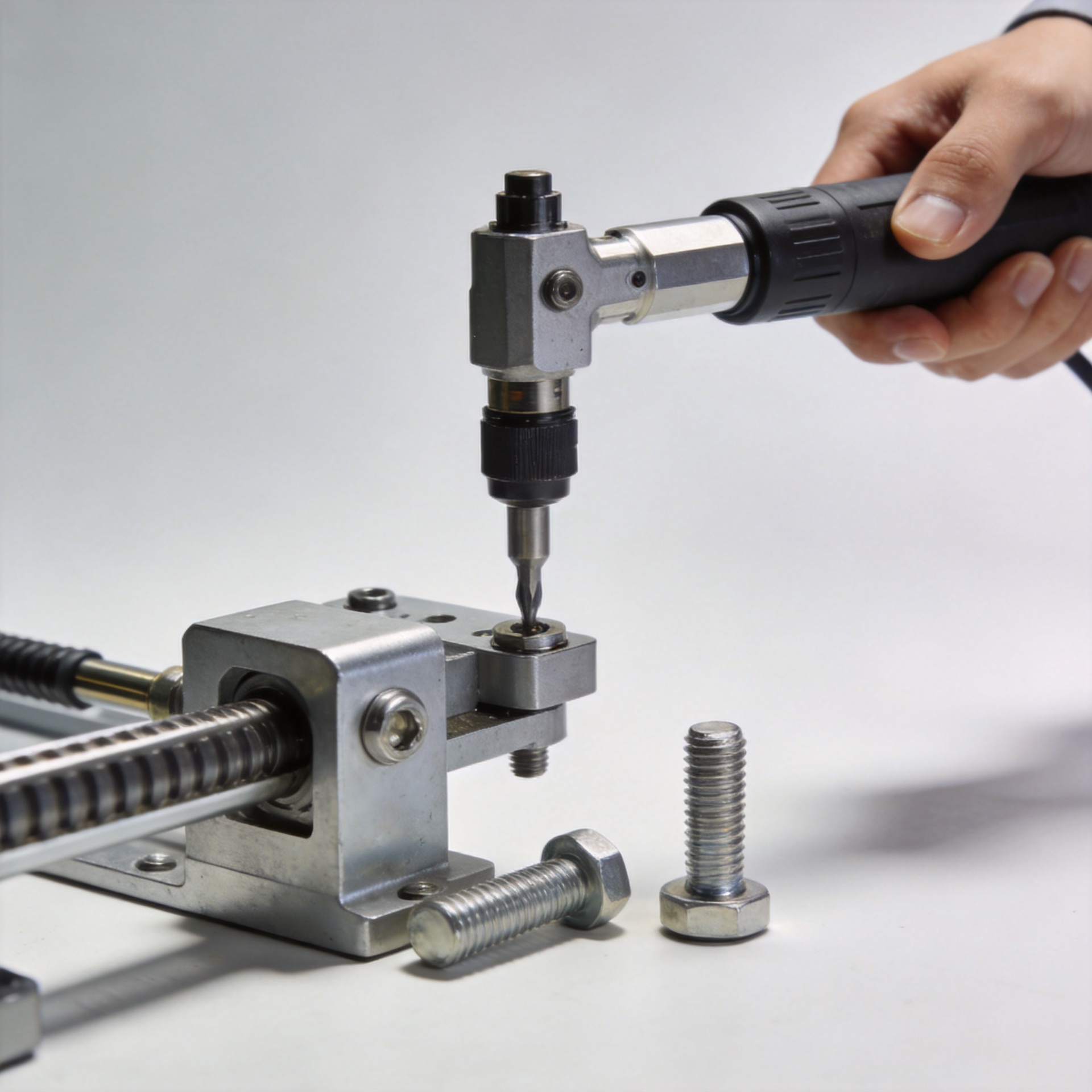
Speed is valuable only when the joint is assembled correctly. In a threaded joint, tightening creates preload and clamping force that keep the joined parts in compression during service. The needed condition depends on the joint design and the loads it will see. If the process does not deliver a consistent clamp condition, a fastener may look installed while the assembly still has a reliability concern.
Torque is often used as a practical production control, but it is not a direct measurement of clamp load. Thread friction and the friction under the head or nut consume part of the applied torque. Changes in lubrication, coating, surface finish, or mating parts can therefore change the result of an identical torque setting. This does not make torque control unsuitable; it means the torque method should be validated for the actual fastener, joint stack, and assembly condition.
For a repeatable assembly fastener process, define the installation sequence, tool range, and acceptance method before volume production. Where the application is sensitive to clamp variation, engineering teams may need additional controls such as a verified torque-angle method, prevailing-torque checks, or periodic joint audits. The appropriate method depends on the application rather than on a single universal setting.
Fastener Design Can Simplify the Workstation
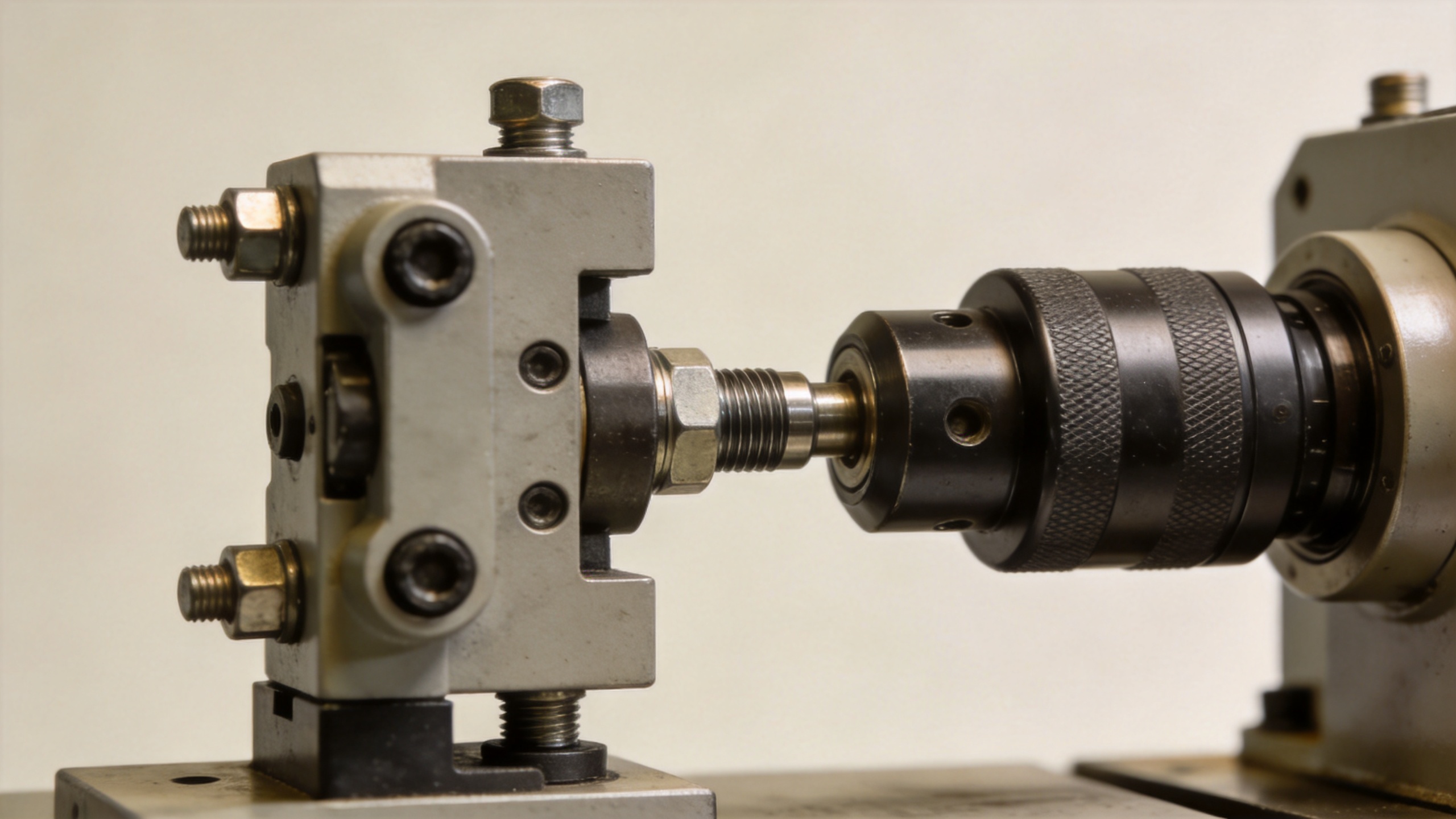
Fastener choice influences what happens before a tool is even triggered. A component that self-locates, presents a compatible drive feature, or uses a thread suited to the receiving material can reduce fumbling and cross-threading risk. Conversely, a design that demands awkward access, mixed tool sizes, or delicate alignment can slow the station even when the fastener itself meets a strength requirement.
Consider the full installation path:
- Part presentation: Can the fastener be fed, picked, and identified without confusing it with a nearby SKU?
- Access and engagement: Does the head style suit the available tool clearance and allow stable engagement?
- Material pairing: Is the thread-forming, tapping, or through-bolt approach appropriate for the material and thickness?
- Tool compatibility: Can the same tool family and fixture arrangement serve similar joints without frequent changeover?
- Verification: Can the station capture the required torque, angle, lot, or inspection record without creating a manual bottleneck?
These questions make it easier to distinguish a fastener selected for a drawing from an industrial fastener selected for a production system. In a stable, low-vibration application, a simpler approach may be appropriate. In a joint exposed to changing loads, vibration, or corrosion, the installation sequence and retention method deserve more detailed review.
Batch Consistency Protects the Production Schedule
Many assembly disruptions originate upstream. A sample may fit a fixture, while a later delivery shows a different surface condition, thread feel, or dimensional variation. For line teams, that inconsistency turns into extra gauging, rejected bins, tool adjustments, and delayed release of work orders.
This is why an efficient fastener solution includes incoming controls rather than a part number alone. The purchase specification should state the relevant material, finish, size, thread, mechanical requirement, packaging, labeling, and documentation expectations. Incoming inspection can then focus on the characteristics that affect the line rather than attempting to test everything after a problem appears.
Traceable lot identification is equally practical. If a station detects abnormal installation behavior, the team can isolate the relevant material and compare it with the approved condition. That response is generally faster than searching across mixed containers or relying on memory after a shift change.
Standardization Improves Both Procurement and Line Flow
Standardization does not mean forcing one fastener into every joint. It means reducing unnecessary variety after each joint’s function has been established. A manageable family of sizes, drives, finishes, and packaging formats helps procurement consolidate demand while allowing the line to stock, replenish, and verify parts more easily.
A useful review starts with the assemblies that consume the most operator time or create the most rework. Group the fasteners by function, environment, access, and required service behavior. Then identify where two or three closely similar items could be rationalized without changing a safety-critical or performance-critical requirement. The result may be fewer changeovers and clearer work instructions, not merely a shorter BOM.
It is also worth looking beyond unit price. The relevant cost includes line-side replenishment, rejected material, tool wear, rework, field maintenance, and the effort required to investigate a joint that does not behave as expected. A low-priced fastener can still be expensive if it creates variation that disrupts the rest of the operation.
A Practical Fastener Review Before Production Release
- Confirm the joint function, loads, environment, and maintenance access.
- Match material, coating, thread, head style, and length to the joint stack and installation method.
- Validate the tightening process with the actual mating parts, tool, and surface condition.
- Define incoming checks and lot identification for the features that affect assembly.
- Document tooling, work sequence, and acceptance criteria in a form the production team can use.
- Review recurring installation issues and feed the findings back into the specification.
Build Efficiency Into the Joint, Not After the Problem
Efficient industrial assembly is rarely achieved by tightening parts faster in isolation. It comes from aligning the fastener, joint design, tooling, material control, and verification method. When those elements are considered together, a fastener supports smooth installation, predictable clamp behavior, and clearer response when something changes.
For buyers and engineers, the most useful next step is to review the fasteners that most often create line-side questions. Focus on the conditions that actually affect the joint: the mating materials, installation access, expected loads, environmental exposure, and batch-control needs. That approach turns the fastener from a basic commodity into a controlled part of an efficient assembly process.