EN

How Do Studs Provide Strong Connections in Industrial Systems?
In this article, studs means threaded industrial fasteners, not jewelry. A threaded stud can make a strong, serviceable connection because it turns tightening force into clamp load across the parts being joined. That sounds simple, but a reliable stud connection depends on the whole assembly: the stud, mating threads, nut, joint faces, load direction, environment, and installation method.
From a fastener-selection engineer’s perspective, the useful question is not whether a stud is “strong” in isolation. It is whether the stud system maintains enough clamp load and thread support for the actual duty cycle. That distinction matters in steel structures, machinery frames, process equipment, pipe supports, and heavy assemblies where vibration, thermal movement, or corrosion can change how a joint behaves over time.
What a threaded stud does in an industrial joint
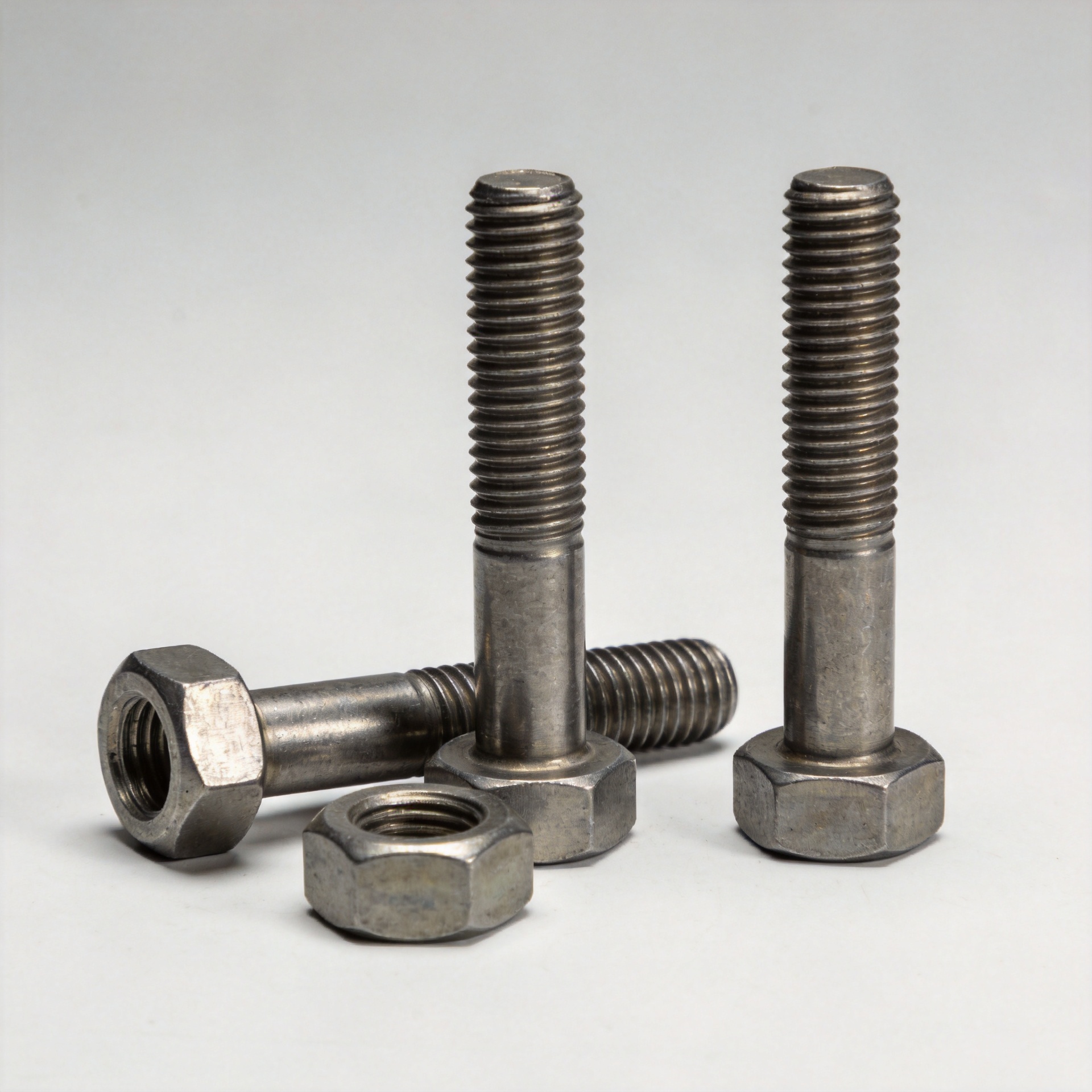
A stud is typically a rod with threads on both ends, or with thread along most of its length. One end may be installed in a tapped component; the other receives a nut after the second component is positioned. This arrangement is useful when repeated removal would otherwise wear the threads in a housing, when access favors nut tightening, or when a longer grip length is needed.
During assembly, tightening stretches the stud slightly and compresses the clamped parts. The resulting preload creates friction at the joint faces. Under a working load, a well-designed connection lets much of that load be resisted through the clamped contact surface instead of immediately transferring the full load into the fastener. In practice, this is why the installation process is as important as the nominal strength grade of an industrial stud.
Clamp load is the foundation of a strong stud connection
The key mechanical contribution of studs is controlled clamp load. Tightening a nut or driving a stud into its tapped end develops tension in the fastener and compression in the joint. If the joint remains compressed through service, the connected parts are less likely to slip, separate, or fret against one another.
A common mistake is to treat higher tightening torque as a universal answer. Torque is only an indirect way to create preload; friction in threads and under the nut can change the relationship substantially. Surface condition, lubrication, coating, thread fit, and tool control all influence the result. For critical work, the specified installation method should come from the applicable drawing, joint calculation, or validated assembly procedure rather than a generic torque habit.
A strong stud connection is therefore balanced rather than simply overtightened. Too little preload can allow joint movement and loosening. Excess preload can yield the stud, damage mating threads, or distort a softer component. The target is sufficient, repeatable clamping force with margin for the expected service loads.
Thread engagement transfers load without stripping
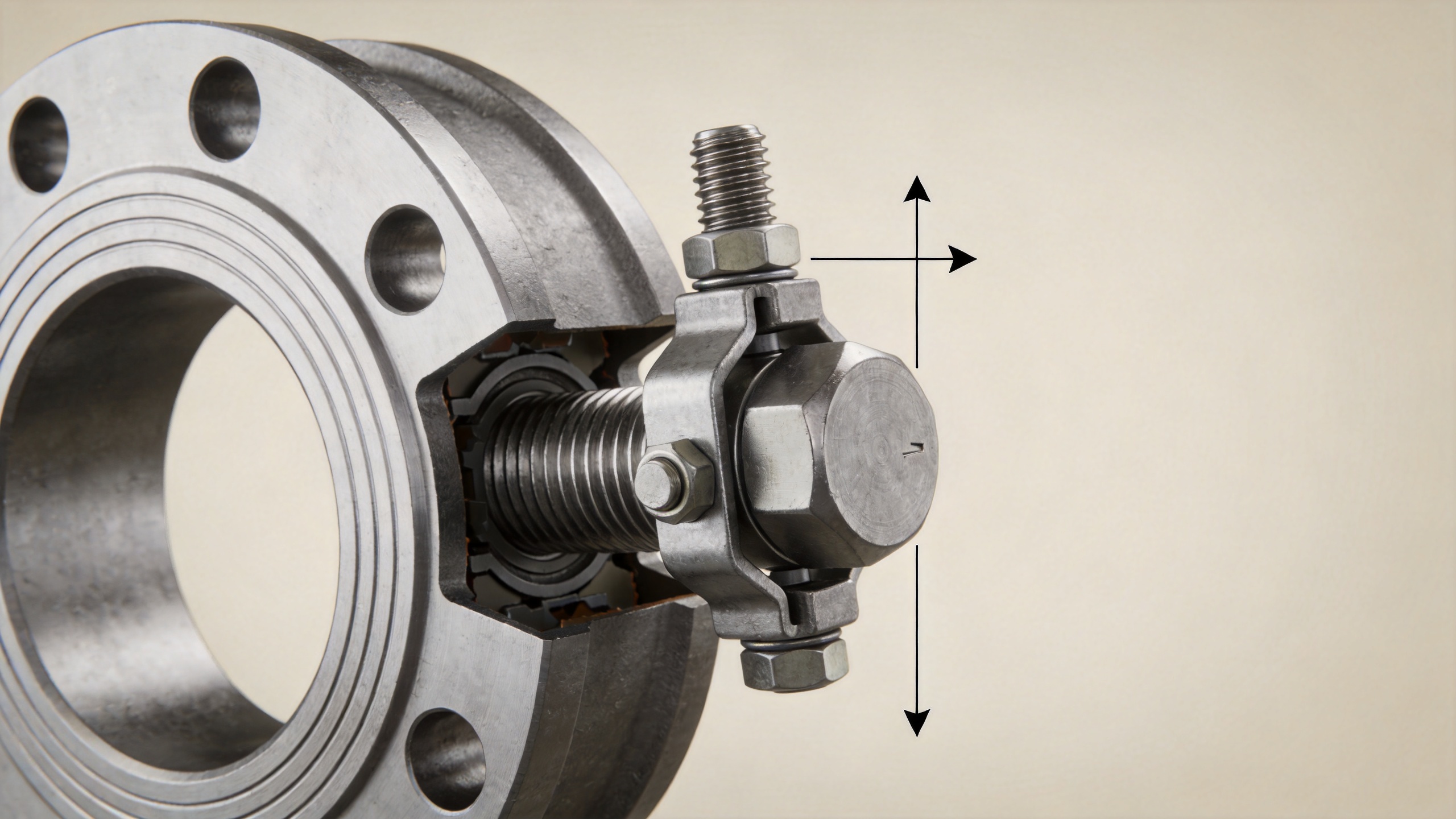
Threads distribute load between the stud and its mating nut or tapped hole. Adequate engagement is essential because the joint may fail by stripping the internal or external threads before the stud reaches its intended tensile capacity. Material pairing matters: a hardened steel stud in a softer base material requires more careful engagement and pull-out assessment than the same stud in a compatible steel nut.
Do not use a single engagement-length rule as a substitute for engineering review. Diameter, pitch, material strength, tapped-hole depth, blind-hole clearance, coatings, and the direction of applied load all matter. For a tapped component, confirm that the stud does not bottom out before the intended shoulder or seating surface is reached. For a nut-loaded connection, confirm full usable thread engagement without relying on damaged lead threads.
This is also where a stud can be especially practical. A fixed stud preserves the tapped threads in the base component during routine maintenance, while the nut is the part repeatedly removed. In equipment that is opened for inspection or servicing, that can help maintain a consistent stud system over many assembly cycles.
Material and geometry determine what the stud can withstand
Stud diameter, thread form, unthreaded grip length, material, and heat treatment determine its tensile and fatigue capacity. The surrounding components deserve the same attention. A high-strength stud cannot compensate for a thin flange that bends, a soft tapped hole that strips, or joint faces that embed and relax after assembly.
Corrosion is another system-level concern. In humid, marine, chemical, or outdoor service, material compatibility and surface treatment affect both long-term section loss and the friction behavior used during installation. Specify an industrial stud material and finish for the actual atmosphere, temperature, and media exposure. If dissimilar metals are involved, review galvanic-corrosion risk as part of the joint design.
Geometry also shapes fatigue behavior. Abrupt transitions, damaged threads, poor runout, and bending loads at the first engaged thread can create stress concentrations. Where cyclic loading is significant, keep the load path axial where possible, use suitable engagement, and avoid treating a threaded fastener as a locating pin or cantilever unless the design explicitly accounts for it.
Why vibration and joint relaxation deserve attention
Vibration does not automatically loosen every stud. It becomes a problem when the joint loses clamp load, experiences transverse slip, or repeatedly opens and closes. Settlement of coatings, embedment at rough surfaces, thermal cycling, and insufficient preload can all reduce the tension that initially made the connection stable.
For an industrial stud connection exposed to dynamic equipment loads, assess the joint as an assembly. Consider joint stiffness, flange thickness, washer or bearing surfaces, locking features where appropriate, and inspection access. A locking method may support reliability, but it cannot repair poor thread engagement, damaged surfaces, or an unsuitable preload strategy.
There is a useful shift in thinking here: the highest possible fastener strength is not automatically the most reliable solution. Matching stud size, material, and installation control to the real load and environment is usually more valuable than overdesigning one component while overlooking the rest of the joint.
A practical review checklist for a stud system
- Define the load path: Identify tensile, shear, bending, thermal, and cyclic loads rather than relying on a nominal load description.
- Check the mating material: Verify thread engagement and stripping resistance for the stud, nut, or tapped component combination.
- Set a controlled installation method: Use the approved torque, angle, tensioning, or other procedure for the specific joint condition.
- Review the environment: Match material and finish to corrosion exposure, temperature, and chemical contact.
- Protect joint faces: Keep bearing surfaces clean and consistent so the intended preload is achievable.
- Plan maintenance: Inspect for thread damage, corrosion, loss of clamp load indicators, and changes after service cycles.
Choose studs as part of the complete connection
Studs provide strong connections by creating and retaining clamp load while transferring force through properly engaged threads. Their value is especially clear where a component must be serviced repeatedly, where access favors a nut on one end, or where a long, stable grip is needed. Still, no stud system should be selected from diameter or strength class alone.
For an industrial application, start with the service loads and the materials being joined, then verify thread engagement, corrosion resistance, installation control, and maintenance needs. That approach turns a threaded stud from a simple rod into a reliable part of the connection design.