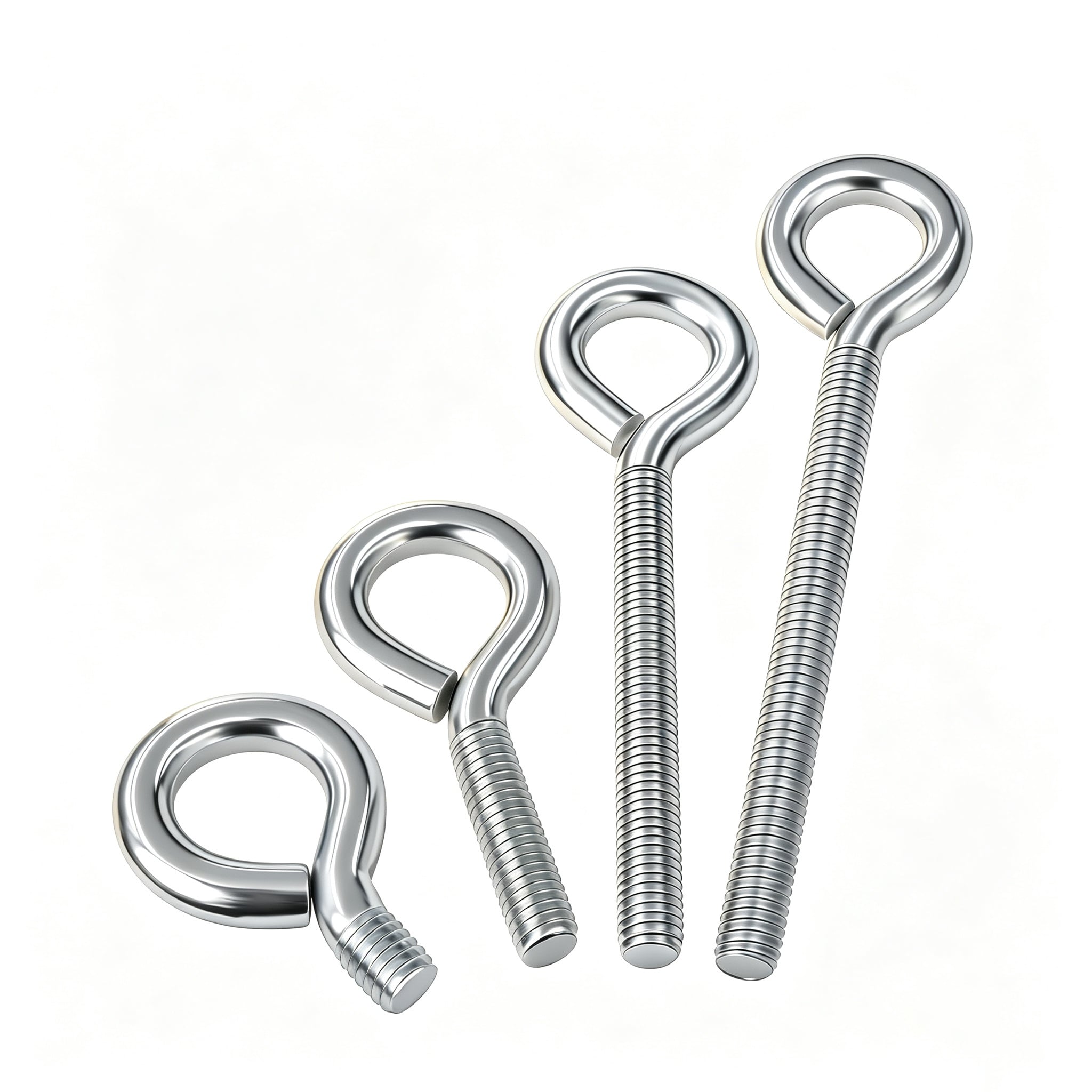
Double Ended Threaded Rod | Secure Fastening

application/double-ended-threaded-rod, application/double-ended-threaded-rod, 
Inquiry
Inquiry

double ended threaded rod

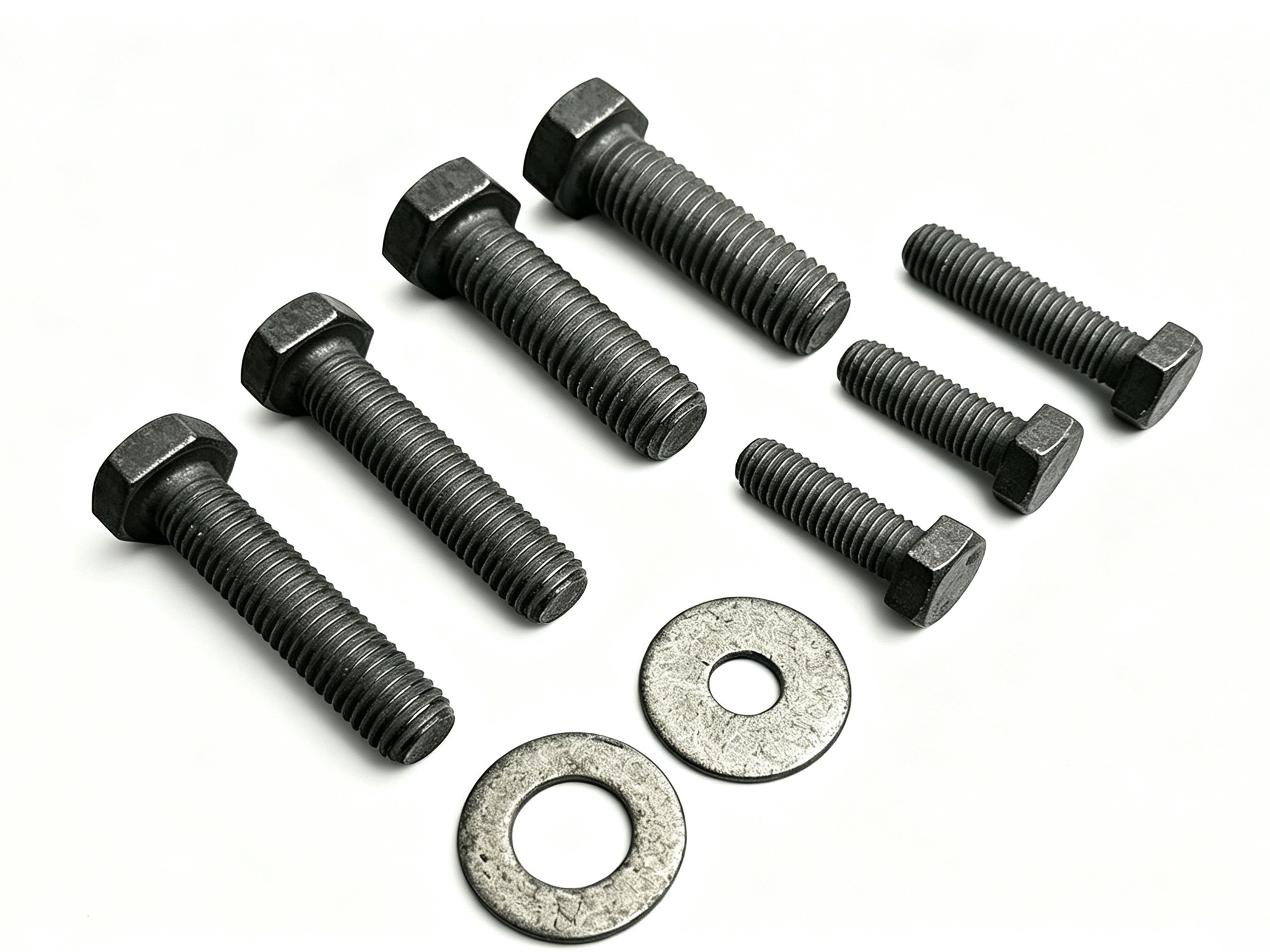
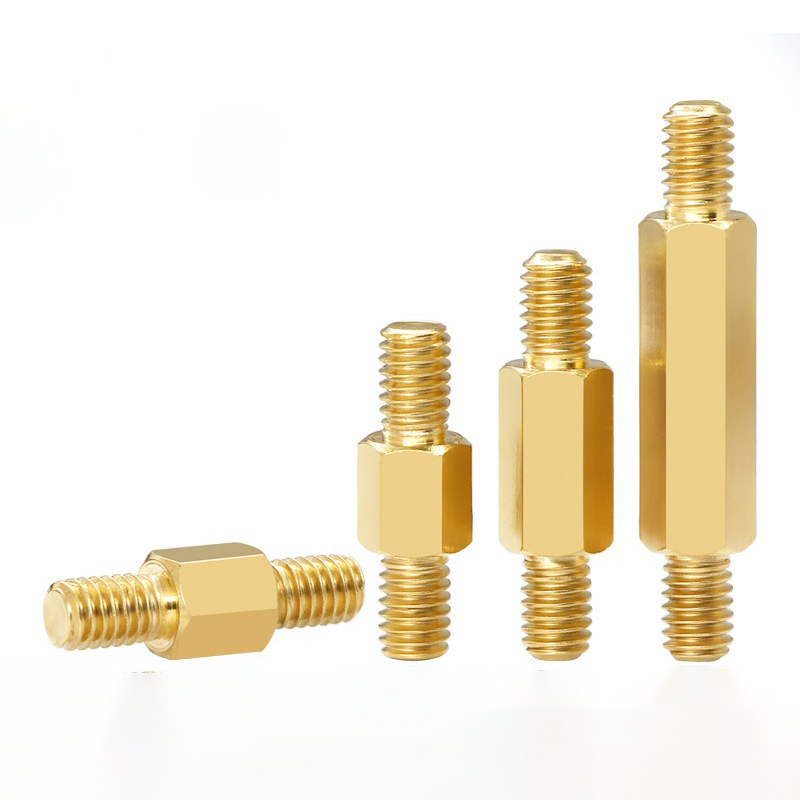
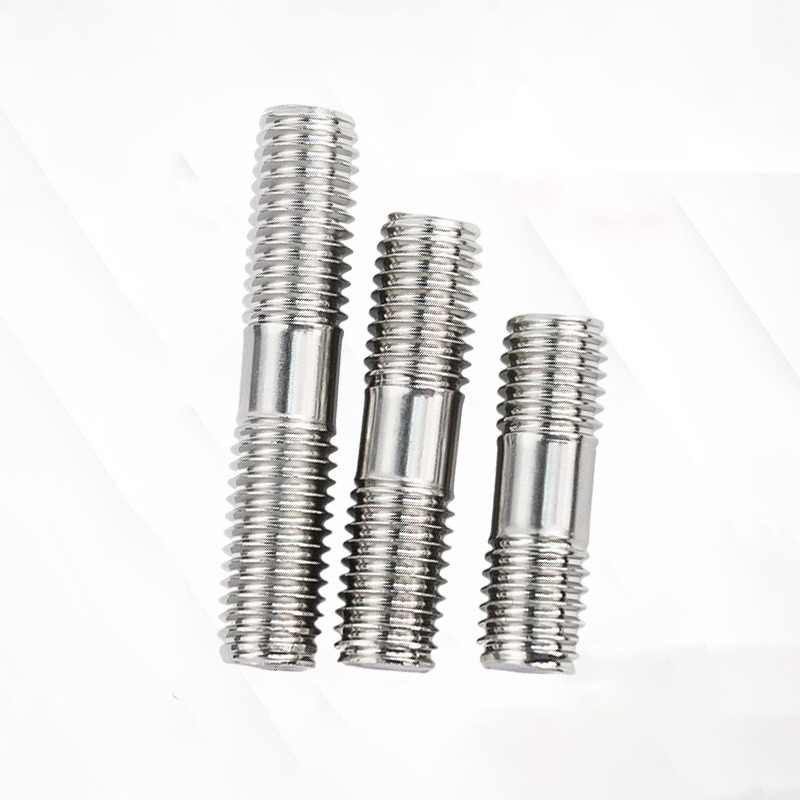
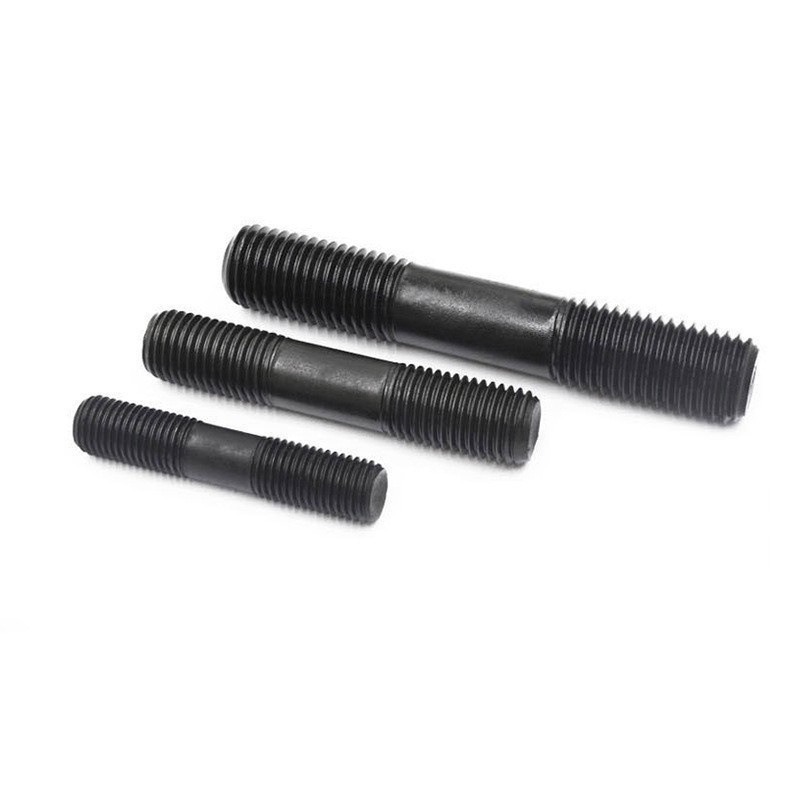
A double ended threaded rod is a straight metal fastener with threads on both ends and a smooth or partially threaded center. The double ended threaded rod joins two components when a standard bolt cannot pass through the full assembly. Installers can place nuts, washers, couplers, or other threaded parts on each end to create a firm connection. This design makes the double ended threaded rod useful for mounting, spacing, alignment, and structural support. Depending on the specification, manufacturers produce the double ended threaded rod from carbon steel, stainless steel, alloy steel, or other corrosion-resistant materials. Surface treatments such as zinc plating can improve protection in humid or outdoor conditions. Thread sizes, lengths, pitch, strength grades, and end configurations vary to suit different equipment and installation needs. Some models use equal thread lengths, while others provide different thread lengths at each end. This flexibility helps the double ended threaded rod fit assemblies with uneven connection depths. The double ended threaded rod also supports accurate positioning because users can adjust nut locations along the threaded sections. It can secure brackets, flanges, panels, pipe supports, machine parts, and fabricated frames. In maintenance work, the double ended threaded rod can replace worn studs or restore a damaged connection without changing the surrounding parts. Buyers should check diameter, total length, thread standard, material grade, surface finish, and load requirements before ordering. A properly selected double ended threaded rod delivers dependable fastening while simplifying installation and future adjustment.
The main advantage of a double ended threaded rod is connection flexibility. Unlike a simple bolt, the double ended threaded rod can connect parts from both sides, which helps when access to one face is limited. Installers can fit nuts and washers at each end, tighten the assembly evenly, and create a stable joint without drilling a long through-hole. The double ended threaded rod also allows controlled spacing. By adjusting the nut position, users can set a bracket, panel, pipe, or machine component at a precise distance from its support. This makes the double ended threaded rod valuable for alignment work, leveling, and repeatable assembly. Another practical benefit is easier replacement. When a stud becomes damaged, technicians can remove the nuts and replace the double ended threaded rod without discarding the connected components. Buyers can also select materials and coatings according to the working environment. Stainless steel suits moisture, washdown areas, and many corrosive settings, while plated steel offers a cost-effective choice for general indoor service. A correctly specified double ended threaded rod can support reliable loads and reduce movement caused by vibration when paired with suitable nuts and washers. The double ended threaded rod helps standardize production because manufacturers can order consistent lengths and thread sizes for repeated assemblies. It works well in construction, equipment manufacturing, electrical installation, pipework, furniture frames, and repair operations. Customers should match the product to the expected load, temperature, exposure, thread compatibility, and installation torque. Choosing the correct double ended threaded rod reduces fitting delays, limits rework, and supports longer service life. It also gives maintenance teams a practical way to adjust or dismantle equipment during inspection. For projects that need clean alignment, dependable clamping, and accessible servicing, the double ended threaded rod offers clear operational value.

Practical Tips

Beyond Galvanizing: How the Sherardizing Process Builds Ultimate Protection for High-End Steel

21

Jul

Beyond Galvanizing: How the Sherardizing Process Builds Ultimate Protection for High-End Steel

Why Sherardizing outperforms galvanizing for high-end steel—extreme corrosion resistance, zero hydrogen embrittlement & self-healing protection.
View More
New Chapter in Sino-Ethiopian Trade Cooperation: Securing a Long-Term Fastener Procurement Agreement

21

Jul

New Chapter in Sino-Ethiopian Trade Cooperation: Securing a Long-Term Fastener Procurement Agreement

How China & Ethiopia secured a long-term fastener supply deal for East Africa's booming industrial sector. Discover reliability, scalability & global impact.
View More
Full Container Ready for Shipment! Premium Fasteners Bound for the U.S. Industrial Market

21

Jul

Full Container Ready for Shipment! Premium Fasteners Bound for the U.S. Industrial Market

Need reliable, ocean-ready fasteners for U.S. industrial buyers? Our full-container shipment delivers certified quality, export-optimized packaging & seamless logistics.
View More

Get a Free Quote

Our representative will contact you soon.
0/1000
Reliable Two-Sided Fastening

Reliable Two-Sided Fastening

The double ended threaded rod creates a secure connection through two independently threaded ends. This arrangement lets users install a nut and washer on each side, so the joint can clamp components evenly and remain stable under normal operating forces. The double ended threaded rod is especially useful where a through-bolt would be too long, difficult to insert, or impossible to access from one direction. Its balanced fastening action can help reduce shifting between brackets, frames, covers, and supports. Buyers can choose thread diameter and strength grade to match the required load and connection size. When assembled with compatible hardware, the double ended threaded rod provides a simple, serviceable joint that technicians can tighten, inspect, and remove. This feature saves time during installation and makes later maintenance less disruptive. It also supports clean assemblies because the rod can remain hidden inside a bracket or between two connected parts. For manufacturers and contractors, two-sided fastening improves design flexibility without adding complicated components.
Accurate Spacing and Alignment

Accurate Spacing and Alignment

The double ended threaded rod does more than hold parts together; it also helps control their position. Installers can turn nuts along the threaded ends to set spacing, level a support, or align a machine component before final tightening. This adjustment function makes the double ended threaded rod useful for pipe supports, suspended equipment, panels, frames, and mounting brackets. Small position changes can correct uneven surfaces and improve the fit of surrounding parts. The double ended threaded rod also helps production teams repeat the same setup across multiple units, supporting consistent assembly quality. Different thread lengths can accommodate components with different thicknesses or connection depths. Buyers benefit from fewer shims, less rework, and faster setup when the selected rod matches the application. Because the position remains adjustable until the nuts are secured, the double ended threaded rod gives installers practical control during difficult field work. This makes it a strong choice wherever accurate alignment matters as much as holding power.
Material and Finish Choices

Material and Finish Choices

A key benefit of the double ended threaded rod is the range of available materials and surface finishes. Carbon steel can provide economical strength for many indoor assemblies, while stainless steel offers better resistance to moisture and corrosion. Plated finishes can add surface protection and extend service life in moderately demanding conditions. The double ended threaded rod can therefore suit construction sites, machinery, outdoor fixtures, washdown areas, and industrial maintenance work. Buyers can select a grade that matches load, temperature, exposure, and budget instead of using one material for every project. The double ended threaded rod is also available in different diameters, lengths, thread pitches, and thread standards, helping users maintain compatibility with existing nuts and tapped parts. Choosing the correct finish reduces premature rust and helps preserve thread quality during repeated servicing. This product flexibility supports better purchasing decisions, lowers replacement risk, and keeps assemblies working reliably. Always verify material certification, dimensions, and corrosion requirements before placing an order.