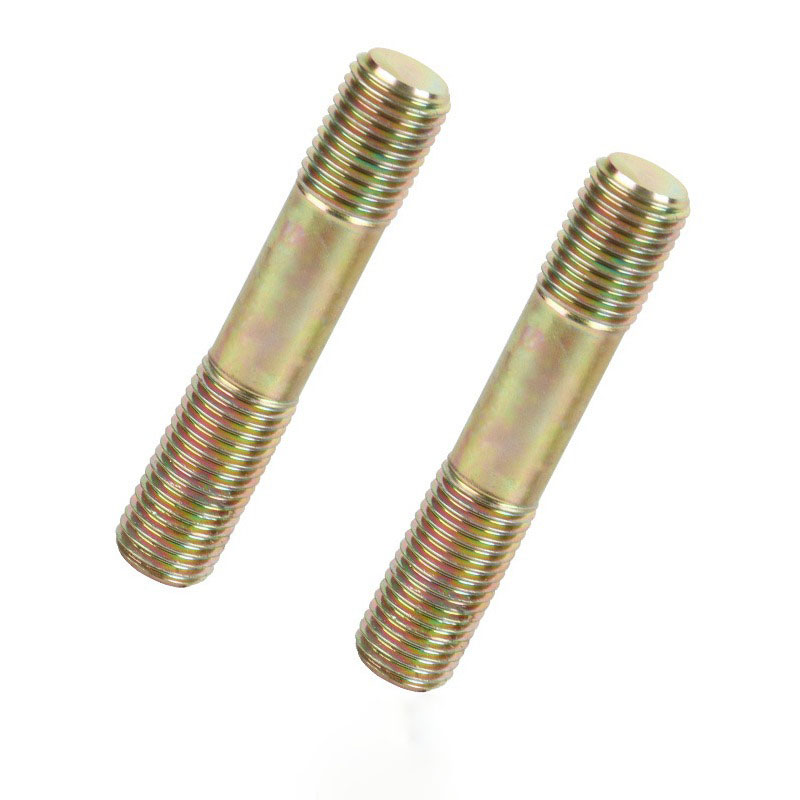
Safety Bolt Solutions for Secure Equipment

application/safety-bolt, application/safety-bolt, 
Inquiry
Inquiry

safety bolt

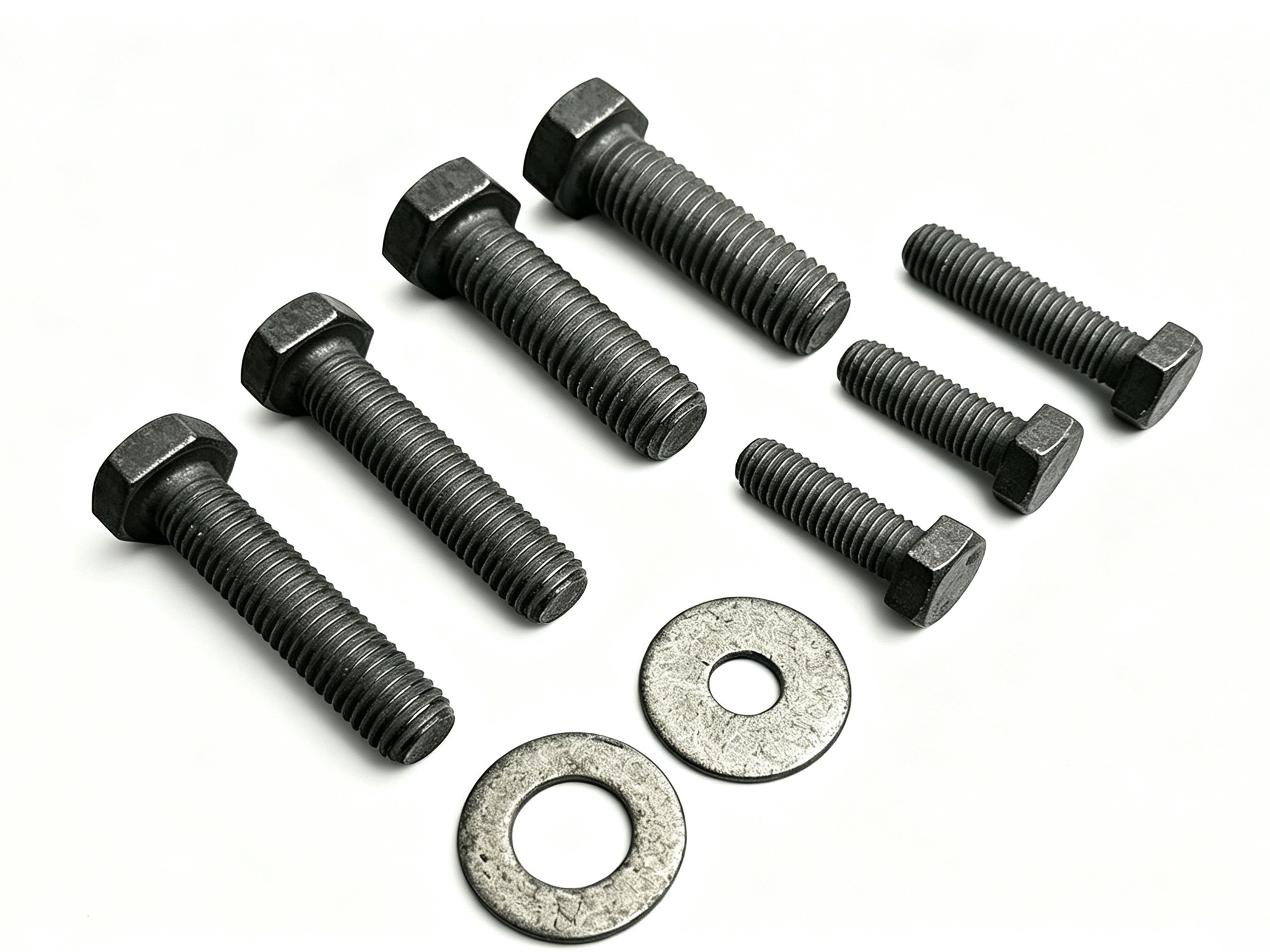
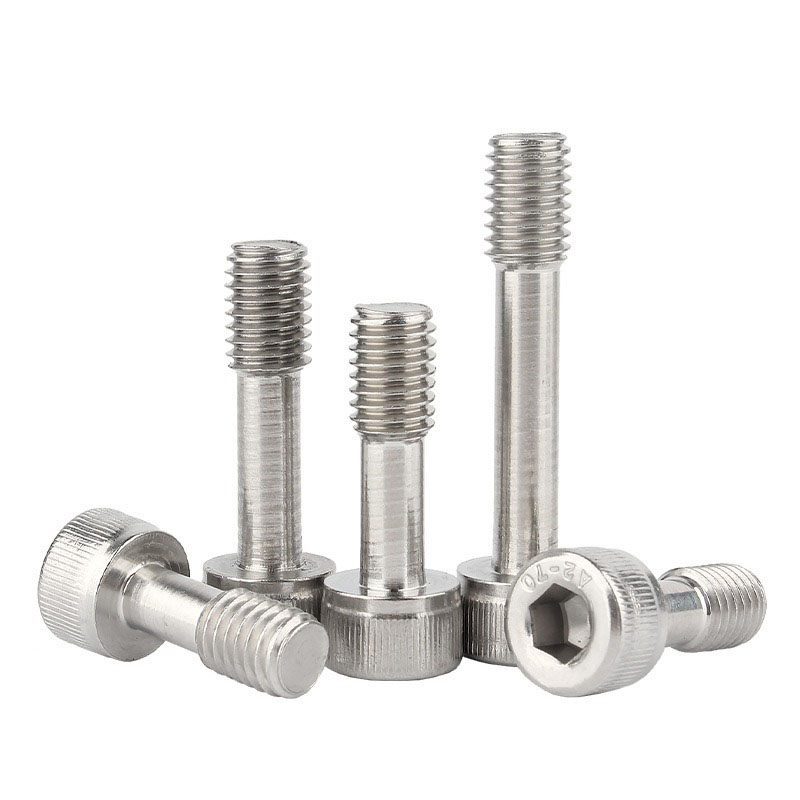
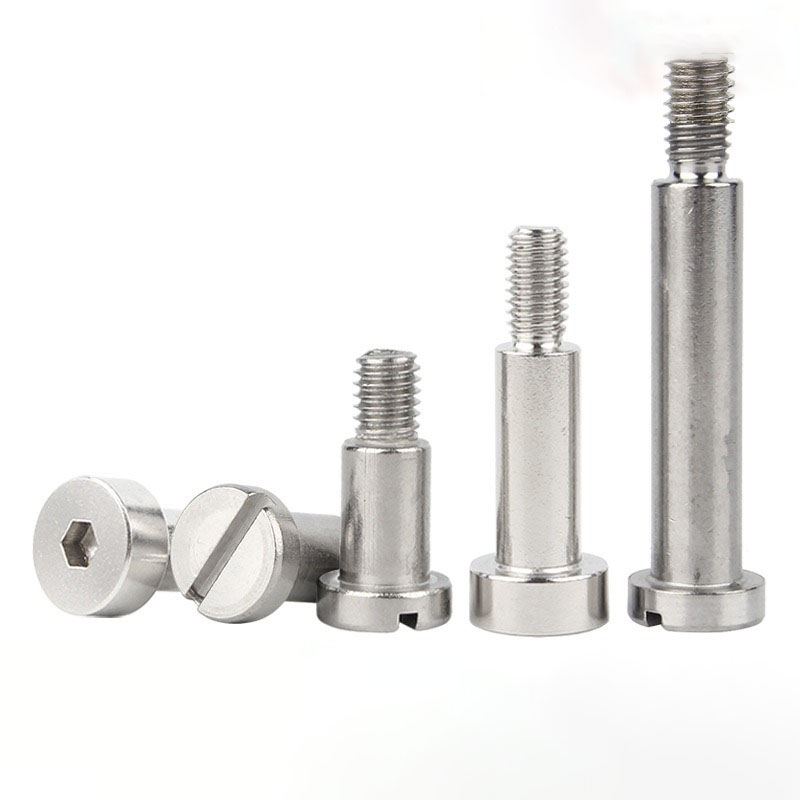
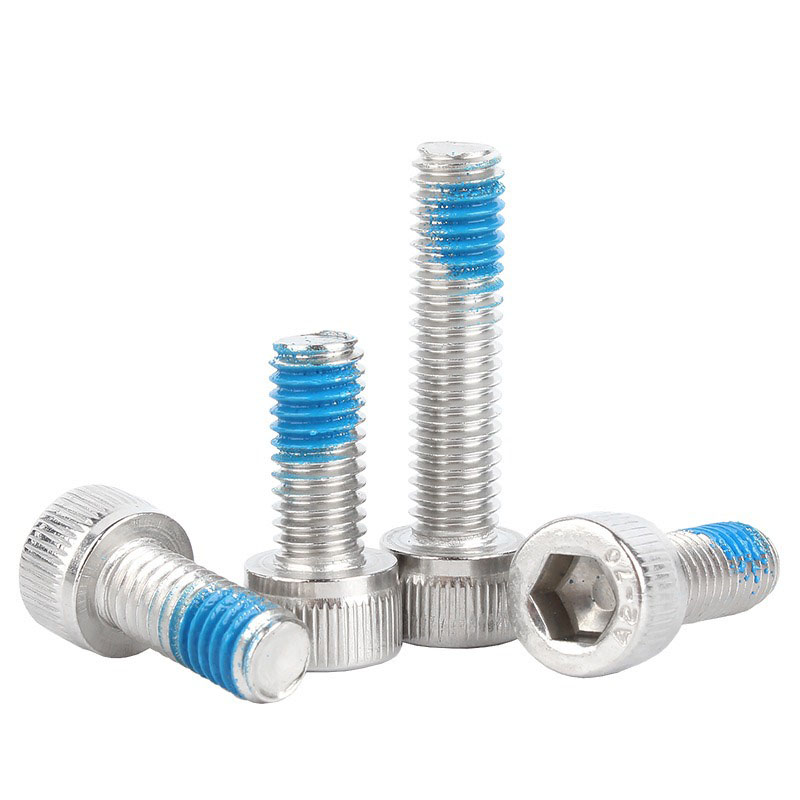
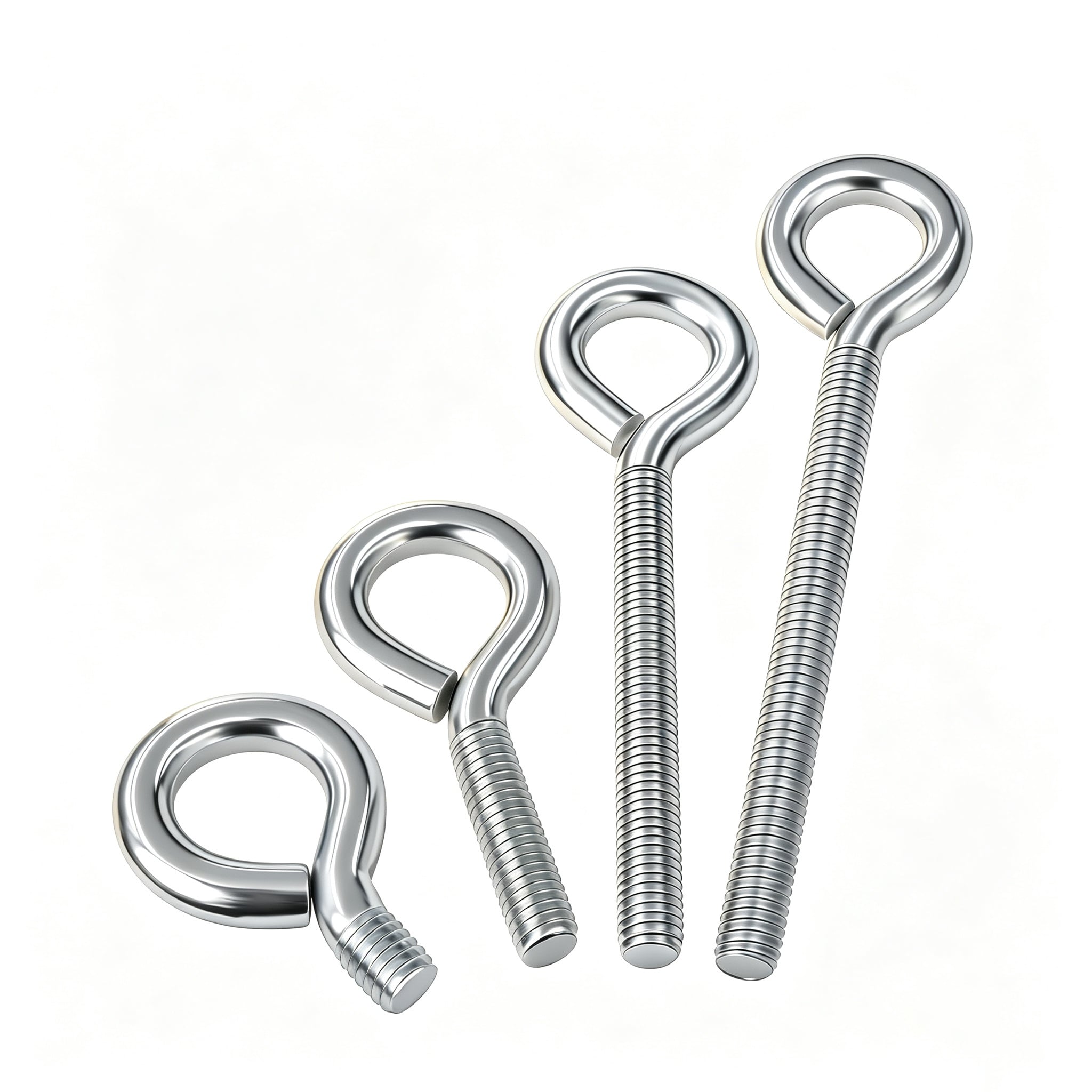
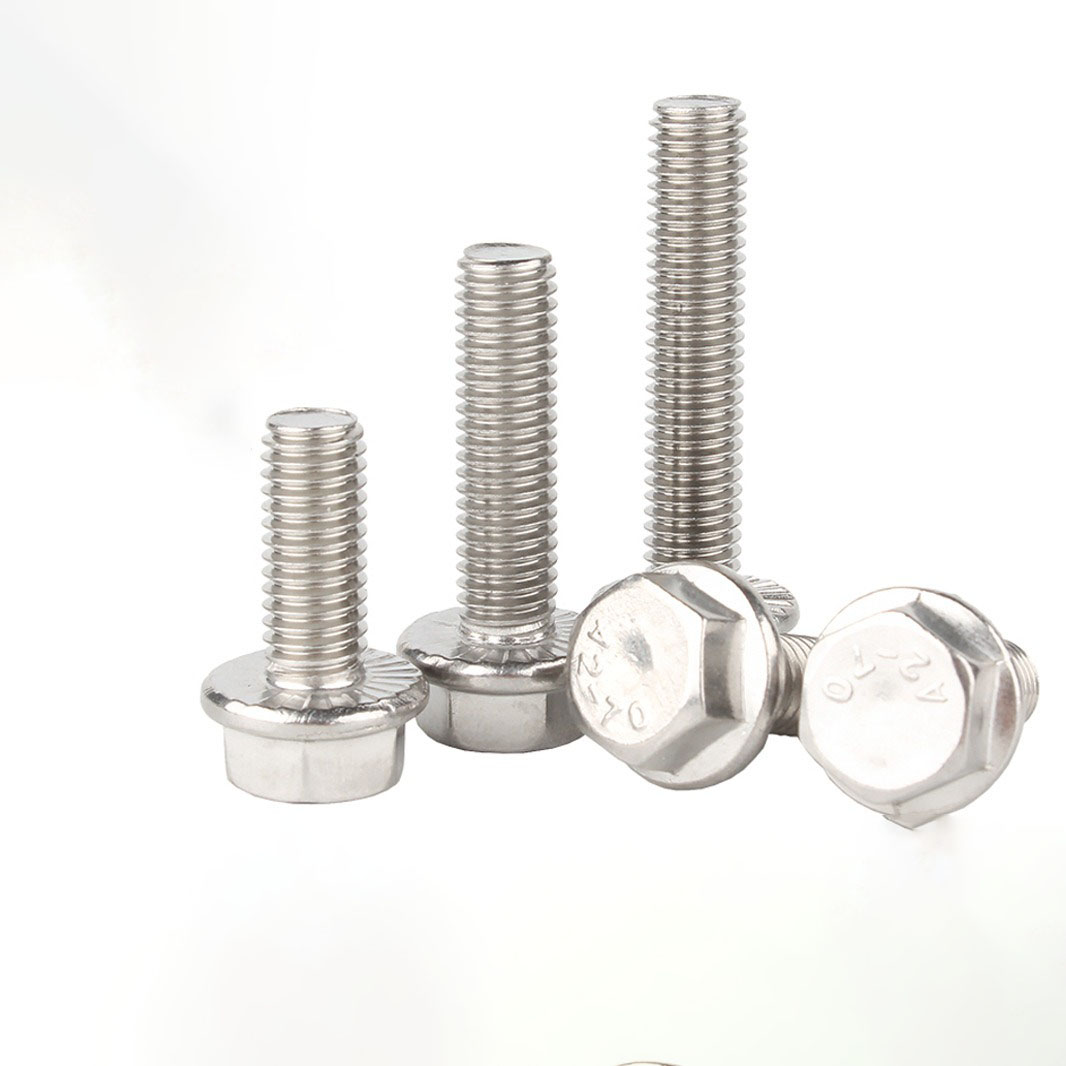
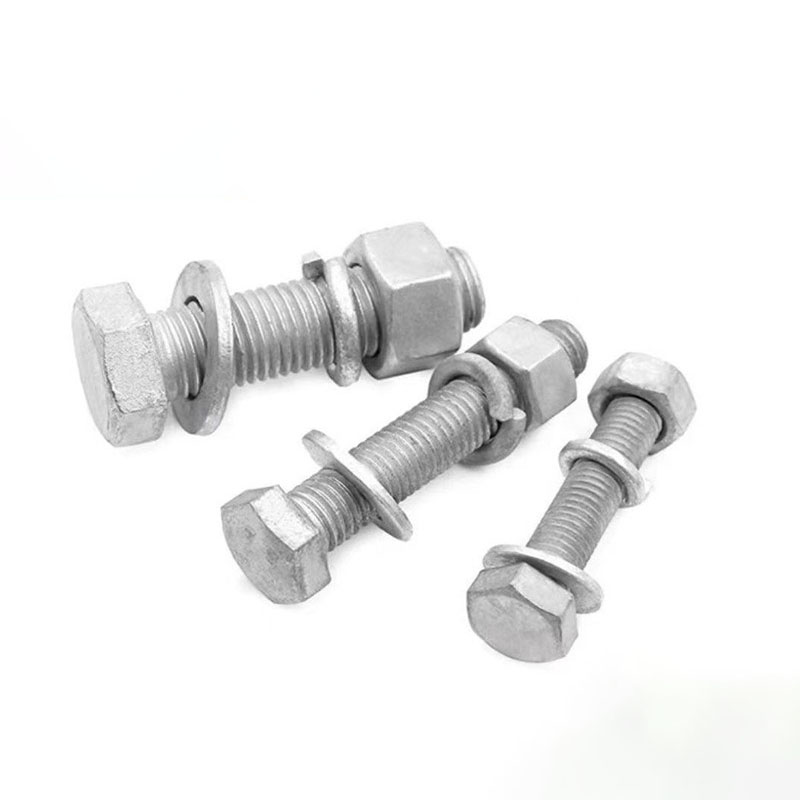
A safety bolt is a fastening and access-control device designed to hold equipment, panels, doors, guards, or service covers securely until an approved release action occurs. Unlike a standard bolt, a safety bolt helps prevent unintended opening, tampering, or movement while allowing authorized personnel to remove or release the secured part. The safety bolt supports safer maintenance, controlled access, and dependable equipment operation in demanding environments. A typical safety bolt uses a hardened steel or stainless steel body, a locking pin, a threaded shaft, or a captive mechanism. Some models include a spring-loaded plunger, visual position indicator, key release, tool release, or electrical monitoring contact. These features help users confirm whether the bolt is engaged and whether a guarded area remains protected. A safety bolt may also connect to an interlock system that stops machinery before access becomes possible. The right safety bolt can resist vibration, impact, corrosion, dirt, and repeated use. Compact designs suit restricted spaces, while heavy-duty versions support large doors and industrial guards. Stainless construction works well in wet, outdoor, food-processing, and washdown locations. A safety bolt can also provide a clear, repeatable locking method that reduces reliance on improvised fasteners. Applications include machine guarding, conveyor systems, electrical cabinets, access hatches, vehicle bodies, loading equipment, warehouse gates, and public infrastructure. A safety bolt is especially useful where users need secure retention, fast authorized access, and visible confirmation of the locked state. By matching the safety bolt type to load, environment, release method, and installation space, buyers can improve protection without complicating daily work.
The main advantage of a safety bolt is simple control: it keeps a panel, gate, or guard in place until a user intentionally releases it. This helps reduce accidental access and gives operators a consistent way to secure equipment. A safety bolt also limits the need for loose screws, temporary pins, or makeshift restraints that can be lost or installed incorrectly. A well-selected safety bolt saves time during inspection and maintenance. Authorized workers can open a guarded area quickly with the specified key, tool, handle, or release system, then secure it again with the same motion. This creates a repeatable process and lowers the risk of leaving a cover unsecured. A safety bolt with a position indicator gives staff an immediate visual check, which supports faster shift handovers and routine inspections. Buyers also gain useful durability. Steel and stainless steel options withstand repeated cycles, vibration, and ordinary impact better than basic hardware. Corrosion-resistant finishes extend service life in humid, outdoor, or washdown conditions. When a safety bolt remains reliable, businesses spend less time replacing failed fasteners and less money responding to avoidable stoppages. The safety bolt can therefore support both protection and equipment availability. Application suitability depends on more than holding force. Buyers should consider door weight, vibration, temperature, contamination, available mounting space, required release speed, and whether electrical status feedback is needed. A safety bolt with a captive pin suits locations where loose parts create a hazard. A monitored safety bolt suits automated machinery where the control system must know whether access is closed. A compact safety bolt works well on cabinets and small covers, while a reinforced version fits larger guards, gates, and hatches. The safety bolt also makes installation and purchasing decisions clearer. Standard mounting patterns, replaceable parts, and common materials can simplify maintenance and stocking. Before selecting a safety bolt, confirm dimensions, load rating, release access, environmental protection, and compatibility with the surrounding system. This practical check helps customers choose dependable hardware that fits the job instead of paying for features they do not need.

Tips And Tricks

Beyond Galvanizing: How the Sherardizing Process Builds Ultimate Protection for High-End Steel

21

Jul

Beyond Galvanizing: How the Sherardizing Process Builds Ultimate Protection for High-End Steel

Why Sherardizing outperforms galvanizing for high-end steel—extreme corrosion resistance, zero hydrogen embrittlement & self-healing protection.
View More
New Chapter in Sino-Ethiopian Trade Cooperation: Securing a Long-Term Fastener Procurement Agreement

21

Jul

New Chapter in Sino-Ethiopian Trade Cooperation: Securing a Long-Term Fastener Procurement Agreement

How China & Ethiopia secured a long-term fastener supply deal for East Africa's booming industrial sector. Discover reliability, scalability & global impact.
View More
Full Container Ready for Shipment! Premium Fasteners Bound for the U.S. Industrial Market

21

Jul

Full Container Ready for Shipment! Premium Fasteners Bound for the U.S. Industrial Market

Need reliable, ocean-ready fasteners for U.S. industrial buyers? Our full-container shipment delivers certified quality, export-optimized packaging & seamless logistics.
View More

Get a Free Quote

Our representative will contact you soon.
0/1000
Controlled Access for Safer Work

Controlled Access for Safer Work

A safety bolt creates a deliberate barrier between people and a protected area. The bolt stays engaged until an authorized person uses the correct release method, such as a key, tool, handle, or controlled mechanism. This simple action reduces accidental opening during machine operation, inspection, transport, or storage. It also helps establish a clear workplace routine: stop the equipment, release the safety bolt, perform the task, and secure the area before restarting. For buyers, this means a safety bolt can improve daily discipline without requiring a complex redesign. The device suits machine guards, electrical enclosures, service panels, and access doors where ordinary hinges or screws do not provide enough control. A visible locking position helps operators check the condition at a glance. When integrated with an interlock or monitoring contact, the safety bolt can support a wider protection system and help prevent operation while access remains open. The result is safer access with a practical, familiar operating method.
Durable Construction for Demanding Conditions

Durable Construction for Demanding Conditions

A safety bolt must perform consistently after repeated opening and closing, exposure to vibration, and contact with dust, moisture, or cleaning chemicals. Strong steel bodies handle everyday mechanical stress, while stainless steel versions provide better resistance to rust and corrosion. Protective finishes can further support outdoor and industrial use. This construction gives the safety bolt a longer working life than light-duty improvised hardware and helps maintain dependable retention over time. The value is practical for both operators and purchasing teams. A durable safety bolt reduces unplanned replacement, limits maintenance interruptions, and keeps guards or covers aligned during use. It can suit production lines, conveyors, mobile equipment, vehicle compartments, loading systems, and outdoor cabinets. Buyers should match material and surface treatment to the environment rather than choosing by appearance alone. In wet or washdown areas, stainless steel may provide the best service value. In dry indoor applications, plated steel may deliver the required strength at a lower cost.
Flexible Designs That Fit Real Equipment

Flexible Designs That Fit Real Equipment

Every installation has different space, access, and control requirements, so a single fastening style cannot solve every problem. A safety bolt may use a threaded body, captive pin, spring action, key release, tool release, or electrical status contact. Compact models fit small panels and cabinets, while reinforced designs support large guards, doors, and hatches. This range lets buyers select a safety bolt according to load, movement, release frequency, and available mounting space. Flexible design also simplifies future service. Captive parts remain attached to the assembly, reducing the chance of lost hardware during maintenance. A monitored version can send an open or closed signal to a control system, while a basic manual version may be sufficient for a storage gate or access cover. By choosing only the features required for the application, customers can avoid unnecessary cost and installation work. The safety bolt becomes a focused solution that supports secure retention, efficient access, and easier equipment maintenance.