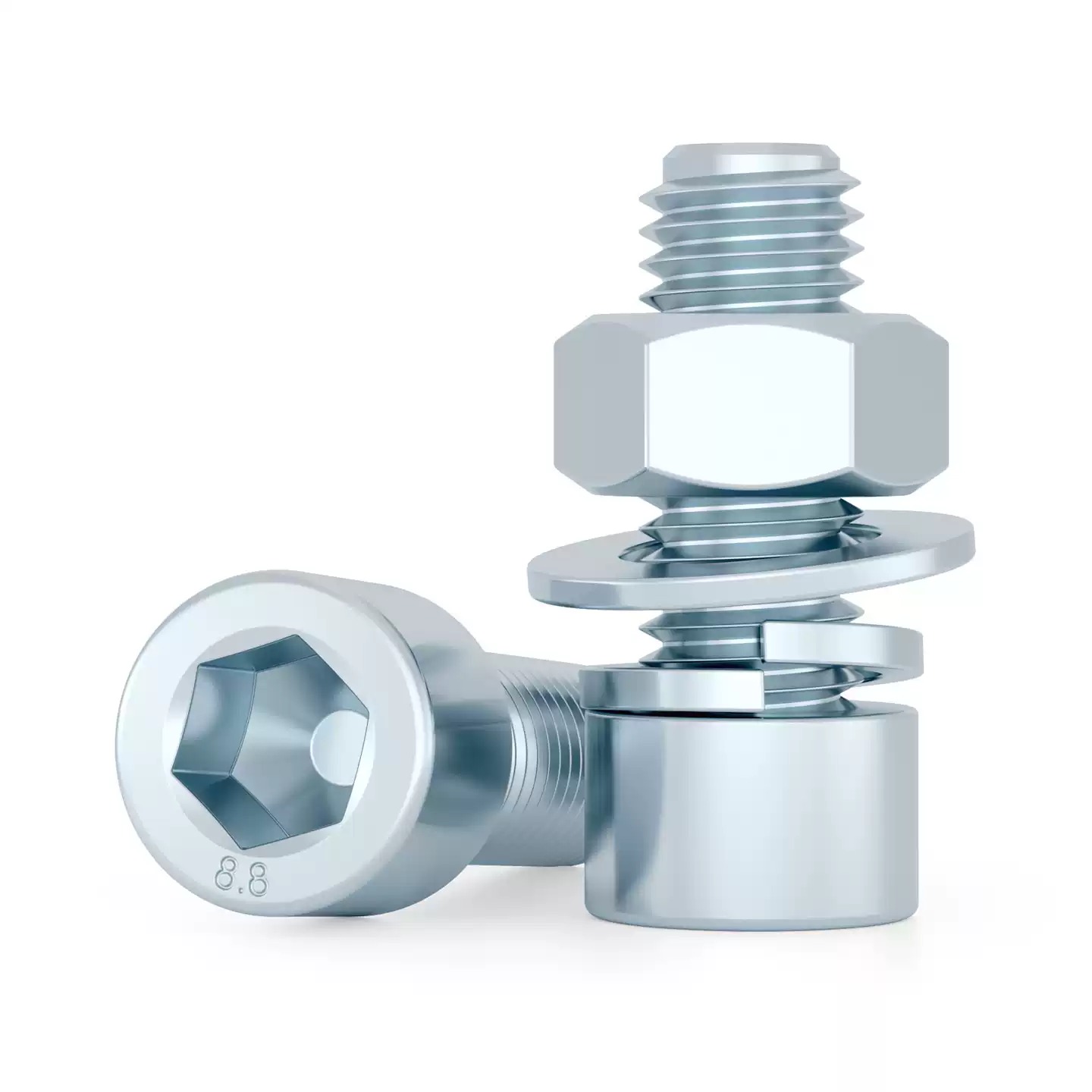
Wedge Anchor Fastener | Concrete Fixings

application/wedge-anchor-fastener, application/wedge-anchor-fastener, 
Inquiry
Inquiry

wedge anchor fastener

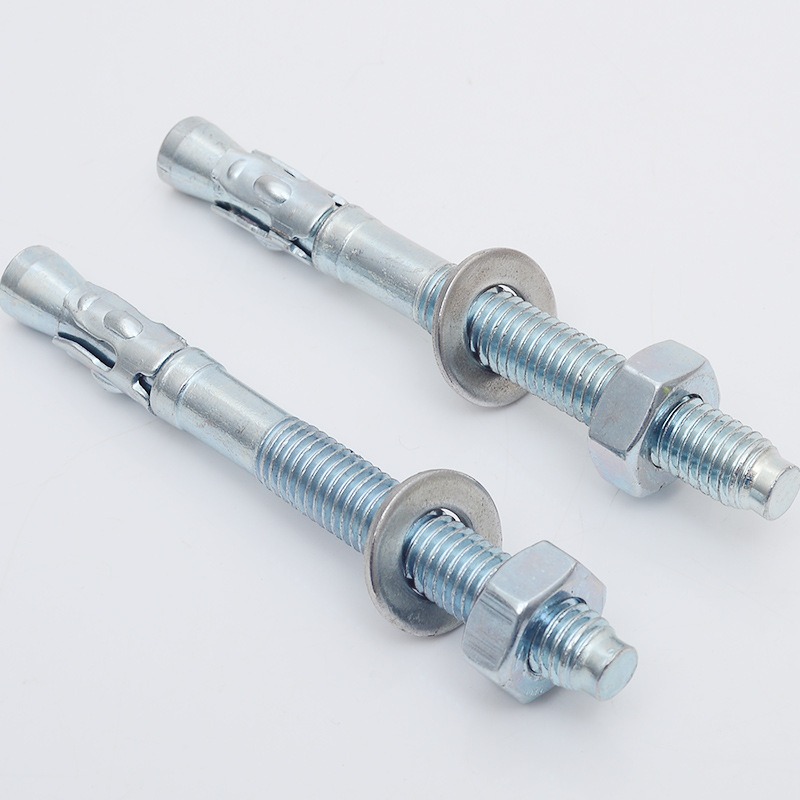
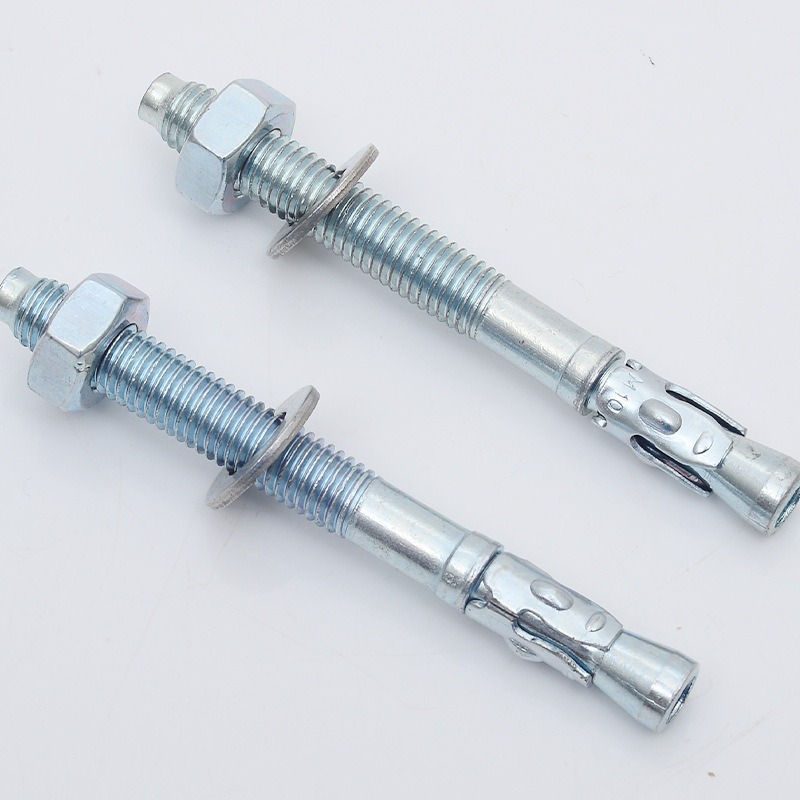
A wedge anchor fastener is a heavy-duty concrete fixing used to secure equipment, frames, rails, barriers, and structural components to solid masonry. It creates a strong mechanical connection by expanding inside a drilled hole. When the nut tightens, the threaded stud pulls a wedge into the anchor body, pressing the expansion clip against the hole wall. This simple action gives the wedge anchor fastener reliable holding power without adhesives or curing time. For contractors, the wedge anchor fastener provides a practical way to install permanent fixings in concrete quickly and consistently. The fastener normally includes a threaded stud, expansion clip, nut, and washer. Carbon steel versions suit many indoor jobs, while stainless steel and coated options offer better protection in damp, outdoor, or corrosive environments. The wedge anchor fastener works best in sound, solid concrete because its expansion mechanism needs a firm base. During installation, the operator drills a hole to the specified diameter and depth, cleans away dust, inserts the anchor, and tightens the nut to the recommended torque. The wedge anchor fastener then develops a secure grip through direct expansion. Its design supports tension and shear loads, making it useful for overhead, vertical, and horizontal installations. Product ranges include different diameters, lengths, thread sizes, and material grades. This lets buyers match the wedge anchor fastener to the fixture thickness, expected load, and site conditions. For dependable results, users should check concrete quality, edge distance, spacing, and approved load data. Overall, the wedge anchor fastener combines straightforward installation, strong retention, and broad construction suitability in one dependable fastening solution.
The main advantage of a wedge anchor fastener is dependable performance in solid concrete. Its expansion action creates a firm mechanical hold, so users can secure heavy fixtures without waiting for resin, grout, or other bonding materials to cure. This helps crews complete more work during each shift. A wedge anchor fastener also gives installers a clear, repeatable process. Drill, clean, insert, and tighten operations are easy to understand, which reduces training time and supports consistent site results. Because the connection develops through tightening, workers can check the nut and washer visually after installation. For buyers, the wedge anchor fastener offers useful product flexibility. Different diameters and lengths support light brackets, handrails, machinery bases, cable trays, sign supports, and structural steel. Carbon steel models can provide an economical choice for protected interiors, while zinc-plated, hot-dip galvanized, or stainless options help address moisture and exposure. Selecting the right finish can extend service life and reduce replacement work. The wedge anchor fastener suits projects where speed, strength, and immediate load support matter. It performs well in new construction, plant maintenance, commercial fit-outs, infrastructure work, and repair applications. The installer does not need special dispensing tools, mixing equipment, or electrical power beyond the drilling setup. A wedge anchor fastener can therefore simplify logistics and reduce the number of materials carried to the job. It also supports a neat installation because the fixture sits close to the concrete surface and the threaded end accepts a standard nut. Before purchase, compare anchor diameter, embedment depth, fixture thickness, material grade, approved loads, and environmental conditions. The right wedge anchor fastener can lower installation effort while improving confidence in the completed connection.

Latest News

Beyond Galvanizing: How the Sherardizing Process Builds Ultimate Protection for High-End Steel

21

Jul

Beyond Galvanizing: How the Sherardizing Process Builds Ultimate Protection for High-End Steel

Why Sherardizing outperforms galvanizing for high-end steel—extreme corrosion resistance, zero hydrogen embrittlement & self-healing protection.
View More
New Chapter in Sino-Ethiopian Trade Cooperation: Securing a Long-Term Fastener Procurement Agreement

21

Jul

New Chapter in Sino-Ethiopian Trade Cooperation: Securing a Long-Term Fastener Procurement Agreement

How China & Ethiopia secured a long-term fastener supply deal for East Africa's booming industrial sector. Discover reliability, scalability & global impact.
View More
Full Container Ready for Shipment! Premium Fasteners Bound for the U.S. Industrial Market

21

Jul

Full Container Ready for Shipment! Premium Fasteners Bound for the U.S. Industrial Market

Need reliable, ocean-ready fasteners for U.S. industrial buyers? Our full-container shipment delivers certified quality, export-optimized packaging & seamless logistics.
View More

Get a Free Quote

Our representative will contact you soon.
0/1000
Strong Expansion Grip for Solid Concrete

Strong Expansion Grip for Solid Concrete

A wedge anchor fastener delivers its holding force through direct expansion rather than chemical bonding. After the installer places the anchor into a prepared hole, tightening the nut pulls the internal wedge into the expansion clip. The clip presses firmly against the concrete, creating resistance against pullout and sideways movement. This makes the wedge anchor fastener a practical choice for mounting items that must remain stable under everyday vibration or working loads. The system also gives the installer immediate feedback: correct tightening seats the fixture and secures the connection without a curing delay. For customers, this means faster handover and less waiting between installation stages. The wedge anchor fastener performs especially well in sound, solid concrete where the hole diameter and embedment depth match the manufacturer’s requirements. It is suitable for base plates, handrails, guardrails, machinery supports, and equipment frames. Proper spacing and edge distance remain important, but the mechanical grip provides a dependable foundation for many demanding fixing tasks.
Fast Installation with Simple Site Procedures

Fast Installation with Simple Site Procedures

A wedge anchor fastener supports an efficient installation routine that most construction teams can adopt quickly. The worker drills the required hole, removes dust and loose material, inserts the anchor, places the fixture, and tightens the nut. This uncomplicated sequence reduces handling steps and avoids the mixing, dispensing, and cure times associated with adhesive systems. The wedge anchor fastener therefore helps contractors keep schedules moving when many fixing points must be completed in one day. Its standard nut-and-washer arrangement also makes inspection straightforward. Supervisors can check visible seating, thread engagement, and tightening during routine quality control. A wedge anchor fastener does not require a separate chemical cartridge or specialized injection gun, which can simplify storage and jobsite transport. Buyers may also benefit from lower installation labor when teams repeat the same process across brackets, rails, frames, and supports. Correct drilling, hole cleaning, embedment, and torque remain essential. When workers follow the product instructions, the wedge anchor fastener offers a practical balance of speed, control, and dependable field performance.
Material and Size Options for Broader Applications

Material and Size Options for Broader Applications

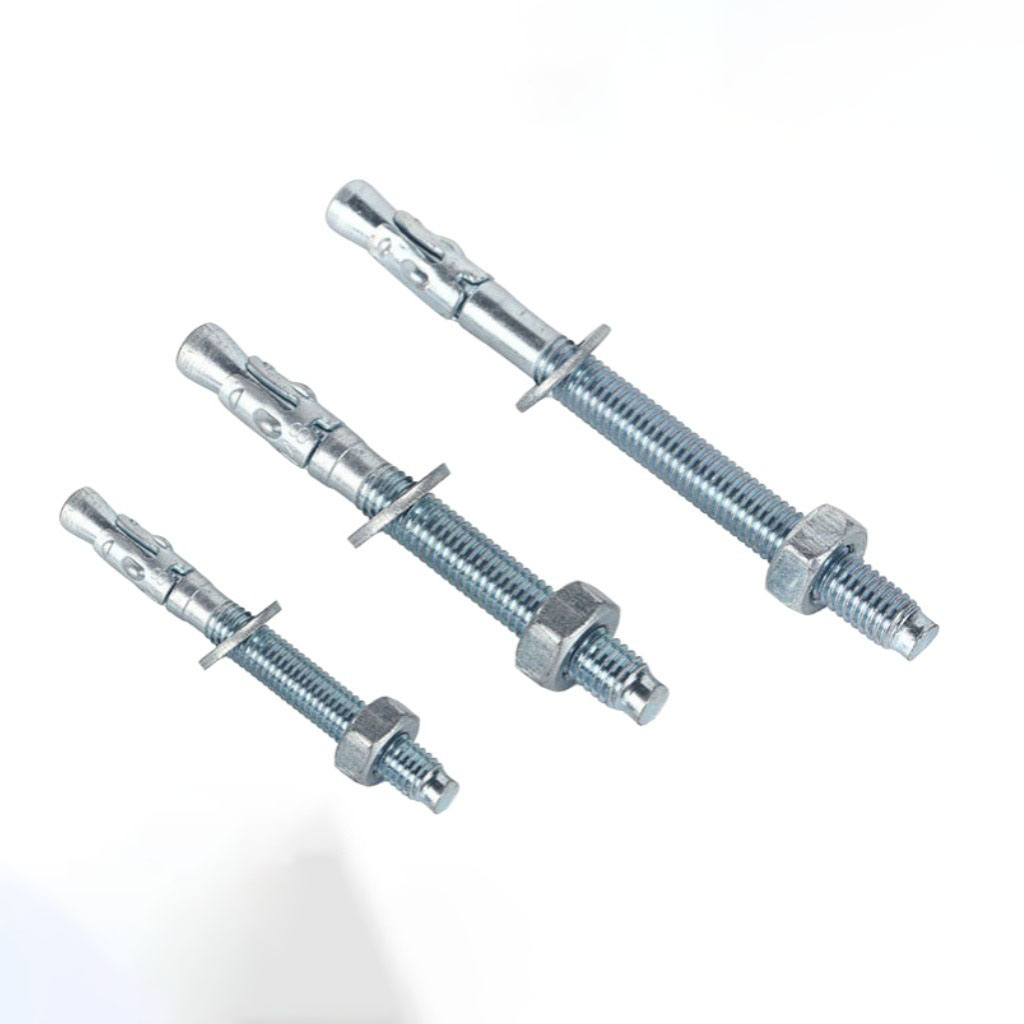
A wedge anchor fastener is available in multiple diameters, lengths, thread configurations, and steel grades, allowing buyers to specify a solution for the actual job rather than rely on one universal size. Shorter models can suit thinner fixtures, while longer versions provide the embedment needed for heavier components or thicker base plates. The wedge anchor fastener can also be selected in carbon steel for protected indoor locations, zinc-plated or galvanized steel for improved environmental resistance, and stainless steel for demanding moisture or corrosion conditions. This range helps customers balance purchase cost, service life, and site exposure. A wedge anchor fastener may support applications such as shelving, cable management, duct supports, safety barriers, signs, industrial equipment, and structural attachments. The correct choice depends on concrete strength, load direction, fixture thickness, edge distance, spacing, and local exposure. Reviewing technical data before ordering helps prevent undersizing, wasted material, and avoidable rework. With the right specification, the wedge anchor fastener provides a durable and economical fixing option for diverse construction and maintenance needs.