EN

How Do Bolts Support Reliable Industrial Construction Solutions?
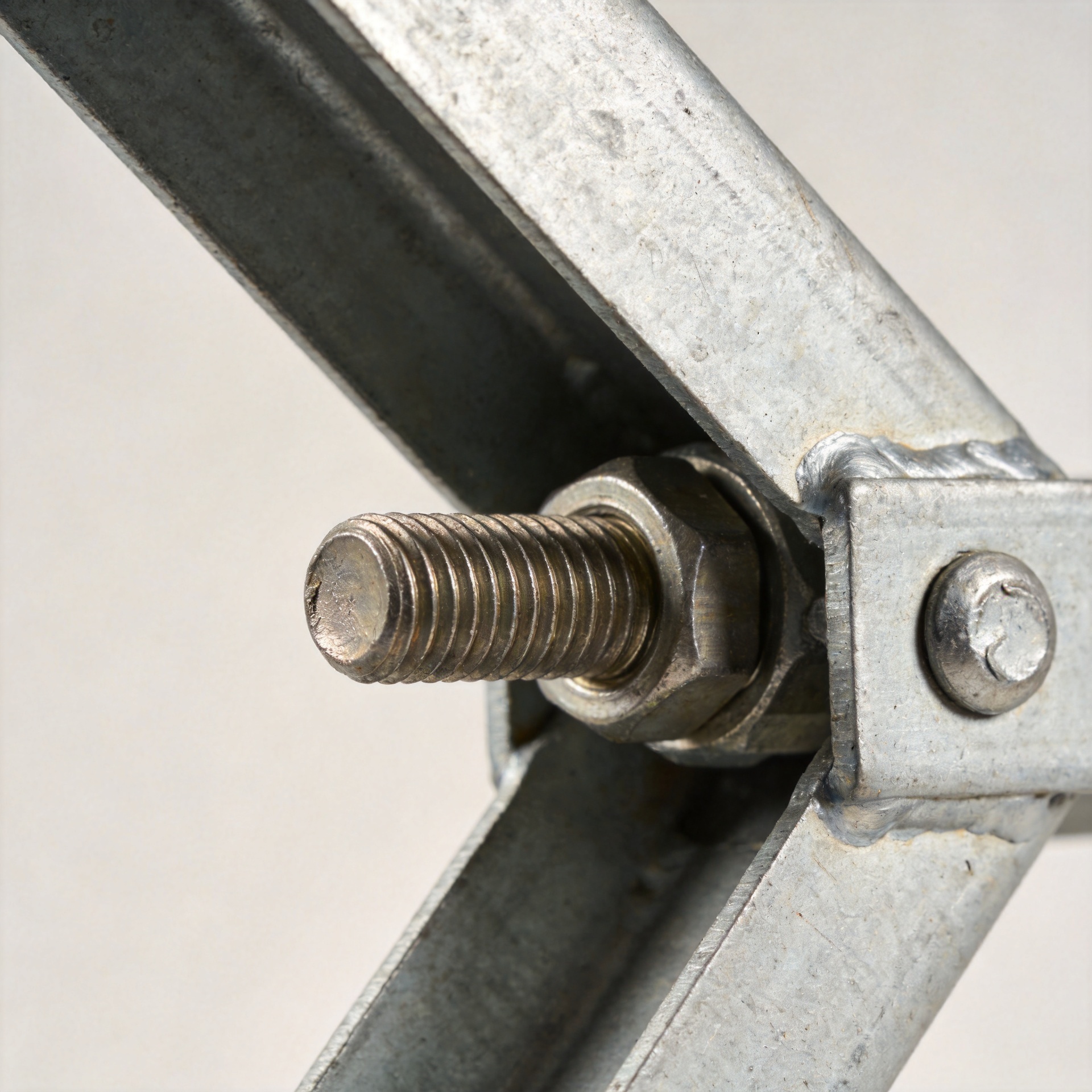
In industrial construction, bolts do much more than hold two parts together. They create clamping force across a joint, transfer load through a planned connection, and help an assembly remain serviceable through installation, vibration, weather, and maintenance. A reliable bolt solution therefore starts with the joint, not with a catalog listing. As a fastener-selection engineer, I first look at load, joint geometry, environment, and installation method before I compare individual bolts.
That distinction matters because a construction bolt that looks suitable on paper can perform poorly when its material, thread engagement, coating, nut, washer, or tightening process does not match the job. Reliable industrial construction solutions use bolts as part of a controlled system: the drawing defines the connection, the specification defines acceptable materials and dimensions, and the site team verifies the installed condition.
Why Bolts Matter in Industrial Construction
Bolts create a removable mechanical connection between structural members, equipment supports, brackets, pipe supports, guards, and modular assemblies. Unlike a welded connection, a bolted joint can often be inspected, adjusted, or disassembled when the work requires it. This makes bolts useful where transport, staged erection, future access, or component replacement affects the project plan.
The practical role of bolts is to develop and retain adequate clamp load while the joint carries its design actions. Sufficient preload helps keep joined surfaces from moving relative to each other; relative movement can contribute to fretting wear and fatigue in applicable joints. The correct target, however, is project-specific. Engineers should use the governing drawing, connection design, and applicable installation procedure rather than apply one generic torque value to every industrial bolt.
For this reason, a reliable bolt is not simply the highest-strength item available. Strength class, diameter, length, thread form, bearing area, and mating hardware must work together. A larger or stronger construction bolt may add cost or installation difficulty without solving a mismatch in the connection design.
How a Bolt Solution Turns Design Intent into a Reliable Joint
1. Match bolts to the load path and joint geometry
Start with what the connection must do: resist tension, shear, cyclic loading, or a combination of these. The bolt diameter, grip length, thread location, head style, and nut engagement should support that load path. In a steel connection, the drawing may also set hole type, washer arrangement, and connection category. These details are not interchangeable, even when two bolts share a nominal diameter.
A useful review question is: where will the load travel after the bolts are tightened? If the answer depends on several plates remaining in firm contact, clamp load and surface condition deserve as much attention as the bolt grade. If the joint sees vibration, temperature movement, or repeated loading, the assembly needs an approach that addresses those conditions rather than relying on a generic industrial bolt selection.
2. Choose material and surface protection for the exposure
Material selection should reflect the actual service environment. Carbon steel, alloy steel, and stainless steel bolts each have different suitability boundaries. Indoor machinery supports, outdoor structural work, humid processing areas, and coastal locations do not create the same corrosion demand. A coating choice also affects friction during tightening, so it should be considered together with the installation method.
For example, a construction bolt intended for an exposed steel frame may require a different corrosion strategy from bolts used inside a dry equipment enclosure. It is tempting to specify the most elaborate coating everywhere, but a sensible bolt solution balances expected exposure, required service life, assembly behavior, and project cost. Ask the supplier what coating system applies to the quoted item and how that choice interacts with the specified tightening process.
3. Control installation instead of treating torque as a shortcut
Bolts deliver their intended value only after correct installation. Lubrication, coating, tool calibration, seating surfaces, and tightening sequence can all influence the tension developed in a bolted connection. Torque can be part of a procedure, but it is not a universal substitute for a project-approved installation and inspection plan.
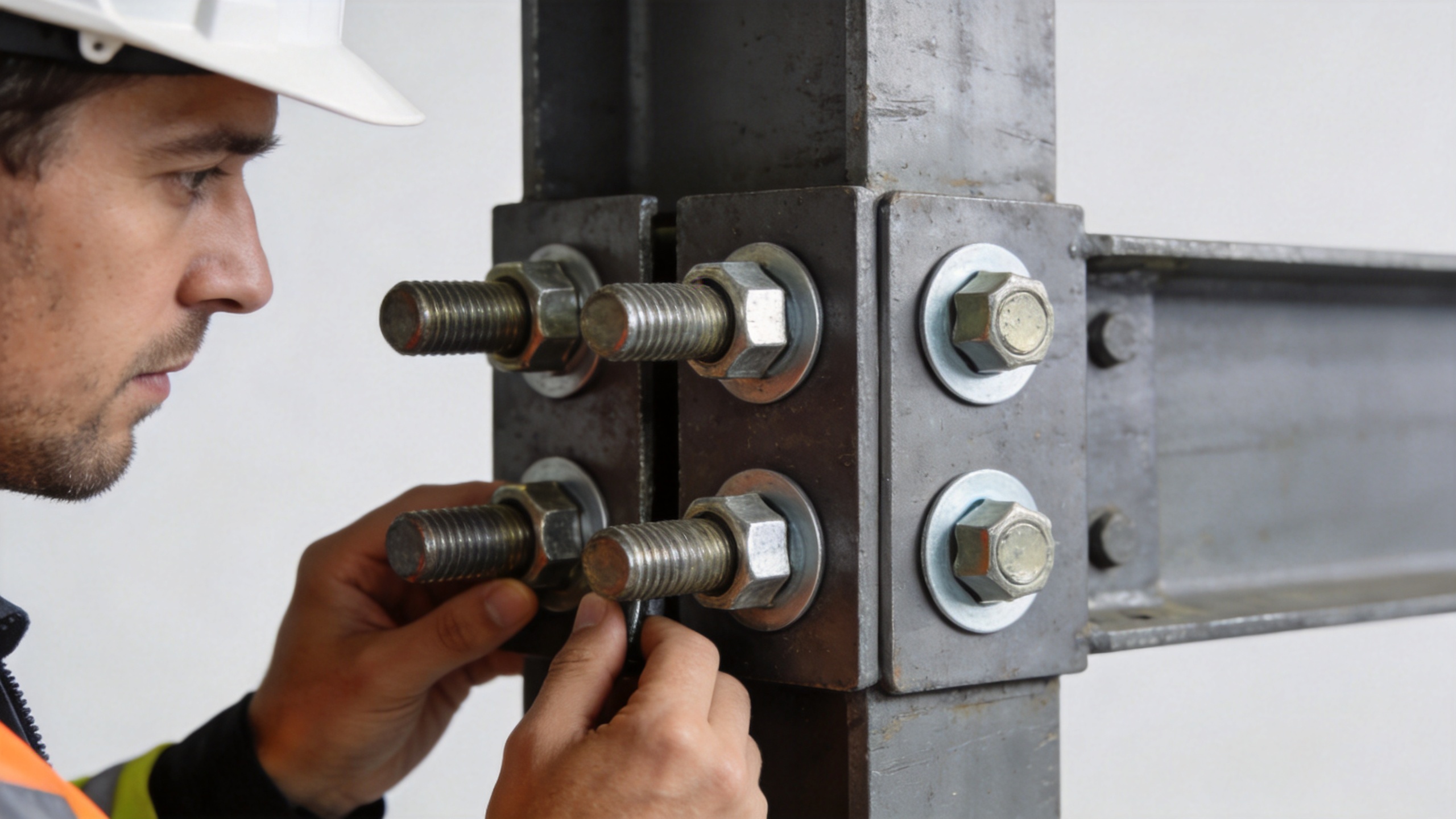
Construction teams should establish a repeatable process: confirm the right bolts and accompanying hardware, inspect mating surfaces, use the specified installation method, and document the checks required by the project. Where high-strength structural bolts are involved, the responsible engineer or quality team should define the inspection approach. This gives the project a reliable bolt process rather than a collection of individually purchased parts.
Key Procurement Checks for Industrial Bolt Reliability
Many connection problems originate before site installation. A procurement package for bolts should make the following points clear:
- Specification alignment: identify the required standard, grade or property class, dimensions, thread, finish, and any marking requirement.
- Assembly completeness: state whether nuts, washers, and any locking elements are supplied as a matched set.
- Traceability: request lot identification and the material or inspection documents required by the project.
- Dimensional control: confirm tolerances, thread fit, and coating requirements before bulk delivery.
- Sample verification: when the connection is critical, test the intended construction bolt assembly under the relevant procedure before release.
This is where an industrial bolt supplier should add practical value. Qingdao Jeekuu Hardware Products Co., Ltd. states that it supports products aligned with DIN, ISO, and ASTM requirements, multiple material options, surface treatments, batch traceability, shipment inspection, and material certificates when applicable. Buyers should still compare those capabilities with their own drawings, standards, and documentation needs before approving a bolt solution.
Common Gaps That Reduce Bolt Reliability
One common gap is treating a bolt as a standalone item. The bolt may meet the stated grade, yet the selected nut, washer, coating, or hole condition may not support the intended joint behavior. Another gap is changing an approved construction bolt source without reviewing batch consistency, dimensions, and documentation. A third is assuming that installation crews can resolve a design ambiguity in the field.
In practice, reliability improves when responsibilities are explicit. The design team defines the joint requirement; procurement locks down the purchase description; the supplier confirms what will be delivered; and the installation team follows an approved method. If a substitution is proposed, review the entire assembly rather than only the bolt head marking or price.
A Practical Selection Sequence
- Read the connection drawing and identify load, access, exposure, and inspection requirements.
- Select bolts, nuts, washers, material, and finish that match the stated specification.
- Confirm the construction bolt dimensions and thread configuration against the joint stack-up.
- Obtain required lot, material, and inspection documentation before installation.
- Use the project’s installation method and record the required verification checks.
This sequence helps procurement teams avoid a false choice between speed and control. Standard bolts can simplify sourcing when they meet the job’s requirements, while custom dimensions or finishes may be appropriate when the connection has a defined technical need. The important point is to make that decision from the joint requirements, not from a generic product label.
Conclusion
Bolts support reliable industrial construction solutions by converting engineering intent into a controlled, inspectable connection. The reliable outcome comes from compatible bolts and mating hardware, material and coating choices suited to the environment, a defined installation process, and documentation that follows the delivered lot. When these elements are coordinated, each bolt contributes to a connection that is easier to review, install, and maintain throughout the project lifecycle.