Brass Threaded Rod: Uses, Benefits and Specs

application/brass-threaded-rod, application/brass-threaded-rod, 
Inquiry
Inquiry

brass threaded rod

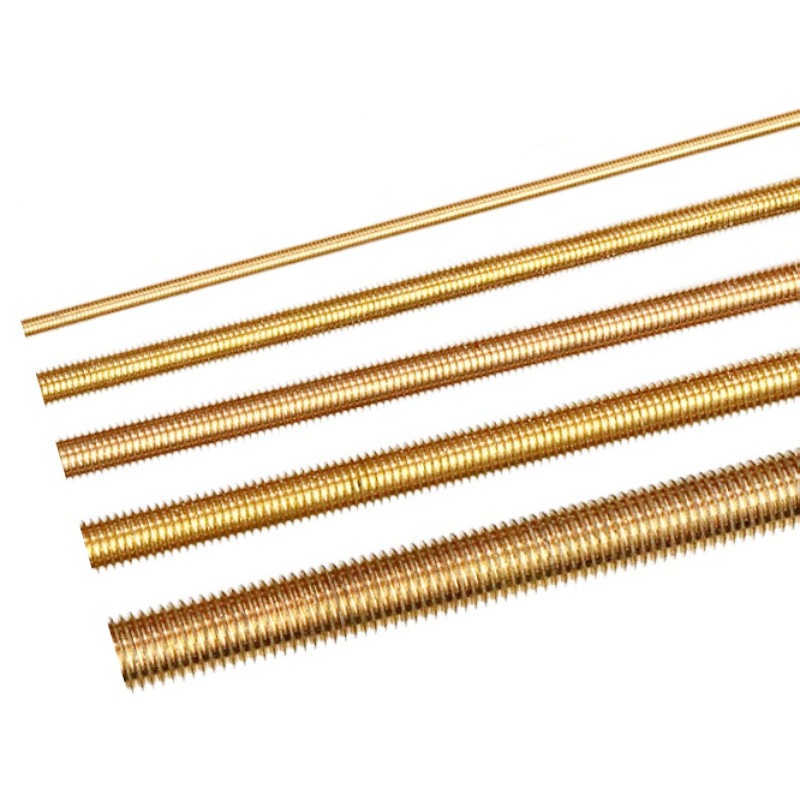
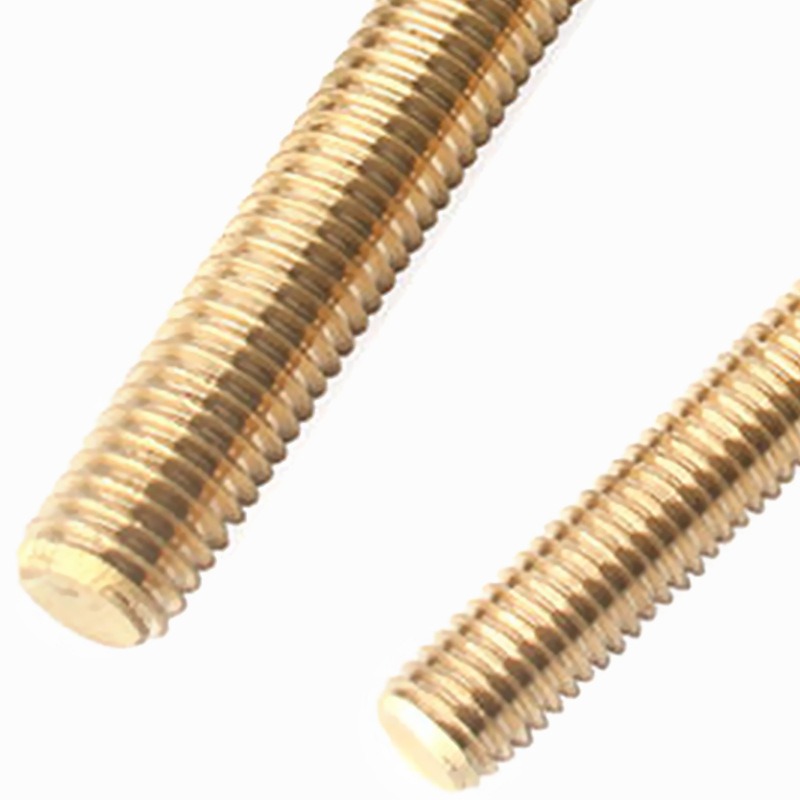
A brass threaded rod is a straight metal fastener with continuous external threads along its length. It connects, supports, spaces, or secures parts when a standard bolt cannot provide enough length. The brass threaded rod works with matching nuts, threaded holes, couplers, washers, and fittings, allowing users to build adjustable connections without welding. A brass threaded rod can be cut to size, joined end to end, or fixed through panels and frames. Its thread pattern creates a dependable mechanical grip while still allowing controlled adjustment and removal. The brass threaded rod suits projects that need moderate strength, easy handling, and a clean metallic appearance. Unlike steel alternatives, it offers useful resistance to rust and performs well in many indoor, marine, plumbing, electrical, and decorative settings. The brass threaded rod also provides good electrical conductivity, which makes it suitable for grounding components, terminal assemblies, and equipment supports. Modern production forms the threads accurately through rolling or precision machining, helping nuts run smoothly and reducing installation problems. Manufacturers can supply different diameters, thread pitches, lengths, finishes, and tolerances to match specific designs. A brass threaded rod may use standard metric or imperial threads, making replacement and sourcing simpler. Its solid construction supports repeatable assembly, while the relatively soft metal makes cutting and shaping easier than working with harder alloys. Select the brass threaded rod by checking load requirements, thread standard, exposure conditions, length, and compatibility with connected materials. For light to medium-duty fastening, positioning, and support work, it offers a practical balance of function, appearance, and serviceability.
Choosing a brass threaded rod gives buyers a simple way to create strong, adjustable connections without investing in custom welded parts. The brass threaded rod can pass through thick boards, brackets, cabinets, panels, and equipment frames, then lock in place with nuts on either side. This design helps installers set spacing accurately and make later adjustments without replacing the entire assembly. A brass threaded rod also cuts easily with common workshop tools, so users can reduce stock length on site and limit material waste. The brass threaded rod is especially valuable when a project needs a neat, warm metal finish rather than painted or plated hardware. Its natural resistance to moisture and surface corrosion supports longer service in humid rooms, light outdoor exposure, plumbing areas, and decorative installations. The brass threaded rod offers good conductivity for electrical bonding and grounding tasks, although the final design should follow applicable safety requirements. Because the material is relatively easy to machine, suppliers can provide custom lengths, formed ends, special pitches, and made-to-order configurations. The brass threaded rod helps simplify inventory because one long piece can serve several assembly lengths after cutting. It also works with widely available nuts and connectors when the thread specification matches. A brass threaded rod can reduce downtime during maintenance because technicians can loosen, reposition, and retighten connected parts with basic hand tools. The brass threaded rod suits furniture hardware, display structures, signs, lighting supports, instrument panels, plumbing fixtures, hobby builds, and light machinery. Buyers should still compare diameter, tensile demand, temperature, vibration, and contact with dissimilar metals before ordering. For high-load structural work or harsh chemical exposure, another alloy may be more suitable. In normal light and medium-duty uses, the brass threaded rod combines practical installation, dependable adjustment, attractive appearance, and manageable cost. That balance makes the brass threaded rod a useful choice for both production and repair work.

Latest News

Beyond Galvanizing: How the Sherardizing Process Builds Ultimate Protection for High-End Steel

21

Jul

Beyond Galvanizing: How the Sherardizing Process Builds Ultimate Protection for High-End Steel

Why Sherardizing outperforms galvanizing for high-end steel—extreme corrosion resistance, zero hydrogen embrittlement & self-healing protection.
View More
New Chapter in Sino-Ethiopian Trade Cooperation: Securing a Long-Term Fastener Procurement Agreement

21

Jul

New Chapter in Sino-Ethiopian Trade Cooperation: Securing a Long-Term Fastener Procurement Agreement

How China & Ethiopia secured a long-term fastener supply deal for East Africa's booming industrial sector. Discover reliability, scalability & global impact.
View More
Full Container Ready for Shipment! Premium Fasteners Bound for the U.S. Industrial Market

21

Jul

Full Container Ready for Shipment! Premium Fasteners Bound for the U.S. Industrial Market

Need reliable, ocean-ready fasteners for U.S. industrial buyers? Our full-container shipment delivers certified quality, export-optimized packaging & seamless logistics.
View More

Get a Free Quote

Our representative will contact you soon.
0/1000
Easy Adjustment and Flexible Installation

Easy Adjustment and Flexible Installation

The brass threaded rod gives installers continuous thread engagement across the full supplied length, so they can position nuts, spacers, brackets, and couplers exactly where the design requires. Instead of searching for a bolt with a precise grip length, users can cut the brass threaded rod to fit the assembly. This flexibility helps simplify prototypes, repairs, custom furniture, display frames, and equipment mounting. The brass threaded rod also supports end-to-end joining with a threaded connector when a longer reach is needed. During maintenance, technicians can loosen selected nuts, change spacing, and secure the parts again without drilling new holes or replacing a complete fastener. The brass threaded rod works with standard hand tools and common thread accessories, reducing training and installation time. Buyers gain a versatile stock item that adapts to changing dimensions, improves workshop efficiency, and supports clean, repeatable assembly across many small projects.
Corrosion Resistance and Attractive Finish

Corrosion Resistance and Attractive Finish

The brass threaded rod naturally resists ordinary surface rust, making it a practical option for humid interiors, plumbing surroundings, sheltered outdoor areas, and decorative hardware. This property helps the brass threaded rod maintain a clean appearance when exposed to occasional moisture, while its golden finish can complement wood, glass, lighting, and architectural details. The brass threaded rod can reduce the need for frequent painting or replacement in suitable environments. Its visible surface also gives finished products a more refined look than many unfinished steel fasteners. For buyers, appearance and service life can matter as much as initial price, especially in furniture, signs, display systems, restoration, and consumer-facing equipment. The brass threaded rod remains easy to cut, file, and finish, allowing manufacturers to produce clean ends and tailored lengths. Users should evaluate chemicals, saltwater, heavy loading, and galvanic contact before selection, but for moderate exposure the brass threaded rod offers useful protection and strong visual value.
Reliable Conductivity and Broad Compatibility

Reliable Conductivity and Broad Compatibility

The brass threaded rod combines mechanical fastening with useful electrical conductivity, which supports grounding links, terminal supports, control panels, lighting assemblies, and low-voltage equipment. When properly specified and installed, the brass threaded rod can help maintain a consistent conductive path while also holding components in position. Its continuous thread accepts nuts, washers, couplers, and threaded inserts in metric or imperial formats, giving buyers broad design flexibility. The brass threaded rod is available in multiple diameters and pitches, so engineers and installers can match the fastener to available components and required clearance. The brass threaded rod also works well in prototypes because it allows quick changes without permanent joining methods. This feature can shorten development cycles and simplify field repairs. Buyers should confirm current rating, contact quality, load limits, and relevant electrical codes for each application. With correct selection, the brass threaded rod delivers a convenient combination of fastening control, conductivity, compatibility, and serviceable design.