EN

How to Select Washers for Industrial Equipment Installation?
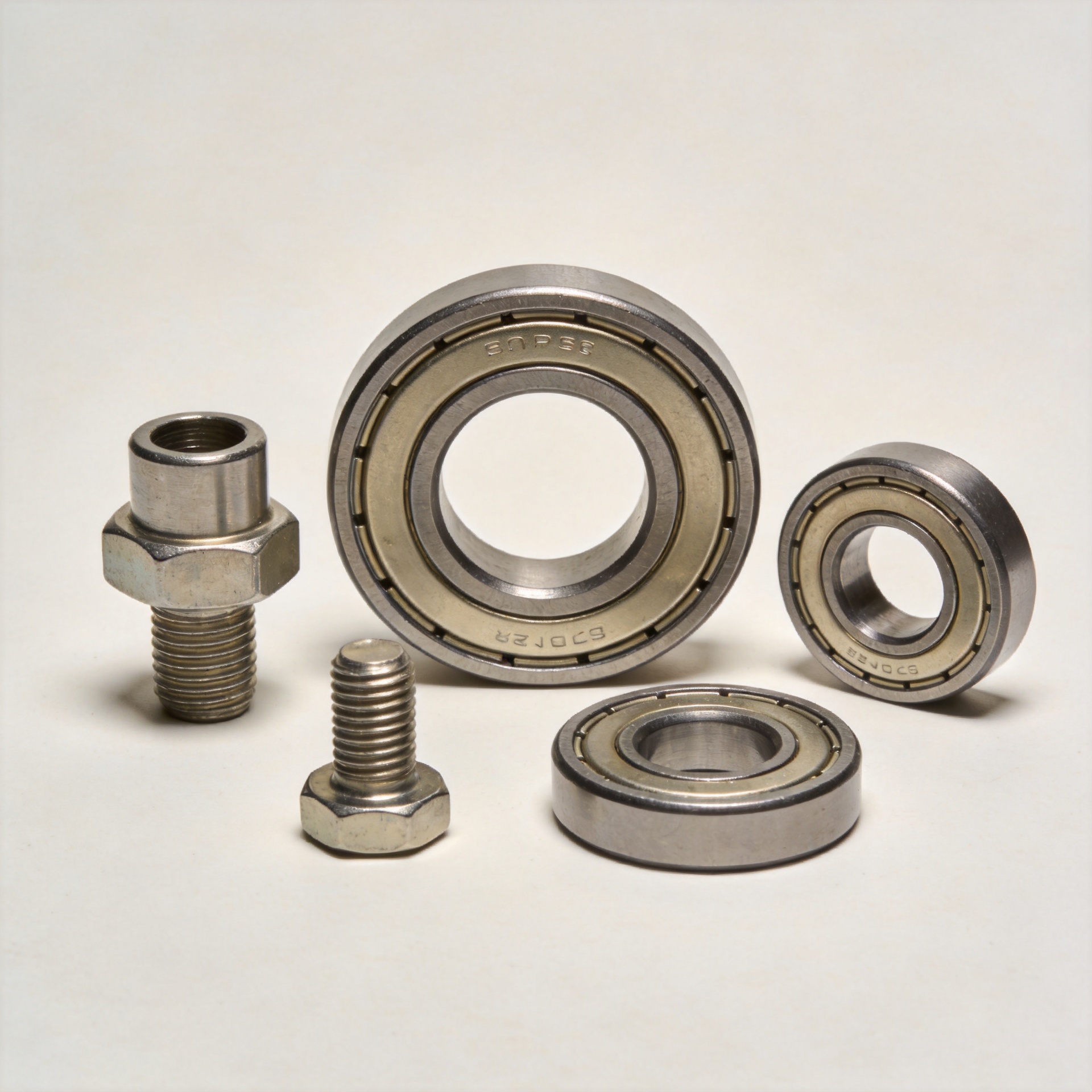
In industrial equipment installation, a washer is not a minor add-on. It is part of the bolted-joint system that transfers clamp load into the equipment base, bracket, frame, or housing. A suitable washer can spread bearing pressure, protect a softer contact face, and help the joint retain the intended preload. An unsuitable choice can leave the installer chasing uneven seating, embedment, or recurring retorque checks. This distinction matters because generic searches often use “washer” for a laundry appliance; this guide addresses the mechanical fastening component.
A fastening selection engineer should begin with the joint rather than a catalog image. The bolt, nut or tapped hole, washer, connected materials, mounting geometry, tightening method, and service environment all affect the decision. That system view makes washer selection more reliable than choosing by outside diameter alone.
Start with the job the washer must perform
Write down the primary function before choosing a style. A plain washer is often used to distribute load under a bolt head or nut and to create a cleaner bearing surface. A hardened washer may be appropriate where the joint uses higher-strength fasteners or where a softer bearing face could yield under load. A large-OD washer can be useful when the mounting hole is oversized or the connected material needs more support. Spring or conical designs are selected for particular deflection or load-retention needs; they are not interchangeable with a flat washer.
For a practical washer selection, ask one question: what change in the joint are you trying to manage? It may be surface indentation, slotted-hole coverage, vibration exposure, thermal movement, or corrosion compatibility. One washer type rarely addresses every condition. For example, a wide contact area may help a thin mounting plate, while a hardened bearing surface may matter more beneath a high-strength bolt.
Match the washer to the fastener and bearing surface
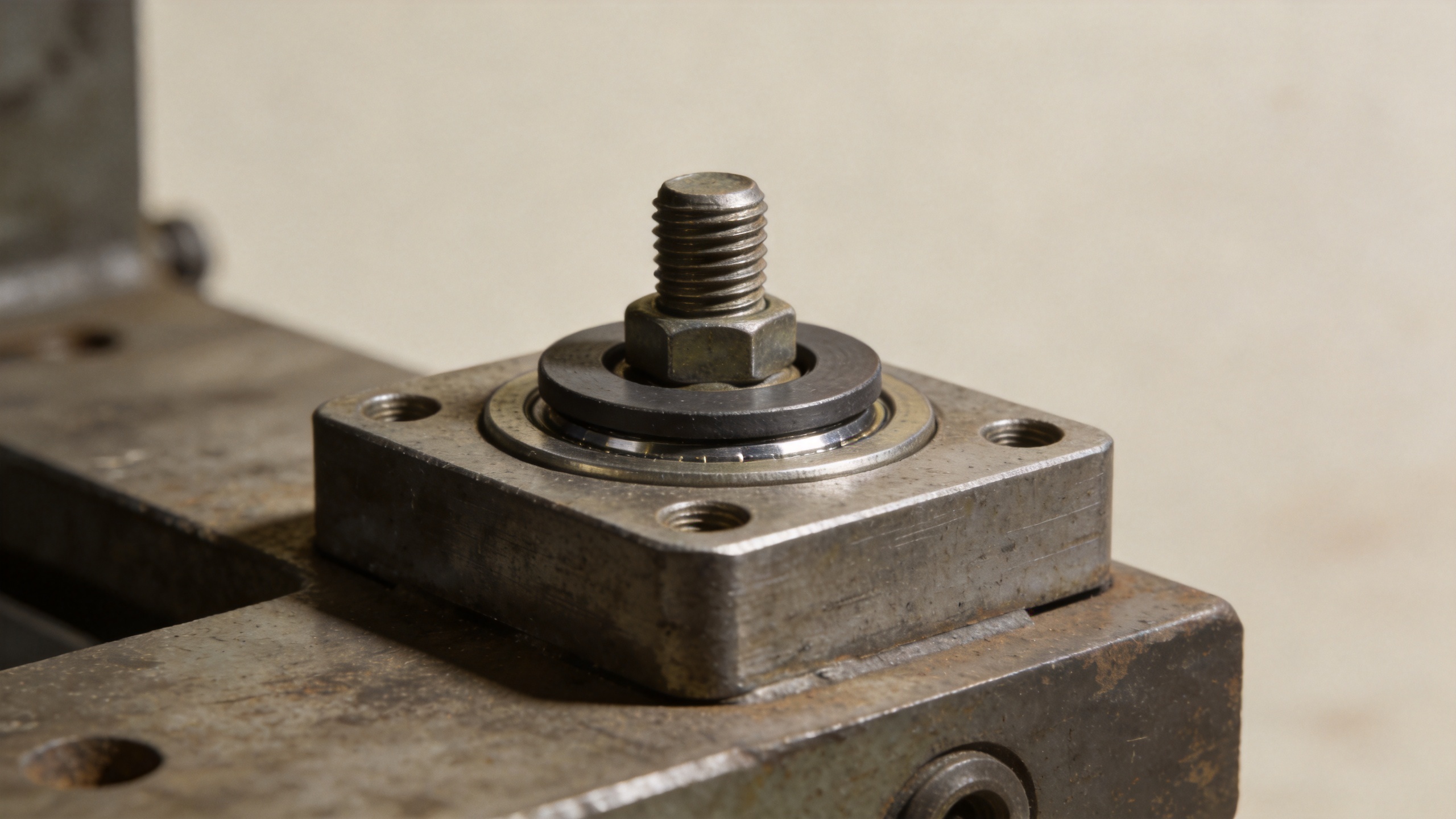
Start with the nominal bolt size, but do not stop there. Check the washer inside diameter for clearance, outside diameter for available contact area, and thickness for the load path and assembly space. The washer must sit flat without interfering with a radius under the bolt head, a socket, a flange, or a nearby feature. An equipment washer that rocks on a radius or bridges an uneven surface cannot distribute load as intended.
Material pairing deserves equal attention. Carbon steel, stainless steel, coated steel, aluminum, painted surfaces, and composite panels react differently under contact pressure and in corrosive service. A washer that is much harder than a thin or coated component can mark the surface during tightening. Conversely, a washer that is too soft for the required clamp load may embed into the bearing face. Consider the full stack-up: bolt grade, nut grade, washer hardness, coating system, and the materials on both sides of the joint.
When a drawing or purchase specification cites a standard, verify the exact required edition and dimensions rather than assuming that every plain washer is equivalent. ISO 7089/7090 and ASTM F844 are examples commonly encountered in plain-washer contexts, but project, market, and joint requirements govern the actual callout.
Evaluate load, vibration, and joint movement together
Industrial equipment creates more than static weight. Pumps, conveyors, fans, gearboxes, automated frames, and field-mounted assemblies may introduce cycling, vibration, shock, or thermal expansion. These conditions affect the joint’s preload and the bearing surfaces below the fastener. Selecting a washer only because it is described as a “lock” component can lead to a poor outcome if the larger system lacks an appropriate tightening procedure or joint stiffness.
For an installation washer, review whether the joint faces are rigid and parallel, whether paint or soft coatings are present, and whether the bolt will be tightened by torque, angle, tensioning, or another controlled method. In vibration-prone service, combine the washer decision with the approved nut, thread treatment, clamp-load target, and inspection plan. The installer should not expect a washer to compensate for a damaged thread, an incorrect bolt length, or an unprepared mounting surface.
Choose material and finish for the service environment
Corrosion exposure changes both material selection and maintenance planning. Indoor dry equipment may allow a different washer material or coating than a coastal installation, outdoor structure, washdown area, chemical process line, or hot enclosure. Look for compatibility between the washer finish and the bolt, nut, and joined materials. Mixing metals without considering the environment can increase the likelihood of corrosion at the contact zone.
An industrial washer should also fit the installation temperature and any cleaning media or process fluids it may encounter. If the equipment operates in a controlled environment, a simple specified finish may be sufficient. If it sees moisture, salt, chemicals, or frequent cleaning, document the exposure rather than relying on a generic corrosion label. This is one of the clearest examples of why the more expensive washer is not automatically the more suitable choice.
Use a repeatable selection sequence
- Define the joint: identify bolt size, fastener grade, hole type, clamped materials, required preload, and access constraints.
- Set the washer function: decide whether the priority is bearing-area support, load distribution, hole coverage, a hardened contact surface, controlled deflection, or another documented need.
- Check geometry: confirm ID, OD, thickness, flatness, and clearance against the drawing and installed hardware.
- Check material compatibility: compare hardness, coating, corrosion exposure, temperature, and contact-material effects.
- Confirm the installation method: align the washer with the specified tightening process and verify it seats flat before final tightening.
- Inspect the completed joint: look for offset placement, cupping, coating damage, unseated faces, or interference that could change clamp-load behavior.
This sequence keeps washer selection tied to evidence from the application. It also makes communication clearer between equipment designers, installers, procurement teams, and fastener suppliers.
Common selection errors to catch before installation
- Using a standard flat washer where a hardened bearing surface is required by the joint specification.
- Selecting an oversized washer that interferes with a flange, recess, or adjacent component.
- Ignoring paint, galvanizing, soft alloys, or composite layers beneath the washer.
- Mixing finishes without reviewing the operating environment and corrosion path.
- Installing a washer over burrs, weld spatter, or a sloped surface rather than correcting the bearing condition.
- Assuming an equipment washer can correct an unsuitable bolt length or uncontrolled tightening practice.
Turn the specification into an installation check
Before release, a concise line-item specification should identify the washer type, material or hardness condition, dimensions or governing standard, finish, quantity, and any assembly-specific requirement. During installation, keep the washer clean, oriented correctly where the design has a functional side, and fully seated. After tightening, inspect a sample of joints according to the equipment procedure. If seating marks, rotation, or loss of clamp load appears, review the complete joint design instead of changing the washer in isolation.
The right washer is the one that fits the documented joint and its service conditions. By evaluating function, geometry, bearing surface, material compatibility, environment, and assembly method in order, teams can make a reasoned choice for each industrial installation.