EN

Why Are Durable Washers Important for Connection Stability?
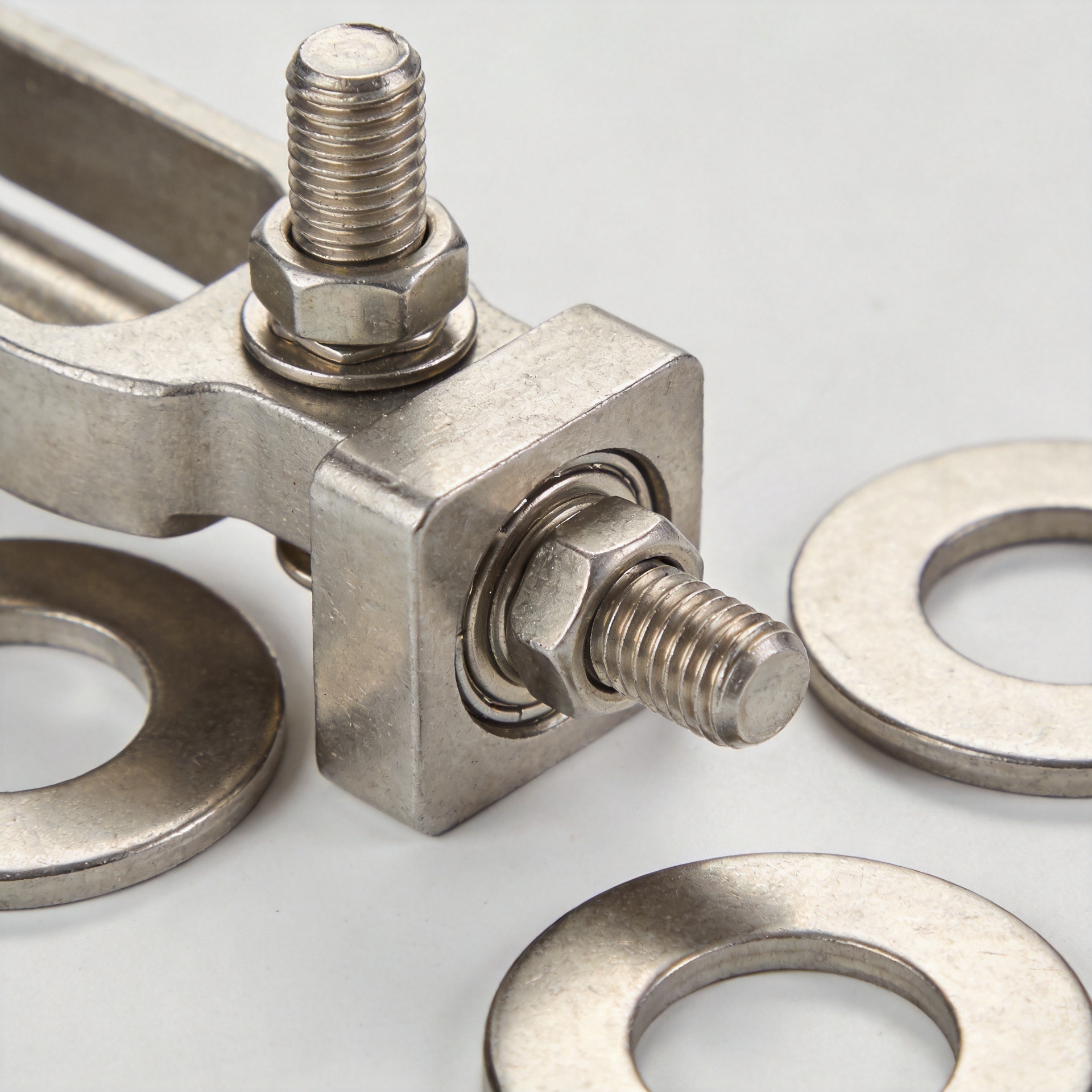
In an industrial bolted joint, a washer is not merely a spacer placed under a bolt head or nut. It is part of the bearing surface that helps the assembly develop and retain clamp load. From a fastener-selection engineer’s perspective, the question is less “is there a washer?” and more “will this washer keep behaving as intended after tightening, vibration, temperature changes, and exposure?” A durable washer helps make the connection more predictable because it supports the contact area that carries the tightening load.
A connection washer matters whenever the joint materials, the fastener, or the service environment could allow clamp load to fall. Thin sheet, soft aluminum, painted surfaces, repeated vibration, outdoor moisture, and chemical exposure all change the conditions at the bearing surface. The right industrial washer does not make a poorly designed joint safe by itself, but it can reduce localized damage and make a sound fastening plan more stable.
Connection Stability Starts With Clamp Load
When a bolt or screw is tightened, it stretches slightly and pulls the parts together. That clamping action creates friction between the joined surfaces. If the remaining clamp load is adequate for the service condition, the parts are less likely to slide relative to one another. A washer sits between the rotating fastener component and the joined material, so its shape, hardness, flatness, and surface condition influence how the tightening load enters the joint.
A durable washer provides a controlled bearing surface. It can spread the load over a larger area than a small bolt head or nut face alone, which is especially useful when the joined material is softer or has a finish that could be marked during tightening. In practical assembly work, that wider bearing area can limit local indentation. Less indentation means less settling where the parts meet, and less settling helps the joint retain more of its initial preload.
The term washer stability therefore refers to more than a washer staying physically in place. It includes the washer’s ability to resist distortion, embedment, cracking, severe wear, and corrosion that could alter the bearing surface over the life of the connection.
How a Washer Can Lose Its Contribution to a Joint
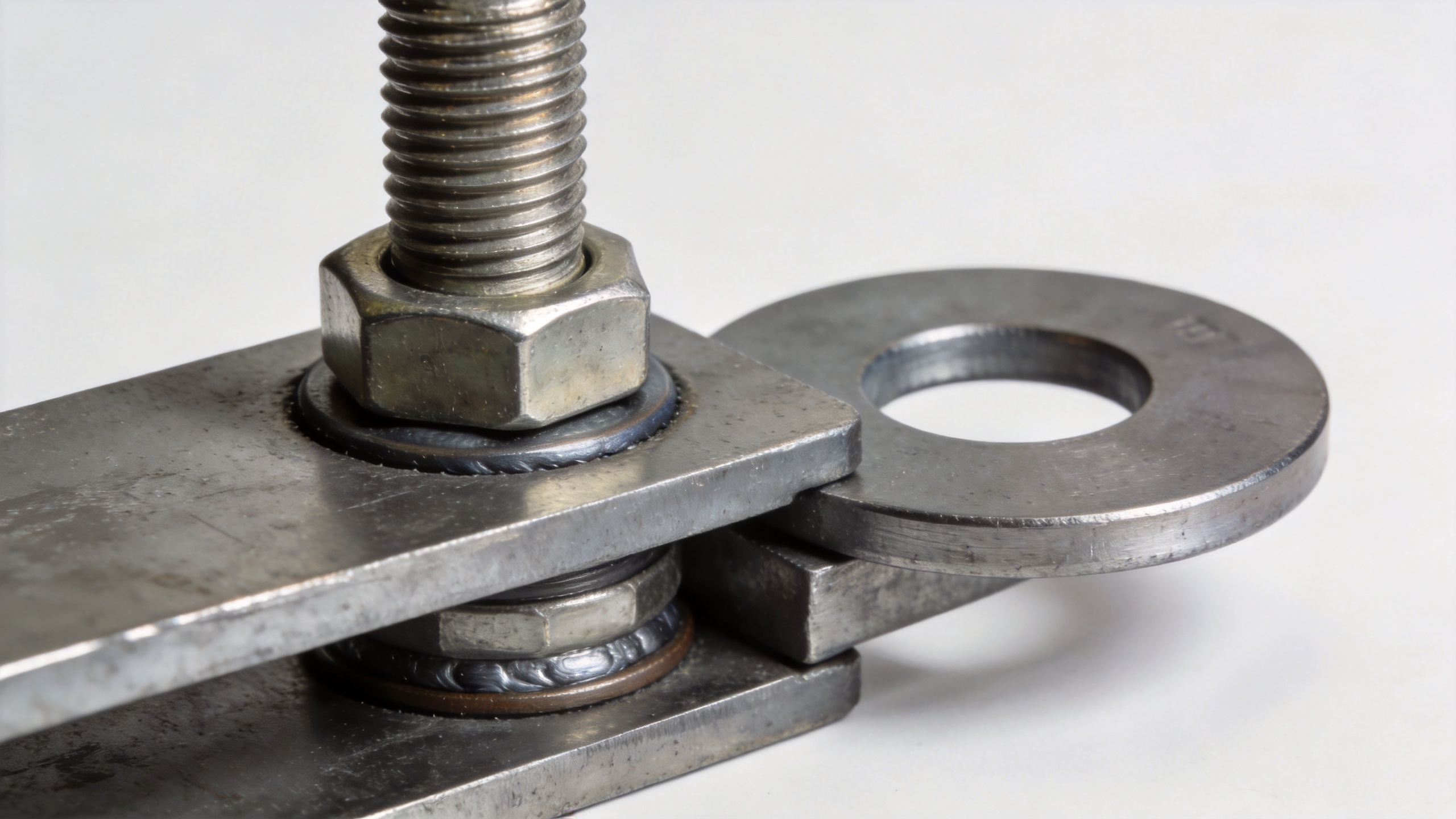
Bolted connections can lose preload when the contact surfaces flatten, wear, or embed after installation. A soft, undersized, or poorly matched washer may deform under a concentrated load. If that deformation occurs after torque has been applied, the bolt tension can decline even though the nut has not visibly backed off. This is one reason a durable washer is valuable in equipment that sees repeated loading or vibration.
Vibration adds another concern. Joint movement and transverse loading can work against the friction created by preload. The washer should be selected as one component in a broader anti-loosening plan that may also include correct tightening practice, appropriate bolt length, joint stiffness, locking features, and validation testing. A spring or locking-style washer is not interchangeable with a hardened flat washer: each type has a different function and must suit the joint design.
Corrosion can also undermine a connection washer. Rust products, coating damage, or galvanic interaction may change the contact surface and complicate maintenance torque. For outdoor structures, coastal installations, agricultural equipment, or process machinery, washer material and finish should be considered alongside the bolt, nut, and joined materials—not selected in isolation.
What Makes a Durable Washer Different?
Durability is a fit-for-service property, not a single material label. A durable washer is one whose dimensions, hardness, material, coating, and geometry remain appropriate for the anticipated clamp load and environment. The following factors deserve attention:
- Hardness and strength: The washer should resist excessive bearing-surface deformation under the specified tightening load. Where a hardened fastener is used, a washer with insufficient hardness can become the weak contact layer.
- Outside diameter and thickness: A larger or thicker washer may distribute load differently, but it must fit the available space and the engineering requirement. More area alone is not a substitute for proper joint design.
- Flatness and burr control: An uneven washer can create uneven contact, misleading torque response, or damage to coatings. The seating surfaces should be evaluated as part of the assembled stack.
- Material compatibility: Carbon steel, stainless steel, and other materials have different behavior in moisture, chemicals, and temperature. Compatibility with the bolt, nut, and joined materials matters.
- Surface treatment: Zinc-based coatings, hot-dip galvanizing, and other finishes are selected for particular exposure conditions. Coating choice may affect friction and therefore should be considered in the tightening method.
Choose the Washer Type by the Job It Must Do
A flat washer is commonly used to create a broader bearing surface and protect the joined material. A hardened flat washer may be appropriate where high bearing stress or a hardened fastener makes ordinary material unsuitable. Spring and conical washers can be used in applications designed for their elastic behavior, while locking washer systems are intended to address specific loosening mechanisms. These are engineering choices, not universal upgrades.
For a structural or machinery connection, start with the drawing, the fastener grade, the joined-material thickness, the tightening specification, and the environment. Then ask whether the washer needs to distribute load, protect a coating, accommodate a slot or oversized hole, support preload retention, or work with an anti-vibration strategy. This sequence is more reliable than choosing a washer solely by nominal bolt diameter.
It is also useful to separate an industrial washer from a sealing washer. Some applications need a seal against fluids or dust; others need a durable metallic bearing surface. A component designed primarily for sealing may not be appropriate where high clamp load and bearing strength are the main requirements.
Installation Details That Affect Washer Stability
Even a suitable washer can perform poorly if assembly conditions are inconsistent. Keep contact surfaces reasonably clean, inspect for burrs or damaged coatings, and ensure the washer is seated flat. Use the specified tightening procedure rather than treating torque as a universal indicator of bolt tension. Lubrication, plating, surface finish, and thread condition can all change the relationship between applied torque and achieved preload.
For a critical connection washer application, document the washer material, dimensions, finish, and any hardness or standard requirements on the purchasing specification. Batch consistency and incoming inspection are especially relevant when the joint is exposed to vibration or corrosion. A supplier that can discuss material, coating, and inspection requirements gives the purchasing team a clearer basis for comparing parts than one that supplies only a nominal size.
A Practical Selection Checklist
- Identify the joint function and the consequence of preload loss.
- Confirm bolt or screw size, grade, head or nut bearing area, and tightening method.
- Review joined materials, hole geometry, coatings, and available seating space.
- Select washer material, hardness, diameter, thickness, and finish for the load and environment.
- Determine whether vibration or cyclic loading calls for a tested locking strategy beyond a flat washer.
- Verify the assembly through appropriate prototype, torque-tension, or service-condition testing before release.
Why the Small Part Deserves Engineering Attention
A washer is inexpensive compared with the cost of a loose connection, damaged component surface, or maintenance shutdown. Yet the part only helps when it is specified as part of the complete joint. A durable washer supports stable load transfer, protects the bearing surface, and helps limit the settling that can reduce clamp load. When selecting a washer for industrial equipment, consider durability in the real service environment and validate the finished connection rather than relying on appearance or size alone.