EN

How Do Custom Bolts Support Specialized Industrial Manufacturing Needs?
In industrial manufacturing, a bolt is not merely a catalog line. It is part of a joint that must fit a drawing, accept an installation method, and remain suitable for its working environment. When a standard item leaves an important gap in diameter, length, thread, head form, material, coating, or documentation, a custom bolt gives engineering and purchasing teams a controlled way to close that gap.
The useful question is not whether every assembly needs a special fastener. It is whether the joint has requirements that a standard bolt cannot document or satisfy without compromise. This distinction matters in equipment production, steel structures, pipelines, energy installations, and automation assemblies, where one mismatch can slow fitting, inspection, or maintenance.
Where a standard bolt stops fitting the job
A catalog bolt works well when the application aligns with established dimensions and property classes. A tailored assembly can depart from that pattern in several ways: a restricted access area may require an unusual head geometry; stacked components may require a nonstandard grip length; or a mating part may need a fine, left-hand, or otherwise controlled thread. An OEM bolt can combine these requirements in one defined part instead of forcing operators to modify a standard fastener on the line.
Custom work is also relevant when the assembly faces vibration, moisture, chemicals, heat, or repeated servicing. Those conditions do not point automatically to one material or coating. They do mean the buyer should state the environment, expected loading, tightening method, and inspection needs before a bolt manufacturing quotation is finalized.
How a custom bolt turns a design need into a production specification
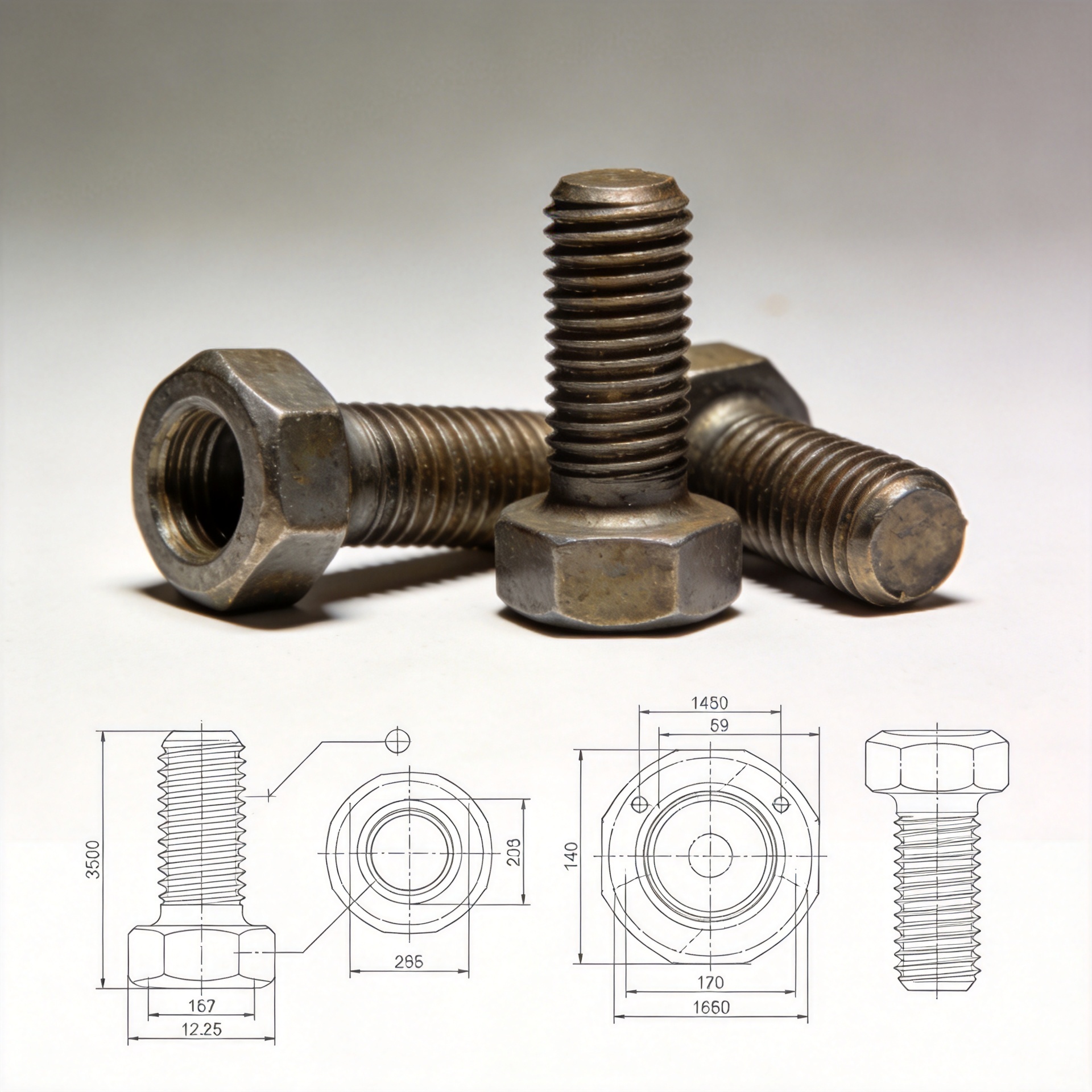
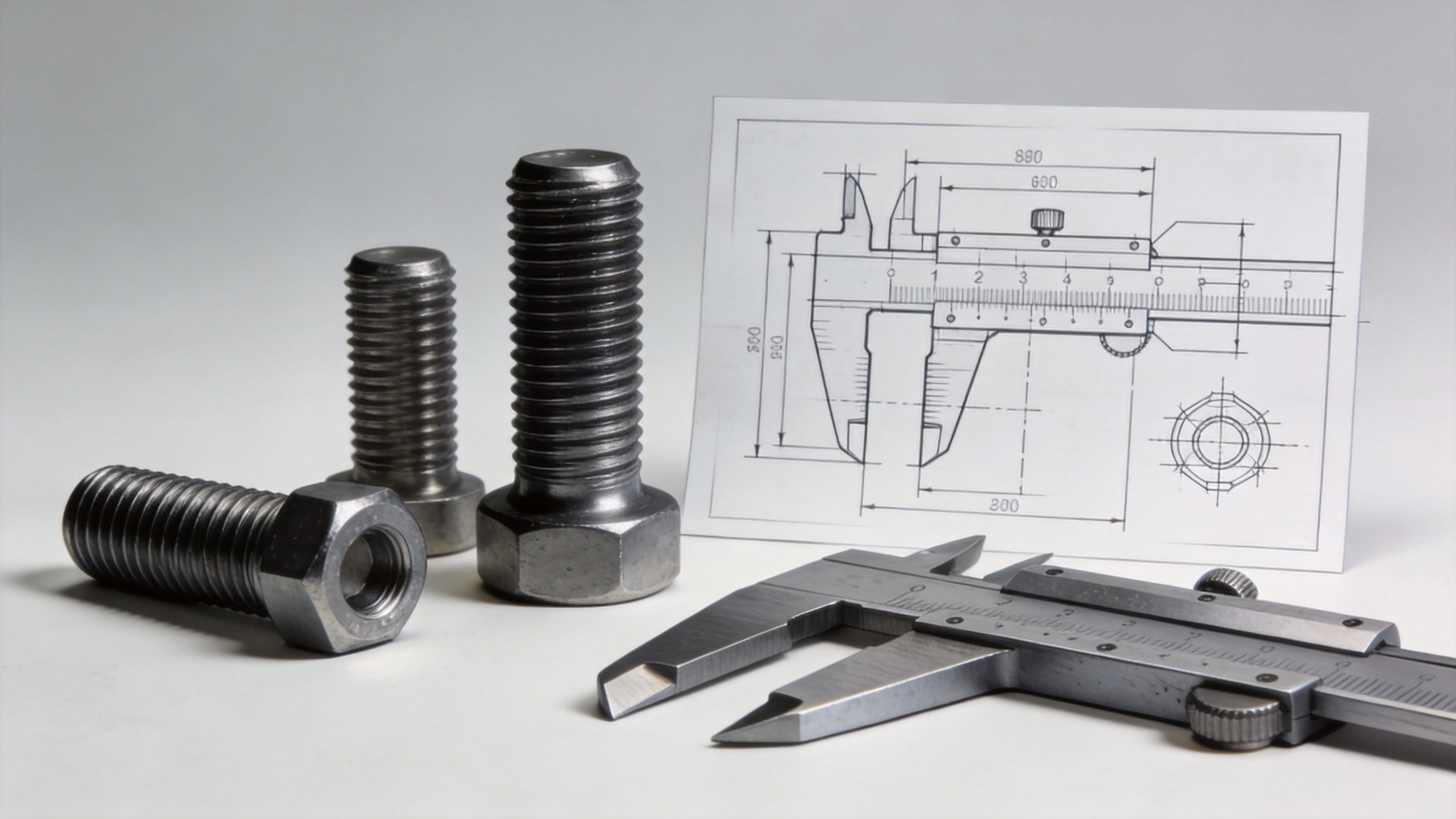
The value of a custom bolt begins with translation. A useful drawing or request for quotation defines the dimensions that control fit, then adds the conditions that control performance. For example, the required bolt specification may include nominal diameter, thread pitch and tolerance, under-head length, head style, material grade, heat treatment where applicable, surface finish, marking, packaging, and requested inspection records.
This approach helps reduce a common purchasing problem: parts that appear close to the drawing but create rework once they arrive. If an assembly relies on a particular seating surface, wrench access, or engagement length, those features should be visible in the approved drawing rather than left to an informal description. For a repeat program, a controlled custom bolt specification also gives engineering, quality, and purchasing a shared reference when batches are reordered.
Material and property class need application context
Material selection should be tied to the service environment and joint design. ISO 898-1:2013 specifies mechanical and physical properties for carbon-steel and alloy-steel bolts, screws, and studs when tested at ambient temperatures from 10 °C to 35 °C. ISO 3506-1 addresses corrosion-resistant stainless-steel bolts, screws, and studs with coarse or fine pitch threads. These references can help define a bolt requirement, but they do not replace application engineering.
For instance, corrosion resistance, strength, and installation behavior must be considered together. ISO 3506-1 does not by itself establish torque/clamp-force behavior, shear strength, fatigue resistance, or weldability for a particular joint. A specialized bolt should therefore be reviewed against the actual connection, load path, temperature range, and assembly process rather than selected from a material name alone.
Why custom bolts help manufacturing teams
- Assembly fit: A custom length, shoulder, thread runout, or head profile can match the actual stack-up and tool clearance.
- Process consistency: A defined OEM bolt reduces ad hoc changes such as cutting, adding washers to compensate for length, or substituting a near-match during assembly.
- Quality communication: Dimensions, material requirements, finishing, and inspection points can be agreed before serial production of the bolt.
- Serviceability: Purposeful marking, packaging, and repeatable specifications can make a replacement bolt easier to identify in maintenance programs.
There is a practical boundary here. A custom solution is useful when it addresses a real technical or supply-chain requirement. If a common standard bolt already meets the drawing and documentation needs, it may remain the more direct choice. The goal is fit for purpose, not customization for its own sake.
What to include in a custom bolt RFQ
A complete RFQ makes bolt manufacturing easier to assess and keeps early discussions focused. Attach a dimensioned drawing when available, identify the application and annual quantity, and list the items that are mandatory rather than preferred. A practical request should cover:
- the bolt drawing, revision level, and required dimensions;
- thread standard, pitch, class, and any go/no-go gauge requirement;
- material, property class, finish, and corrosion exposure;
- required tests or documents, such as dimensional checks, material certificates, or batch traceability;
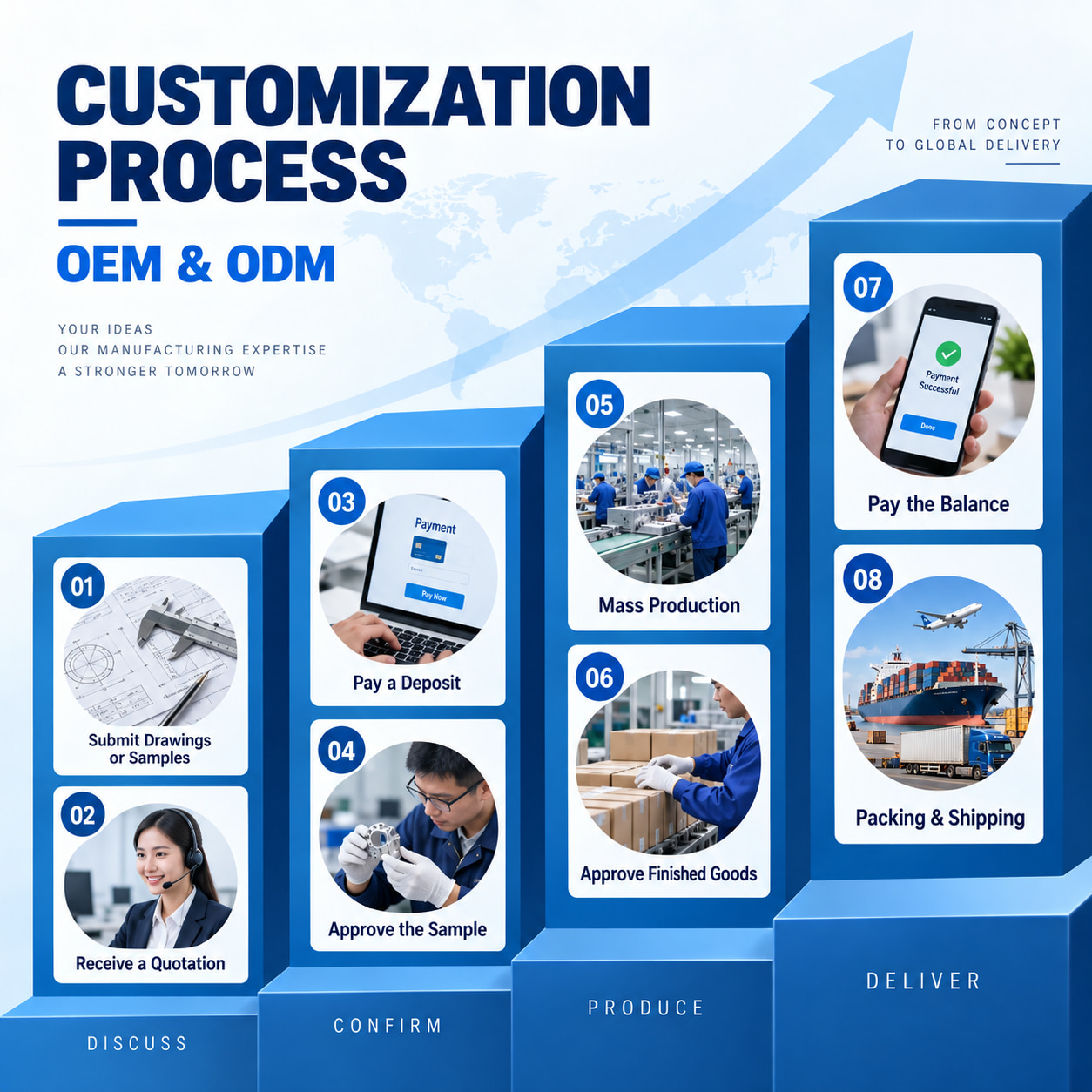
- prototype, sample, approval, and production quantity expectations; and
- packaging, labeling, delivery, and destination requirements.
It is also helpful to identify which feature carries the greatest assembly risk. Sometimes it is the thread engagement. In another design, the concern is coating build-up, a special head shape, or the consistency of a long, slender bolt. Naming that priority lets the supplier propose an appropriate process and inspection discussion rather than treating every dimension as equally critical.
Verify the custom bolt before scaling production
Before a large release, use samples or a pilot batch to verify the custom bolt in the real assembly. Check mating-part fit, tool access, seating, torque procedure, and the documentation needed by incoming inspection. If the product will be used in a demanding joint, the validation plan should be set by the responsible engineering team and reflect the operating conditions.
That sequence—clear inputs, reviewable specifications, sample confirmation, and repeatable controls—is how a purpose-built bolt supports manufacturing rather than adding uncertainty. For buyers, the outcome is a more traceable path from drawing to installed bolt, with fewer assumptions carried into production.
Conclusion
A custom bolt supports targeted manufacturing by matching the fastener to the joint, process, and verification requirements that matter in service. Define the functional need first, document the critical features, and validate the part in its intended assembly. With that discipline, a custom bolt becomes a controlled component of production planning rather than a last-minute exception.