Automotive Fastener Manufacturers Guide

application/automotive-fastener-manufacturers, application/automotive-fastener-manufacturers, 
Inquiry
Inquiry

automotive fastener manufacturers

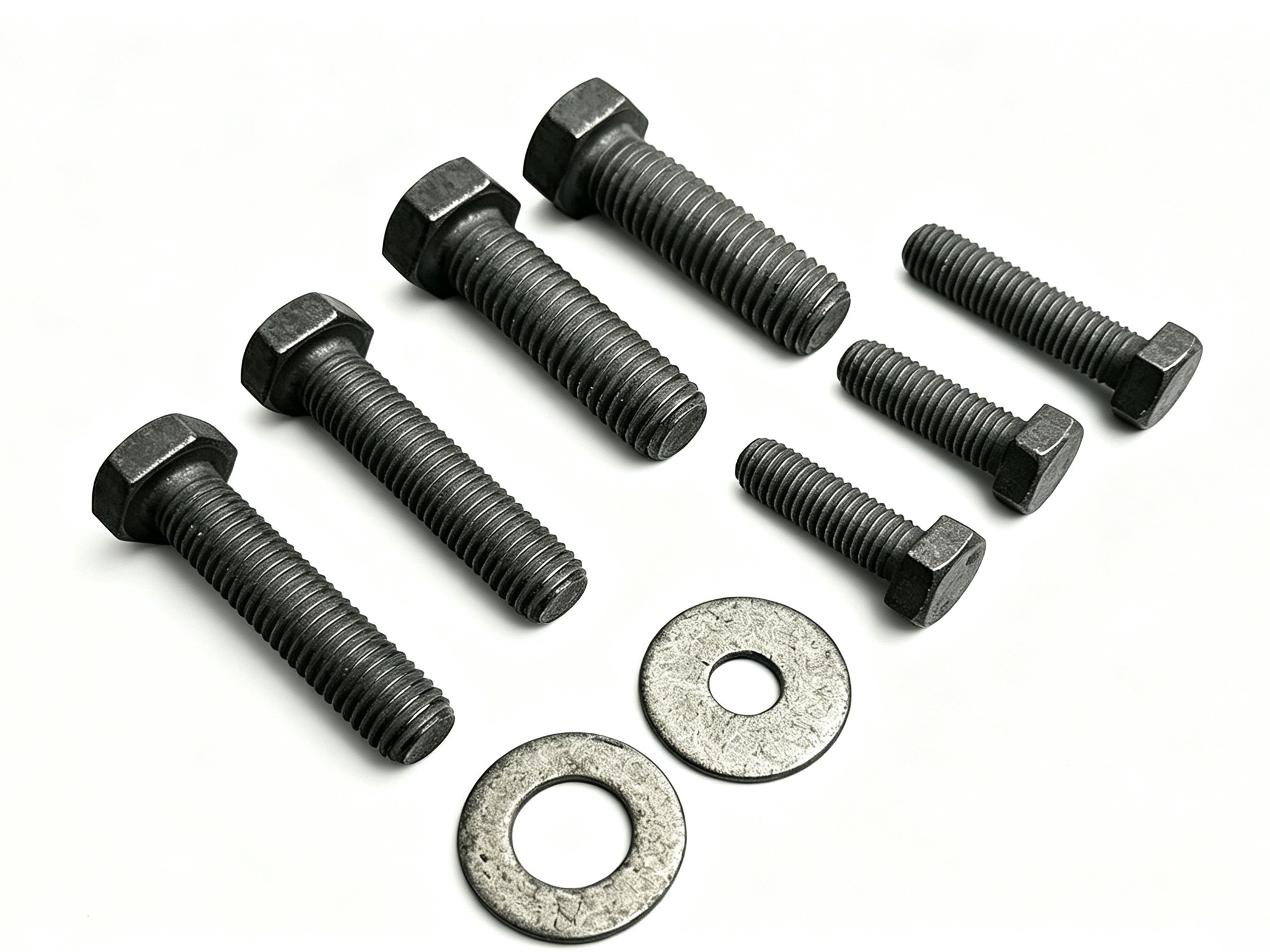
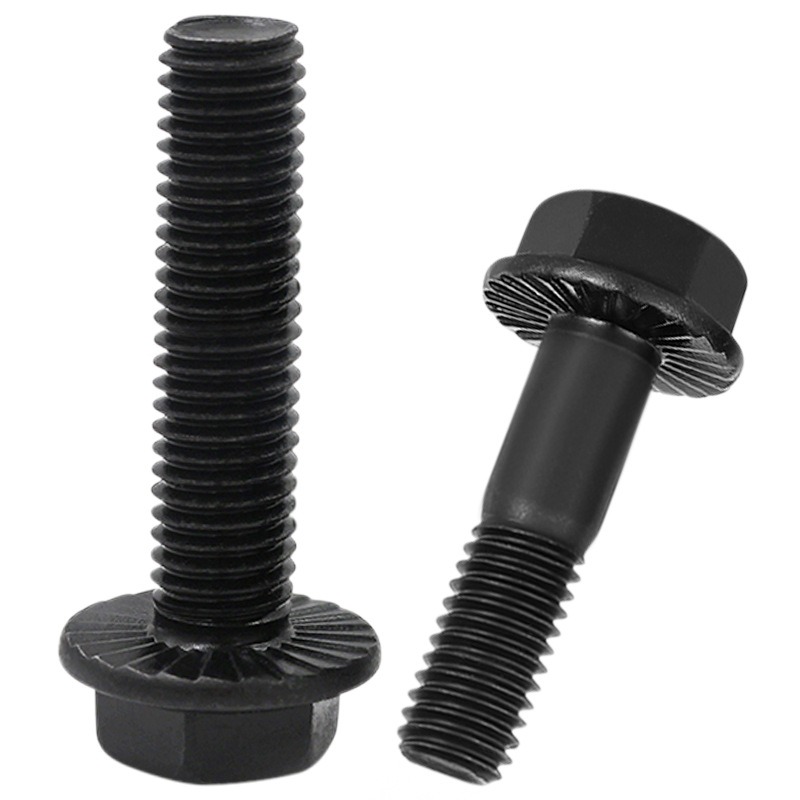
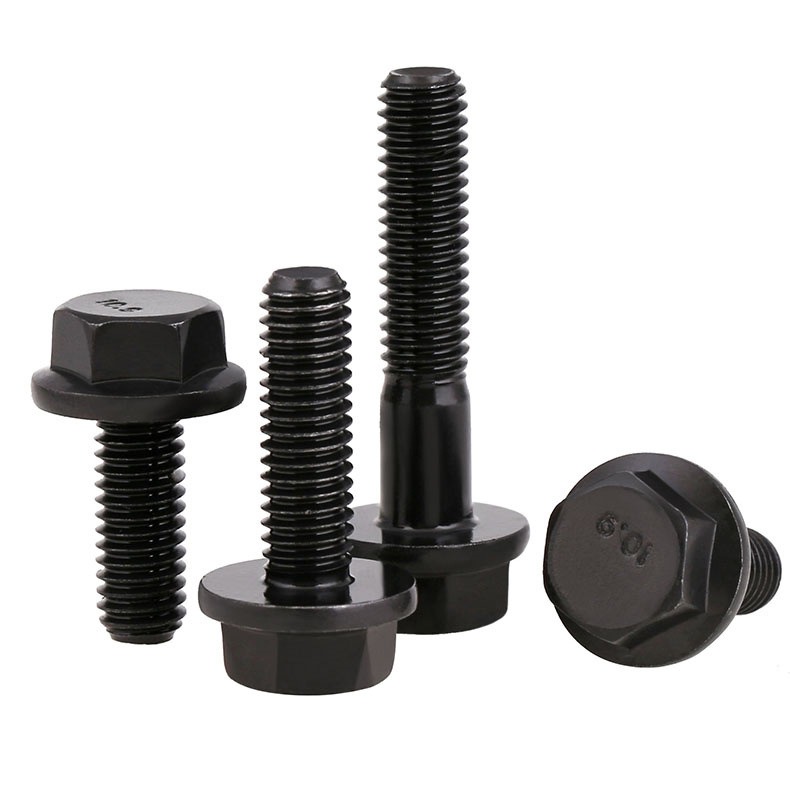
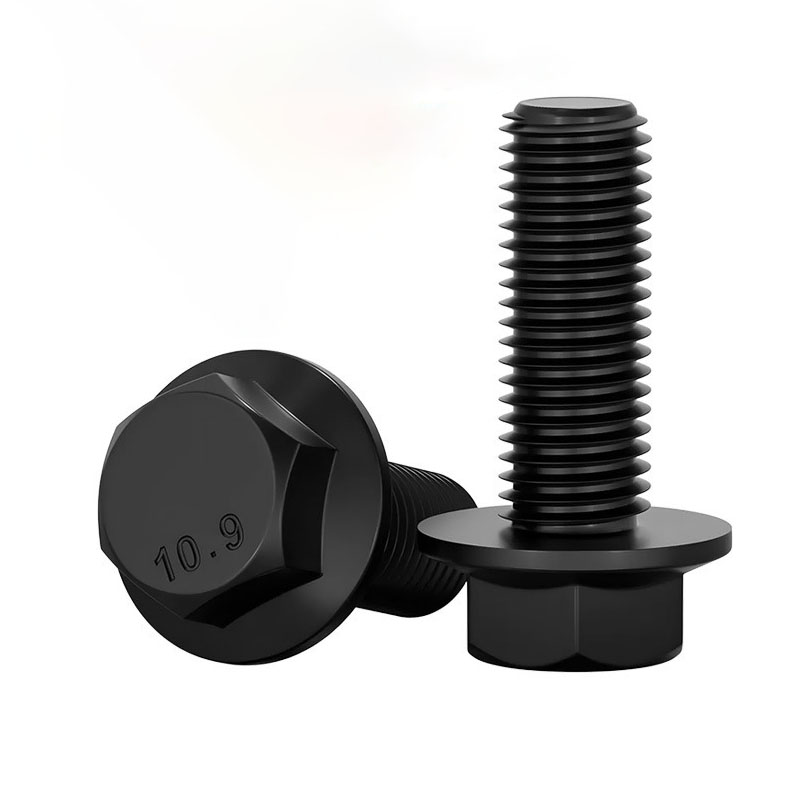
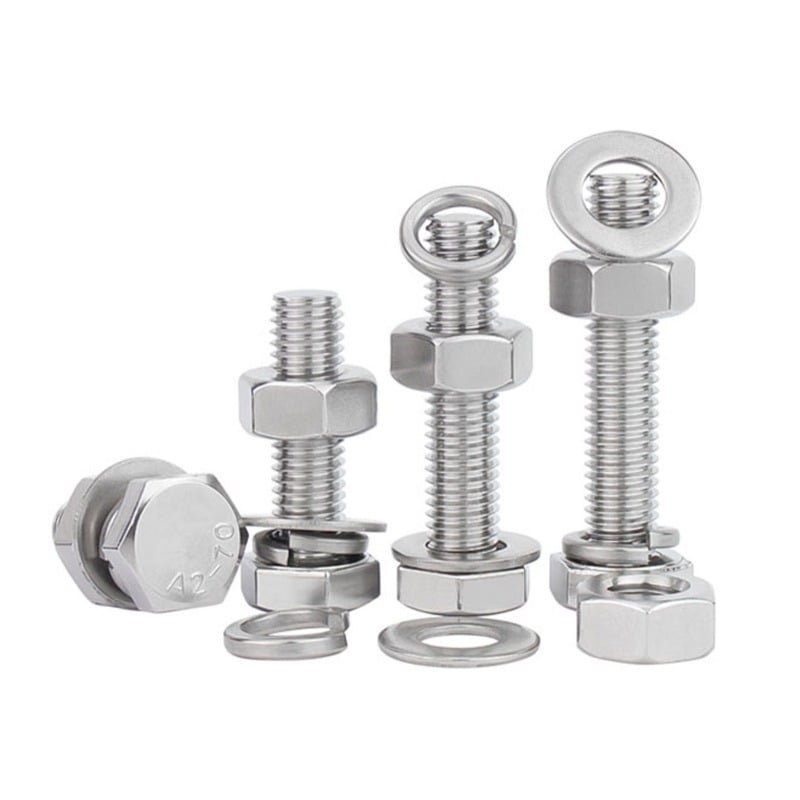
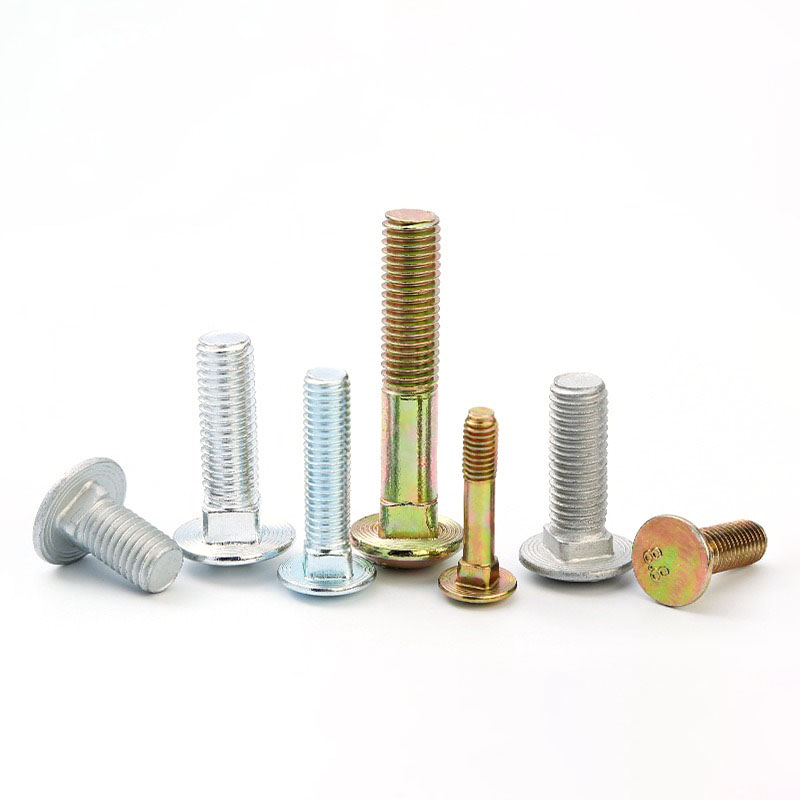
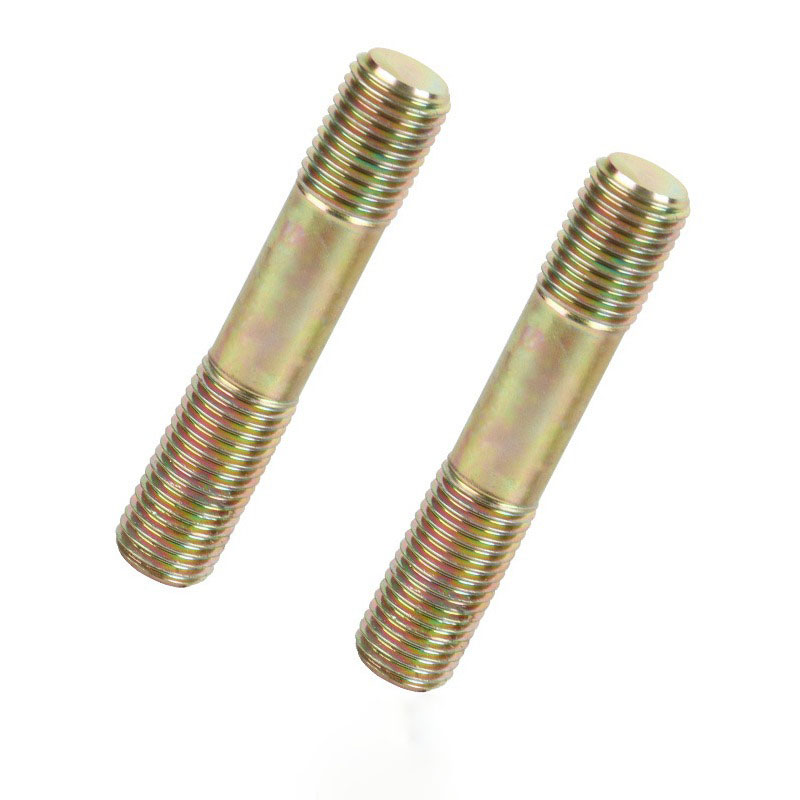
Automotive fastener manufacturers produce the bolts, nuts, screws, studs, clips, rivets, washers, and threaded inserts that hold vehicle systems together. Automotive fastener manufacturers support secure connections in body panels, chassis structures, engines, transmissions, braking systems, seats, doors, exhaust assemblies, and electronic modules. Their main function is to join parts firmly while allowing efficient assembly, inspection, repair, and replacement. Leading automotive fastener manufacturers develop products for different loads, temperatures, vibration levels, and exposure conditions. Automotive fastener manufacturers use carbon steel, stainless steel, aluminum, brass, titanium, and engineered plastics to match weight, strength, and corrosion requirements. Automotive fastener manufacturers also apply zinc, zinc-nickel, phosphate, black oxide, and other protective finishes to extend service life. Modern production methods include cold forming, precision machining, thread rolling, heat treatment, automated sorting, and dimensional testing. These capabilities help automotive fastener manufacturers deliver consistent dimensions and dependable performance at high production volumes. Automotive fastener manufacturers can produce standard parts or engineered designs based on drawings, samples, vehicle platforms, and assembly equipment. Their technology may include optical inspection, torque testing, material verification, traceability systems, and computer-controlled process monitoring. These controls reduce defects and support quality programs used by vehicle makers and component suppliers. Automotive fastener manufacturers serve original equipment manufacturers, tier suppliers, repair networks, and aftermarket distributors. They supply parts for passenger cars, commercial vehicles, electric vehicles, motorcycles, agricultural equipment, and specialty transport. By combining material expertise, production capacity, and application support, automotive fastener manufacturers help customers build vehicles that remain safe, durable, and easier to maintain.
Choosing experienced automotive fastener manufacturers gives buyers more than a box of threaded parts. Automotive fastener manufacturers help select the right diameter, length, grade, coating, and drive style for each joint. This reduces the risk of loosening, cracking, corrosion, or assembly damage. Automotive fastener manufacturers can also review drawings and recommend a practical alternative when a design creates supply, cost, or installation problems. That advice helps purchasing teams avoid over-specification and protects production budgets. Automotive fastener manufacturers support stable supply through planned capacity, repeatable processes, and multiple packaging options. Buyers can request bulk cartons, line-ready kits, labeled bins, or sequence delivery for automated and manual stations. This flexibility reduces handling time, prevents line-side confusion, and supports smoother inventory control. Automotive fastener manufacturers often provide samples, inspection reports, certificates, and traceability records, giving quality teams useful evidence before approval. Automotive fastener manufacturers with dependable testing can help customers meet torque, tensile, shear, salt spray, and dimensional requirements. The result is fewer rejected batches and less unplanned rework. Automotive fastener manufacturers are suitable for both high-volume vehicle programs and smaller repair or specialty orders. Customers can choose standard parts for quick availability or custom parts for unique space, weight, or load conditions. Automotive fastener manufacturers also help match fasteners to aluminum, steel, composites, plastics, and coated surfaces, reducing galvanic corrosion and joint failure. For electric vehicles, automotive fastener manufacturers can supply lightweight, corrosion-resistant parts for battery enclosures, motor housings, charging equipment, and thermal systems. For conventional vehicles, they support high-temperature engine and exhaust locations. Overall, automotive fastener manufacturers create buyer value through reliable quality, application guidance, efficient logistics, and lower total installation risk. Customers should compare testing depth, material options, delivery capability, customization, and technical support before placing a long-term order.

Latest News

Beyond Galvanizing: How the Sherardizing Process Builds Ultimate Protection for High-End Steel

21

Jul

Beyond Galvanizing: How the Sherardizing Process Builds Ultimate Protection for High-End Steel

Why Sherardizing outperforms galvanizing for high-end steel—extreme corrosion resistance, zero hydrogen embrittlement & self-healing protection.
View More
New Chapter in Sino-Ethiopian Trade Cooperation: Securing a Long-Term Fastener Procurement Agreement

21

Jul

New Chapter in Sino-Ethiopian Trade Cooperation: Securing a Long-Term Fastener Procurement Agreement

How China & Ethiopia secured a long-term fastener supply deal for East Africa's booming industrial sector. Discover reliability, scalability & global impact.
View More
Full Container Ready for Shipment! Premium Fasteners Bound for the U.S. Industrial Market

21

Jul

Full Container Ready for Shipment! Premium Fasteners Bound for the U.S. Industrial Market

Need reliable, ocean-ready fasteners for U.S. industrial buyers? Our full-container shipment delivers certified quality, export-optimized packaging & seamless logistics.
View More

Get a Free Quote

Our representative will contact you soon.
0/1000
Engineered Materials and Protective Finishes

Engineered Materials and Protective Finishes

Automotive fastener manufacturers provide material and finish choices that suit demanding vehicle environments. Automotive fastener manufacturers can use high-strength steel for structural joints, stainless steel for corrosion-prone locations, aluminum for weight reduction, and heat-resistant alloys near engines or exhaust systems. Automotive fastener manufacturers also apply finishes such as zinc, zinc-nickel, phosphate, and organic coatings. These layers help resist moisture, road salt, chemicals, and temperature changes. Automotive fastener manufacturers can assess contact between dissimilar metals and recommend a safer combination, helping reduce galvanic corrosion around aluminum panels and battery housings. This feature matters because a fastener that looks suitable during assembly may fail early if its material does not match the surrounding parts. With suitable materials and surface protection, automotive fastener manufacturers help customers extend service intervals, reduce replacement claims, and preserve joint strength. Buyers gain a clearer specification, stronger environmental performance, and a better fit for both conventional and electric vehicle applications.
Consistent Quality and Traceable Production

Consistent Quality and Traceable Production

Automotive fastener manufacturers use controlled production and inspection to make every delivery more dependable. Automotive fastener manufacturers can combine cold forming, thread rolling, heat treatment, and automated sorting to maintain repeatable dimensions and mechanical properties. Automotive fastener manufacturers may check thread accuracy, hardness, tensile strength, coating thickness, torque behavior, and surface defects before shipment. Optical systems identify damaged or incorrectly formed pieces faster than manual inspection alone. Automotive fastener manufacturers also assign lot numbers and retain production records, allowing customers to trace a part back to its material and process history. This support is valuable when a vehicle program requires formal approval, supplier audits, or rapid investigation of a field issue. Consistency helps assembly tools work correctly, reduces misfeeds, and limits stoppages caused by out-of-tolerance parts. For purchasing teams, automotive fastener manufacturers with documented controls provide greater confidence in repeat orders. Customers can plan production more accurately, simplify incoming checks, and protect brand reputation through dependable joint performance.
Flexible Supply and Application Support

Flexible Supply and Application Support

Automotive fastener manufacturers combine product flexibility with practical service for changing vehicle programs. Automotive fastener manufacturers can supply standard catalog items, drawing-based parts, prototypes, and production quantities from one source. Automotive fastener manufacturers may package products in bulk, returnable containers, labeled kits, or installation sequence packs. These options help plants reduce picking errors and place the correct part at each workstation. Automotive fastener manufacturers can also support design reviews by checking clearance, tool access, thread engagement, clamping force, and installation method. That input helps engineers choose a joint that workers or automated equipment can assemble consistently. Automotive fastener manufacturers serving multiple markets can cover body, chassis, powertrain, interior, battery, and electronic applications. Their support is especially useful when a customer moves from a prototype to a high-volume launch and needs stable specifications, forecast planning, and responsive delivery. This combination of customization and supply control gives buyers fewer vendor gaps, shorter approval cycles, and a practical path from initial concept to reliable vehicle production.