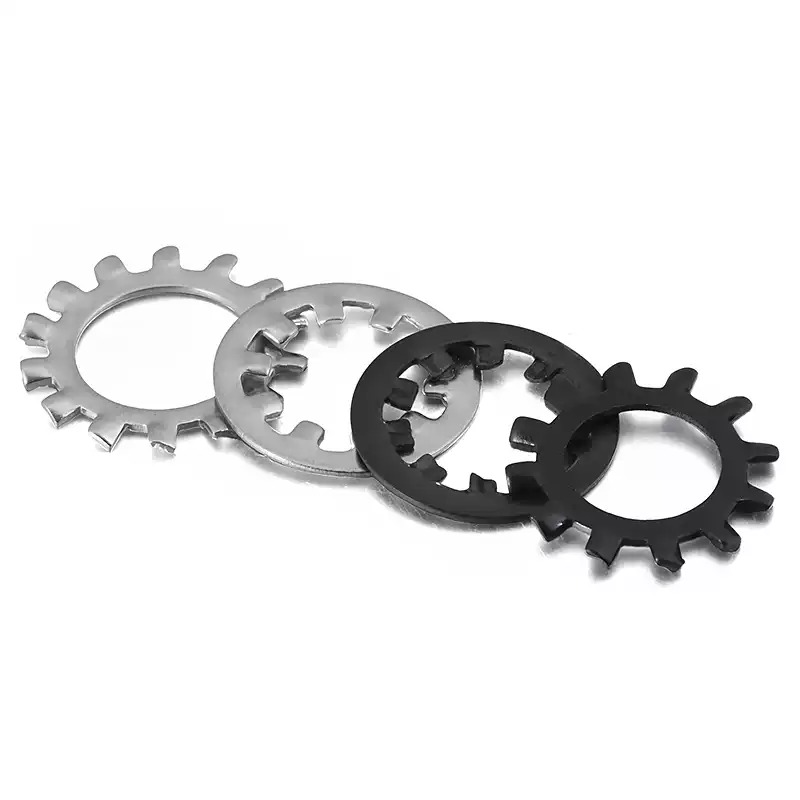
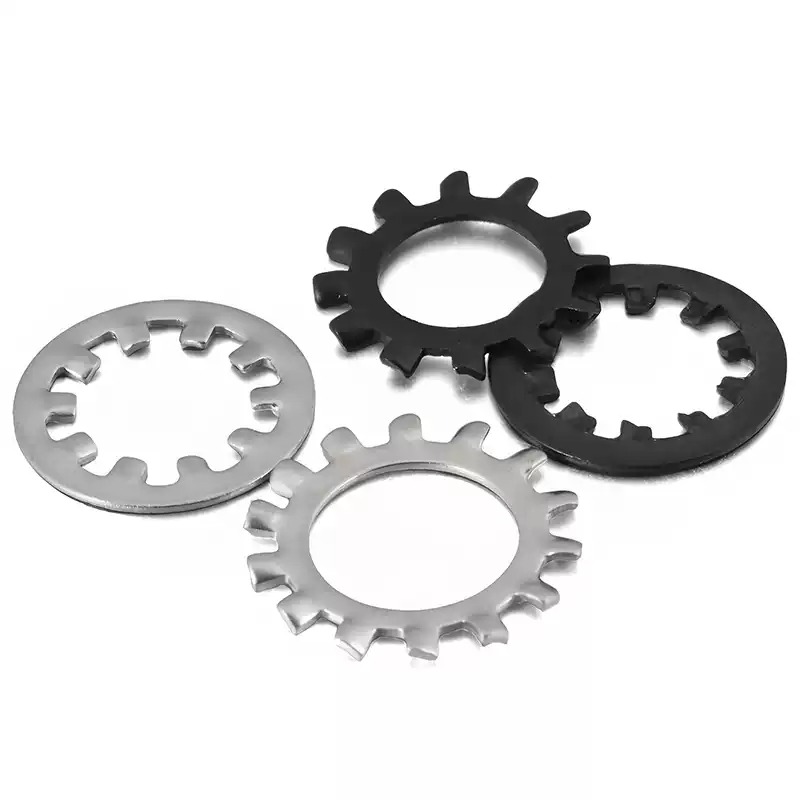
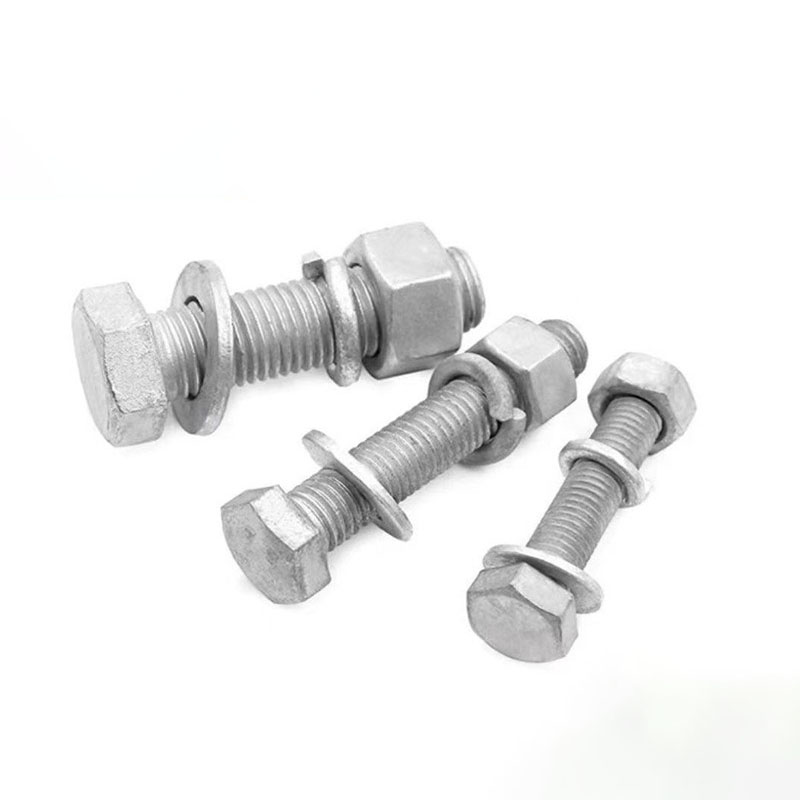
Tab Lock Washer for Secure Fastening

application/tab-lock-washer, application/tab-lock-washer, 
Inquiry
Inquiry

tab lock washer

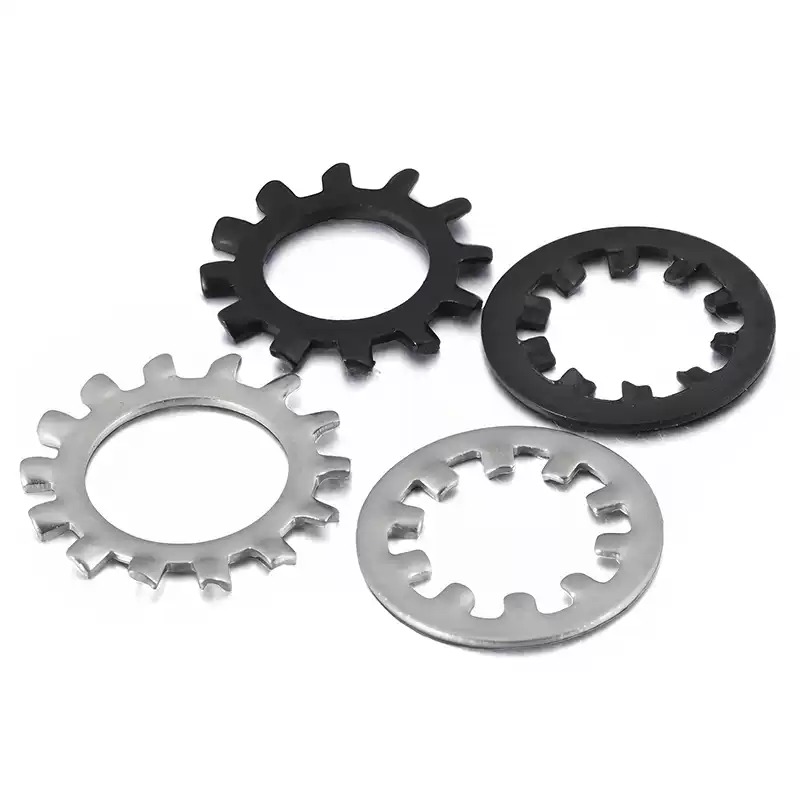
A tab lock washer is a fastening part that helps keep a nut or bolt from turning loose during service. Unlike a plain washer, the tab lock washer includes one or more raised tabs that bend against a nut, bolt head, or nearby surface. After tightening, the tab holds the fastener in place and adds a clear mechanical stop. This simple design makes the tab lock washer useful where vibration, movement, or repeated load could reduce clamping force. Most tab lock washer designs use carbon steel, stainless steel, or another durable metal selected for strength, temperature resistance, and corrosion protection. Some versions receive zinc plating, black oxide, or other surface treatments to suit outdoor or industrial conditions. A tab lock washer can support standard bolts, special nuts, and different joint layouts, provided the inner diameter, outer diameter, thickness, and tab position match the assembly. Installation normally requires placing the tab lock washer under the fastener, tightening the joint to the required torque, and bending the tab into contact with a flat edge or fastener face. Removal may require straightening or replacing the part, which helps discourage careless reuse. The tab lock washer serves in engines, gearboxes, pumps, electrical cabinets, agricultural equipment, transport systems, and general machinery. Its main functions are resisting rotation, distributing pressure, protecting the joint surface, and providing a visible locking method. For buyers, the tab lock washer offers a compact, low-cost solution when a positive mechanical lock is preferred over adhesive or complex hardware.
The main advantage of a tab lock washer is dependable fastening without a complicated installation process. A tab lock washer uses a visible metal tab, so technicians can confirm that the joint has a physical locking feature. This helps reduce uncertainty during maintenance and makes inspection faster. When equipment experiences vibration or changing loads, a tab lock washer helps prevent the nut from backing off and protects the intended clamping force. That can lower the risk of loose parts, unplanned stoppages, and secondary damage. A tab lock washer also spreads load across a wider area than a nut alone, helping protect softer joint materials and reducing surface marking. Buyers can select steel for general service or stainless steel when moisture, chemicals, or outdoor exposure create a greater corrosion risk. The tab lock washer fits many established fastening practices, allowing companies to use familiar tools and assembly methods. It does not require a special adhesive, curing time, electrical power, or complex adjustment. This saves labor and keeps production steps easy to repeat. The tab lock washer suits equipment that needs regular inspection because its bent tab provides a quick visual indication of correct installation. It can also work well in compact areas where a larger locking mechanism would add unwanted weight or cost. Before ordering, confirm the bolt size, tab shape, material grade, coating, and temperature range. A tab lock washer may need replacement after removal, so buyers should include spare quantities in maintenance planning. For applications with extreme vibration, high heat, or strict safety requirements, compare this option with prevailing-torque nuts, safety wire, or other approved methods. The tab lock washer delivers strong practical value when customers need simple, serviceable, and economical joint security.

Tips And Tricks

Beyond Galvanizing: How the Sherardizing Process Builds Ultimate Protection for High-End Steel

21

Jul

Beyond Galvanizing: How the Sherardizing Process Builds Ultimate Protection for High-End Steel

Why Sherardizing outperforms galvanizing for high-end steel—extreme corrosion resistance, zero hydrogen embrittlement & self-healing protection.
View More
New Chapter in Sino-Ethiopian Trade Cooperation: Securing a Long-Term Fastener Procurement Agreement

21

Jul

New Chapter in Sino-Ethiopian Trade Cooperation: Securing a Long-Term Fastener Procurement Agreement

How China & Ethiopia secured a long-term fastener supply deal for East Africa's booming industrial sector. Discover reliability, scalability & global impact.
View More
Full Container Ready for Shipment! Premium Fasteners Bound for the U.S. Industrial Market

21

Jul

Full Container Ready for Shipment! Premium Fasteners Bound for the U.S. Industrial Market

Need reliable, ocean-ready fasteners for U.S. industrial buyers? Our full-container shipment delivers certified quality, export-optimized packaging & seamless logistics.
View More

Get a Free Quote

Our representative will contact you soon.
0/1000
Visible Mechanical Locking

Visible Mechanical Locking

The defining feature of a tab lock washer is its bendable tab. After the fastener reaches the required tightness, the installer folds the tab against a nut, bolt head, or mating edge. This creates a direct mechanical barrier against rotation rather than relying only on friction. A tab lock washer therefore gives maintenance teams an easy visual check: a correctly positioned tab shows that the joint has been secured. In service, the tab lock washer helps keep the fastener aligned when vibration or repeated movement acts on the assembly. This feature is especially valuable in equipment that is inspected periodically, because workers can identify an unbent, damaged, or displaced tab before a loose joint causes wider problems. The tab lock washer also supports straightforward training, since the locking action is easy to understand and verify. For buyers, this means fewer hidden fastening conditions, simpler inspection routines, and greater confidence in critical connections.
Material and Surface Options

Material and Surface Options

A tab lock washer can be supplied in materials and finishes chosen for the working environment. Carbon steel offers a practical balance of strength and cost for many indoor machinery assemblies. Stainless steel provides stronger resistance to moisture, washdown, and many corrosive conditions. Zinc plating, black oxide, or other finishes can add protection and support a specified appearance. Selecting the right tab lock washer material helps extend service life and reduces the chance that rust will weaken the locking feature or complicate removal. The tab lock washer should also match the fastener and joint materials to limit unwanted corrosion caused by contact between dissimilar metals. Buyers can improve reliability by checking temperature exposure, chemical contact, humidity, and outdoor use before placing an order. This product flexibility makes the tab lock washer suitable for maintenance programs with varied equipment, while consistent dimensions support repeat purchasing and simpler inventory control.
Simple, Economical Installation

Simple, Economical Installation

The tab lock washer provides a practical locking method with few installation steps. An operator places the part beneath the nut or bolt head, tightens the fastener with normal tools, and bends the tab into its locking position. No curing period, special machine, wiring operation, or separate locking compound is needed. This helps a tab lock washer support faster assembly and efficient field repair, especially when technicians work in limited-access locations. A tab lock washer also occupies little space and adds minimal weight compared with bulkier locking hardware. Its simple design can reduce purchase cost while keeping the joint easy to understand and service. Because the locking action remains visible, supervisors can include it in routine quality checks without specialized test equipment. Buyers should remember that the correct size and tab arrangement matter, and many designs are intended for one-time use after bending. With suitable selection, the tab lock washer combines affordable sourcing, repeatable fitting, and dependable protection against fastener rotation.