aluminum threaded rod
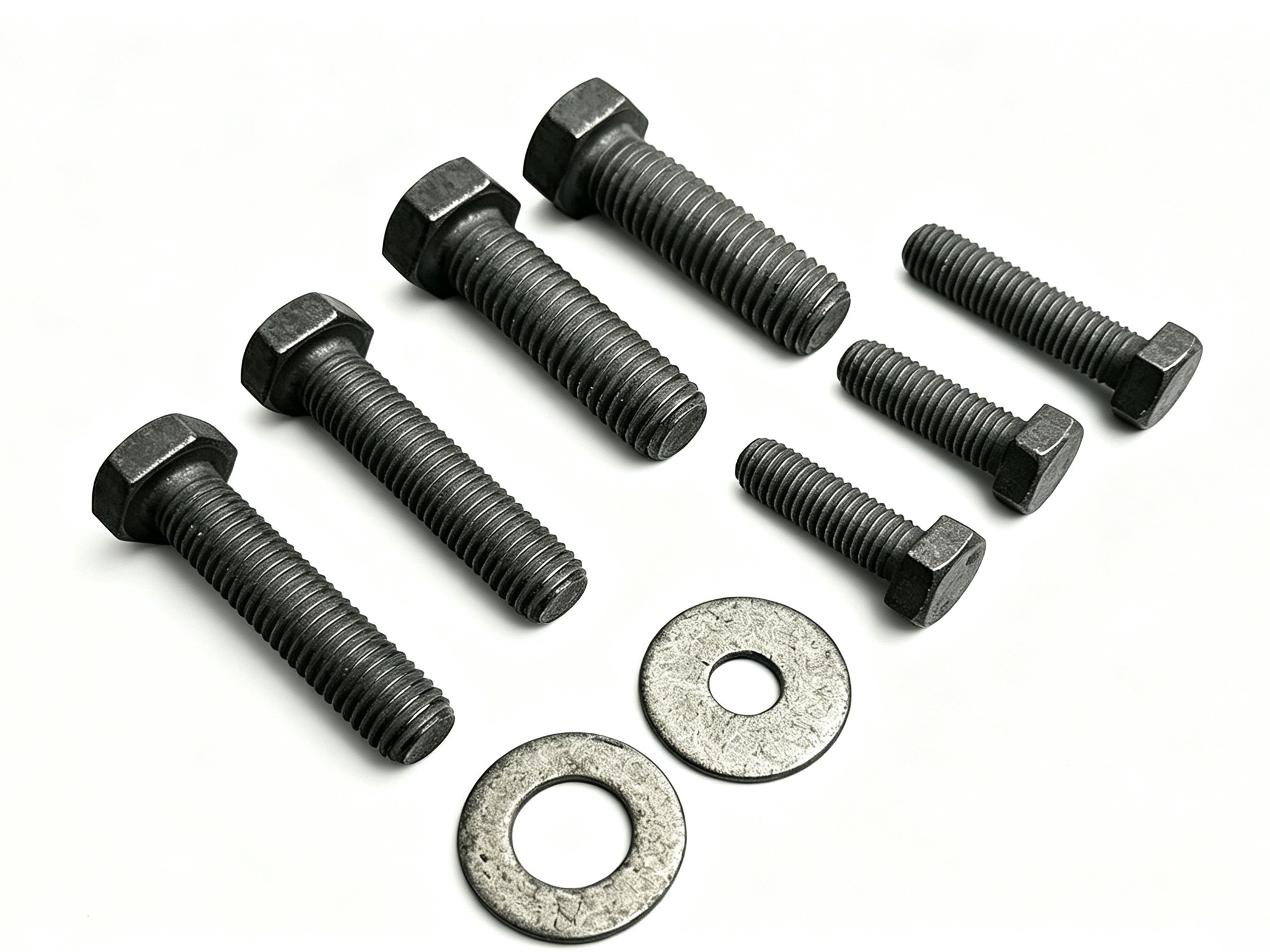
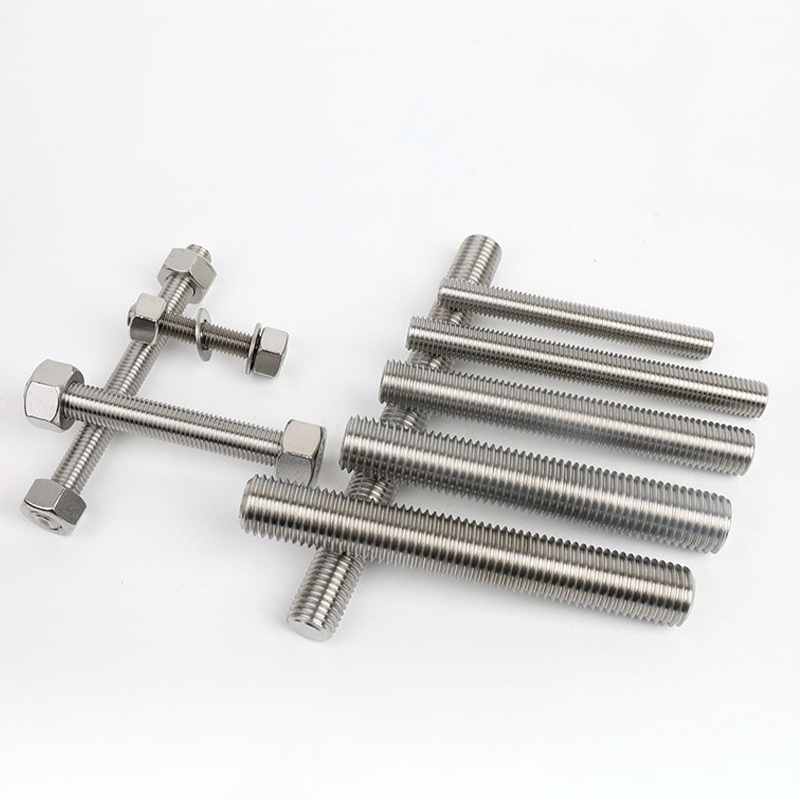
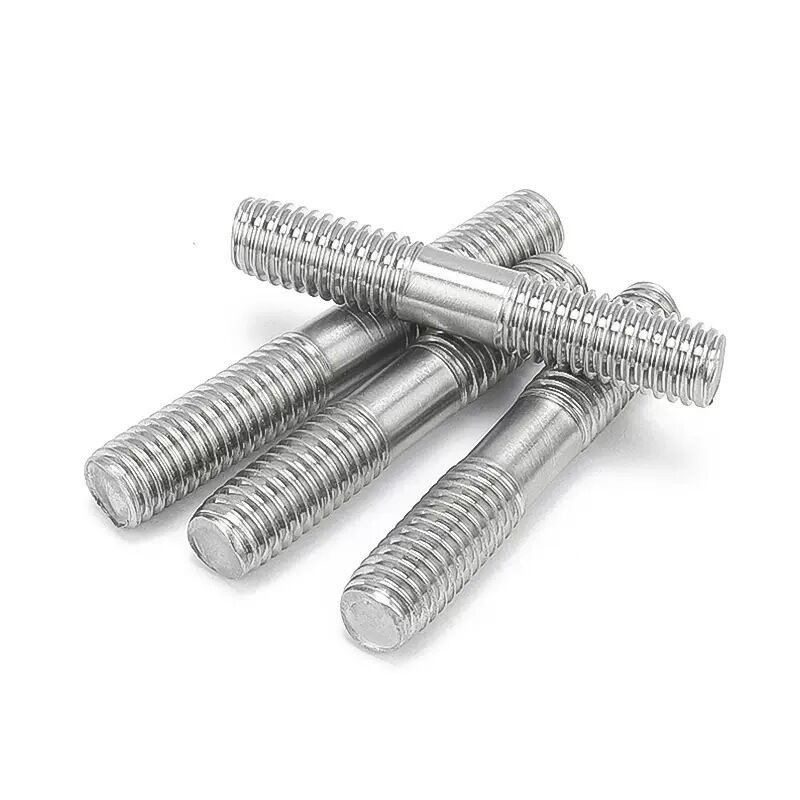
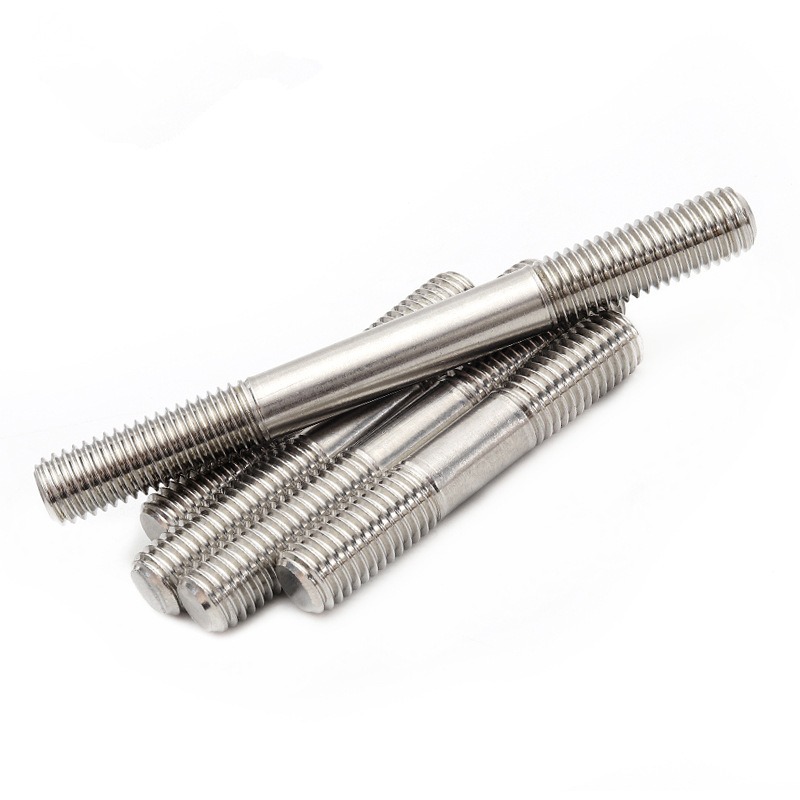
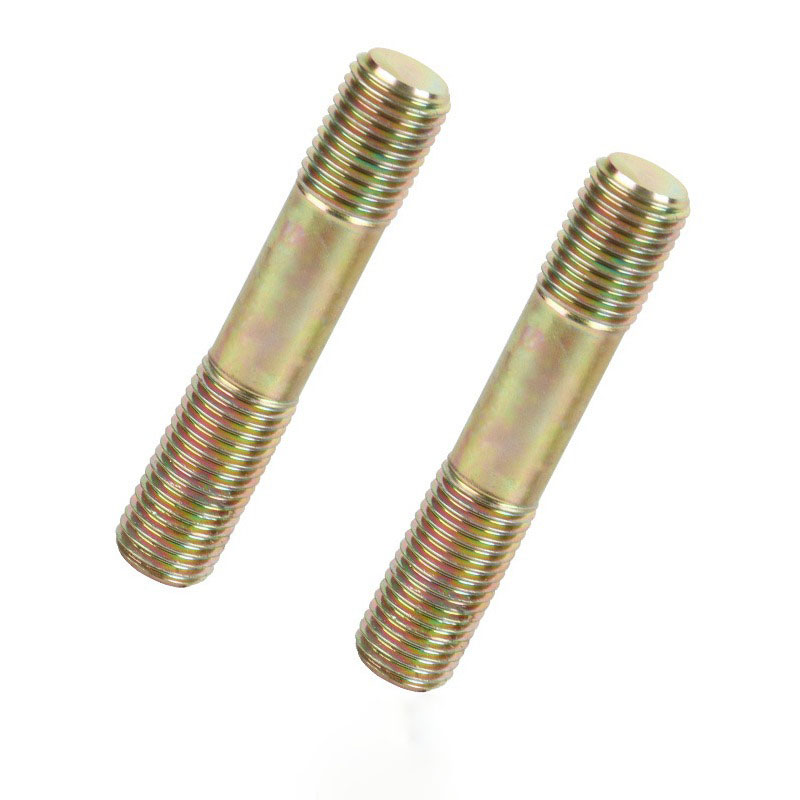
An aluminum threaded rod is a long, straight fastener with continuous external threads along its length. It joins parts, supports assemblies, and creates adjustable connection points when used with nuts, washers, brackets, or tapped fittings. Unlike steel alternatives, an aluminum threaded rod offers low weight, making it easier to carry, cut, and install on site. The aluminum threaded rod also provides useful resistance to moisture and oxidation, which supports use in demanding indoor and outdoor environments. A typical aluminum threaded rod is produced by forming or rolling threads onto an aluminum alloy bar. Thread size, pitch, length, and alloy selection determine how the product fits a project. Buyers can choose aluminum threaded rod in standard diameters and cut lengths, while suppliers may also provide custom sizes for special assemblies. During installation, an aluminum threaded rod can be trimmed with common cutting tools and secured with compatible nuts. The aluminum threaded rod works well where moderate mechanical strength, clean appearance, and reduced handling effort matter more than maximum load capacity. In equipment frames, aluminum threaded rod can hold panels, guards, cable supports, and light structural members in position. For maintenance teams, aluminum threaded rod provides a practical replacement for corroded or unnecessarily heavy hardware. It is also suitable for prototypes because users can adjust, cut, and reconfigure connections without replacing a complete assembly. Overall, aluminum threaded rod combines threaded fastening, flexible length adjustment, and corrosion resistance in one accessible component. It should be selected according to load, temperature, thread compatibility, electrical requirements, and exposure conditions.
 EN