Self Drilling Anchor Screws | Secure Fixing

application/self-drilling-anchor-screws, application/self-drilling-anchor-screws, 
Inquiry
Inquiry

self drilling anchor screws

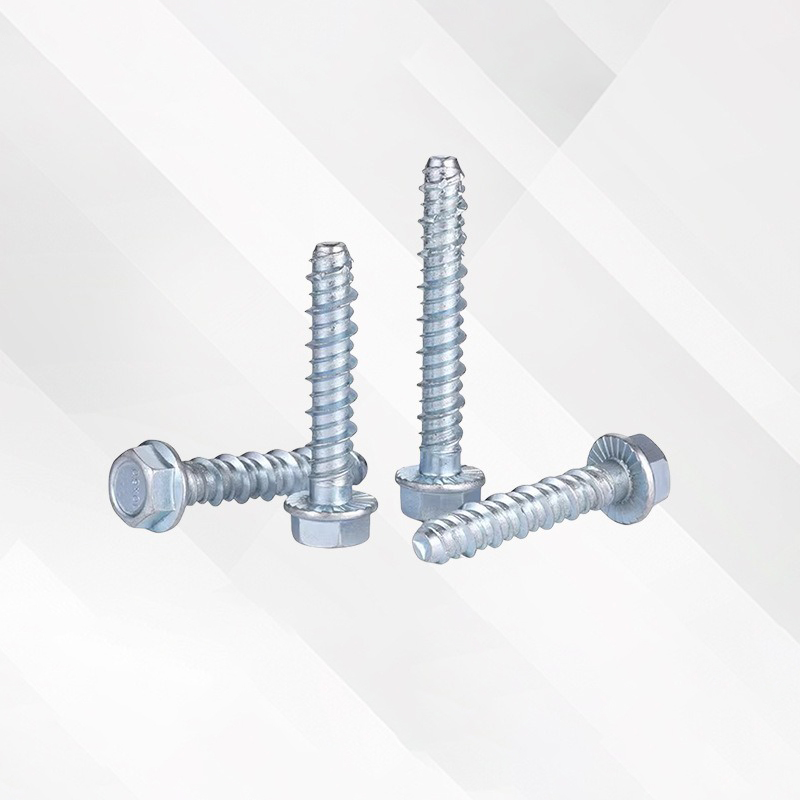
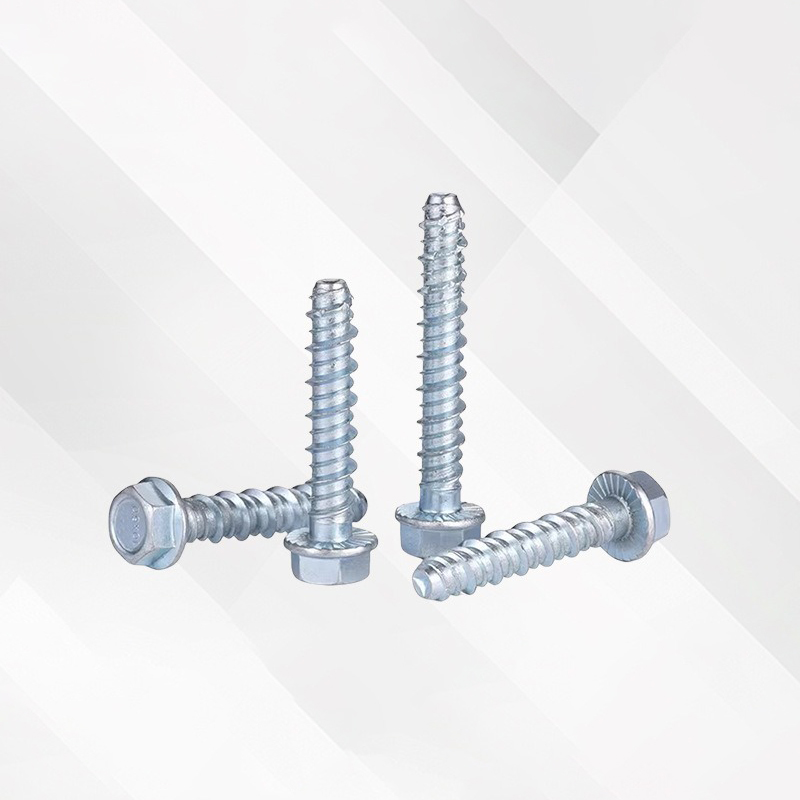
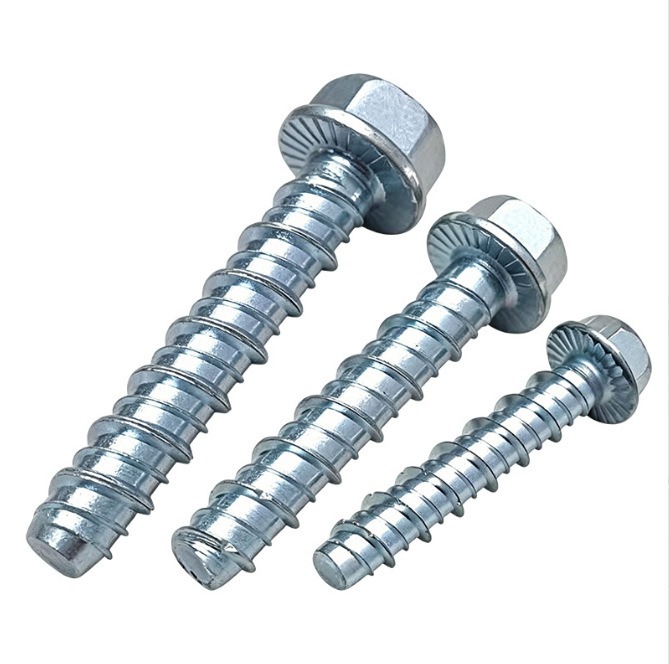
Self drilling anchor screws are fasteners designed to create their own hole and secure materials to concrete, masonry, block, brick, or other solid bases. They combine drilling, threading, and holding action in one product, so installers can often complete a fixing task without a separate plug or anchor. Unlike standard screws, self drilling anchor screws use a hardened point and cutting thread that enter the base directly when driven with a suitable power tool. Their design reduces the number of installation steps and helps produce a firm connection with less handling. During installation, the point opens a controlled hole while the thread forms a grip inside the substrate. The screw head then holds a bracket, track, panel, frame, or fixture against the surface. Many self drilling anchor screws use carbon steel or hardened steel for strength, while protective coatings help resist rust in indoor and sheltered outdoor conditions. Depending on the project, buyers can select different lengths, diameters, head styles, and coatings. Because self drilling anchor screws install quickly, they suit repetitive work where speed and consistency matter. They also support clean, neat fixing when the operator uses the correct driver setting and avoids over-tightening. For renovation and construction work, self drilling anchor screws can secure light to medium loads in suitable substrates. In commercial, residential, industrial, and service environments, they provide a practical alternative to multi-part anchoring systems. When choosing a product, check the base material, load requirement, screw length, corrosion exposure, and manufacturer guidance to match the fastener to the job.
Self drilling anchor screws give buyers a simpler way to complete many fixing jobs. A buyer can reduce the number of separate components because one fastener performs the drilling and anchoring steps. That can lower purchasing complexity, reduce lost parts, and make site preparation easier. Because self drilling anchor screws need fewer installation stages, workers can finish repeated tasks faster and spend less time changing tools. The faster process can improve labor productivity on wall lining, cable support, light framing, signage, and equipment installation projects. The design also helps create a consistent fixing pattern when installers use the recommended drill or impact driver and apply steady pressure. The result is useful for teams that need dependable output across many locations. Self drilling anchor screws are suitable for concrete, brick, block, and masonry when the selected model matches the material and load. Their compact format works well where access is limited or where a separate expansion anchor would be difficult to position. Buyers can choose corrosion resistant finishes for humid rooms, covered exterior areas, and service spaces, while standard finishes may suit dry indoor work. Their direct installation reduces handling of plugs and washers, which can make cleanup and stock control easier. Compared with a basic screw and separate wall plug, self drilling anchor screws can save steps, but they are not a universal answer for heavy structural loads or weak substrates. For that reason, check the supplier load data, edge distance, embedment depth, and surface condition before ordering. The right choice delivers a cleaner workflow, predictable holding power, and better value over the complete installation, not simply a low unit price. For contractors, distributors, and maintenance buyers, self drilling anchor screws also simplify product selection because one family can cover several common fixing needs. In practical terms, they support faster service calls, fewer installation errors, and a more organized fastener inventory.

Latest News

Beyond Galvanizing: How the Sherardizing Process Builds Ultimate Protection for High-End Steel

21

Jul

Beyond Galvanizing: How the Sherardizing Process Builds Ultimate Protection for High-End Steel

Why Sherardizing outperforms galvanizing for high-end steel—extreme corrosion resistance, zero hydrogen embrittlement & self-healing protection.
View More
New Chapter in Sino-Ethiopian Trade Cooperation: Securing a Long-Term Fastener Procurement Agreement

21

Jul

New Chapter in Sino-Ethiopian Trade Cooperation: Securing a Long-Term Fastener Procurement Agreement

How China & Ethiopia secured a long-term fastener supply deal for East Africa's booming industrial sector. Discover reliability, scalability & global impact.
View More
Full Container Ready for Shipment! Premium Fasteners Bound for the U.S. Industrial Market

21

Jul

Full Container Ready for Shipment! Premium Fasteners Bound for the U.S. Industrial Market

Need reliable, ocean-ready fasteners for U.S. industrial buyers? Our full-container shipment delivers certified quality, export-optimized packaging & seamless logistics.
View More

Get a Free Quote

Our representative will contact you soon.
0/1000
One Fastener, Fewer Installation Steps

One Fastener, Fewer Installation Steps

The main advantage of self drilling anchor screws is their integrated installation action. A hardened drilling point starts the hole, and the formed thread engages the base as the fastener advances. This lets the installer work with one fixing component rather than coordinating a screw, plug, and separate drilling stage. Self drilling anchor screws can therefore shorten the path from marking a position to securing a fixture. That benefit matters on large projects, where small time savings multiply across hundreds of points. It also helps maintenance teams respond quickly when they must attach a bracket, route a cable, or replace a fitting. With the correct bit and driver setting, the process remains straightforward for trained operators. Self drilling anchor screws reduce loose parts on the work surface and make stock control easier. Buyers gain a more efficient workflow, while installers gain a clear, repeatable method. Always match the fastener to the substrate and avoid using it beyond its rated purpose.
Reliable Grip in Common Building Materials

Reliable Grip in Common Building Materials

Self drilling anchor screws create a direct mechanical grip inside suitable solid materials. Their cutting point and thread work together to enter concrete, brick, block, or masonry without requiring a separate expansion plug. This design gives self drilling anchor screws a secure connection for many light and medium duty fixtures when the installer follows the product instructions. The holding result depends on the base quality, embedment depth, screw size, and applied load, so correct selection remains important. In sound material, the fastener can support brackets, rails, conduits, signs, panels, and service equipment with a neat finished appearance. Self drilling anchor screws also suit jobs where a compact fixing is preferred over a larger anchor assembly. Buyers can choose lengths and head styles to match the fixture and available access. This flexibility helps distributors serve varied customer needs with a practical range. The value is dependable everyday performance, not an unsupported promise of universal structural capacity. For demanding loads, use an engineered anchoring system.
Durable Options for Demanding Work Areas

Durable Options for Demanding Work Areas

Material and finish choices make self drilling anchor screws useful across a broad range of working conditions. Hardened steel provides the strength needed to penetrate hard bases, while zinc or other protective finishes help slow surface corrosion in normal service environments. Some self drilling anchor screws are available with enhanced coatings for damp interiors, covered outdoor locations, or equipment rooms. This gives buyers a clearer way to balance performance, service life, and purchase cost. In dry indoor areas, a standard finish may provide an economical solution. In humid or exposed areas, a more resistant finish can reduce maintenance concerns and the risk of premature replacement. Self drilling anchor screws also come in different lengths, diameters, and head forms, allowing installers to choose a suitable combination for the fixture thickness and substrate. The correct option improves appearance and holding confidence without adding unnecessary material. Buyers should review coating compatibility, exposure conditions, load data, and installation guidance before ordering. A planned specification supports long-term value and fewer call-backs.