Stainless Steel Fasteners in Aluminum Guide

application/stainless-steel-fasteners-in-aluminum, application/stainless-steel-fasteners-in-aluminum, 
Inquiry
Inquiry

stainless steel fasteners in aluminum

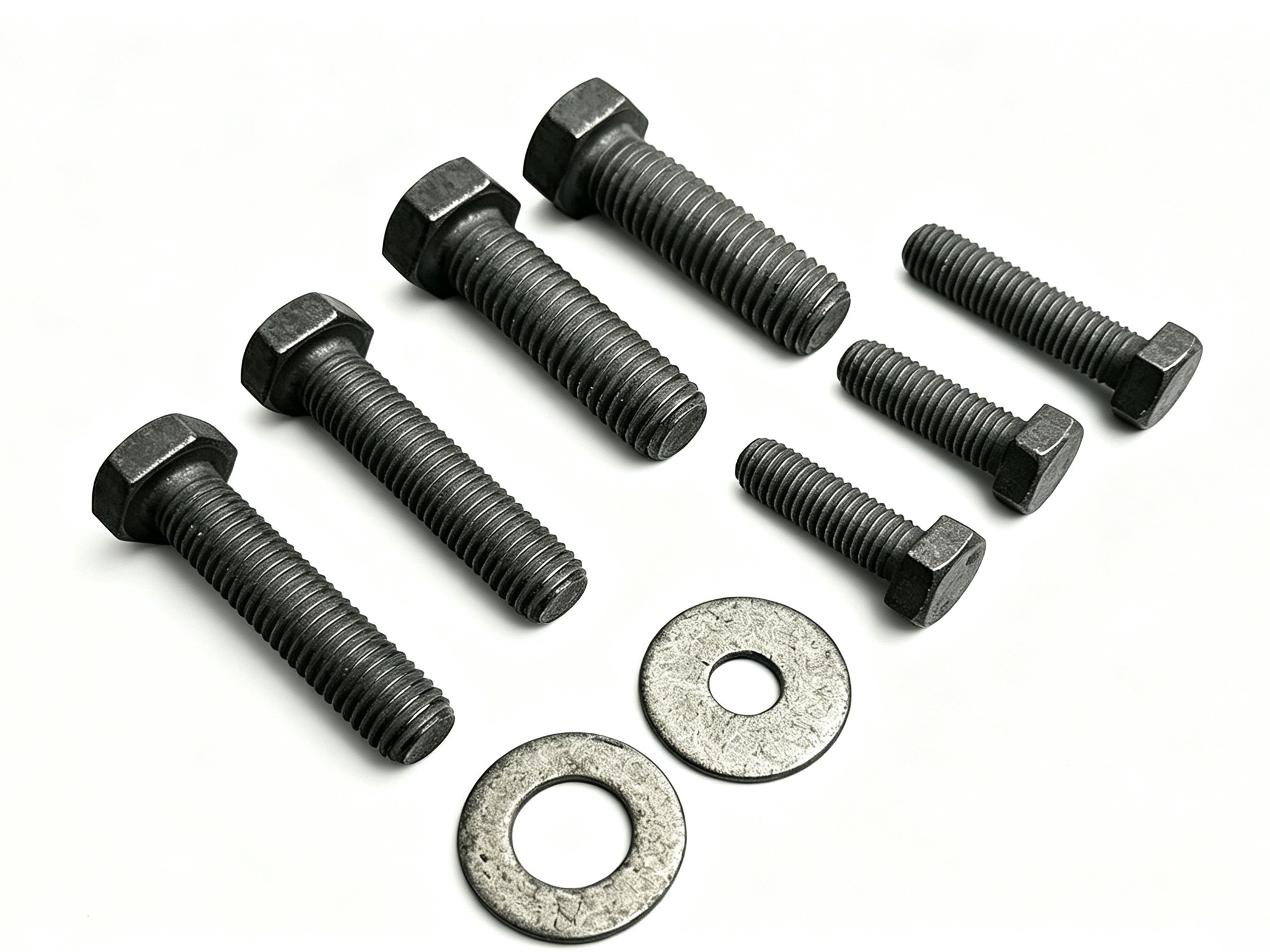
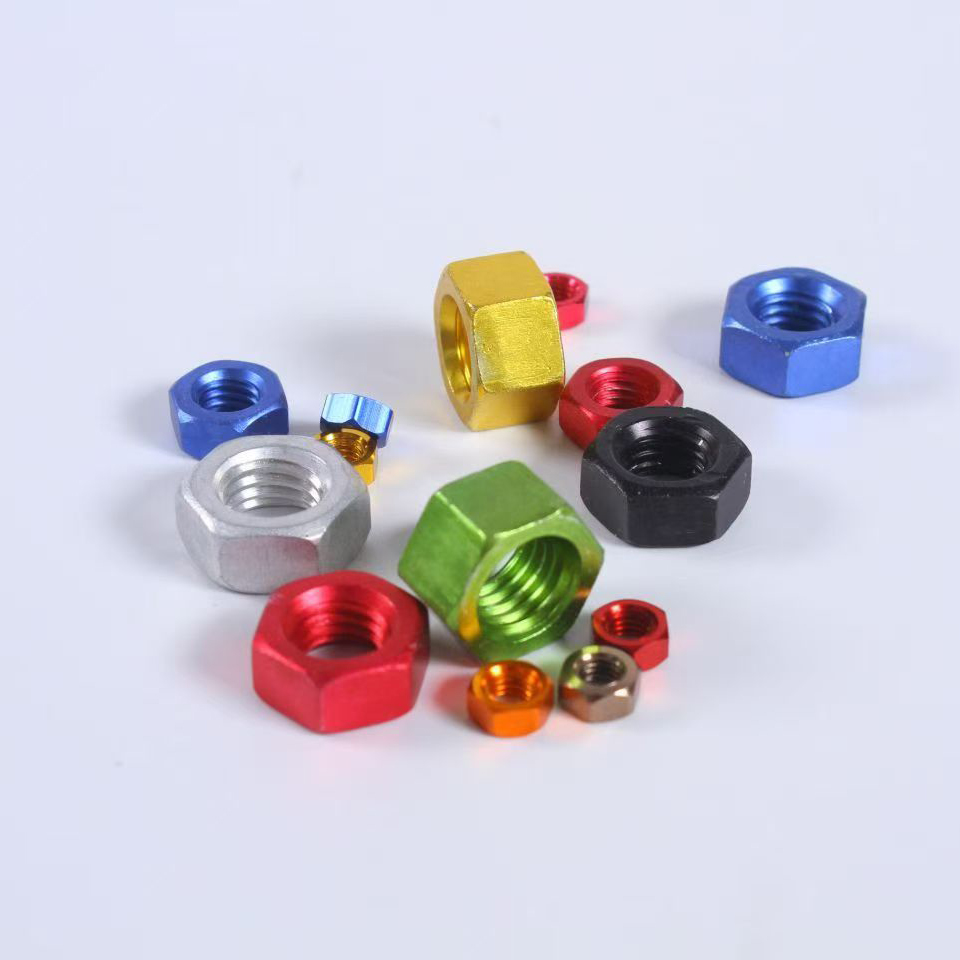
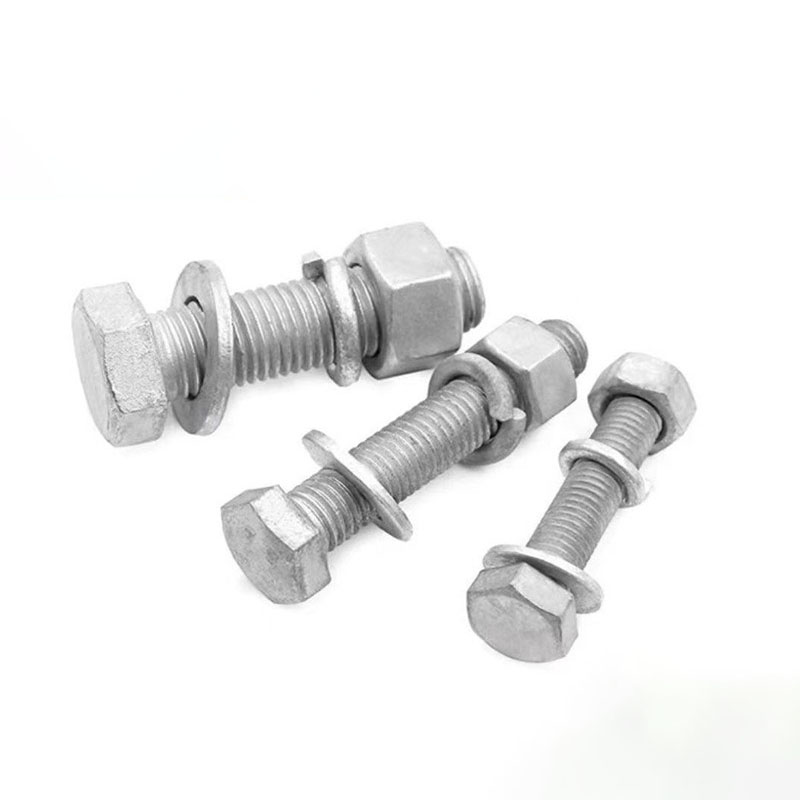
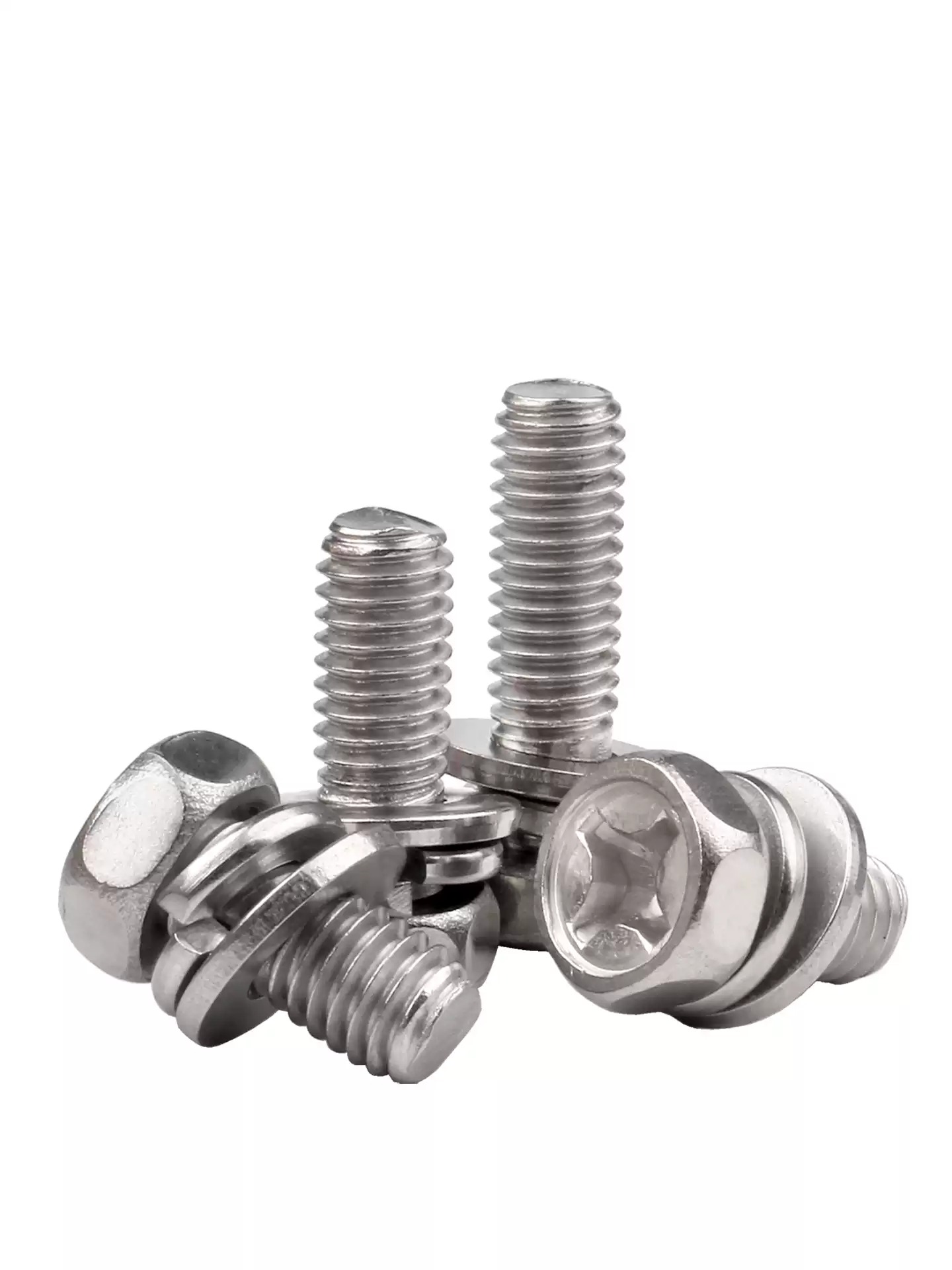
Stainless steel fasteners in aluminum join panels, frames, housings, rails, and other aluminum parts while providing dependable mechanical support. This product group includes bolts, screws, nuts, washers, rivets, threaded inserts, and specialized clips. Choosing stainless steel fasteners in aluminum helps create a strong connection without adding excessive weight to the finished assembly. Stainless steel offers high tensile strength, good wear resistance, and a clean appearance that suits both visible and concealed installations. These stainless steel fasteners in aluminum are available in common grades such as 304 for general use and 316 for demanding outdoor, coastal, or chemical environments. The correct grade depends on moisture, salt exposure, temperature, load, and cleaning conditions. When stainless steel fasteners in aluminum are installed correctly, they can provide stable clamping force and reduce the need for frequent replacement. However, the two metals can react when moisture and conductive contaminants create galvanic corrosion. For this reason, stainless steel fasteners in aluminum often require isolation washers, protective coatings, sealants, or suitable anti-seize compounds. Product design may also include precise threads, compatible head styles, controlled dimensions, and corrosion-resistant finishes. Well-selected stainless steel fasteners in aluminum support efficient assembly because they are easy to source, inspect, and replace. The performance of stainless steel fasteners in aluminum depends on matching diameter, length, thread type, torque, and washer design to the application. For buyers, stainless steel fasteners in aluminum offer a practical balance of strength, durability, appearance, and installation convenience. In short, stainless steel fasteners in aluminum suit projects that need reliable joints, low maintenance, and long service life across construction, transport, marine, renewable energy, and equipment manufacturing.
Stainless steel fasteners in aluminum give buyers a dependable way to connect lightweight components without sacrificing joint strength. The combination supports strong frames and covers while keeping total assembly weight under control. Compared with ordinary carbon steel hardware, stainless steel fasteners in aluminum offer better resistance to rust, staining, and routine moisture. That advantage can lower replacement frequency and help preserve the finished appearance. Stainless steel fasteners in aluminum also work well where customers need clean, consistent hardware for architectural panels, doors, windows, machinery, and exposed equipment. Buyers can select different head shapes, drives, lengths, diameters, and thread patterns to match tools and design requirements. This flexibility simplifies purchasing and reduces the need for improvised parts. Stainless steel fasteners in aluminum can support faster installation because standard sizes are widely available and installers can use familiar tools. Washers and inserts can improve load distribution, protect soft aluminum surfaces, and reduce thread damage. For outdoor or coastal work, 316 stainless hardware can provide additional resistance to salt and harsh exposure, while 304 often offers a cost-effective option for normal indoor or general outdoor service. Proper separation between the metals is important, so buyers should consider nylon washers, joint sealants, coatings, or approved installation paste where moisture may collect. This step helps control galvanic corrosion and protects the surrounding aluminum. Stainless steel fasteners in aluminum also make maintenance more predictable: technicians can inspect visible heads, retighten accessible joints, and replace individual pieces without removing an entire assembly. For decision-making, compare grade, strength, corrosion conditions, thread fit, installation torque, and total ownership cost rather than price alone. The right stainless steel fasteners in aluminum can improve uptime, reduce service calls, and deliver a professional result across varied applications.

Latest News

Beyond Galvanizing: How the Sherardizing Process Builds Ultimate Protection for High-End Steel

21

Jul

Beyond Galvanizing: How the Sherardizing Process Builds Ultimate Protection for High-End Steel

Why Sherardizing outperforms galvanizing for high-end steel—extreme corrosion resistance, zero hydrogen embrittlement & self-healing protection.
View More
New Chapter in Sino-Ethiopian Trade Cooperation: Securing a Long-Term Fastener Procurement Agreement

21

Jul

New Chapter in Sino-Ethiopian Trade Cooperation: Securing a Long-Term Fastener Procurement Agreement

How China & Ethiopia secured a long-term fastener supply deal for East Africa's booming industrial sector. Discover reliability, scalability & global impact.
View More
Full Container Ready for Shipment! Premium Fasteners Bound for the U.S. Industrial Market

21

Jul

Full Container Ready for Shipment! Premium Fasteners Bound for the U.S. Industrial Market

Need reliable, ocean-ready fasteners for U.S. industrial buyers? Our full-container shipment delivers certified quality, export-optimized packaging & seamless logistics.
View More

Get a Free Quote

Our representative will contact you soon.
0/1000
Strong, Lightweight Joint Performance

Strong, Lightweight Joint Performance

Stainless steel fasteners in aluminum help create firm connections while preserving the weight advantage of aluminum parts. This matters in transportation, equipment frames, solar structures, and modular enclosures, where every unnecessary kilogram can affect handling, shipping, or energy use. The hardware provides reliable clamping force and resists thread wear during assembly and maintenance. Stainless steel fasteners in aluminum are available in multiple diameters and lengths, allowing engineers and installers to match the fastener to the load and material thickness. A suitable washer spreads pressure across the aluminum surface and helps prevent dents or pull-through. Buyers gain a practical combination of strength, compact design, and repeatable installation. Instead of using oversized hardware to compensate for weak materials, teams can select a properly rated product for the joint. This supports cleaner designs and can reduce material consumption. For projects that require regular access, removable screws and bolts also make inspection, repair, and component replacement easier.
Corrosion Control for Mixed Metals

Corrosion Control for Mixed Metals

The main technical challenge when joining dissimilar metals is galvanic corrosion. Stainless steel fasteners in aluminum can perform well, but moisture, salt, and electrical contact may cause the aluminum to corrode around the joint. A thoughtful installation solves this risk before it becomes a service problem. Stainless steel fasteners in aluminum should be paired with isolation washers, sleeves, sealants, coatings, or approved anti-seize products when the environment calls for protection. These measures interrupt the conductive path, limit water entry, and preserve the contact area. Selecting 316 stainless steel can add useful resistance in marine, coastal, chemical, and heavily exposed locations, while 304 remains suitable for many general conditions. This feature gives buyers a clear way to match cost and performance to the site. Correct drainage, clean contact surfaces, and controlled tightening also matter. With the right combination of grade and protection, stainless steel fasteners in aluminum help extend joint life, reduce staining, and limit unplanned repairs.
Flexible Options for Efficient Installation

Flexible Options for Efficient Installation

Stainless steel fasteners in aluminum support efficient work because suppliers offer a broad range of forms, sizes, and drive styles. Buyers can choose machine screws, self-drilling screws, bolts, nuts, rivets, threaded inserts, and captive hardware according to access, load, and service needs. Stainless steel fasteners in aluminum can suit thin sheet, extrusions, castings, panels, and assembled frames when the thread engagement and length are correct. This flexibility helps production teams standardize hardware across multiple products and keeps replacement parts easier to manage. Common head designs allow powered tools or hand tools to complete installation, while consistent threads improve fit and reduce cross-threading. For field work, readily available sizes can shorten delays and simplify repairs. For factory production, repeatable dimensions support automated feeding, torque control, and quality checks. The result is a more predictable assembly process, fewer fitting problems, and better control over labor costs. Stainless steel fasteners in aluminum also provide a neat finish for customer-facing equipment and architectural work.