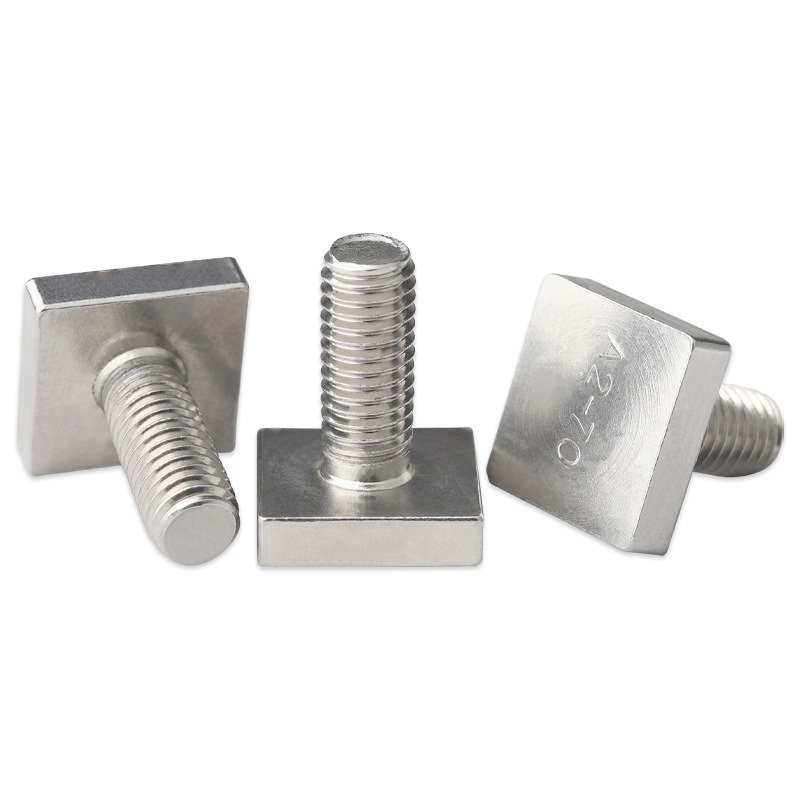
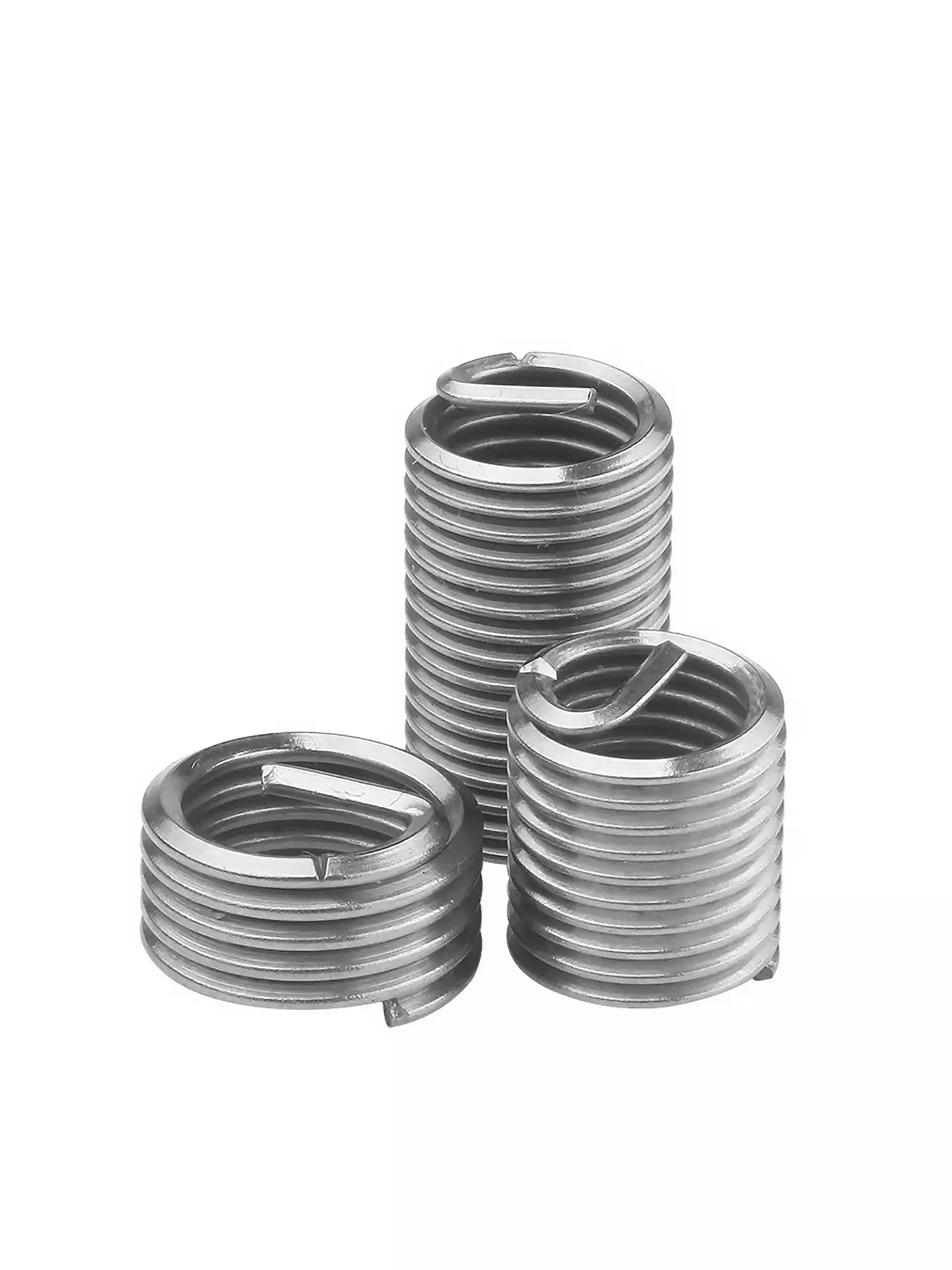
Aluminum Studs for Strong, Light Builds

application/aluminum-studs, application/aluminum-studs, 
Inquiry
Inquiry

aluminum studs

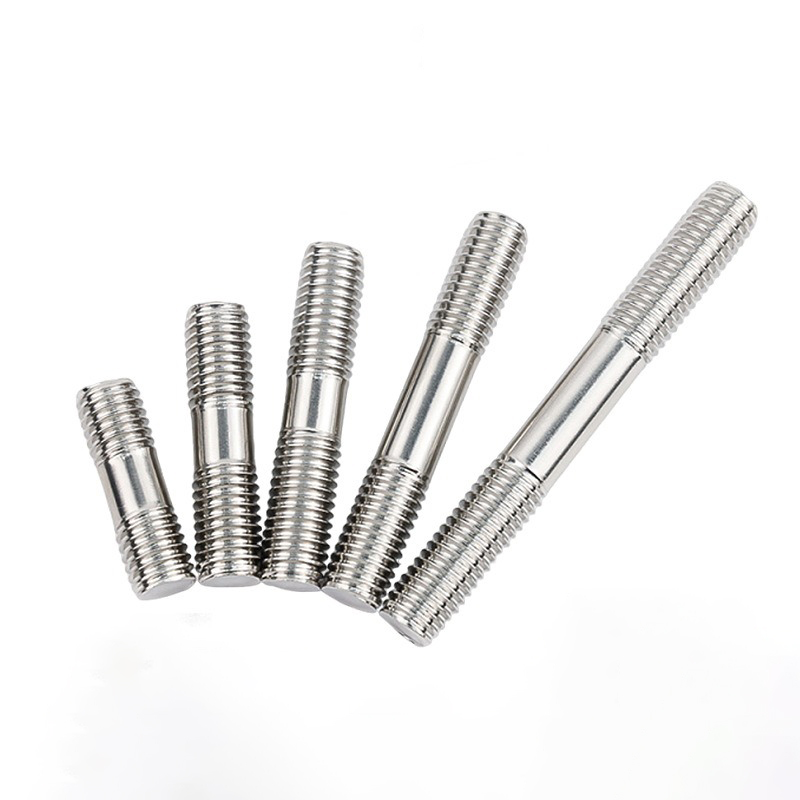
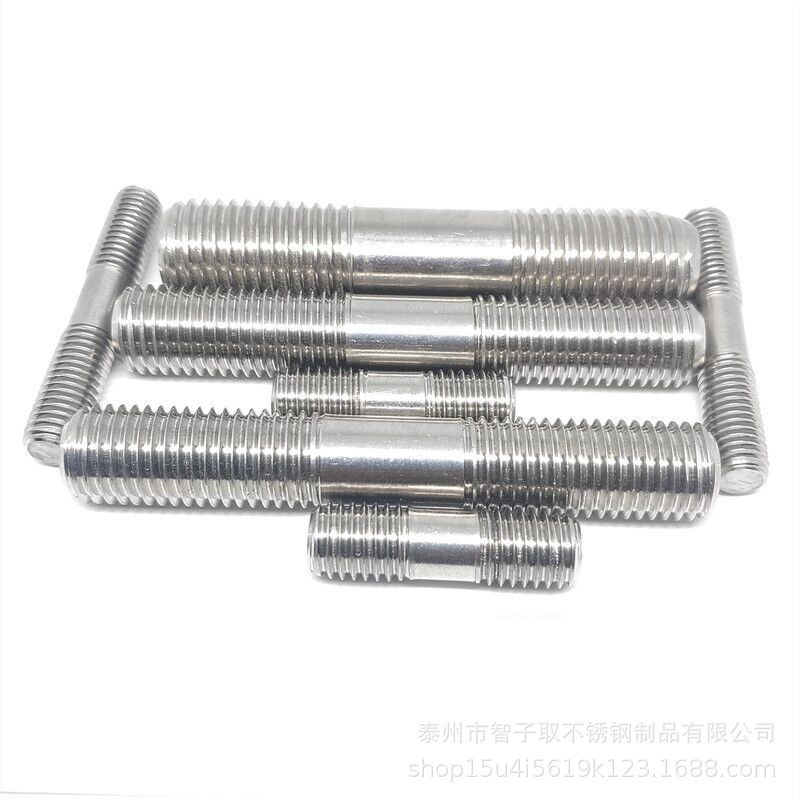
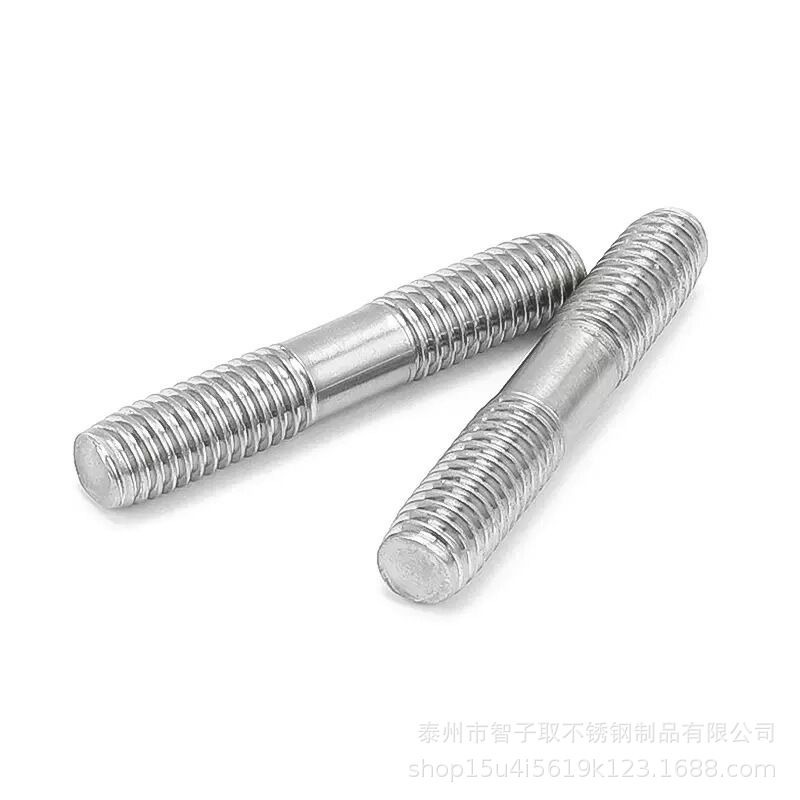
Aluminum studs are lightweight structural members used to create straight, stable frames for walls, ceilings, partitions, cabinets, displays, and equipment enclosures. They hold boards, panels, insulation, and finish materials in position while helping installers build accurate surfaces. Unlike many traditional framing materials, aluminum studs resist rust, moisture, insects, and rot, making them useful in demanding indoor and semi-outdoor settings. Aluminum studs also provide a clean base for drywall, composite sheets, plastic panels, and other coverings. Their main function is to support a finished assembly without adding unnecessary weight to the building or product. Manufacturers form aluminum studs through precision rolling or extrusion, which creates consistent dimensions and smooth, repeatable edges. Common designs include track-compatible channels, C-shaped sections, reinforced profiles, and pre-punched versions that simplify wiring and fastening. Aluminum studs can include screw flanges, service openings, snap-fit details, or custom holes for specific projects. These features help users cut, align, join, and inspect frames more efficiently. Aluminum studs work with screws, rivets, clips, brackets, and compatible tracks, giving customers flexible installation choices. Their nonmagnetic, noncombustible, and recyclable material profile can support safety and sustainability goals. Aluminum studs suit commercial interiors, modular construction, transport interiors, retail fixtures, clean areas, wet rooms, and industrial guards. They are especially valuable where low weight, dimensional consistency, and long service life matter. Aluminum studs offer a dependable framing solution for new construction, renovation, and custom fabrication projects.
Aluminum studs give buyers a practical balance of strength, low weight, durability, and installation speed. Aluminum studs are easier to carry than heavier framing materials, so one installer can often move more pieces with less strain. Lower handling weight can also reduce transport costs and simplify work on upper floors, in tight rooms, or inside finished buildings. Aluminum studs maintain a straight profile and resist swelling, twisting, and decay, helping crews achieve cleaner walls and more predictable panel alignment. Because aluminum studs do not rust like ordinary steel, they suit bathrooms, kitchens, coastal sites, garages, utility rooms, and other areas exposed to moisture. They also resist insects and do not provide a food source for mold, which supports cleaner long-term installations when the complete assembly is properly designed. Aluminum studs support quick cutting and fastening with common job-site tools. Compatible tracks, openings, and flanges can reduce measuring time, improve service routing, and make later access easier. This can help contractors finish more work with fewer corrections. Aluminum studs also reduce the load placed on floors, ceilings, transport frames, and movable structures. That benefit matters in modular rooms, exhibition systems, vehicle interiors, and lightweight partitions. For customers, the value extends beyond installation: corrosion resistance can lower replacement needs, while recyclable material can support responsible purchasing policies. Aluminum studs provide consistent results across small repairs and large projects, but buyers should match profile thickness, span, fastening method, and finish to the expected load. Choosing the right section prevents overuse and helps control total project cost. Aluminum studs are a strong fit when durability, clean appearance, flexible design, and efficient handling all influence the purchase decision.

Latest News

Beyond Galvanizing: How the Sherardizing Process Builds Ultimate Protection for High-End Steel

21

Jul

Beyond Galvanizing: How the Sherardizing Process Builds Ultimate Protection for High-End Steel

Why Sherardizing outperforms galvanizing for high-end steel—extreme corrosion resistance, zero hydrogen embrittlement & self-healing protection.
View More
New Chapter in Sino-Ethiopian Trade Cooperation: Securing a Long-Term Fastener Procurement Agreement

21

Jul

New Chapter in Sino-Ethiopian Trade Cooperation: Securing a Long-Term Fastener Procurement Agreement

How China & Ethiopia secured a long-term fastener supply deal for East Africa's booming industrial sector. Discover reliability, scalability & global impact.
View More
Full Container Ready for Shipment! Premium Fasteners Bound for the U.S. Industrial Market

21

Jul

Full Container Ready for Shipment! Premium Fasteners Bound for the U.S. Industrial Market

Need reliable, ocean-ready fasteners for U.S. industrial buyers? Our full-container shipment delivers certified quality, export-optimized packaging & seamless logistics.
View More

Get a Free Quote

Our representative will contact you soon.
0/1000
Lightweight Handling With Reliable Frame Support

Lightweight Handling With Reliable Frame Support

Aluminum studs combine useful structural support with a noticeably low carrying weight. Aluminum studs let installers move bundles, position long lengths, and adjust frames with less effort than many heavier alternatives. That practical advantage can reduce fatigue and make work more manageable in narrow corridors, high-rise rooms, retail spaces, and renovation areas where access is limited. The material still provides a firm base for boards, panels, insulation, and mounted accessories when users select the correct profile and fastening pattern. Aluminum studs maintain consistent dimensions, so workers can create straighter lines and more even corners without spending excessive time correcting warped sections. Their stable shape also helps finishes sit neatly, which can improve the appearance of completed walls, ceilings, displays, and enclosures. For project owners, this feature may shorten installation time, reduce handling risk, and lower labor pressure. Aluminum studs are particularly useful for modular builds and transportable structures where every kilogram affects movement, assembly, or support requirements.
Corrosion Resistance for Demanding Environments

Corrosion Resistance for Demanding Environments

Aluminum studs deliver strong protection against everyday moisture and corrosive conditions. Aluminum studs do not rust in the same way as untreated steel, so they can support longer-lasting frames in wet rooms, coastal buildings, food service areas, workshops, and utility spaces. This does not remove the need for sound drainage, suitable fasteners, or proper surface design, but it gives buyers a valuable material advantage from the start. Aluminum studs also resist rot and insect damage, helping reduce concerns that can affect organic framing products in damp or enclosed locations. Their clean metallic surface is suitable for exposed utility frames, covered partitions, equipment guards, and interior systems where appearance matters. Customers can benefit from fewer material-related repairs and a lower chance of replacing damaged sections prematurely. Aluminum studs make sense when a frame may face condensation, cleaning routines, humid air, or occasional splash exposure. With the right alloy, finish, thickness, and connectors, they provide dependable service while preserving a neat, professional installation.
Precision Profiles That Simplify Custom Installation

Precision Profiles That Simplify Custom Installation

Aluminum studs support accurate, adaptable construction through repeatable profiles and project-specific features. Aluminum studs can be produced with channels, flanges, service holes, slots, reinforced walls, and pre-cut lengths that match a planned assembly. These options help installers route cables, position plumbing, attach panels, and connect tracks without unnecessary drilling or repeated measurement. Aluminum studs also work with screws, rivets, brackets, clips, and other common connection methods, allowing teams to use familiar tools and procedures. A consistent profile makes it easier to maintain alignment across long runs and repeat the same detail throughout a project. That matters for offices, retail displays, clean areas, modular rooms, cabinets, and industrial covers where appearance and fit must remain uniform. Buyers can select standard sections for efficient purchasing or custom designs for specialized equipment and space limits. Aluminum studs therefore provide more than basic support: they help turn a complex framing task into a controlled, repeatable process with clearer installation steps and easier future modification.