Copper Threaded Rod | Strong Conductive Fastening

application/copper-threaded-rod, application/copper-threaded-rod, 
Inquiry
Inquiry

copper threaded rod

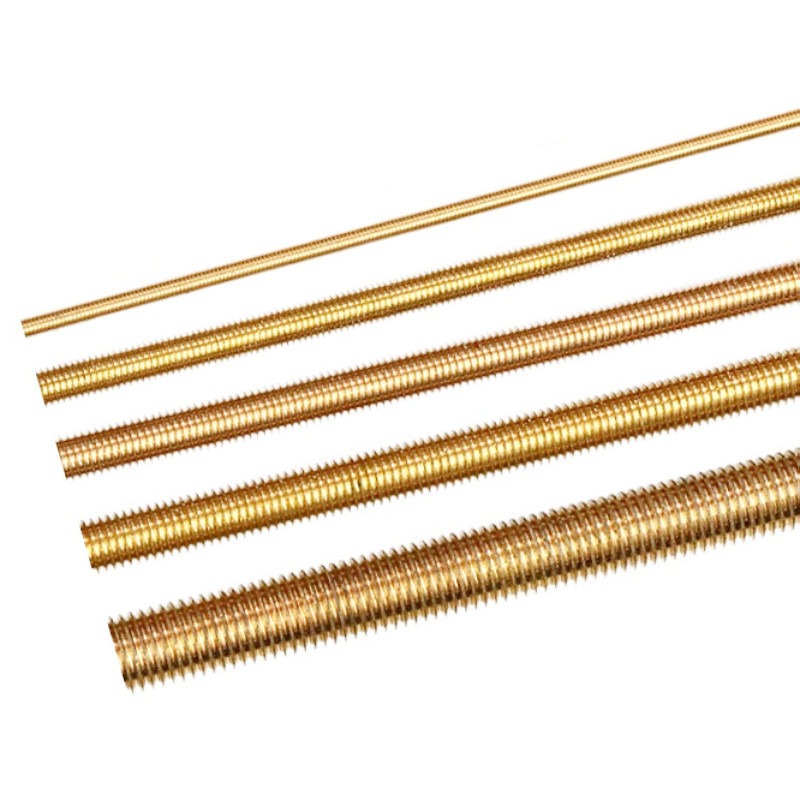
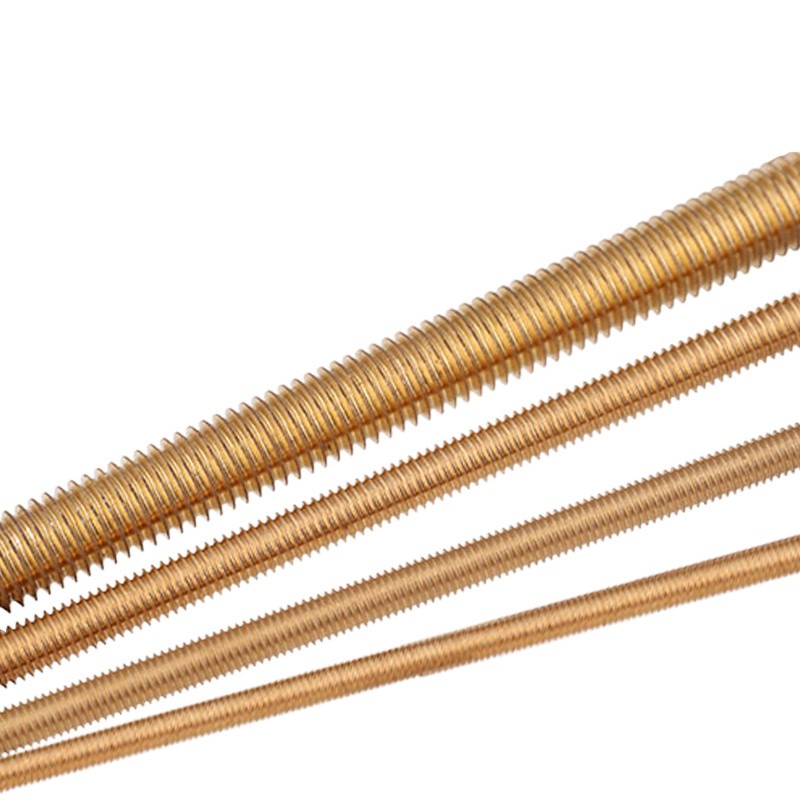
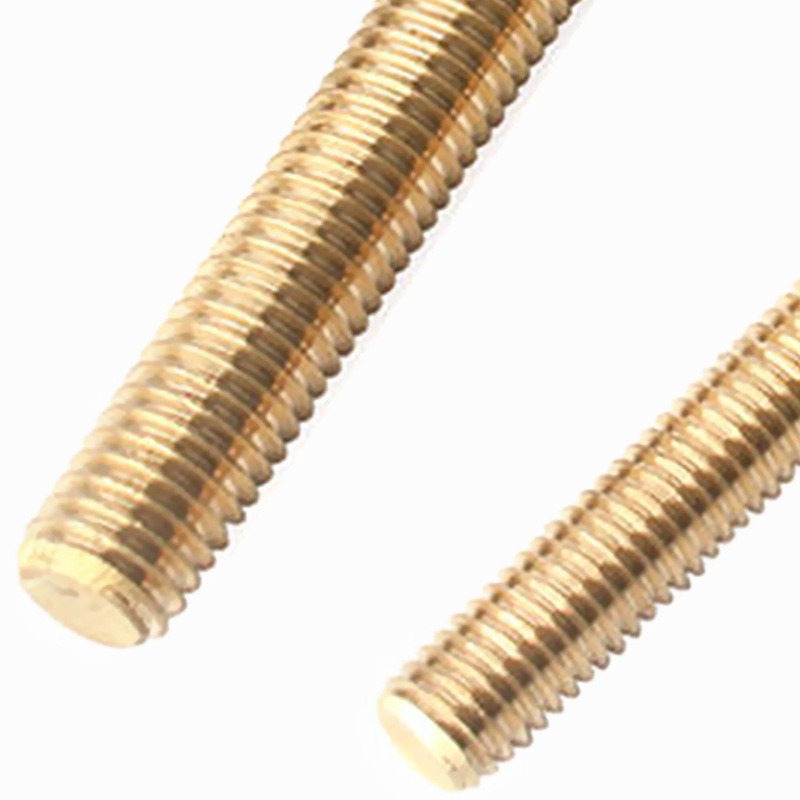
A copper threaded rod is a long, straight fastener with continuous external threads along its length. It joins, supports, spaces, or secures components when a standard bolt cannot provide enough reach. Users can cut a copper threaded rod to a required size, combine it with nuts and washers, or install it into a threaded fitting. The copper threaded rod also provides a practical path for electrical current, making it useful when fastening and conductivity must work together. Unlike ordinary steel, copper naturally resists rust and maintains reliable contact in many damp or exposed settings. A copper threaded rod can also transfer heat efficiently, which supports equipment that needs thermal movement or heat dissipation. Manufacturers produce the copper threaded rod through controlled forming or machining processes that create consistent thread profiles, accurate diameter, and a smooth surface. Options may include different lengths, thread sizes, pitches, finishes, and copper grades. Some products use high-purity copper for stronger electrical performance, while others use an alloy when added strength matters. The copper threaded rod works with standard compatible nuts, couplers, brackets, terminals, and support hardware. During installation, a copper threaded rod can simplify alignment because its length can adapt to the assembly. It suits grounding networks, electrical cabinets, busbar systems, solar equipment, heat-transfer assemblies, marine hardware, plumbing support, and industrial machinery. Buyers should confirm thread compatibility, required load, working temperature, exposure conditions, and electrical requirements before ordering. Selecting the right copper threaded rod helps create a secure, conductive, and serviceable connection.
The main advantage of a copper threaded rod is that it combines fastening and electrical performance in one component. A copper threaded rod can carry current between connected parts, helping designers reduce separate bonding straps, connectors, or grounding pieces. This can simplify layouts and shorten installation time. Copper also forms a dependable contact surface, so the copper threaded rod supports stable grounding when the joint is clean, tight, and correctly sized. For electrical contractors, that means a practical option for panels, cabinets, earthing networks, photovoltaic frames, and power equipment. The copper threaded rod also offers strong resistance to ordinary atmospheric corrosion. It performs well in humid rooms, coastal locations, utility spaces, and other environments where unprotected steel may deteriorate faster. This can reduce replacement work and support longer service life. Because copper conducts heat effectively, the copper threaded rod suits assemblies that experience temperature changes or need to move heat away from a connection. Its continuous thread gives installers flexible adjustment. They can cut the copper threaded rod, add a coupler, or change nut positions without replacing the complete fastener. That flexibility helps during field repairs, custom fabrication, and equipment upgrades. A copper threaded rod also supports neat, compact designs because one part can provide mounting, spacing, alignment, and bonding. Buyers gain more value when the same product meets both mechanical and electrical needs. The material remains easy to work with using suitable tools, although its lower hardness requires care against thread damage and over-tightening. Before purchase, compare diameter, pitch, length, copper grade, rated load, surface condition, and operating environment. A copper threaded rod is most suitable for moderate mechanical loads, conductive joints, and applications where corrosion resistance matters. For heavy structural loads, high vibration, or aggressive chemicals, verify engineering requirements and consider an approved alloy or protective system.

Tips And Tricks

Beyond Galvanizing: How the Sherardizing Process Builds Ultimate Protection for High-End Steel

21

Jul

Beyond Galvanizing: How the Sherardizing Process Builds Ultimate Protection for High-End Steel

Why Sherardizing outperforms galvanizing for high-end steel—extreme corrosion resistance, zero hydrogen embrittlement & self-healing protection.
View More
New Chapter in Sino-Ethiopian Trade Cooperation: Securing a Long-Term Fastener Procurement Agreement

21

Jul

New Chapter in Sino-Ethiopian Trade Cooperation: Securing a Long-Term Fastener Procurement Agreement

How China & Ethiopia secured a long-term fastener supply deal for East Africa's booming industrial sector. Discover reliability, scalability & global impact.
View More
Full Container Ready for Shipment! Premium Fasteners Bound for the U.S. Industrial Market

21

Jul

Full Container Ready for Shipment! Premium Fasteners Bound for the U.S. Industrial Market

Need reliable, ocean-ready fasteners for U.S. industrial buyers? Our full-container shipment delivers certified quality, export-optimized packaging & seamless logistics.
View More

Get a Free Quote

Our representative will contact you soon.
0/1000
Conductive Fastening for Grounding and Power Systems

Conductive Fastening for Grounding and Power Systems

The strongest selling point of a copper threaded rod is its ability to support a mechanical joint while carrying electrical current. A copper threaded rod can connect grounding bars, equipment frames, panels, and bonding points without adding a separate conductive bridge in many designs. Its copper body offers low electrical resistance and creates a broad contact path when installers use clean surfaces, suitable washers, and correct tightening. This makes the copper threaded rod valuable for electrical cabinets, solar mounting systems, switchgear, battery installations, and industrial control equipment. The copper threaded rod also helps maintain an orderly installation because the same part can align hardware and complete the bond. For buyers, that may lower component count, simplify sourcing, and reduce installation steps. Performance still depends on size, purity, joint pressure, and local electrical standards. Selecting a copper threaded rod with suitable dimensions gives engineers a direct, practical way to combine support and conductivity.
Corrosion Resistance for Demanding Locations

Corrosion Resistance for Demanding Locations

A copper threaded rod provides a useful alternative when moisture, condensation, or outdoor exposure could shorten the life of ordinary steel fasteners. Copper develops a protective surface layer that helps slow further corrosion in many common environments. A copper threaded rod can therefore suit marine equipment, rooftop systems, humid plant rooms, water-related hardware, and exposed electrical supports. This benefit does not mean every copper product fits every chemical environment. Contact with incompatible metals, salt concentration, strong acids, or industrial chemicals may require isolation, coating, or a different material. Even so, the copper threaded rod gives buyers a strong starting point for applications where long-term contact reliability matters. It can reduce rust-related seizure, maintenance visits, and replacement interruptions when the installation is properly designed. The copper threaded rod also keeps its conductive function while resisting normal atmospheric attack. Choosing a suitable grade and adding compatible washers or barriers can further protect the connection and support dependable service.
Flexible Installation and Custom Fit

Flexible Installation and Custom Fit

Continuous threading makes a copper threaded rod adaptable for many mounting and repair tasks. Installers can cut a copper threaded rod to the required length, position nuts at different points, and use couplers when a longer reach is needed. This flexibility helps users create spacers, hangers, brackets, supports, and aligned connections from one basic component. A copper threaded rod is especially useful when equipment dimensions vary or when a project requires field adjustment. It can reduce the need for multiple bolt lengths and make replacement work more straightforward. The copper threaded rod also works with compatible nuts, washers, terminals, and support accessories, helping buyers build a coordinated hardware set. Its smooth, continuous thread supports fine adjustment during leveling and alignment. Because copper is softer than many steel materials, users should select proper tools, avoid cross-threading, and apply controlled torque. With careful handling, the copper threaded rod delivers a custom-fit connection that saves time and supports clean, serviceable installations.