EN

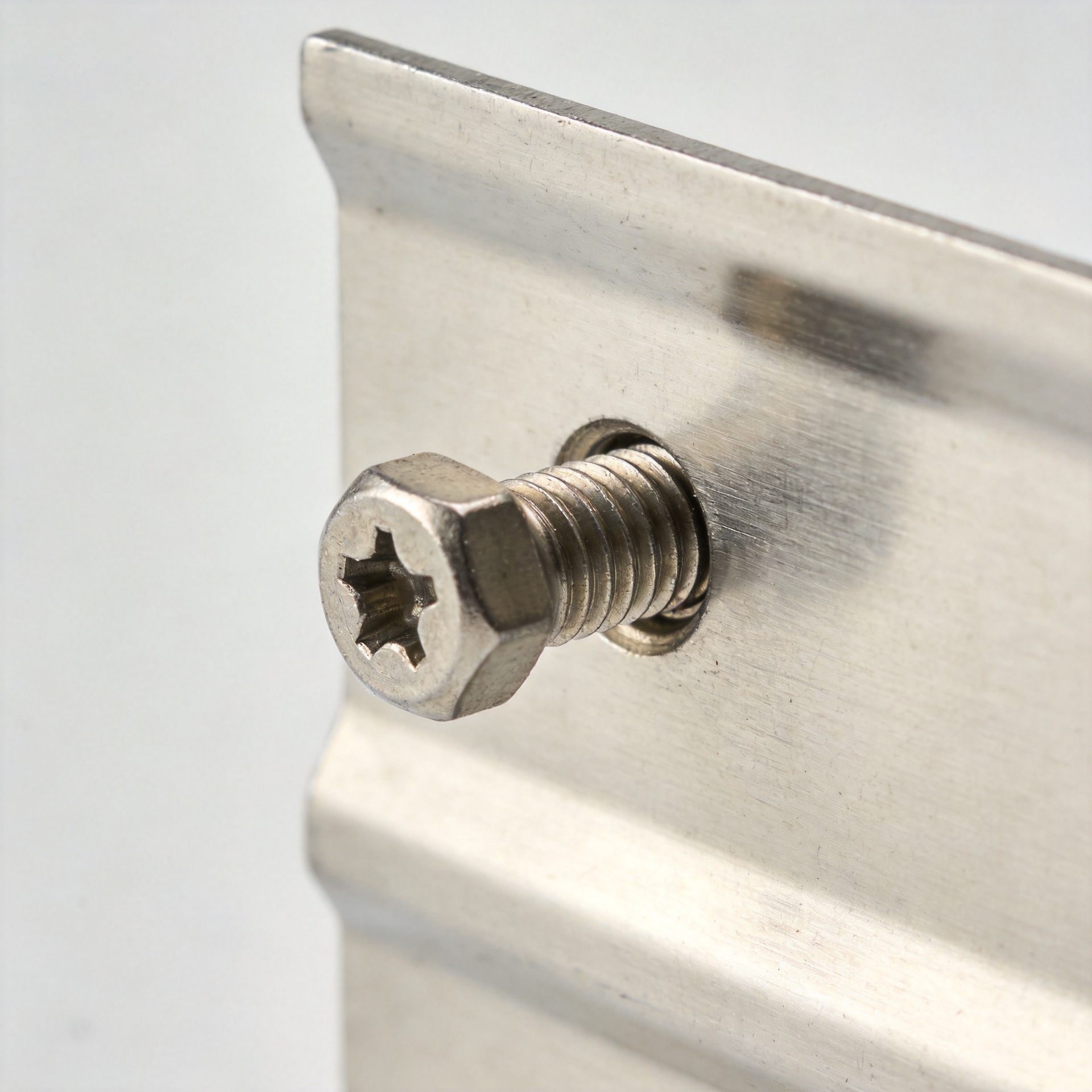
Why Thread Form Affects Fastener Holding Power in Sheet Metal Use
A sheet-metal joint can feel solid when it leaves the assembly station and still lose clamp or pull out later. That is why a fastener should not be selected by diameter or head style alone. In thin metal, the thread has only a limited depth of material to work with. Its shape, the way it creates the mating thread, and the condition of the hole all influence how much material is carrying the load.
From a fastener-selection engineer’s viewpoint, start with the joint rather than the catalog. Sheet grade, thickness, coating, access for installation, load direction, vibration, and the required service life all matter. A mechanical fastener that works well in a thicker bracket may not produce the same holding behavior in a thin panel. The practical question is not simply “Will it drive?” but “What thread form will remain in the sheet after driving, and how will that formed joint carry load?”
Holding Power Starts With the Mating Thread in the Sheet
For a screw installed directly into sheet metal, resistance to pull-out and stripping depends on the contact between the screw thread and the material around it. More useful engagement generally means more metal is available to resist movement, but engagement is not just a count of visible turns. The thread crest and flank need sound material around them. A damaged, oversized, or distorted hole can remove the very material the screw was meant to engage.
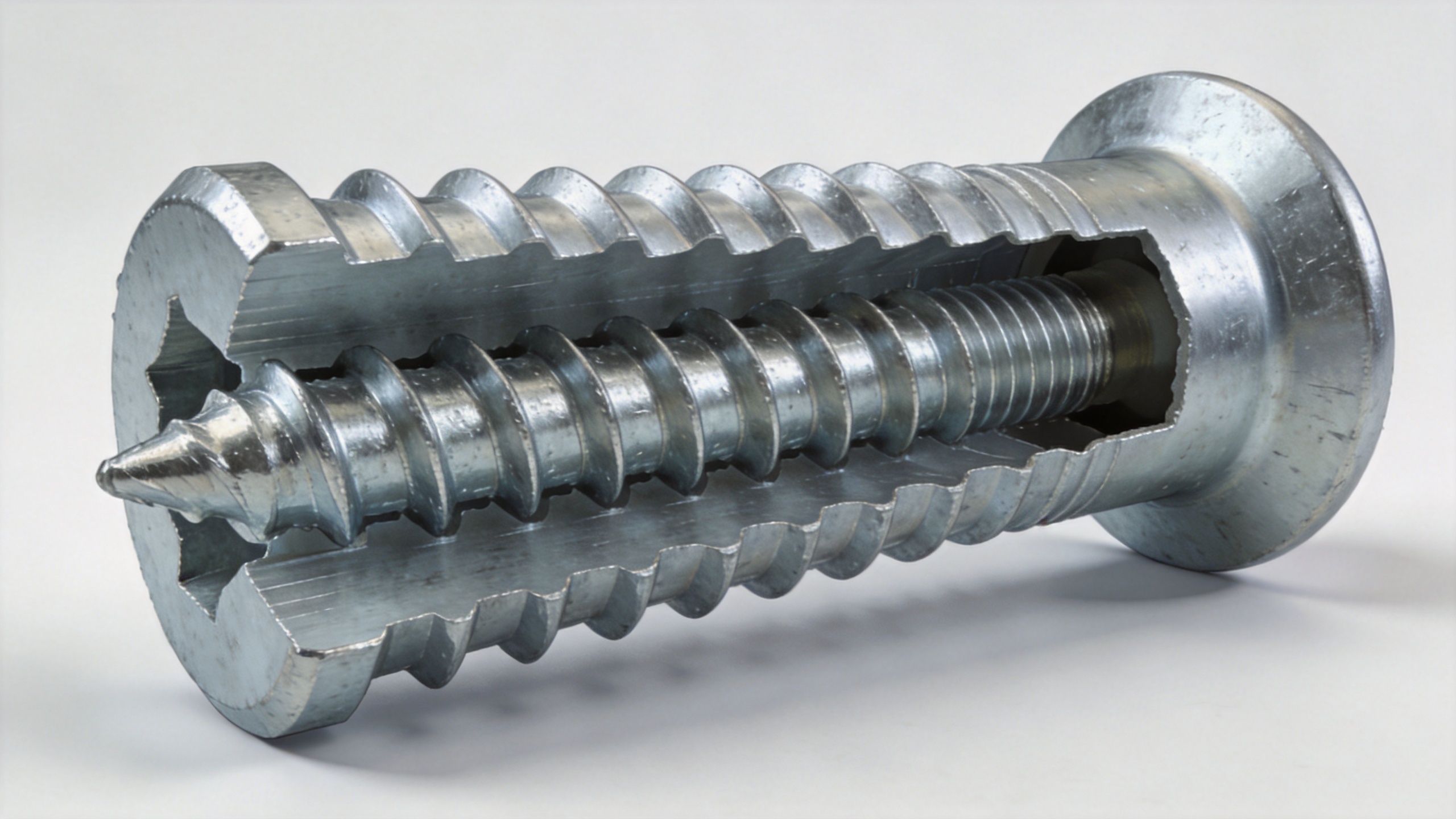
That is why thread form changes the outcome. A thread-forming fastener displaces base material to create the mating thread. A thread-cutting design removes material as it cuts. Both approaches have applications, but they leave a different geometry in the sheet. In suitable ductile sheet and a correctly sized pilot hole, material displacement can create a more continuous mating form. In other applications, cutting action may be needed to enter harder material or accommodate the joint design. Neither style is a universal answer.
The distinction matters most when sheet thickness is limited. There may be only a small number of usable thread contacts, so lost material, torn edges, or a poor pilot hole have a proportionally larger effect. A threaded fastener can feel tight during installation because driving torque is high, yet still have modest resistance to a later axial load if the mating thread is shallow or locally damaged.
Pitch, Depth, and Profile Work as a System
Thread pitch is often discussed as if finer means stronger. It does not. A finer pitch places more threads along a given length, while a coarser profile may displace or engage material differently. The useful choice depends on available sheet thickness, screw diameter, base-metal hardness, pilot-hole method, and the manufacturer’s approved application range. Metal-screw guidance identifies base-material type and thickness as key selection inputs.
In thin sheet, a profile that forms sound threads without tearing the hole edge can be more valuable than simply adding nominal threads per unit length. In a thicker section, a different pitch may offer more engagement length and a different balance of installation torque and strip resistance. The only dependable comparison is one made with the actual screw family, material stack, and installation method.
| Thread-form question | Why it affects holding power | What to check |
|---|---|---|
| Does the screw form or cut the mating thread? | Displacement and cutting leave different amounts and shapes of engaged sheet material. | Base-metal ductility, hardness, approved hole size, and screw data. |
| Is the pitch suitable for the available thickness? | Pitch changes how engagement is distributed through the sheet. | Published thickness range and representative pull-out or strip testing. |
| Is the pilot hole controlled? | An oversized or burr-heavy hole weakens the material available for engagement. | Hole diameter, roundness, burr direction, and coating condition. |
| Is the screw driven squarely? | Angled driving can distort the hole and load only part of the thread form. | Tool alignment, bit condition, speed, and seating method. |
Why the Hole Often Decides Whether a Fastener Holds
It is tempting to attribute every sheet-metal failure to the screw. In practice, the hole may be the root cause. A pilot hole that is too large reduces interference and leaves less material for a formed thread. A hole that is too small can raise drive torque, tear the sheet, or damage the screw. Burrs, punched-hole deformation, paint buildup, and misalignment also change the initial thread-forming condition.
For a custom fastener application, document the hole-making method rather than only a nominal diameter. Laser-cut, punched, drilled, and pre-coated holes can behave differently. A small trial that records installation torque, thread condition, and failure mode is more useful than a generic material assumption.
Thread Forming Versus Thread Cutting in Sheet Metal
Thread-forming and thread-cutting screws should be compared by joint behavior, not marketing labels. Thread-forming designs are commonly used where the material can be displaced into a mating thread. Technical guidance for metal screws notes that formed threads can help resist loosening under vibration or thermal change. That benefit still depends on correct engagement, seating, and the service environment.
Thread-cutting designs remove material as they create their path. They can be useful in applications where cutting action is appropriate, but the resulting joint needs enough remaining material to carry the load. If a process produces chips or damaged edges, those details should be evaluated for the specific production line. This is especially important where the joint must withstand repeated maintenance, because removal and reinstallation can further change the sheet thread.
The practical lesson is simple: do not substitute a thread-cutting or thread-forming fastener merely because it has the same diameter. Confirm the intended base-metal range and validate the joint. A stainless fastener may be appropriate when corrosion resistance is required, but material choice does not compensate for inadequate thread engagement. It also changes friction and galling behavior, so installation settings need their own review.
Installation Variables That Change the Result
Even a well-chosen mechanical fastener can lose holding power through inconsistent installation. Driving at an angle enlarges one side of the hole. Excessive speed can generate heat or damage the local thread form. Overdriving may crush a washer, distort a panel, or strip the last usable threads. Underdriving may leave the joint without the required seating or clamp condition. These are process variables, not minor workmanship details.
- Use the screw supplier’s specified pilot-hole range and thickness range for the actual sheet grade.
- Keep the driver perpendicular to the work surface and replace worn bits that cause cam-out or wobble.
- Set speed and seating controls through trials, then verify them at the line rather than relying on feel.
- Inspect the first-off joint for burrs, panel distortion, incomplete seating, and thread damage.
- For vibration, corrosion, or thermal cycling, test the assembled joint in representative conditions instead of assuming a static test covers service.
A Practical Selection and Validation Checklist
When a sheet-metal joint carries meaningful load, consider the fastener as part of a small system. Record sheet thickness, grade, stack-up, hole method, load direction, clamp requirement, vibration, and exposure. Then narrow the candidate thread forms using published capability data. Validate costly-to-rework or safety-critical joints with representative samples and an agreed acceptance method.
Qingdao Jeekuu Hardware Products Co., Ltd. can support specification discussions for standard and non-standard fastener requirements, including thread, material, and surface-treatment choices. For a custom fastener request, provide the sheet details, hole condition, load case, drawing, and intended installation process. That gives the engineering conversation a usable basis and helps avoid choosing a part solely by appearance or nominal size.
Field Checks Before Releasing a Sheet-Metal Fastener Joint
Use a repeatable check at first-off inspection and after tooling changes. Confirm that the selected fastener produces a usable mating thread in the actual joint.
- Match fastener diameter, point, and thread form to sheet grade and thickness.
- Measure pilot holes for the threaded fastener; visual approval alone is not enough.
- Inspect each mechanical fastener for burrs, torn sheet, tilt, and incomplete seating.
- Compare pull-out or strip behavior when a custom fastener changes thread profile, coating, or installation method.
- Confirm torque and lubrication practice separately for a stainless fastener because friction can change the result.
- Record whether failure is screw breakage, thread stripping, panel deformation, or pull-out.
- For vibration service, test the mechanical fastener in the assembled stack-up.
Conclusion
Thread form affects fastener holding power because it determines how the screw and the sheet share load. In thin metal, there is little margin for an oversized hole, unsuitable pitch, poor material compatibility, or uncontrolled driving. Choose the thread type for the actual base material and thickness, control the hole and installation process, and verify performance in a representative joint. That approach produces a more reliable decision than relying on screw diameter alone.