Custom Made Fasteners for Precise Assembly

application/custom-made-fasteners, application/custom-made-fasteners, 
Inquiry
Inquiry

custom made fasteners

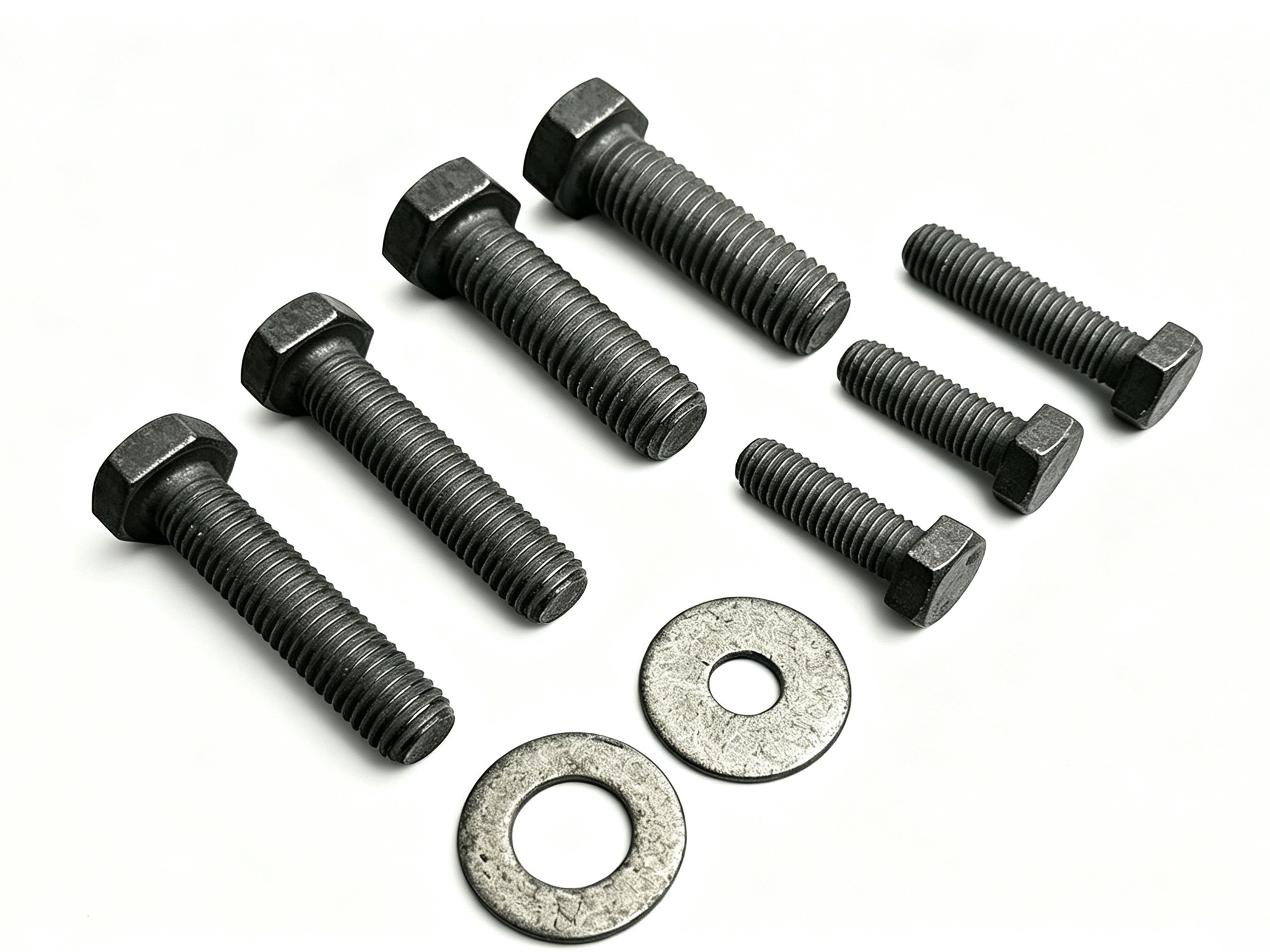
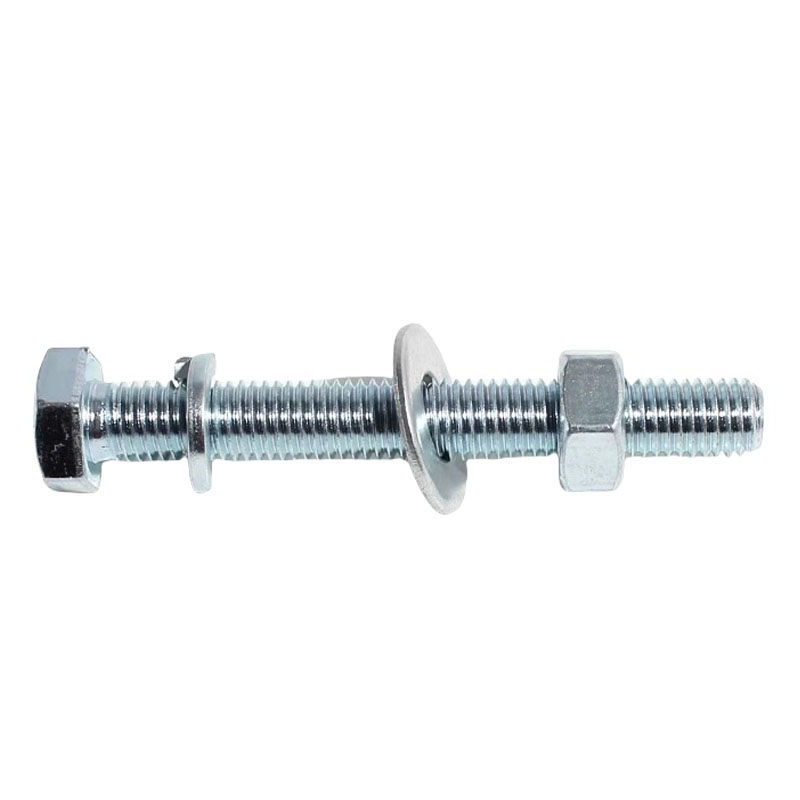
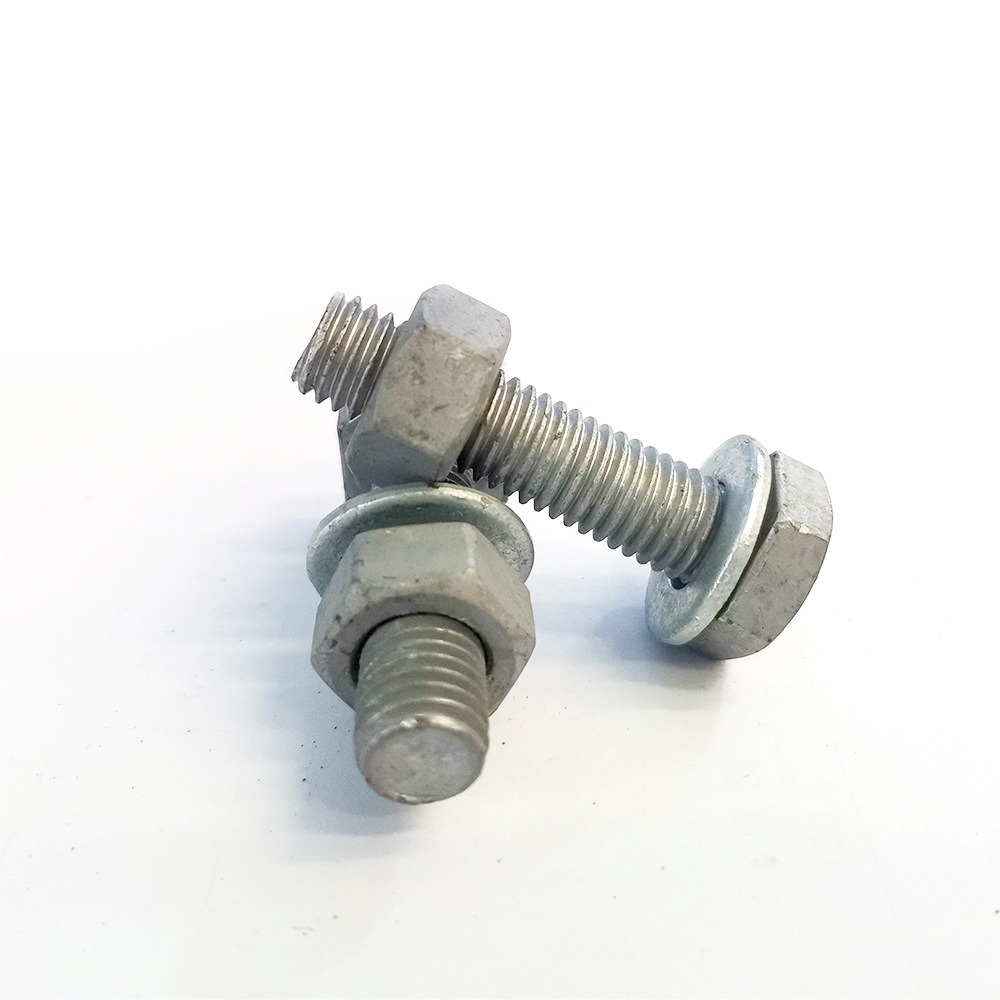
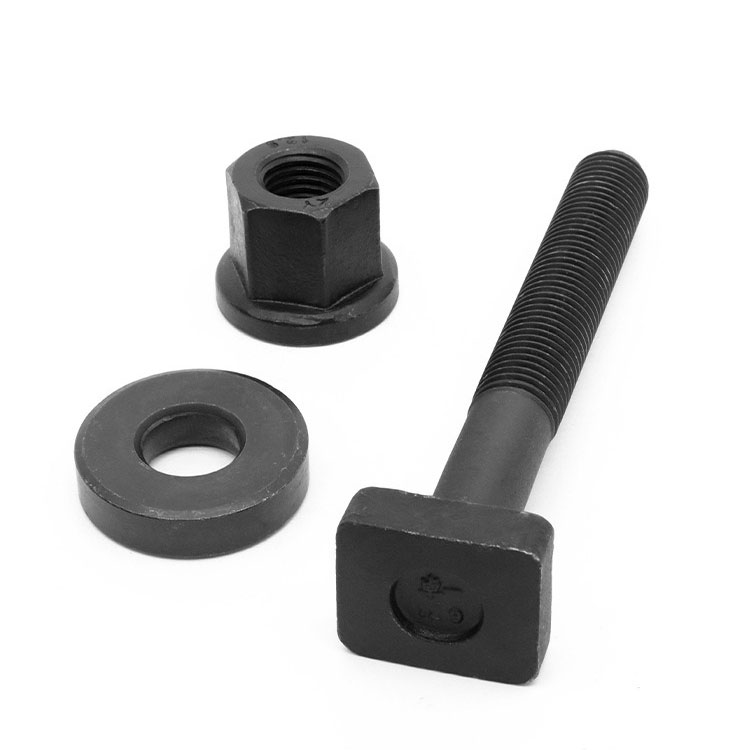
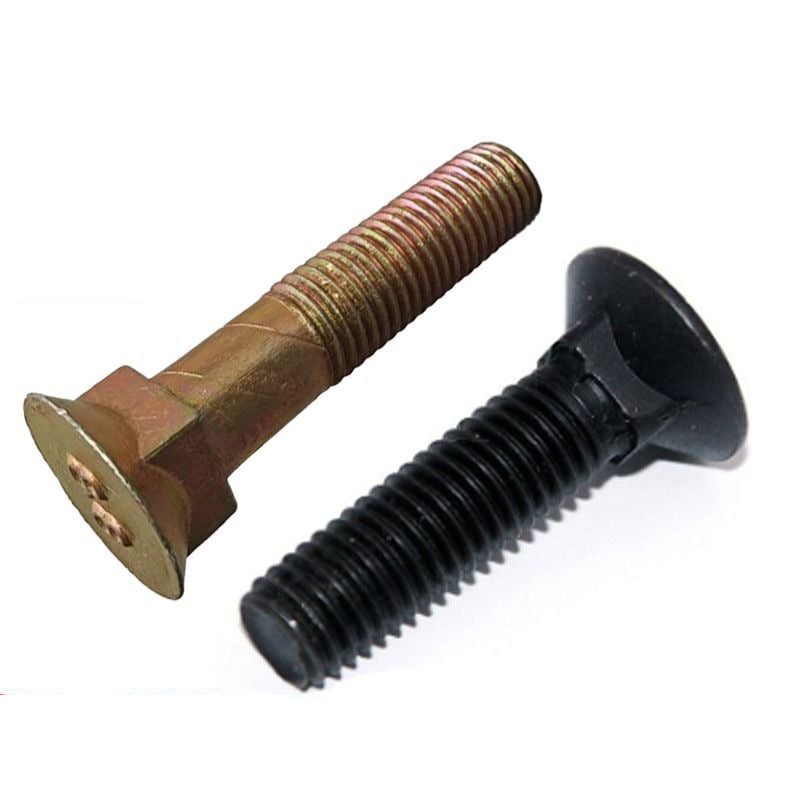
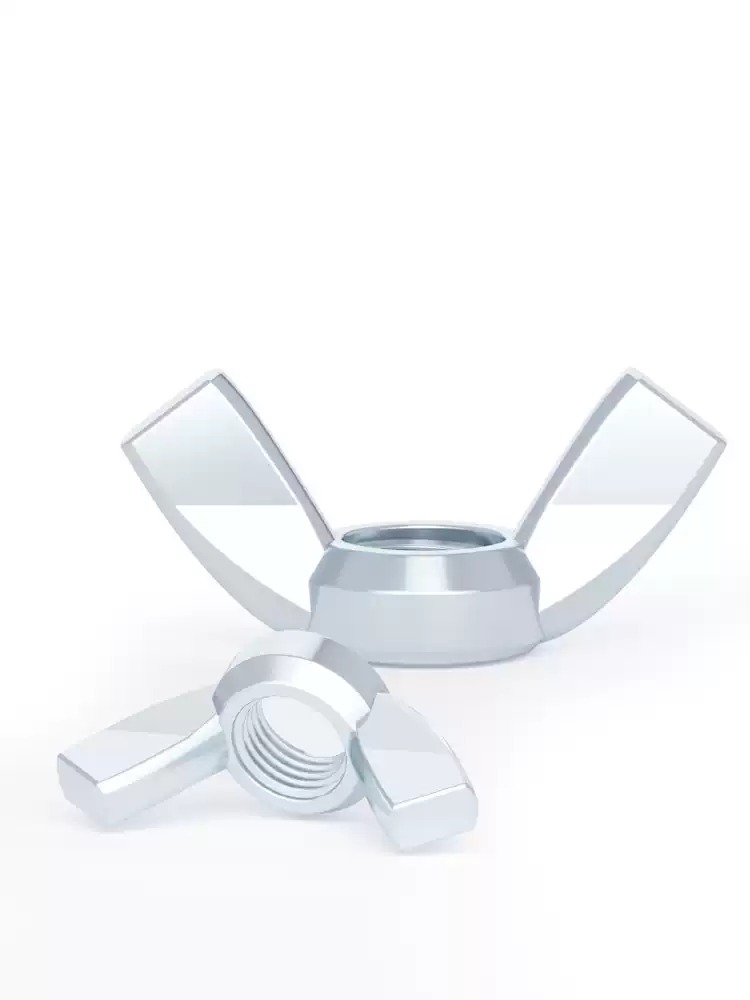
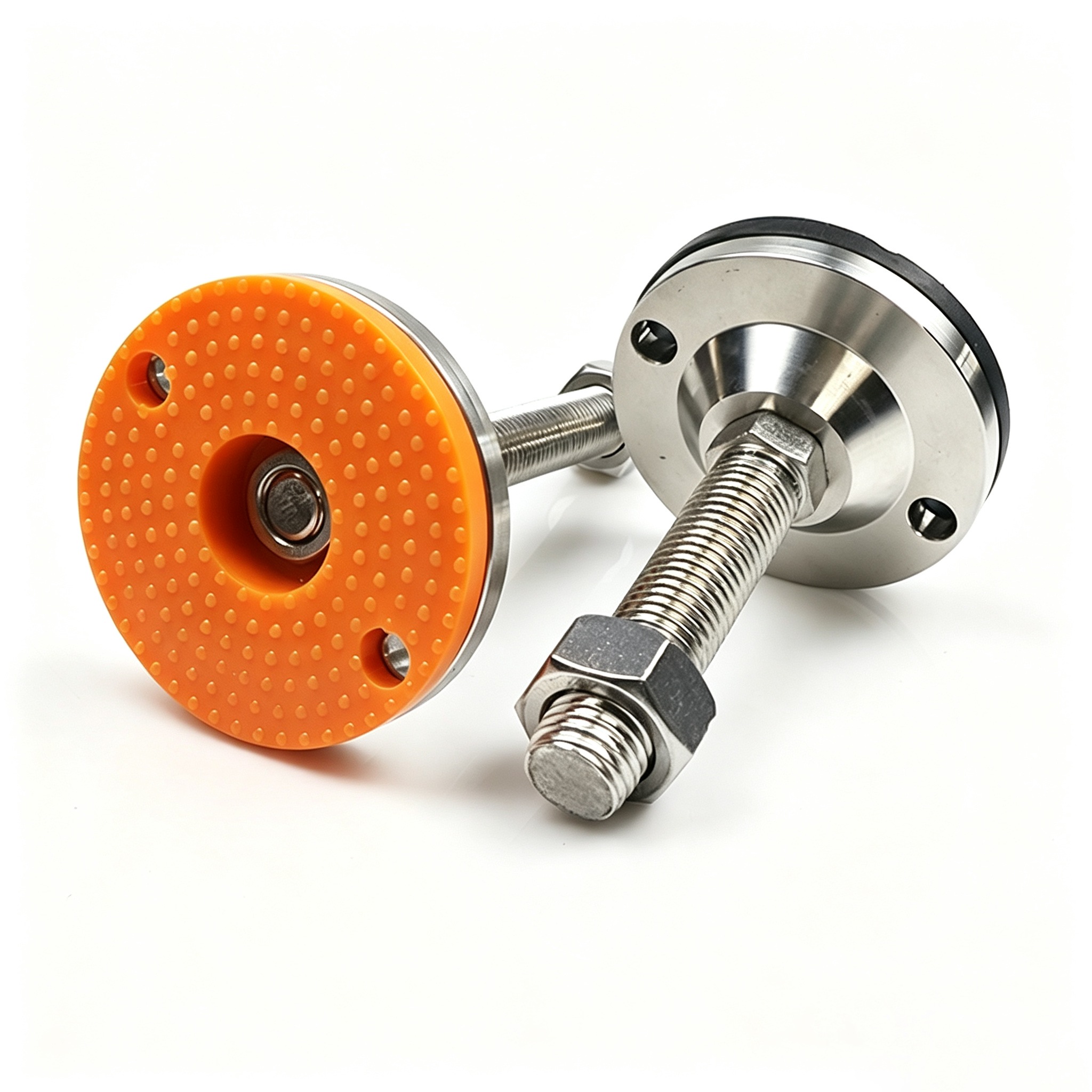
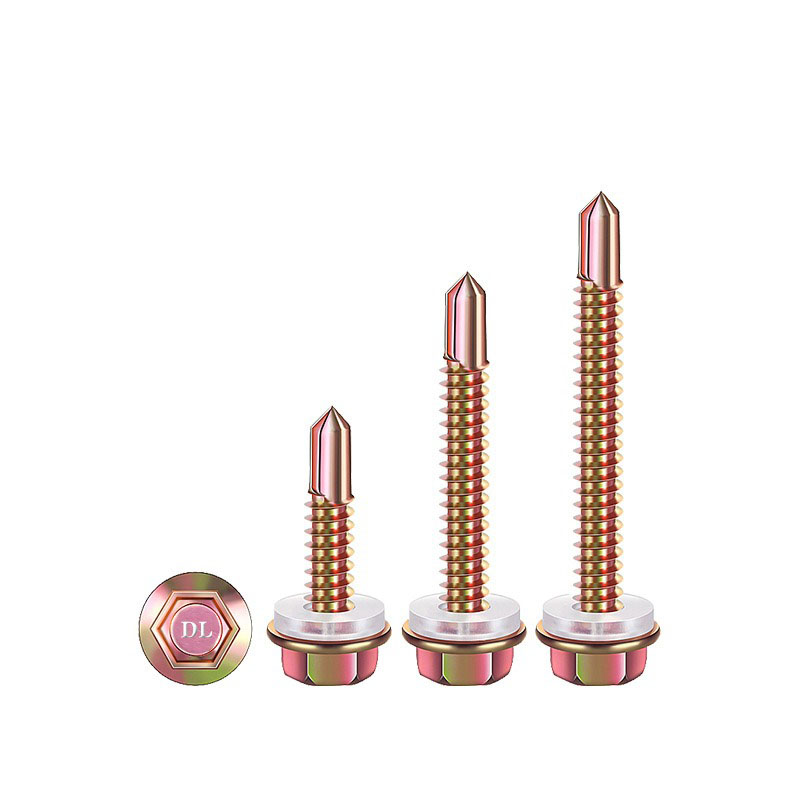
Custom made fasteners are specially engineered screws, bolts, studs, pins, nuts, washers, clips, and threaded parts built for a defined assembly need. Instead of forcing a standard item to fit, custom made fasteners match the required diameter, length, thread, head style, grip range, tolerance, and installation method. This approach helps designers solve space, load, sealing, access, and joining challenges early. Manufacturers produce custom made fasteners from carbon steel, stainless steel, brass, aluminum, titanium, and engineered alloys. Material selection depends on strength, weight, temperature, corrosion exposure, electrical behavior, and cost. Protective finishes can add rust resistance, wear protection, low friction, or a controlled appearance. Custom made fasteners can also use special coatings for outdoor, marine, chemical, and high heat environments. Modern production combines CNC turning, cold forming, thread rolling, stamping, milling, heat treatment, grinding, and automated inspection. These processes let custom made fasteners achieve repeatable dimensions and reliable thread quality. Digital drawings, 3D models, sample approval, and production testing support a clear path from concept to volume supply. Manufacturers can inspect critical features with gauges, vision systems, and measurement equipment. The main function of custom made fasteners is to join components securely while supporting service requirements. They may carry tension, shear, vibration, pressure, or repeated movement. Some custom made fasteners support electrical grounding, controlled clamping, sealing, alignment, or quick removal. Selecting custom made fasteners early can simplify product development and reduce design compromises. Typical applications include vehicles, industrial machinery, robotics, electronics, renewable energy equipment, construction systems, medical devices, and consumer products. By matching the part to its use, custom made fasteners can improve assembly reliability and reduce compromises in the final design.
Choosing custom made fasteners gives buyers a practical way to solve joining problems that off-the-shelf hardware cannot handle. The correct length, thread, head, material, and finish can reduce the need for spacers, adapters, extra washers, or manual rework. As a result, custom made fasteners can lower assembly time and help workers install parts correctly on the first attempt. They also support cleaner product designs by fitting tight spaces and reducing unnecessary material around a joint. For manufacturers, custom made fasteners improve consistency across production batches. A controlled specification makes replacement easier and reduces variation between operators, shifts, and suppliers. Custom made fasteners can be designed for automated feeding, torque-controlled tools, robotic placement, or quick service access. These details help maintain production speed while limiting installation errors. Buyers can also select a suitable material for moisture, chemicals, heat, vibration, electrical contact, or outdoor exposure. This choice can extend service life and reduce maintenance, unexpected downtime, and early replacement. Custom made fasteners are useful when a joint must meet a defined load, pressure, alignment, or sealing requirement. They can support compact machinery, lightweight equipment, and products with unusual housing shapes. Engineers can request samples, inspection reports, dimensional checks, and performance testing before approving a production run. That process gives purchasing teams better confidence in fit and supply quality. Custom made fasteners may cost more per piece than basic catalog hardware, but the total project cost can be lower when they remove extra components and prevent fitting problems. Buyers should compare full installation cost, expected service life, order volume, lead time, and quality needs rather than unit price alone. For prototypes, low-volume products, and specialized equipment, custom made fasteners provide flexibility without forcing the design to change around a standard part.

Practical Tips

Beyond Galvanizing: How the Sherardizing Process Builds Ultimate Protection for High-End Steel

21

Jul

Beyond Galvanizing: How the Sherardizing Process Builds Ultimate Protection for High-End Steel

Why Sherardizing outperforms galvanizing for high-end steel—extreme corrosion resistance, zero hydrogen embrittlement & self-healing protection.
View More
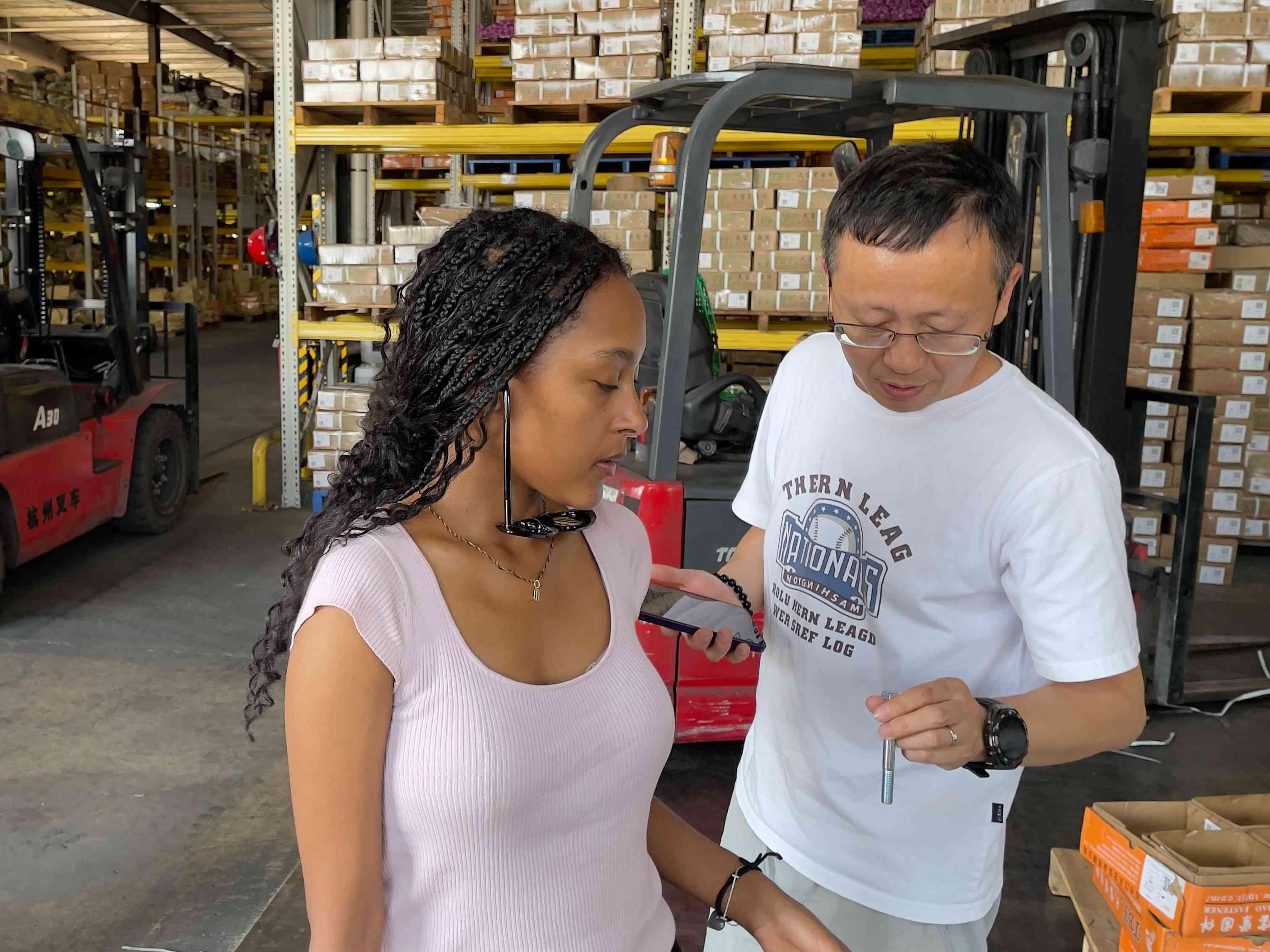
New Chapter in Sino-Ethiopian Trade Cooperation: Securing a Long-Term Fastener Procurement Agreement

21

Jul

New Chapter in Sino-Ethiopian Trade Cooperation: Securing a Long-Term Fastener Procurement Agreement

How China & Ethiopia secured a long-term fastener supply deal for East Africa's booming industrial sector. Discover reliability, scalability & global impact.
View More
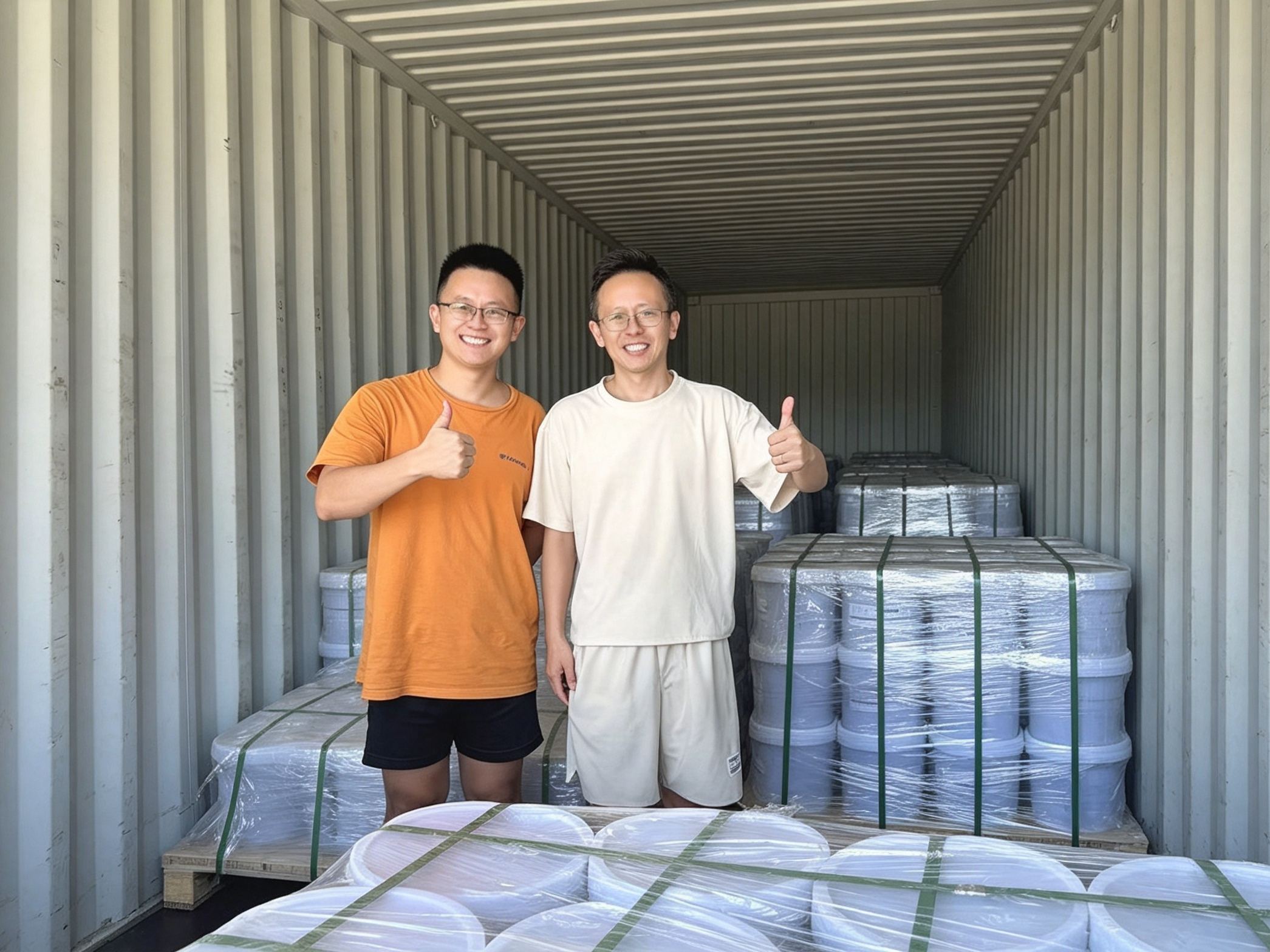
Full Container Ready for Shipment! Premium Fasteners Bound for the U.S. Industrial Market

21

Jul

Full Container Ready for Shipment! Premium Fasteners Bound for the U.S. Industrial Market

Need reliable, ocean-ready fasteners for U.S. industrial buyers? Our full-container shipment delivers certified quality, export-optimized packaging & seamless logistics.
View More

Get a Free Quote

Our representative will contact you soon.
0/1000
Designed for an Exact Fit

Designed for an Exact Fit

A precise fit is one of the strongest reasons to choose custom made fasteners. Each part can follow the required diameter, length, thread pitch, head shape, drive style, and grip range instead of relying on a near match. Custom made fasteners can also include unusual shoulders, stepped sections, slots, holes, or locating features that combine joining with alignment or spacing. This matters when a product has limited clearance, thin walls, recessed access, or a complex housing. The right geometry helps prevent loose joints, interference, uneven clamping, and damage during installation. It can also reduce the number of separate components needed in the assembly. For design teams, custom made fasteners make it easier to protect the original product concept while meeting practical assembly requirements. For buyers, the result is a part that fits the application directly, supports repeatable production, and reduces time spent correcting dimensional problems.
Materials and Finishes for Service Conditions

Materials and Finishes for Service Conditions

Service conditions often determine whether a fastener remains reliable over time. Custom made fasteners allow buyers to select materials and surface treatments that suit the working environment. Stainless steel can support corrosion resistance, while carbon steel may provide a cost-effective option for high strength. Aluminum and titanium can reduce weight, and brass may support conductivity or appearance requirements. Custom made fasteners can receive zinc, nickel, oxide, passivation, or specialty coatings for protection against moisture, wear, friction, chemicals, and heat. The manufacturer can also adjust hardness, tensile performance, or surface condition through heat treatment and finishing processes. This flexibility helps prevent rust, thread damage, galling, and premature loosening. It is especially valuable in vehicles, outdoor equipment, marine systems, processing machinery, and renewable energy products. Buyers gain a fastener specification based on actual service demands rather than a generic material choice that may fail sooner.
Consistent Production and Quality Control

Consistent Production and Quality Control

Reliable supply depends on more than producing one successful sample. Custom made fasteners can be manufactured with defined drawings, approved samples, process controls, and inspection plans that support consistent results from order to order. CNC equipment, cold forming, thread rolling, and automated measurement help maintain repeatable dimensions at both low and high volumes. Custom made fasteners may be checked for thread accuracy, hardness, coating thickness, appearance, and critical dimensions before shipment. Clear quality records give engineers and purchasing teams useful evidence when approving a supplier or managing regulated products. Consistency also helps automated assembly equipment work smoothly because parts arrive within the required limits. This reduces stoppages, rejected units, and operator adjustments. For customers, the benefit is predictable performance and easier inventory planning. A documented production process makes future replenishment simpler, supports product changes, and creates a dependable path from prototype quantities to full-scale manufacturing.