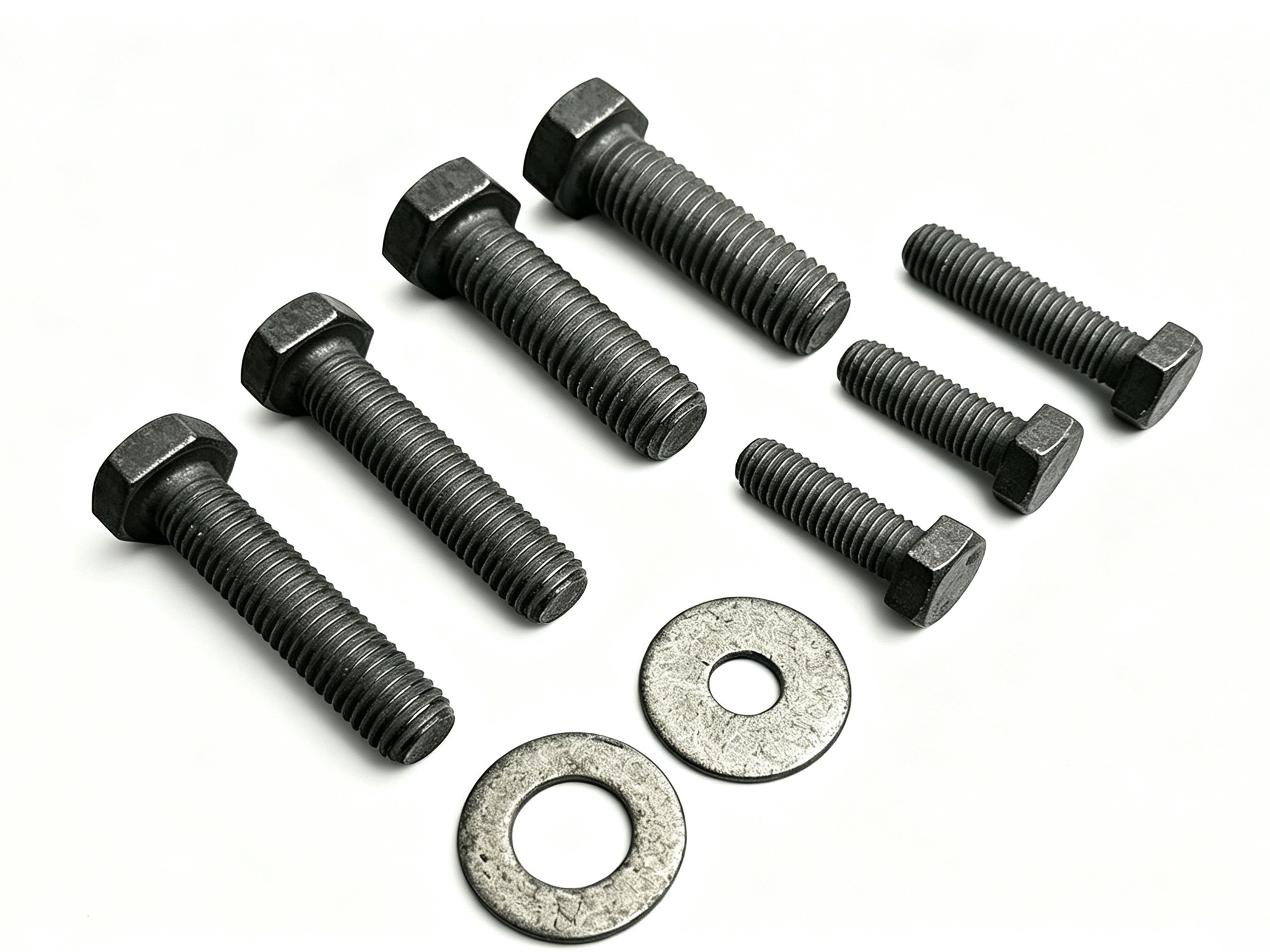
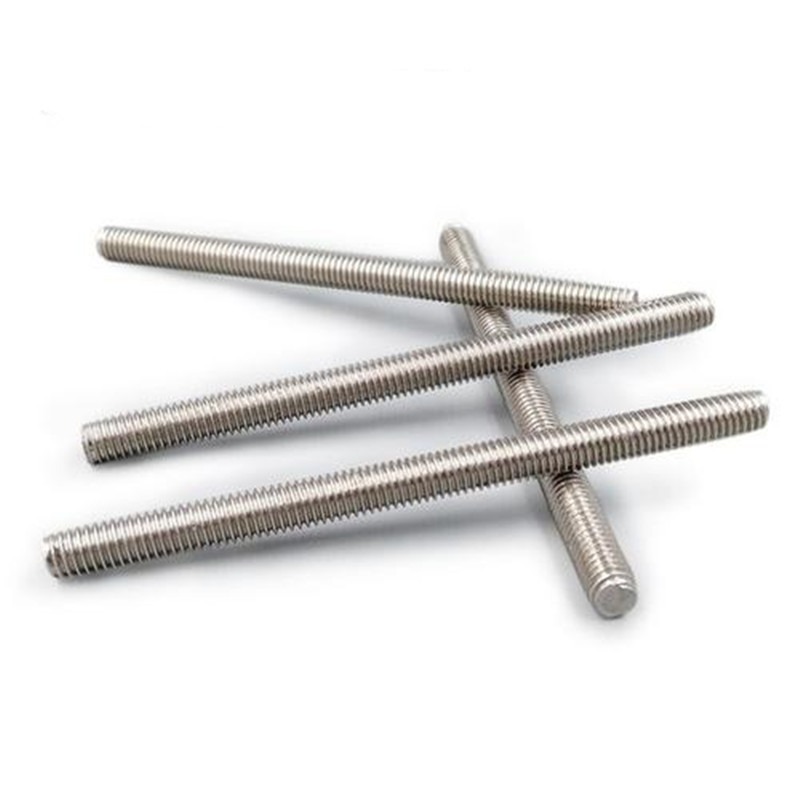
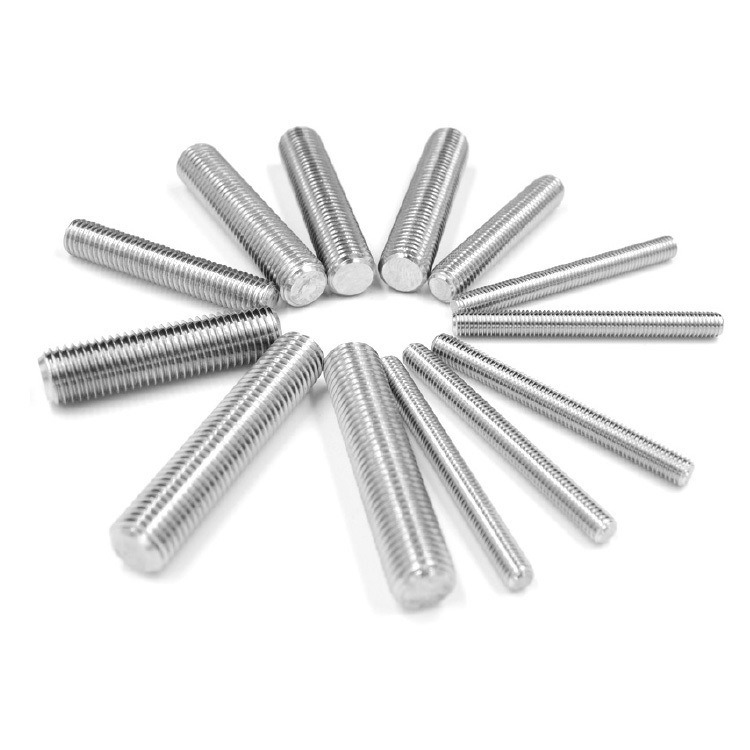
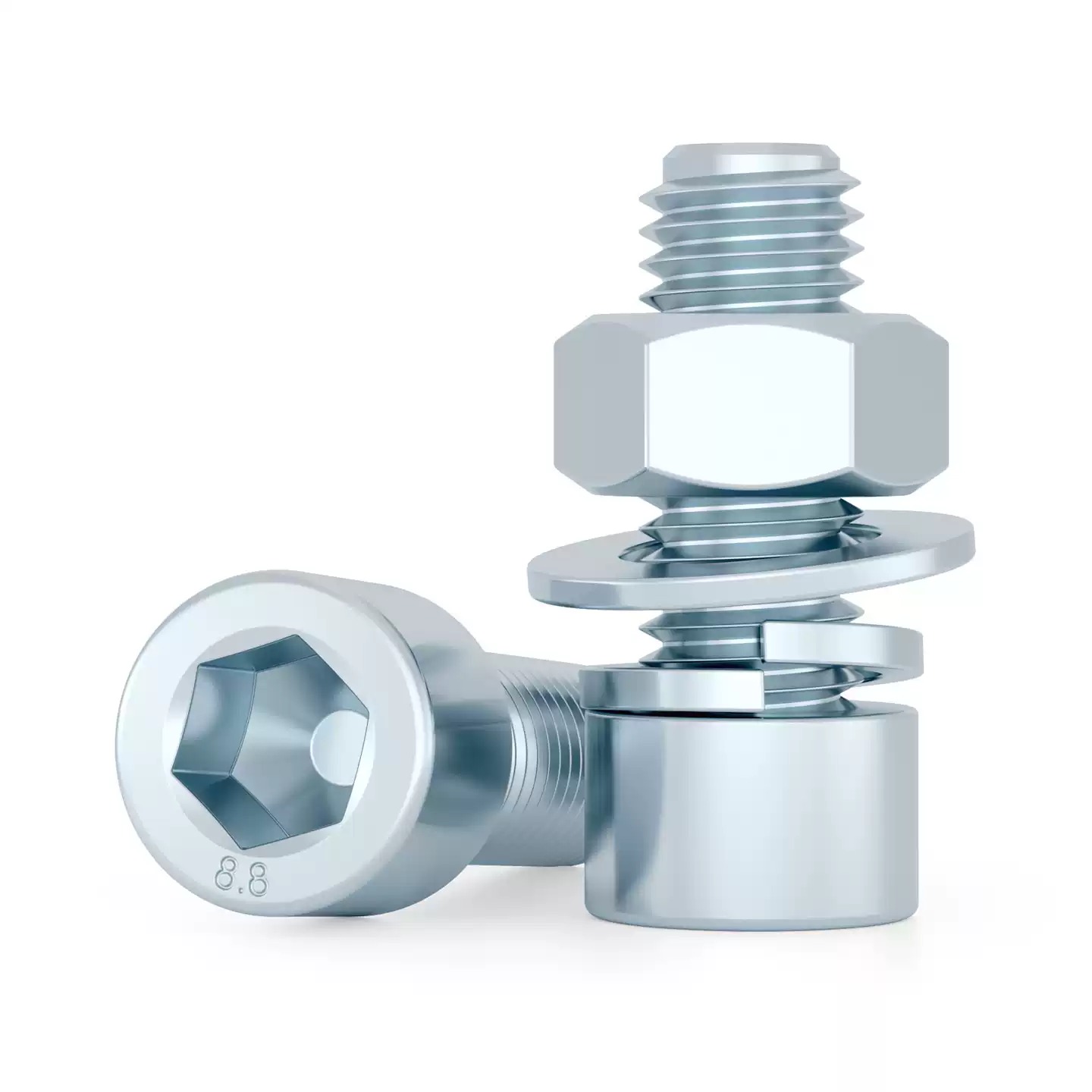
stud stainless steel
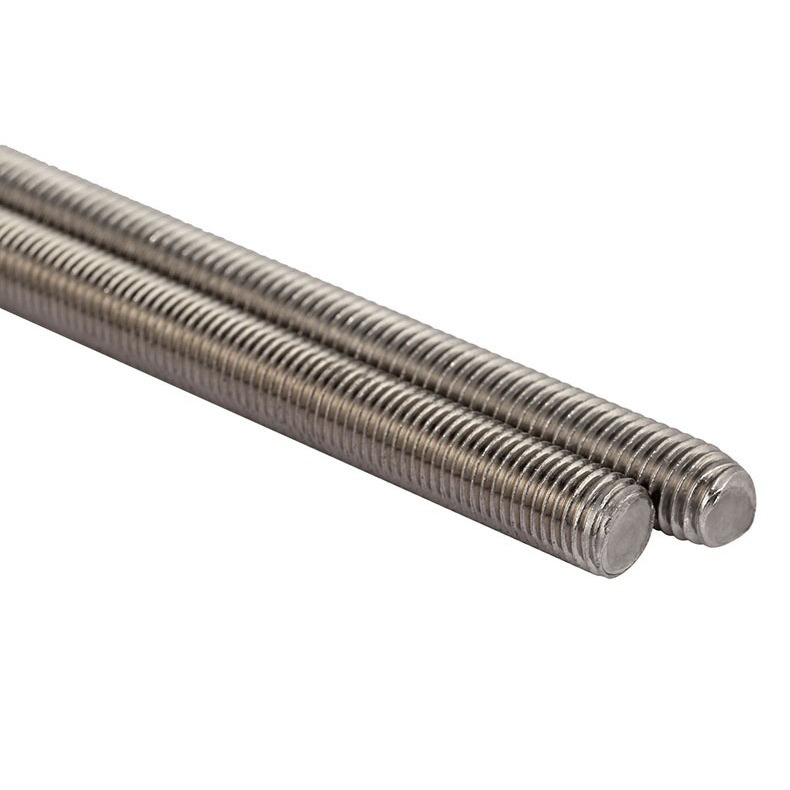
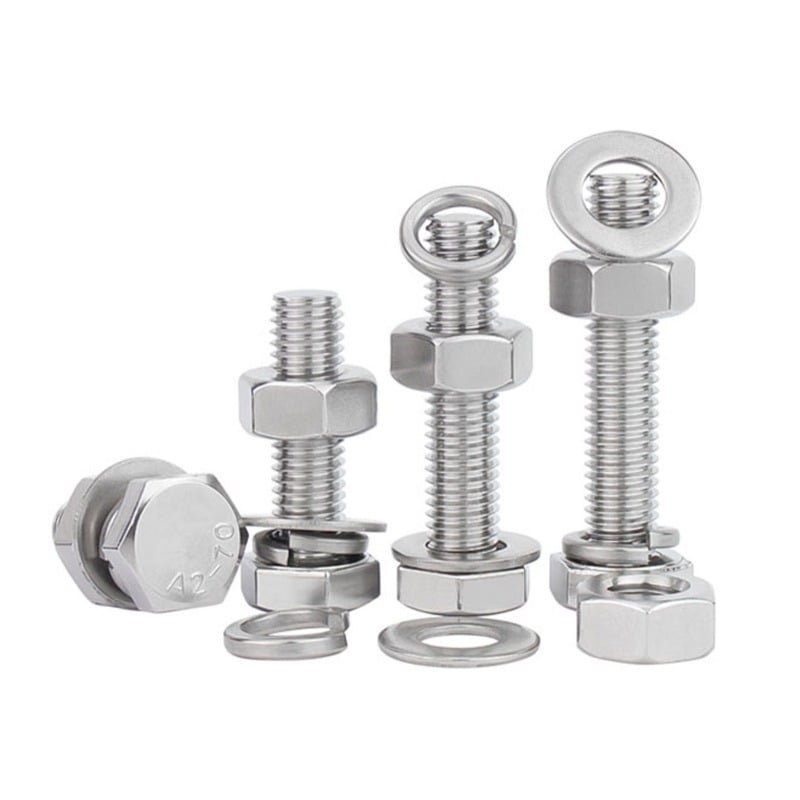
Stud stainless steel is a threaded fastening component designed to join, position, or support parts in demanding assemblies. It normally consists of a straight metal rod with threads along all or part of its length. Depending on the design, it can work with nuts, tapped holes, washers, or other threaded hardware. Stud stainless steel offers a reliable way to create strong connections while allowing parts to be removed for inspection or maintenance. Its main value comes from combining fastening strength with resistance to moisture, chemicals, heat, and daily wear. A stud stainless steel assembly can support equipment frames, pipe systems, flanges, panels, machinery, and structural connections. Common grades include 304 for general service and 316 for higher exposure to salt, chemicals, or corrosive environments. Other grades may suit elevated temperatures or special strength requirements. These stud stainless steel fasteners are available in different diameters, lengths, thread forms, and end configurations, making them suitable for both standard and custom projects. The stud stainless steel design may include full threads, partial threads, reduced shanks, or welded ends. This flexibility helps engineers match the fastener to load, space, and installation conditions. Because stud stainless steel parts can be installed from one or both sides, they work well where access is limited. In production, stud stainless steel supports repeatable assembly and simplifies replacement. A well-designed stud stainless steel connection also spreads clamping force evenly when paired with suitable nuts and washers. For buyers comparing stud stainless steel options, grade, thread accuracy, dimensions, surface finish, and certification are important selection factors. Overall, stud stainless steel provides a durable, serviceable, and versatile fastening solution for industrial, commercial, marine, food-processing, construction, and equipment applications.
 EN