Stainless Steel All Thread Rod | Buyer Guide

application/stainless-steel-all-thread-rod, application/stainless-steel-all-thread-rod, 
Inquiry
Inquiry

stainless steel all thread rod

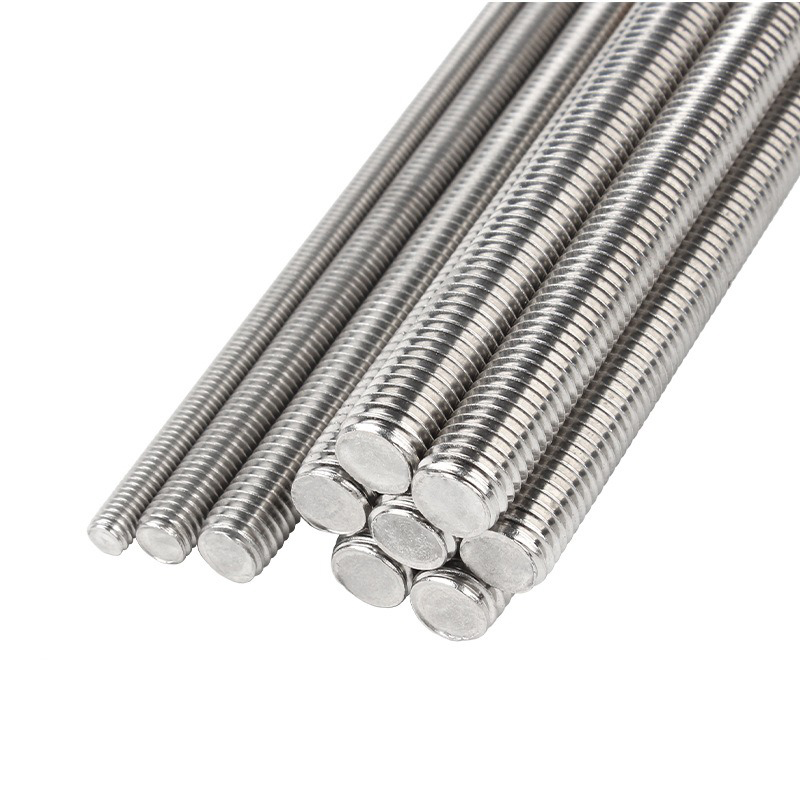
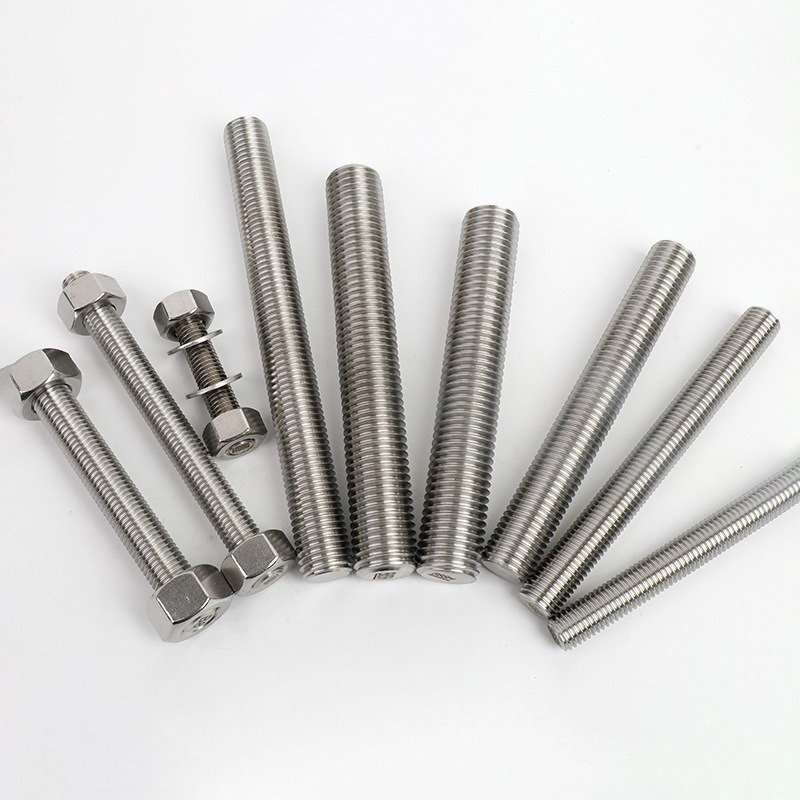
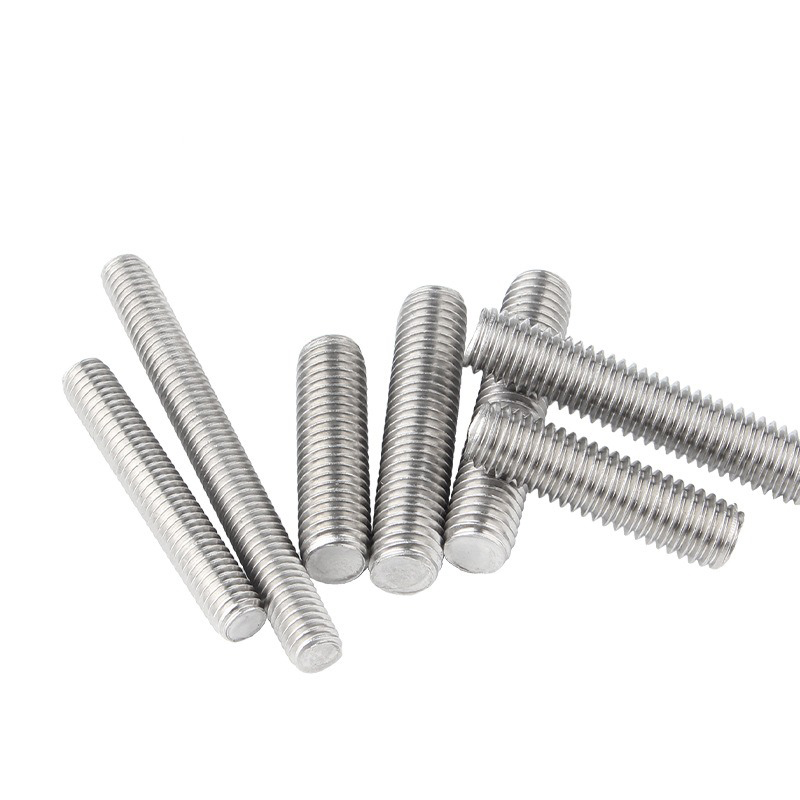
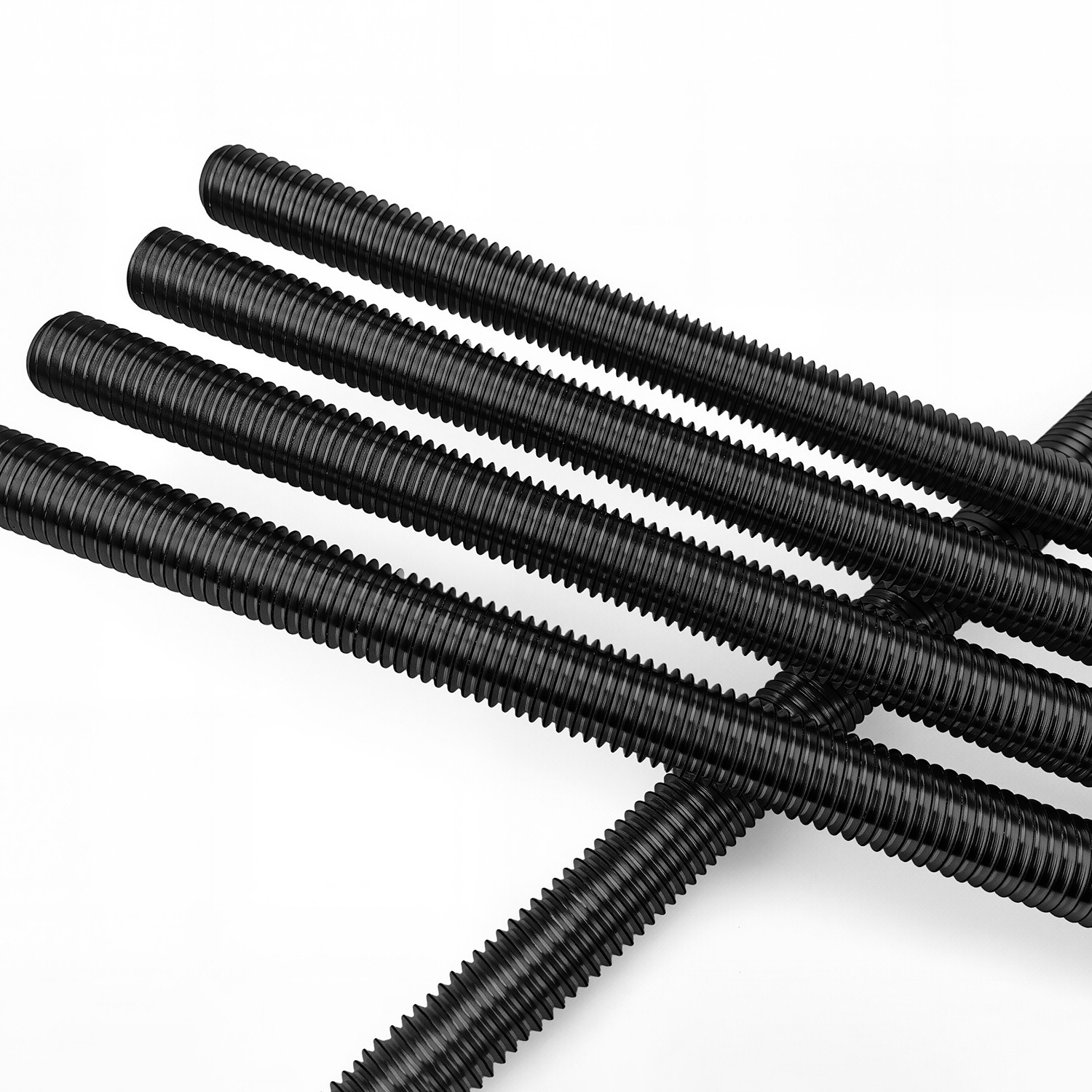
A stainless steel all thread rod is a straight metal bar threaded from end to end. It provides a continuous fastening surface, allowing users to join, suspend, brace, or anchor components with nuts and washers. Unlike a bolt with a fixed head, a stainless steel all thread rod can be cut to the required length, making it useful when fastening dimensions vary. The rod passes through drilled or slotted parts, while nuts secure the assembly from one or both sides. A stainless steel all thread rod also works with couplers when a longer fastening length is needed. Manufacturers commonly produce this product from stainless steel grades such as 304 and 316. Grade 304 suits general indoor and outdoor service, while grade 316 offers stronger resistance to salt, moisture, and many chemicals. Thread profiles may include coarse or fine pitch, with metric and imperial sizes available. Standard production may involve cold forming, machining, cutting, and surface inspection to maintain consistent thread engagement. A stainless steel all thread rod supports reliable load transfer when users select the correct diameter, grade, thread pitch, and fastening hardware. Its corrosion-resistant surface helps preserve appearance and function in demanding environments. Common applications include pipe supports, electrical installations, suspended ceilings, machinery mounting, furniture frames, construction brackets, and repair work. A stainless steel all thread rod is especially valuable where the fastening system must remain adjustable, durable, and easy to assemble. Buyers should confirm dimensions, grade, length, thread standard, finish, and required load performance before ordering. The right stainless steel all thread rod can simplify installation while reducing the need for custom-made fasteners.
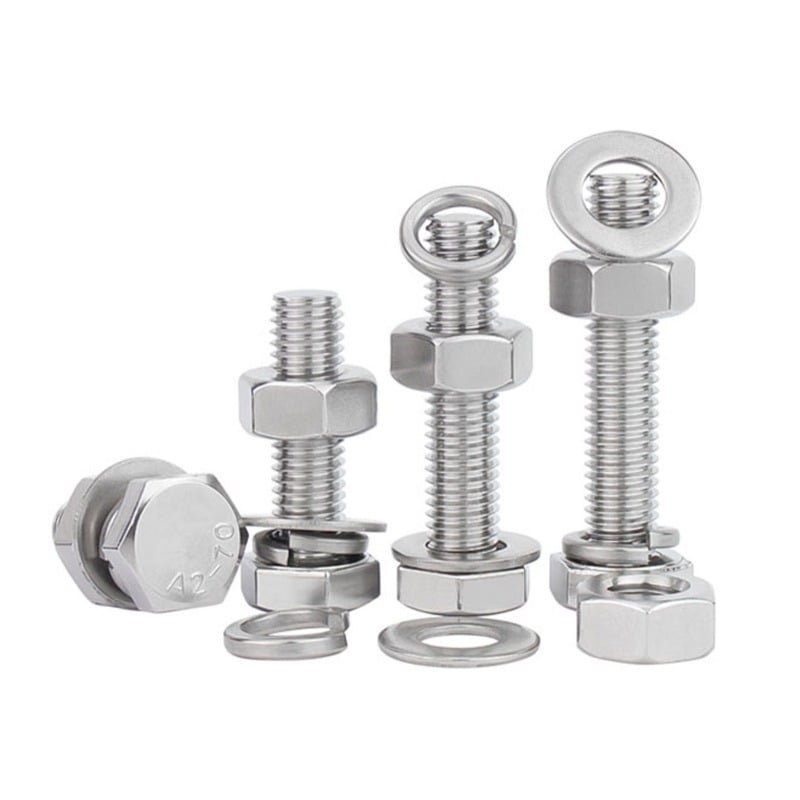
The main advantage of a stainless steel all thread rod is flexible installation. Workers can cut the rod on site, match the exact support distance, and fasten components without waiting for a special bolt size. This saves time during repairs, fabrication, and construction. A stainless steel all thread rod also accepts nuts, washers, couplers, and anchors along its full length, so one product can serve many fastening layouts. That versatility helps buyers reduce the number of different fasteners kept in stock. Stainless steel provides useful protection against rust and staining. In dry interiors, a stainless steel all thread rod maintains a clean appearance and dependable function. In damp rooms, exterior areas, food equipment zones, and coastal locations, the material can provide longer service than ordinary carbon steel. Selecting 316 stainless steel improves suitability where salt spray or chemical exposure may occur, while 304 stainless steel often delivers a practical balance for general use. The continuous thread makes length adjustment simple. Users can reposition nuts, level supports, and fine-tune assemblies after the rod is installed. This helps with pipe racks, cable trays, suspended services, signs, shelves, and equipment frames. A stainless steel all thread rod also supports modular repairs because damaged sections can often be replaced without changing the surrounding structure. Buyers should match diameter and thread pitch to the expected load, span, vibration, and safety requirements. Correct washers and nuts improve contact and reduce surface damage. The product does not replace engineered structural hardware where certified load data is required, but it offers a convenient and durable solution for many everyday fastening tasks. In practical terms, a stainless steel all thread rod combines availability, adjustability, corrosion resistance, and repeatable installation, giving customers dependable value across multiple projects.

Latest News

Beyond Galvanizing: How the Sherardizing Process Builds Ultimate Protection for High-End Steel

21

Jul

Beyond Galvanizing: How the Sherardizing Process Builds Ultimate Protection for High-End Steel

Why Sherardizing outperforms galvanizing for high-end steel—extreme corrosion resistance, zero hydrogen embrittlement & self-healing protection.
View More
New Chapter in Sino-Ethiopian Trade Cooperation: Securing a Long-Term Fastener Procurement Agreement

21

Jul

New Chapter in Sino-Ethiopian Trade Cooperation: Securing a Long-Term Fastener Procurement Agreement

How China & Ethiopia secured a long-term fastener supply deal for East Africa's booming industrial sector. Discover reliability, scalability & global impact.
View More
Full Container Ready for Shipment! Premium Fasteners Bound for the U.S. Industrial Market

21

Jul

Full Container Ready for Shipment! Premium Fasteners Bound for the U.S. Industrial Market

Need reliable, ocean-ready fasteners for U.S. industrial buyers? Our full-container shipment delivers certified quality, export-optimized packaging & seamless logistics.
View More

Get a Free Quote

Our representative will contact you soon.
0/1000
Continuous Thread for Flexible Assembly

Continuous Thread for Flexible Assembly

A stainless steel all thread rod has threads along its complete length, which gives installers far more adjustment than a standard bolt. A nut can move to any point, allowing the user to set a precise gap between brackets, frames, pipes, or panels. This feature is valuable when site measurements change or when several components need to align at different heights. A stainless steel all thread rod can also be cut into shorter pieces, so one longer length may support several jobs. Couplers extend the same fastening method across longer spans without requiring an unusually long bolt. The open-ended design makes installation practical in confined spaces because workers can insert the rod through a hole and add hardware afterward. For maintenance teams, the stainless steel all thread rod is easy to remove, replace, or reposition. Its adjustable format reduces custom fabrication, limits wasted material, and helps crews complete work with common tools.
Corrosion Resistance for Longer Service

Corrosion Resistance for Longer Service

Material selection is a major reason to choose a stainless steel all thread rod. Stainless steel naturally forms a protective surface layer that helps resist rust, moisture, and staining. This makes the product suitable for areas where condensation, washing, outdoor exposure, or changing temperatures could shorten the life of plain steel. A stainless steel all thread rod in grade 304 is a dependable choice for many indoor, commercial, and general outdoor installations. Grade 316 provides added protection in coastal, marine, chemical, and high-salt environments. Longer service life can reduce replacement work, downtime, and maintenance spending. The clean metallic appearance also suits visible supports, architectural fittings, food processing equipment, and public-facing installations. Users should still prevent contamination from carbon-steel tools or chips and should choose compatible nuts and washers. When the grade matches the environment, a stainless steel all thread rod helps preserve both fastening performance and project appearance over time.
Broad Size and Application Selection

Broad Size and Application Selection

A stainless steel all thread rod is available in many diameters, lengths, thread pitches, and standards, allowing buyers to select a close fit for each project. Metric options support international equipment and construction systems, while imperial sizes suit many regional repair and fabrication tasks. Coarse threads usually install quickly and handle general assembly well; fine threads can offer more adjustment per turn where accurate positioning matters. A stainless steel all thread rod may support pipe hangers, cable supports, ductwork, equipment frames, solar mounting, signs, shelving, furniture, and light fabrication. This broad application range helps distributors and maintenance departments simplify purchasing. Before ordering, confirm the rod diameter, usable length, thread standard, grade, finish, and compatibility with the nuts and washers. Consider vibration, temperature, exposure, and expected load as well. Choosing the correct stainless steel all thread rod prevents fit problems and improves installation efficiency. It also gives customers a repeatable fastening method for both new construction and ongoing maintenance.