Threaded Rod Bolt Solutions for Secure Builds

application/threaded-rod-bolt, application/threaded-rod-bolt, 
Inquiry
Inquiry

threaded rod bolt

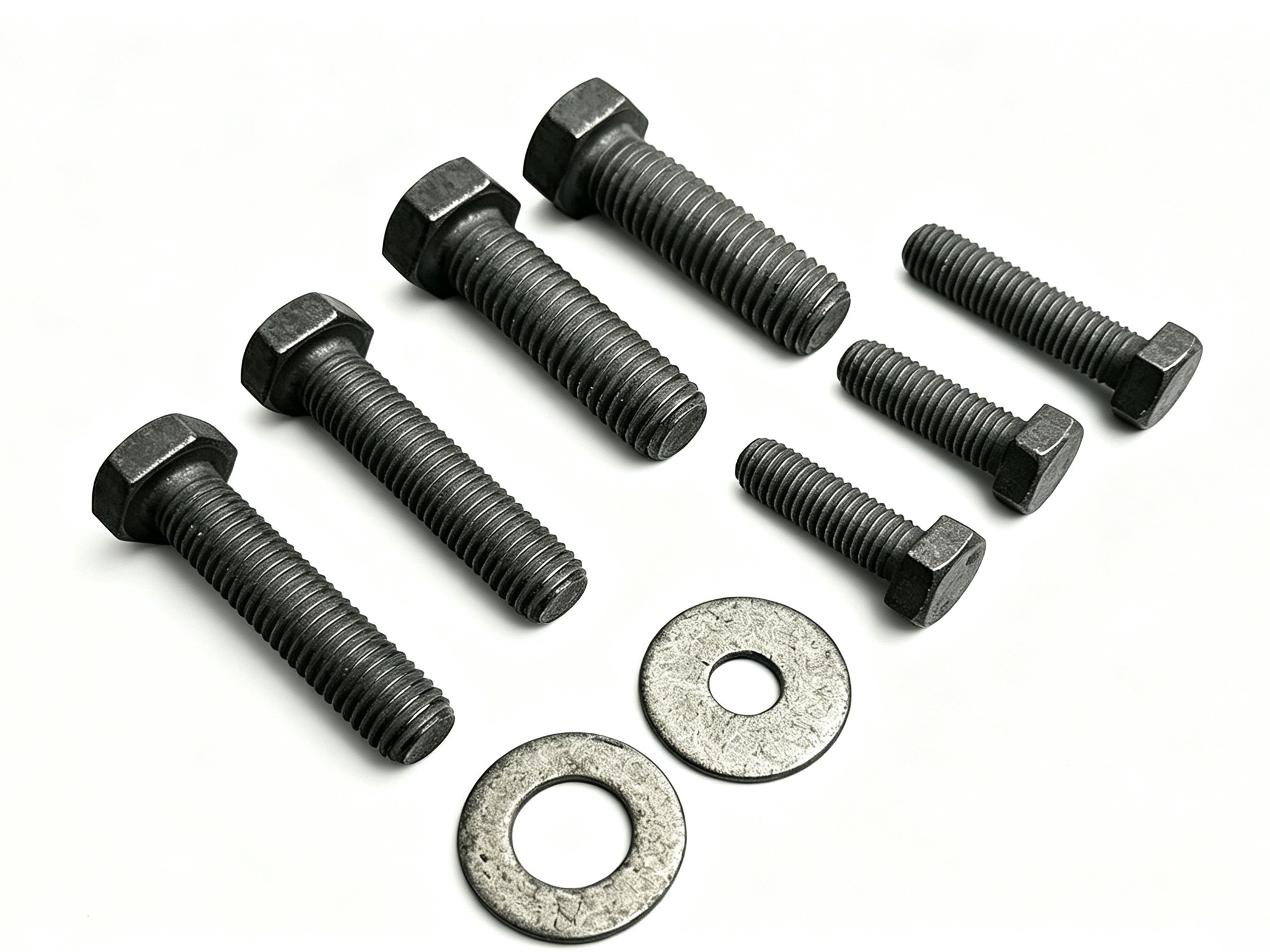
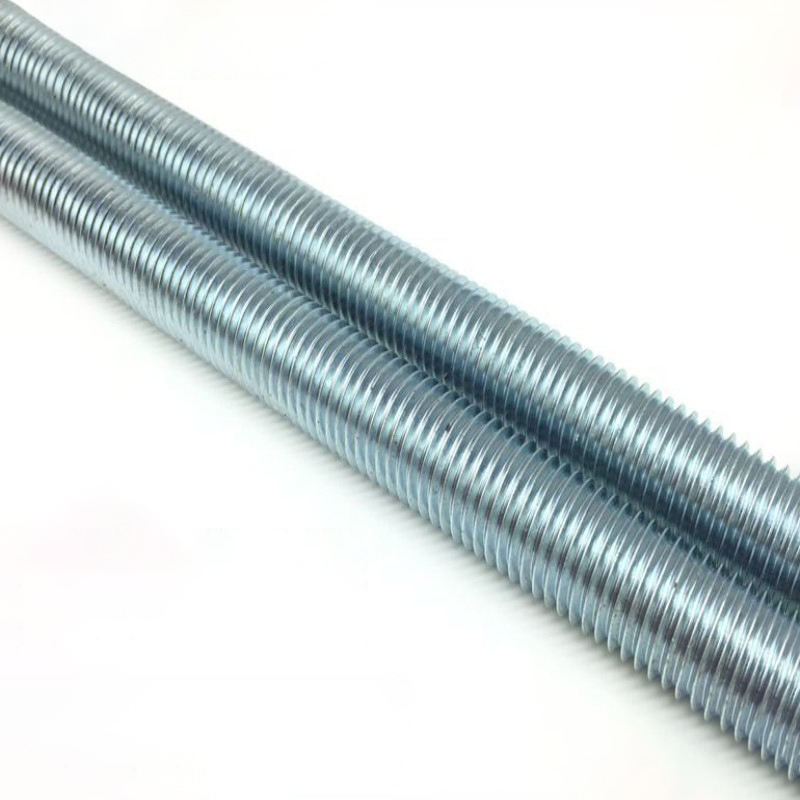
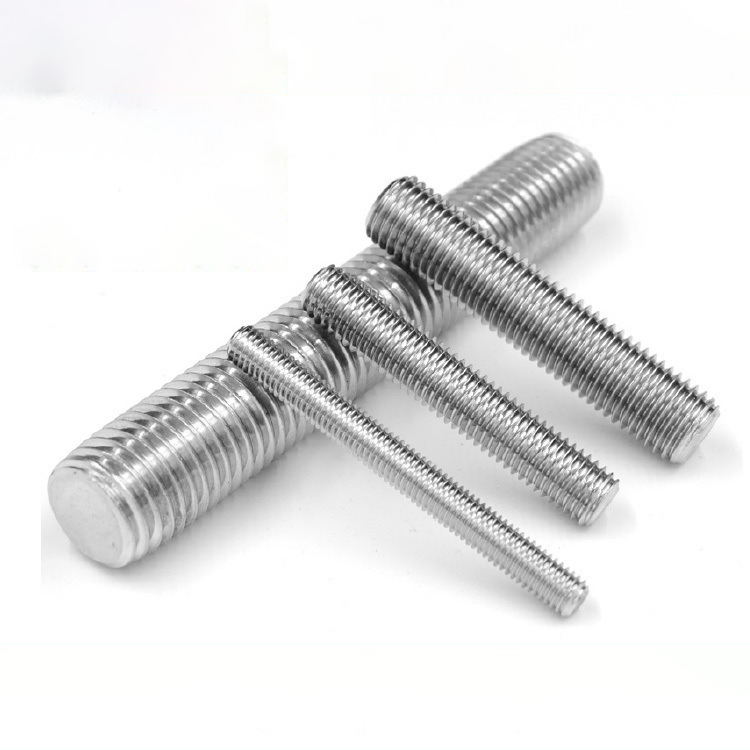
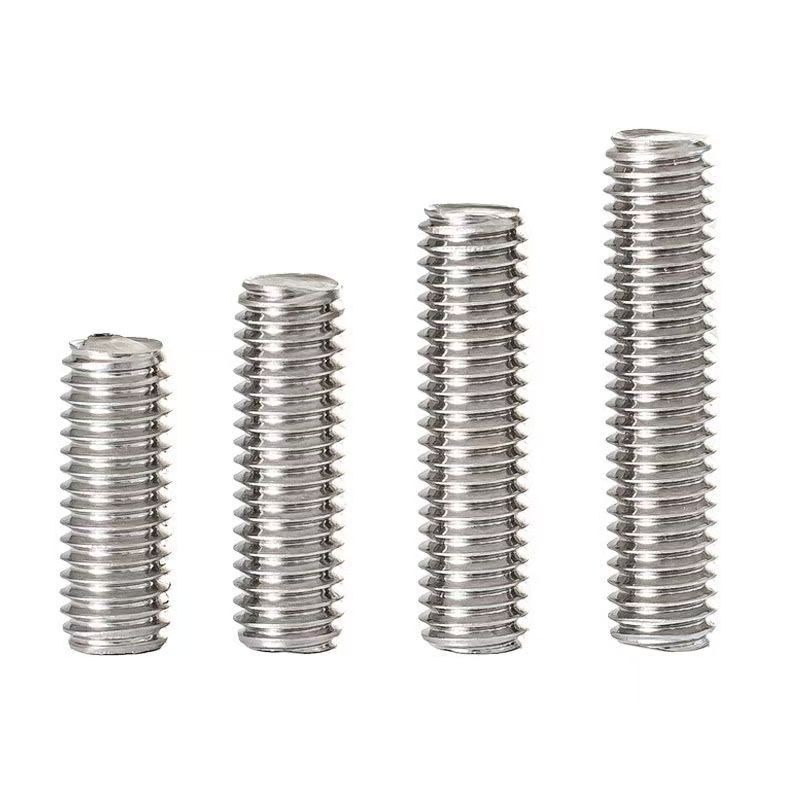
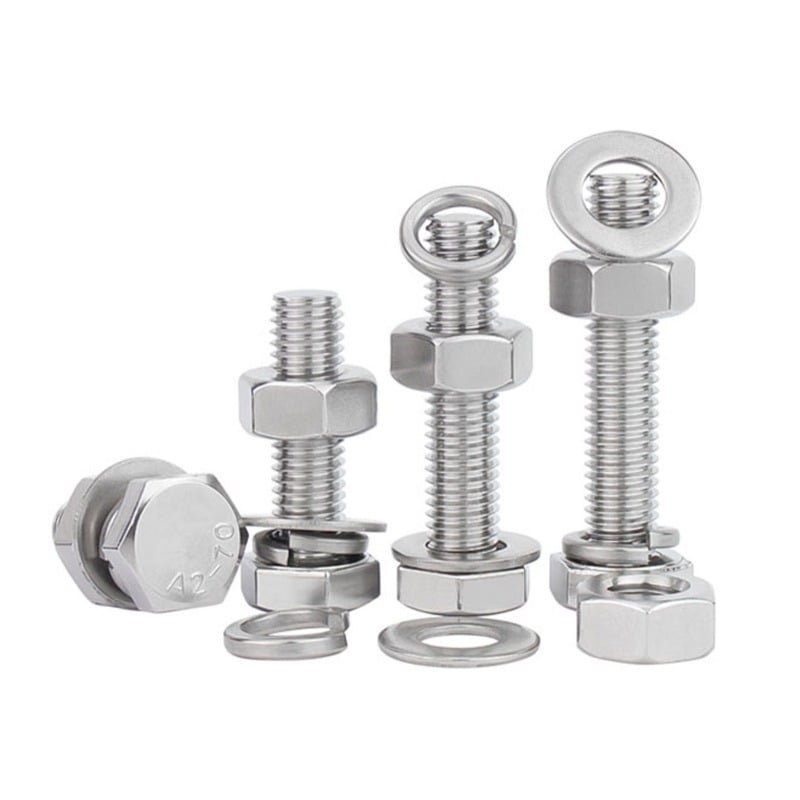
A threaded rod bolt is a long, straight fastener with continuous threads running along its length. Unlike a standard bolt with a head, a threaded rod bolt works with nuts, washers, couplers, or threaded holes to join, support, or suspend components. Its main function is to create a strong connection across distances that ordinary bolts cannot reach. Installers can cut the threaded rod bolt to a required length, add a nut at either end, and adjust the assembly during installation or maintenance. The threaded rod bolt also helps align parts, clamp materials, anchor equipment, and transfer load through a frame or support system. Common designs use carbon steel, stainless steel, or galvanized steel. Carbon steel offers a practical balance of strength and cost, while stainless steel provides better resistance to moisture and corrosion. A zinc or hot-dip galvanized finish gives additional protection in demanding environments. Thread size, diameter, length, grade, and finish determine the suitable working conditions. Coarse threads support quick installation and good holding power in many general tasks. Fine threads allow more precise adjustment where space or alignment matters. The threaded rod bolt may also be cut, joined with a coupling nut, or combined with plates and brackets. Applications include construction supports, pipe and cable systems, electrical installations, machinery frames, furniture, solar mounting, suspended ceilings, and repair work. Buyers should match the threaded rod bolt to the expected load, environment, temperature, and connection method. Correct nuts and washers are equally important because they help spread pressure and protect the joined materials.
The threaded rod bolt gives buyers a flexible way to build secure connections without ordering a special bolt for every length. Workers can cut one piece on site, which reduces waste, simplifies storage, and helps teams respond to changing measurements. When an assembly needs extra reach, a coupling nut can join two sections quickly. This makes the threaded rod bolt useful for both planned projects and field repairs. It can also support several connection points along one length, helping installers create frames, hangers, braces, and suspension systems with fewer separate parts. A threaded rod bolt keeps installation practical because nuts can move along the threads for accurate positioning. This adjustability helps level equipment, align brackets, set clearances, and compensate for small differences in construction. Washers distribute clamping pressure over a wider area, reducing damage to softer materials and improving grip. Depending on the finish, a threaded rod bolt can work indoors, outdoors, or in areas exposed to moisture. Stainless steel suits wet or corrosive locations, while galvanized and zinc-coated options provide economical protection for many building tasks. Carbon steel remains a strong choice for general structural and mechanical work where controlled conditions apply. The design also makes inspection and replacement simple. Users can check exposed threads, tighten a loose nut, or replace a damaged section without removing an entire custom assembly. For purchasing teams, standard thread sizes and widely available accessories support easier sourcing and lower replacement delays. The threaded rod bolt is suitable for light, medium, and heavier support duties when users select the correct diameter, material, grade, and installation method. It should not replace a certified structural fastener where project rules require one, but it offers excellent value for adjustable connections, service access, and repeatable installation.

Tips And Tricks

Beyond Galvanizing: How the Sherardizing Process Builds Ultimate Protection for High-End Steel

21

Jul

Beyond Galvanizing: How the Sherardizing Process Builds Ultimate Protection for High-End Steel

Why Sherardizing outperforms galvanizing for high-end steel—extreme corrosion resistance, zero hydrogen embrittlement & self-healing protection.
View More
New Chapter in Sino-Ethiopian Trade Cooperation: Securing a Long-Term Fastener Procurement Agreement

21

Jul

New Chapter in Sino-Ethiopian Trade Cooperation: Securing a Long-Term Fastener Procurement Agreement

How China & Ethiopia secured a long-term fastener supply deal for East Africa's booming industrial sector. Discover reliability, scalability & global impact.
View More
Full Container Ready for Shipment! Premium Fasteners Bound for the U.S. Industrial Market

21

Jul

Full Container Ready for Shipment! Premium Fasteners Bound for the U.S. Industrial Market

Need reliable, ocean-ready fasteners for U.S. industrial buyers? Our full-container shipment delivers certified quality, export-optimized packaging & seamless logistics.
View More

Get a Free Quote

Our representative will contact you soon.
0/1000
Adjustable Length for Faster Installation

Adjustable Length for Faster Installation

The threaded rod bolt stands out because users can cut it to the exact length required at the job site. This feature removes the need to carry many bolt lengths and helps installers handle unexpected gaps, revised measurements, or uneven surfaces. After cutting, the threaded rod bolt can accept nuts and washers at the needed positions, allowing the team to set alignment before final tightening. A coupling nut can also connect two pieces when a longer reach is necessary. This flexibility reduces ordering delays and limits material waste, especially on projects with varied support points. It works well for suspended services, equipment frames, brackets, and temporary supports. Buyers gain a product that adapts to real installation conditions instead of forcing the work to match a fixed dimension. With suitable cutting tools and proper thread protection, the threaded rod bolt delivers a quick, practical solution for custom-length connections.
Material and Finish Choices for Real Conditions

Material and Finish Choices for Real Conditions

A major value of the threaded rod bolt comes from its range of material and finish options. Carbon steel provides dependable strength for many indoor construction and machinery tasks at a competitive price. Galvanized or zinc-coated versions add protection against humidity and outdoor exposure, helping extend service life where mild corrosion is a concern. Stainless steel offers stronger resistance in wet, coastal, food-processing, or chemically exposed areas. Selecting the right threaded rod bolt finish helps prevent early rust, maintenance interruptions, and replacement costs. Buyers can also choose a suitable diameter and grade based on load, span, and connection design. This choice gives engineers, contractors, and maintenance teams better control over product performance rather than relying on a single general-purpose fastener. The result is a connection that matches the environment, supports reliable operation, and provides clearer long-term value.
Reliable Grip with Simple, Accessible Parts

Reliable Grip with Simple, Accessible Parts

The threaded rod bolt uses familiar nuts, washers, brackets, and coupling nuts, so most installation teams can work with it without specialized equipment. Continuous threads provide many adjustment points and help create a firm clamp when the assembly is tightened correctly. Washers can spread pressure across the surface, while locking nuts or suitable thread-locking methods can help resist loosening caused by movement or vibration. The threaded rod bolt also supports straightforward inspection because much of the connection remains visible and accessible. A technician can check nut position, examine exposed threads, and tighten or replace parts during routine service. This makes the product useful in machinery supports, cable trays, pipe hangers, solar structures, and repair assemblies. Its simple design reduces training demands and makes spare parts easy to source. For customers, that means practical maintenance, fewer special components, and dependable connection control throughout the life of the installation.