Custom Studs for Precision Industrial Applications

application/custom-studs, application/custom-studs, 
Inquiry
Inquiry

custom studs

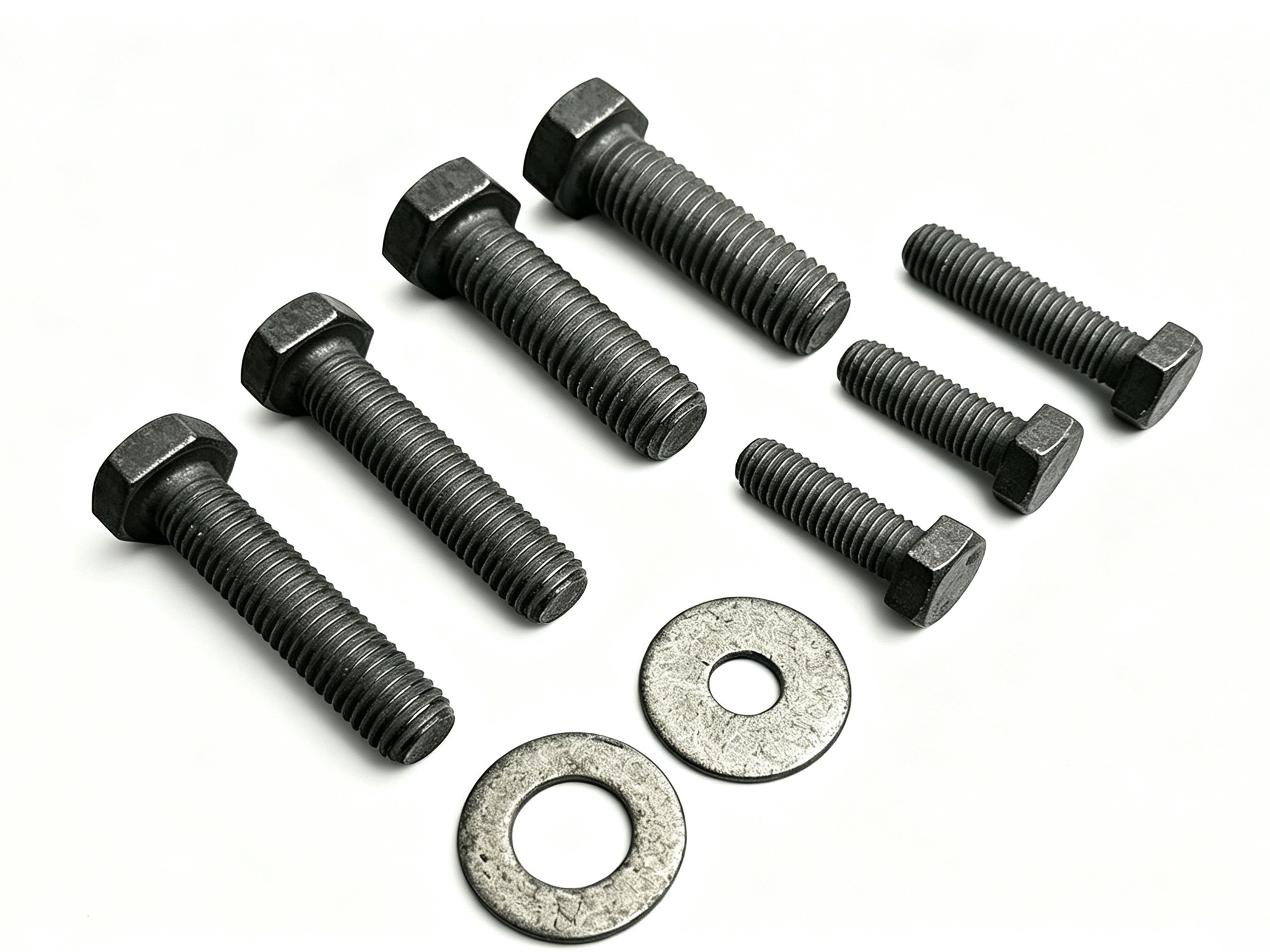
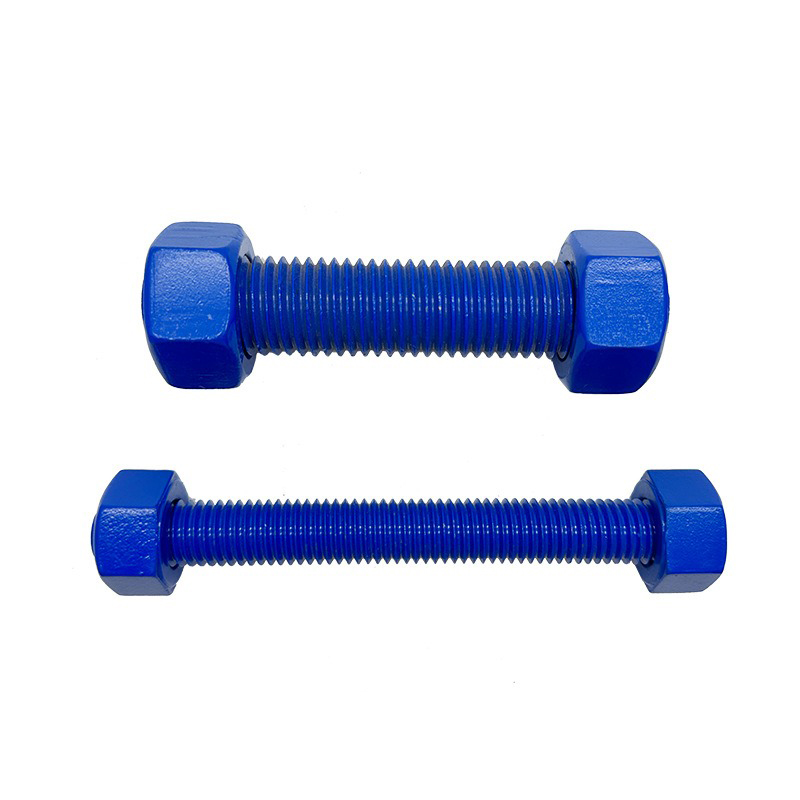
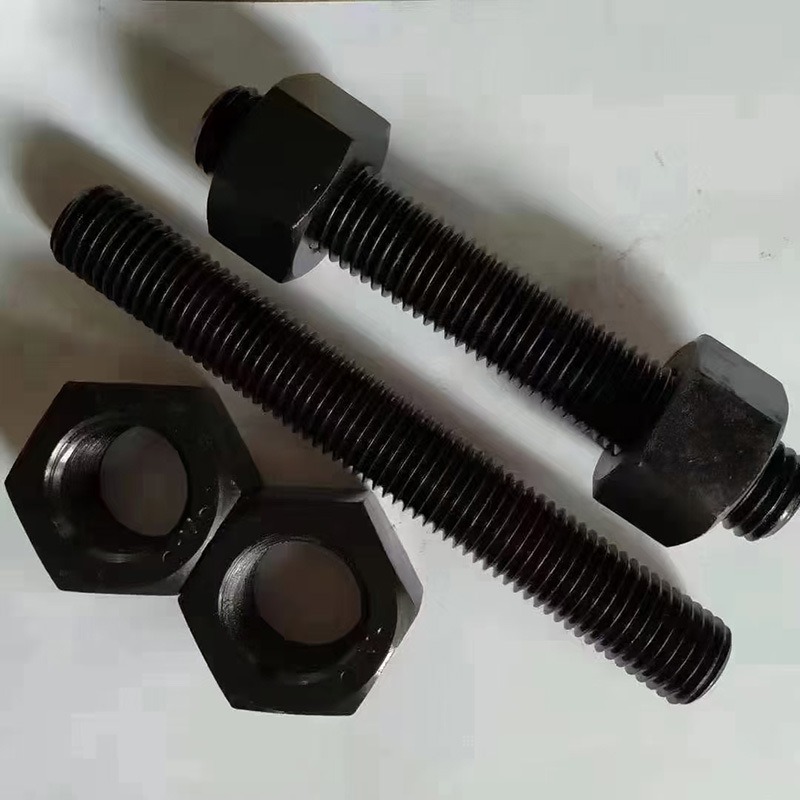
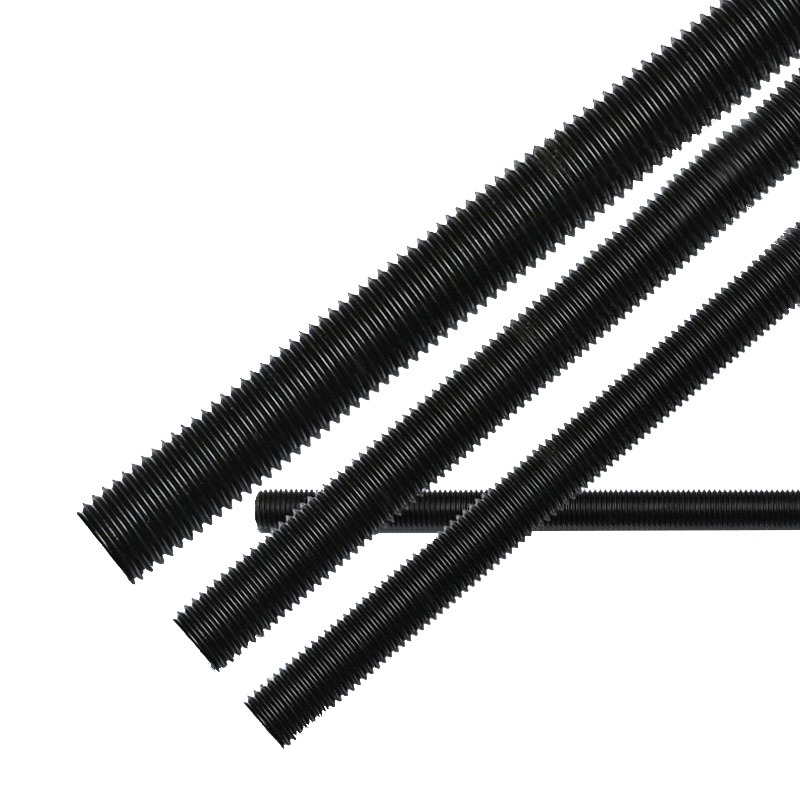
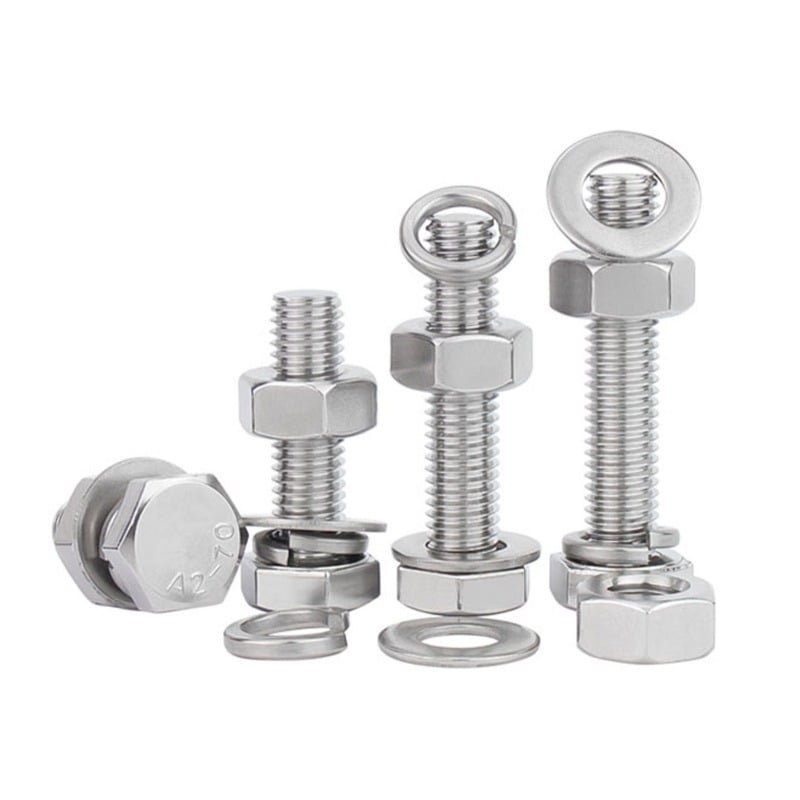
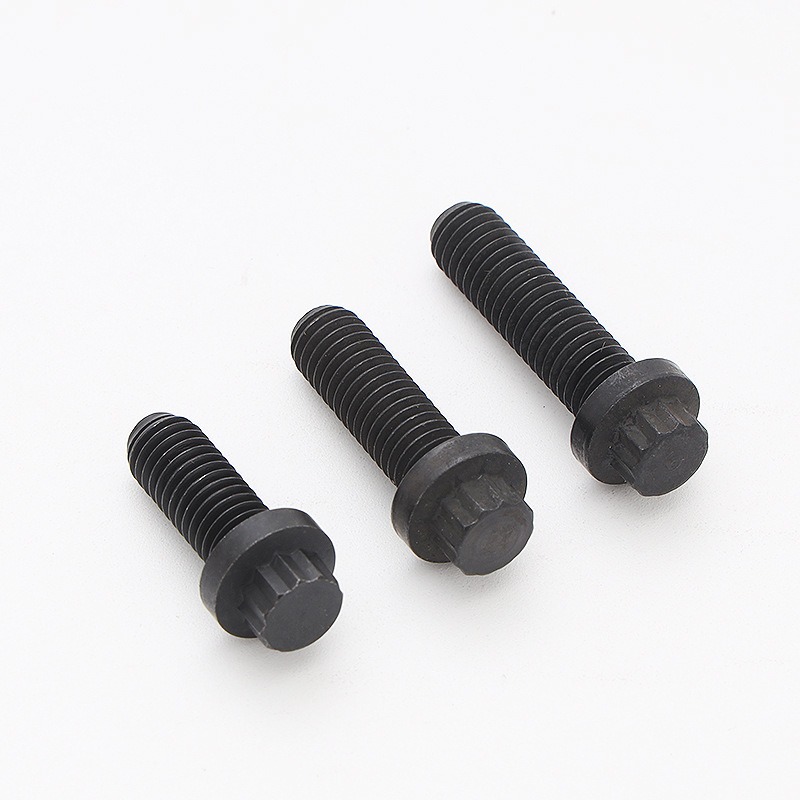
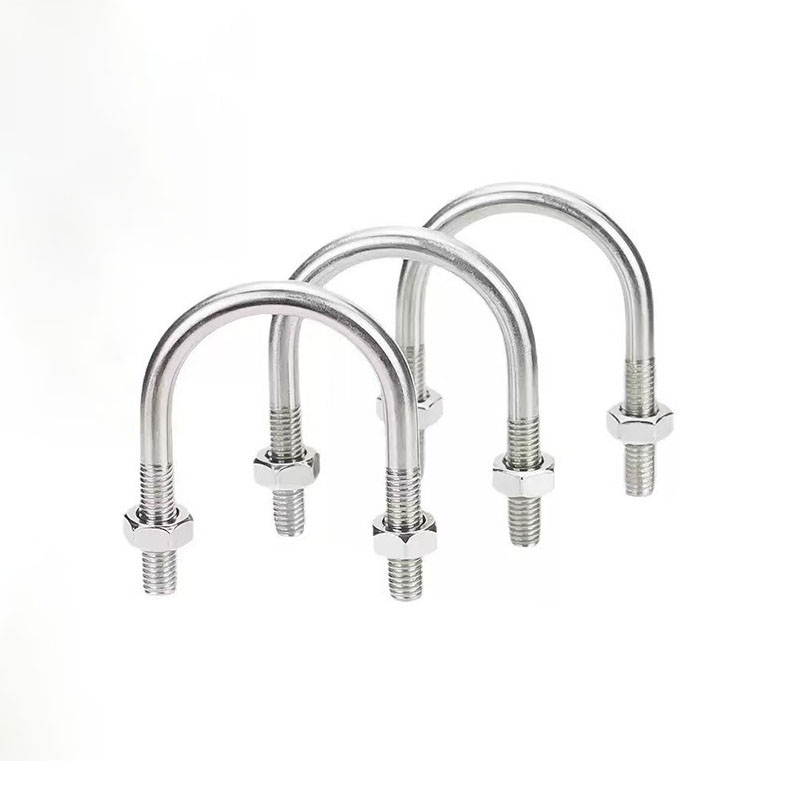
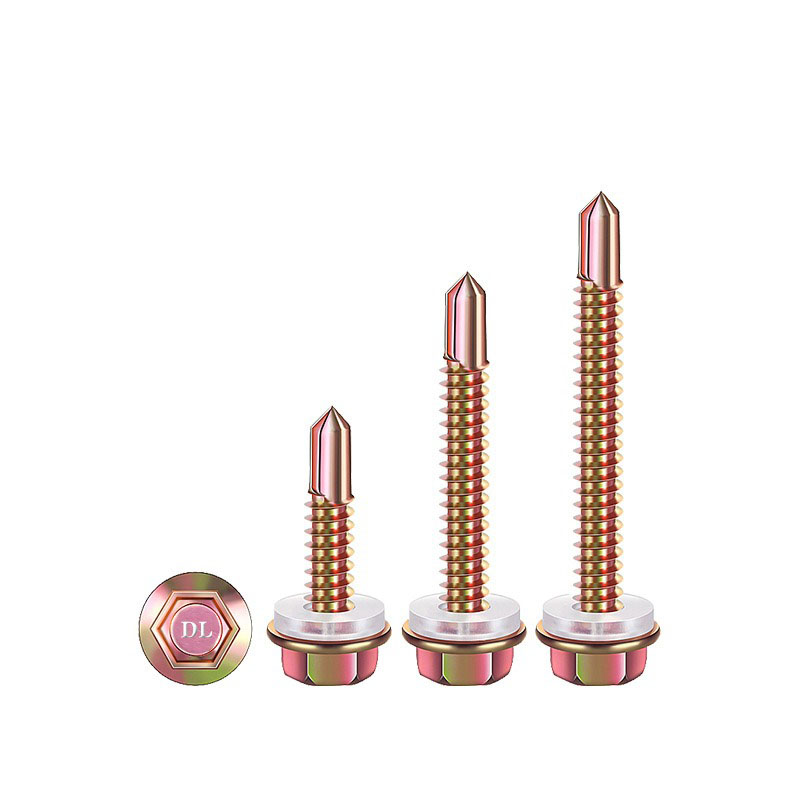
Custom studs are purpose-built threaded fasteners designed to join, position, support, or anchor components in demanding assemblies. Unlike standard hardware, custom studs can match a specific diameter, length, thread form, head style, tip shape, or mounting requirement. This flexibility helps engineers solve fit and access problems without modifying surrounding parts. Custom studs may use stainless steel, carbon steel, alloy steel, brass, aluminum, or other selected materials, depending on load, temperature, corrosion exposure, and weight targets. Surface treatments such as zinc plating, black oxide, passivation, or protective coatings can further improve service life. Custom studs support several functions. They can create a permanent threaded anchor, provide a removable connection, maintain component alignment, transfer clamping force, or offer a reliable mounting point for covers, panels, sensors, and brackets. Double-ended, shoulder, weld, press-fit, and reduced-tip designs serve different installation needs. Custom studs can also include flats, slots, grooves, cross holes, or special drive features for controlled assembly. Modern production may combine computer-aided design, automated machining, cold forming, thread rolling, laser marking, and dimensional inspection. These technologies help maintain consistent geometry across production batches and support traceable quality control. Custom studs are used in automotive systems, industrial machinery, electrical equipment, construction hardware, agricultural machines, energy equipment, and specialized consumer products. They suit prototypes, repair programs, low-volume projects, and large production runs. By selecting the right design, material, finish, and tolerance, customers receive Custom studs that fit the application rather than forcing the application to accept a standard part. For buyers seeking secure, repeatable, and application-specific fastening, Custom studs provide a practical route from design requirement to dependable assembly.
Custom studs deliver clear value when a standard fastener cannot provide the required fit or performance. The main advantage is design control. Buyers can specify the exact length, thread position, shoulder, tip, material, and finish needed for their assembly. This reduces the need for washers, spacers, adapters, or improvised modifications. Custom studs can therefore simplify the bill of materials and make installation more predictable. Custom studs also improve assembly consistency. A defined shoulder can set a repeatable depth, while a selected thread length can prevent interference with nearby components. This helps operators install parts correctly and supports stable torque results. For automated lines, custom studs can include features that guide placement, accept tooling, or work with robotic feeding systems. These details can reduce cycle time and lower the risk of misalignment. Another practical benefit is durability. Material and coating choices allow Custom studs to suit vibration, moisture, heat, chemicals, or heavy loads. Stainless options help resist corrosion, while hardened steel can support higher mechanical stress. A suitable finish can protect exposed threads and extend maintenance intervals. Custom studs are suitable for both compact and large assemblies because designers can balance strength, weight, clearance, and access. They work well in engine components, frames, enclosures, brackets, flanges, panels, and equipment bases. Custom studs also support repair work by replacing an obsolete or damaged mounting point without redesigning the whole product. For purchasing teams, Custom studs can reduce total cost through fewer parts, easier servicing, and less assembly waste. Suppliers may support samples, drawings, prototypes, and repeat orders, helping customers confirm fit before committing to volume. The right specification still matters: buyers should review load, thread compatibility, installation method, operating environment, quantity, and inspection needs. With those points defined, Custom studs offer a dependable, economical, and application-focused fastening solution.

Latest News

Beyond Galvanizing: How the Sherardizing Process Builds Ultimate Protection for High-End Steel

21

Jul

Beyond Galvanizing: How the Sherardizing Process Builds Ultimate Protection for High-End Steel

Why Sherardizing outperforms galvanizing for high-end steel—extreme corrosion resistance, zero hydrogen embrittlement & self-healing protection.
View More
New Chapter in Sino-Ethiopian Trade Cooperation: Securing a Long-Term Fastener Procurement Agreement

21

Jul

New Chapter in Sino-Ethiopian Trade Cooperation: Securing a Long-Term Fastener Procurement Agreement

How China & Ethiopia secured a long-term fastener supply deal for East Africa's booming industrial sector. Discover reliability, scalability & global impact.
View More
Full Container Ready for Shipment! Premium Fasteners Bound for the U.S. Industrial Market

21

Jul

Full Container Ready for Shipment! Premium Fasteners Bound for the U.S. Industrial Market

Need reliable, ocean-ready fasteners for U.S. industrial buyers? Our full-container shipment delivers certified quality, export-optimized packaging & seamless logistics.
View More

Get a Free Quote

Our representative will contact you soon.
0/1000
Application-Specific Geometry

Application-Specific Geometry

The strongest selling point of Custom studs is the ability to match the fastener to the real assembly. A buyer can define overall length, threaded sections, unthreaded shoulders, tip shape, diameter, and head or drive features. That control matters when space is limited, components must align accurately, or a mounting point sits behind a panel. Custom studs can place threads exactly where nuts or accessories need them, while a shoulder can establish a fixed seating position. This reduces guesswork during design and avoids repeated trial fitting on the production floor. Custom studs can also replace combinations of ordinary bolts, spacers, and washers, creating a cleaner and more compact assembly. For equipment makers, the result is easier installation and more consistent product construction. For maintenance teams, a purpose-fit part can make replacement work faster because it fits the original location without cutting, drilling, or adding temporary shims. This geometry flexibility turns a fastening challenge into a manageable specification.
Reliable Materials and Finishes

Reliable Materials and Finishes

Material selection gives Custom studs the strength and service life required by the working environment. Carbon or alloy steel can support high clamping loads, while stainless steel helps protect against moisture and corrosion. Aluminum and brass provide useful options when lower weight, electrical performance, or appearance matters. Buyers can also request finishes that suit exposure and handling, including zinc plating, passivation, black oxide, or other protective treatments. These choices help Custom studs perform more reliably around water, salt, heat, vibration, oils, and industrial chemicals. Proper material selection can reduce rust, thread damage, premature loosening, and unplanned replacement. It also helps engineers balance performance against part weight and budget instead of paying for an unsuitable material throughout the product. With controlled heat treatment, thread production, and inspection, Custom studs can deliver stable mechanical behavior from one batch to the next. This gives production and quality teams greater confidence when the fastener is installed in safety-related, high-use, or difficult-to-service equipment.
Consistent Production Support

Consistent Production Support

Custom studs are valuable beyond the individual part because they can support a smoother purchasing and manufacturing process. Suppliers can develop samples from drawings or 3D data, confirm critical dimensions, and adjust the design before volume production. This is useful for new products, replacement programs, and projects with unusual mounting requirements. Once approved, Custom studs can be produced through machining, forming, rolling, or a combined process selected for the required quantity and performance. Inspection plans may check thread accuracy, length, diameter, surface condition, hardness, and marking. Such controls help Custom studs remain consistent during repeat orders and reduce variation on the assembly line. Clear packaging and part identification can further prevent mix-ups between similar sizes. Customers also gain planning flexibility because the same design can serve prototypes, pilot builds, repairs, and ongoing production. By working from a documented specification, buyers can compare quotes more fairly, forecast supply, and protect the design from accidental substitutions. The result is dependable fastening with less disruption to operations.