stainless steel studding
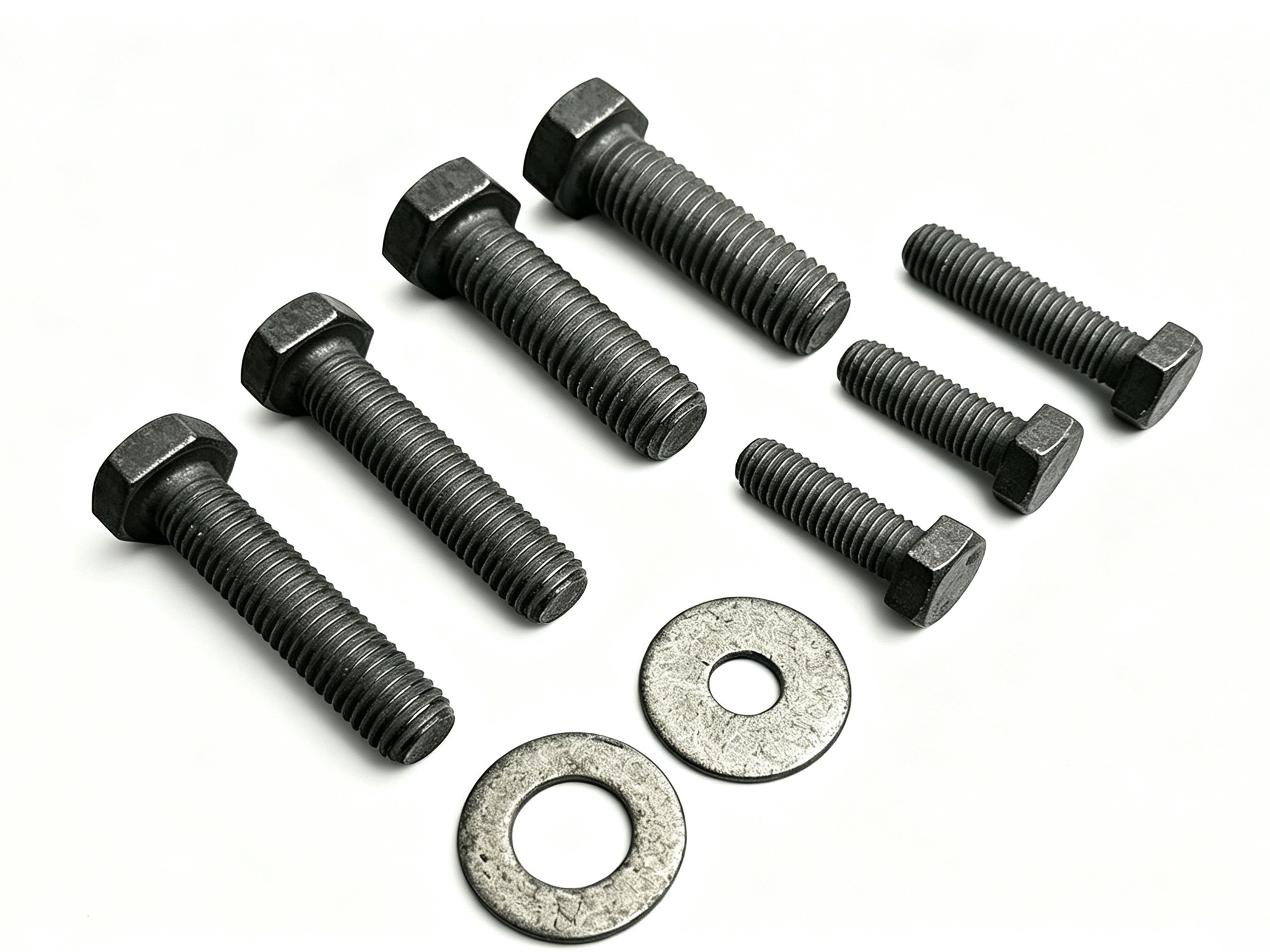
Stainless steel studding is a straight threaded rod designed to join, support, brace, or suspend components. Unlike a plain bar, stainless steel studding provides continuous external threads along its length, allowing nuts, washers, couplers, brackets, and other fittings to be positioned where needed. This stainless steel studding gives installers flexibility when they must create a custom fixing length or connect threaded parts from both ends. Common grades include 304 stainless steel for general service and 316 stainless steel for higher exposure to salt, moisture, and chemicals. Stainless steel studding can be cut to length with suitable tools while retaining useful fastening performance when the threads are protected and cleaned. Its corrosion-resistant surface helps preserve appearance and function in indoor, outdoor, wet, and hygienic environments. The stainless steel studding design supports mechanical loads through a simple, adjustable connection rather than welding. It is available in metric and imperial thread sizes, with different diameters, lengths, and thread pitches to suit project requirements. Stainless steel studding works with standard nuts and washers that match its grade and thread profile. It can also serve as an anchor extension, hanging rod, alignment member, or replacement for damaged threaded shafts. For plant maintenance, stainless steel studding simplifies repairs because users can cut, couple, and replace sections without changing an entire assembly. In construction, stainless steel studding supports suspended services, frames, handrails, supports, and equipment. In fabrication, stainless steel studding helps create repeatable, serviceable joints. Select the grade, diameter, length, and thread standard according to load, environment, installation method, and local regulations.
 EN