Custom threaded rod solutions for industry

application/custom-threaded-rod, application/custom-threaded-rod, 
Inquiry
Inquiry

custom threaded rod

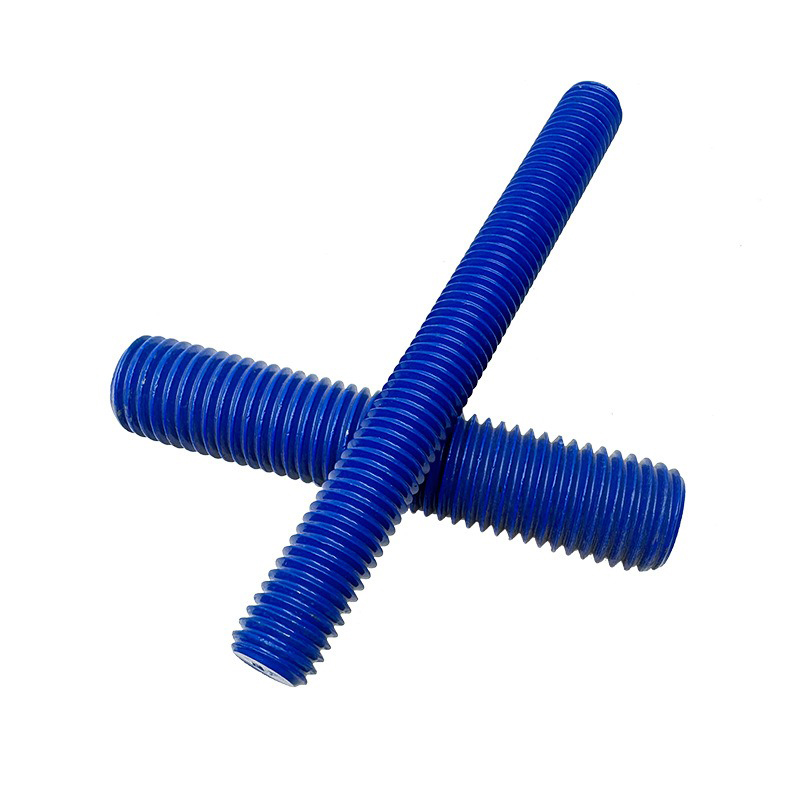
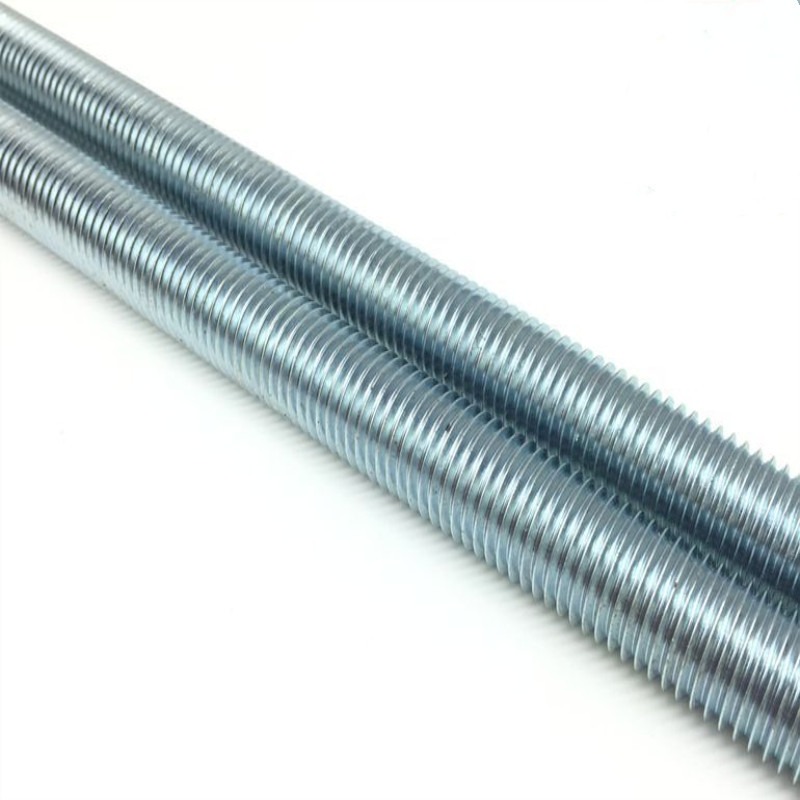
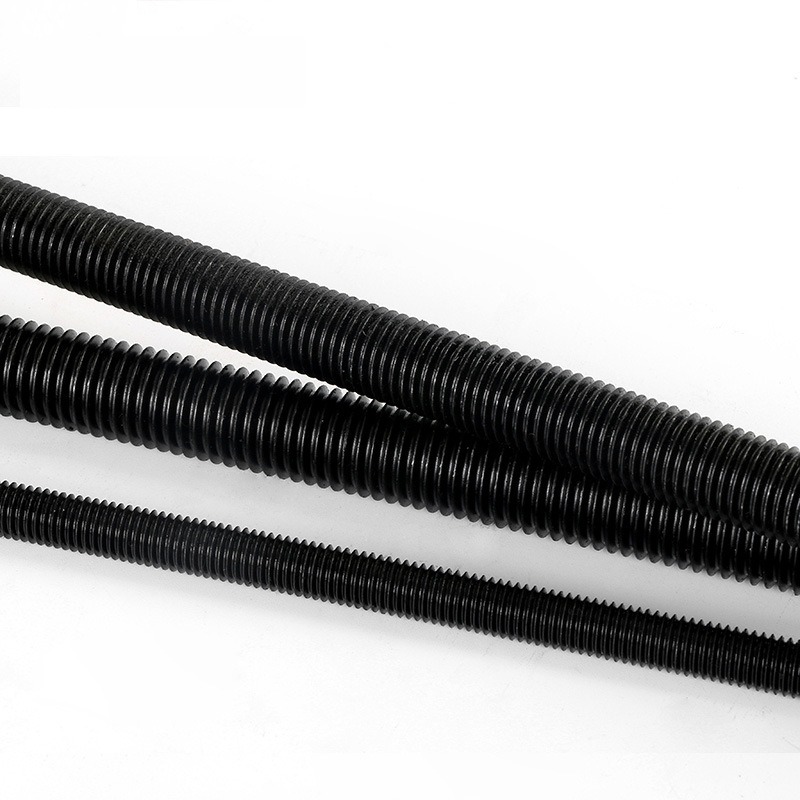
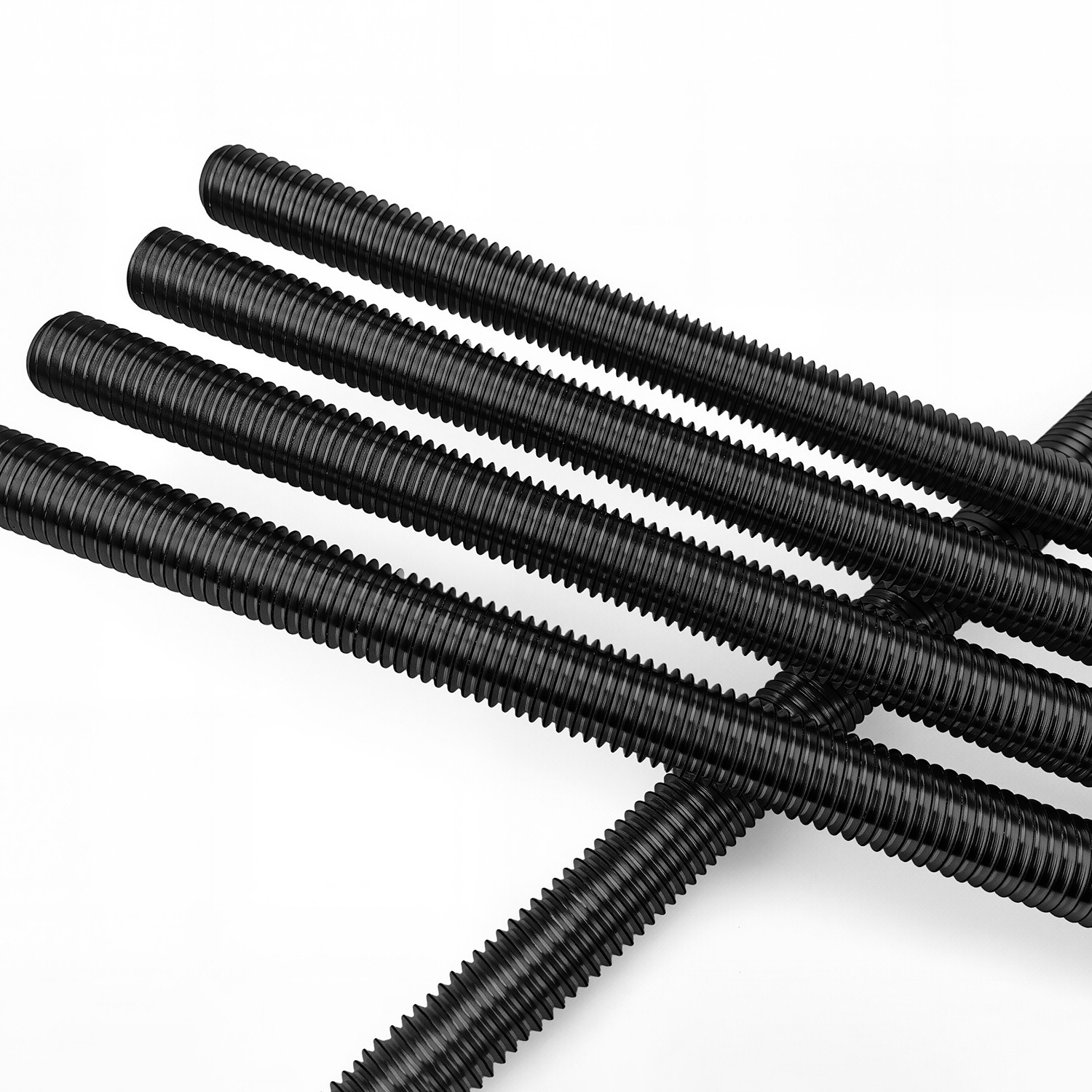
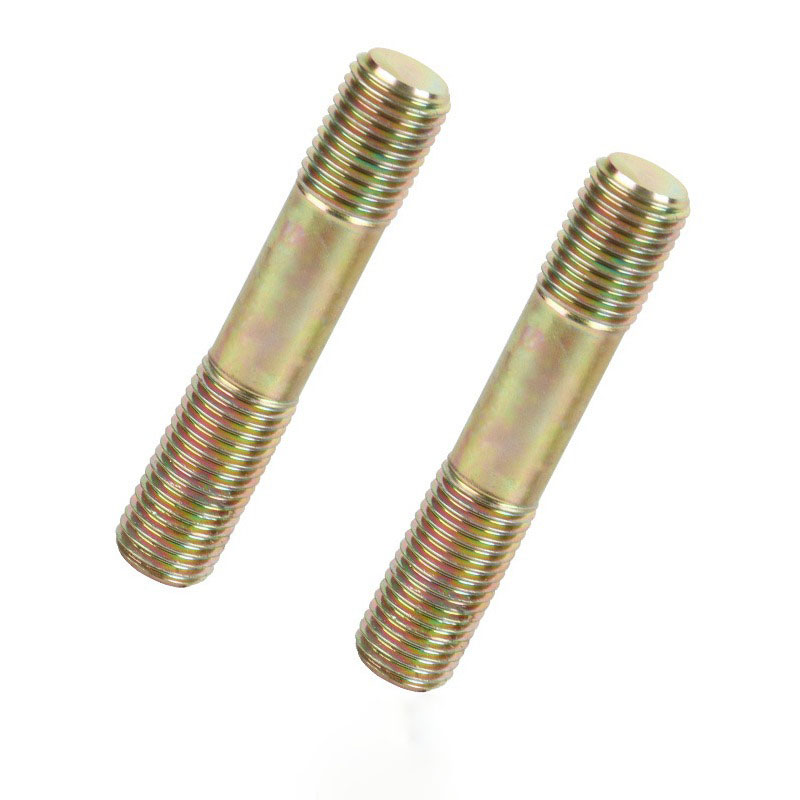
A custom threaded rod is a precision fastening component made to match a specific length, diameter, thread form, material, or end configuration. Unlike standard stock, a custom threaded rod gives engineers and buyers more control when a ready-made fastener cannot provide the required fit. It can join, support, align, suspend, or adjust parts in assemblies where accurate engagement matters. A custom threaded rod can carry tension, hold components in position, and create a dependable connection between brackets, frames, plates, and machine parts. Manufacturers may produce a custom threaded rod with full-length threads, partial threads, reduced ends, chamfers, slots, or other requested details. Common materials include carbon steel, stainless steel, alloy steel, brass, and selected nonmetal options for special environments. Surface treatments such as zinc plating, black oxide, passivation, or other protective finishes can improve corrosion resistance and service life. Modern turning, rolling, cutting, and inspection processes help maintain consistent dimensions and clean thread engagement. A custom threaded rod also supports different thread standards, pitches, tolerances, and strength grades, allowing closer compatibility with mating nuts and tapped holes. Applications range from construction supports and industrial machinery to electrical equipment, furniture systems, vehicle components, and maintenance repairs. Buyers can specify quantity, packaging, marking, and inspection requirements as part of the order. By combining accurate geometry with material and finish choices, a custom threaded rod solves fit problems while supporting efficient assembly, reliable holding power, and repeatable production.
The main advantage of a custom threaded rod is fit. Instead of changing a design to suit an off-the-shelf part, buyers can order a custom threaded rod that matches the assembly from the start. This approach can reduce shimming, cutting, rework, and installation delays. A custom threaded rod also helps teams control the distance between components, which is useful for supports, anchors, braces, guides, and adjustable frames. When a project has unusual dimensions, a custom threaded rod can provide the exact reach needed without joining several shorter pieces. That can simplify installation and reduce connection points. Material selection adds another practical benefit. A custom threaded rod made from stainless steel can suit damp or corrosive locations, while a stronger steel grade can support demanding loads. A finish can further protect the part and improve appearance where the product remains visible. Buyers can also choose thread size and pitch to match existing hardware, making replacement work faster and reducing compatibility risks. For production users, a custom threaded rod can deliver repeatable dimensions across multiple batches. Consistency helps automated or semi-automated assembly run smoothly and makes quality checks easier. Manufacturers may also supply samples, inspection records, cut-to-length pieces, or labeled packaging, depending on project needs. This helps purchasing teams manage inventory and helps installers identify parts quickly. The product suits both one-time repairs and large production programs because specifications can be adjusted to quantity, budget, and performance requirements. Choosing a custom threaded rod is especially valuable when space is limited, loads vary, access is difficult, or a standard length leaves too much unused material. Before ordering, buyers should confirm diameter, thread standard, length, material, finish, tolerance, load expectations, and required quantity. Clear specifications help suppliers quote accurately and reduce avoidable revisions.

Tips And Tricks

Beyond Galvanizing: How the Sherardizing Process Builds Ultimate Protection for High-End Steel

21

Jul

Beyond Galvanizing: How the Sherardizing Process Builds Ultimate Protection for High-End Steel

Why Sherardizing outperforms galvanizing for high-end steel—extreme corrosion resistance, zero hydrogen embrittlement & self-healing protection.
View More
New Chapter in Sino-Ethiopian Trade Cooperation: Securing a Long-Term Fastener Procurement Agreement

21

Jul

New Chapter in Sino-Ethiopian Trade Cooperation: Securing a Long-Term Fastener Procurement Agreement

How China & Ethiopia secured a long-term fastener supply deal for East Africa's booming industrial sector. Discover reliability, scalability & global impact.
View More
Full Container Ready for Shipment! Premium Fasteners Bound for the U.S. Industrial Market

21

Jul

Full Container Ready for Shipment! Premium Fasteners Bound for the U.S. Industrial Market

Need reliable, ocean-ready fasteners for U.S. industrial buyers? Our full-container shipment delivers certified quality, export-optimized packaging & seamless logistics.
View More

Get a Free Quote

Our representative will contact you soon.
0/1000
Made to Match Exact Assembly Requirements

Made to Match Exact Assembly Requirements

A custom threaded rod gives buyers control over the dimensions that matter most. Length, diameter, thread pitch, thread location, end shape, and tolerance can be selected for the actual assembly rather than estimated from a standard catalog item. This makes a custom threaded rod useful when parts must fit inside a restricted space, span an unusual distance, or align with existing holes. It can also remove the need to cut, weld, stack, or modify hardware on site. Fewer modifications mean less labor, lower risk of damage, and a cleaner final installation. For equipment builders, a custom threaded rod can support repeatable design across prototypes and production units. For maintenance teams, it can restore an older machine even when the original fastener is no longer readily available. The result is a practical component that fits the job directly and helps projects move from drawing to installation with fewer surprises.
Material and Finish Options for Longer Service

Material and Finish Options for Longer Service

Different working conditions demand different protection and strength. A custom threaded rod lets buyers select a material and finish based on exposure, load, temperature, and maintenance expectations. Stainless steel can help resist moisture and many corrosive conditions, making it suitable for outdoor equipment, food-related areas, and washdown locations. Carbon or alloy steel can provide a strong, economical choice for structural and machine applications. Brass may suit electrical, decorative, or low-load assemblies where appearance and corrosion behavior matter. A protective coating can add another layer of defense and may improve the product's appearance. With a custom threaded rod, the material decision is connected to the real operating environment instead of being limited by stock availability. This helps customers avoid both under-specification and unnecessary cost. Selecting the right combination can extend service life, reduce replacement frequency, and support safer, more predictable performance throughout the product's working cycle.
Reliable Supply for Repairs and Repeat Production

Reliable Supply for Repairs and Repeat Production

A custom threaded rod can support both urgent replacement work and planned manufacturing. Suppliers can produce the required specification in small quantities for a repair, then repeat it for future orders when the same design enters regular production. This flexibility helps buyers avoid holding many rarely used standard sizes in stock. It also supports better purchasing control because each part can carry a clear specification, quantity, finish, and packaging instruction. For assembly lines, consistent dimensions help workers install parts faster and reduce sorting or adjustment. For field service, labeled packages and cut-to-length components can simplify identification and limit preparation at the worksite. A custom threaded rod can therefore save time beyond the part itself. Buyers should provide drawings or complete measurements, along with material, thread standard, tolerance, and expected load information. Clear data allows the supplier to confirm feasibility, recommend suitable options, and deliver dependable parts for single projects or continuing supply.