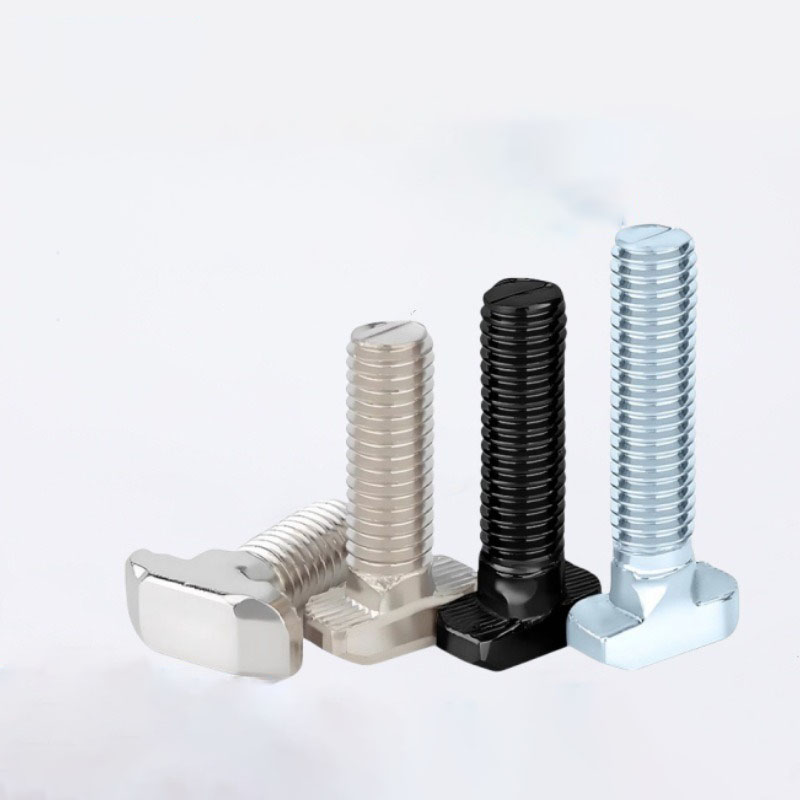
Threaded Rod Fasteners for Secure Builds

application/threaded-rod-fasteners, application/threaded-rod-fasteners, 
Inquiry
Inquiry

threaded rod fasteners

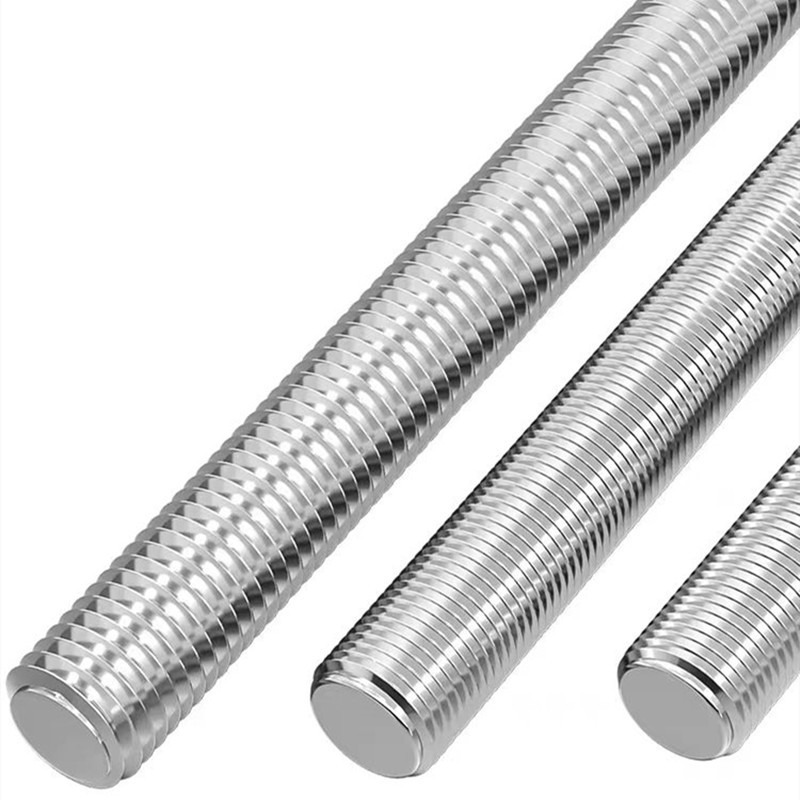
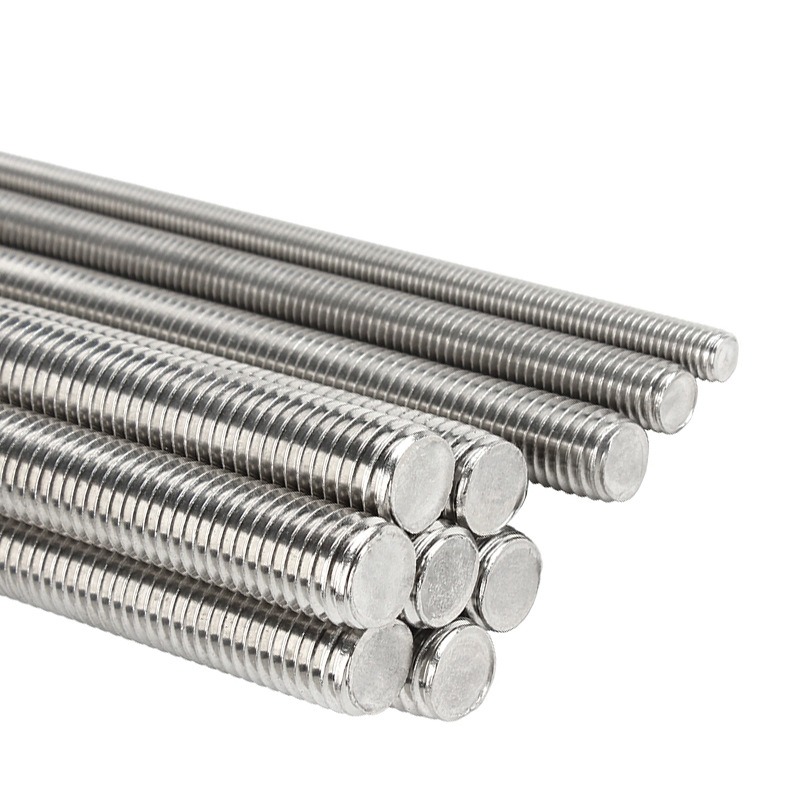
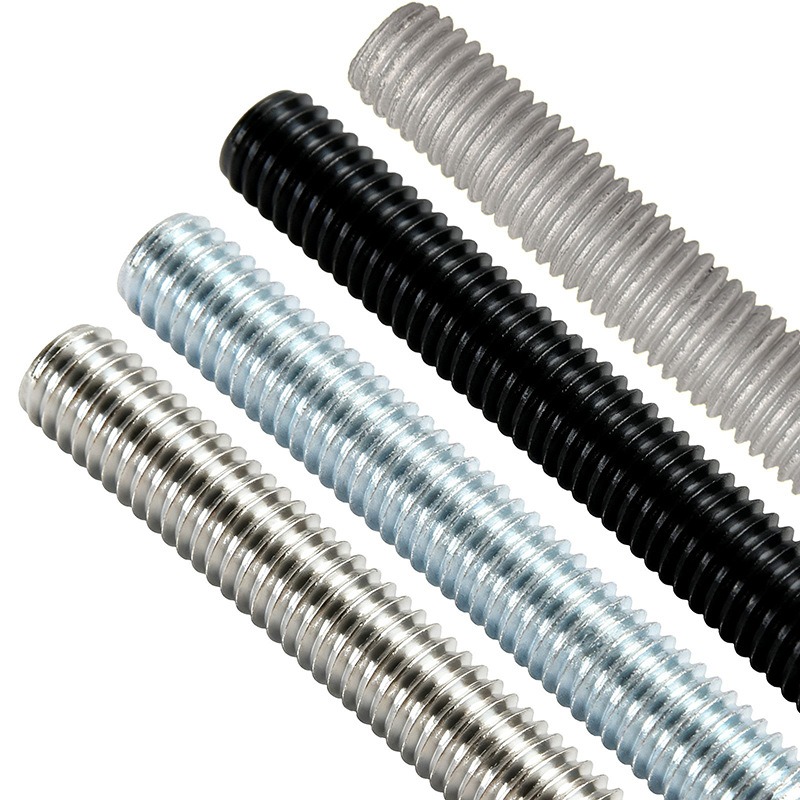
Threaded rod fasteners are long, straight metal rods with continuous threads along all or most of their length. Threaded rod fasteners connect, support, suspend, or hold components when a standard bolt cannot provide enough reach. Users can cut them to a required length, then secure each end with nuts, washers, or compatible anchors. These threaded rod fasteners create adjustable connections that suit varied material thicknesses, gaps, and support layouts. Unlike a bolt, a threaded rod does not have a fixed head, so it works effectively through deep assemblies or across open frames. Many threaded rod fasteners are made from carbon steel, stainless steel, or zinc-plated steel. Material and surface treatment affect strength, corrosion resistance, appearance, and service life. Buyers can select coarse or fine thread options, different diameters, and multiple lengths to match load and installation requirements. Threaded rod fasteners support hanging pipe, cable tray, ductwork, signs, equipment, shelving, and structural brackets. Buyers choose threaded rod fasteners when they need simple adjustment during alignment or future maintenance. During installation, threaded rod fasteners can pass through drilled holes, channels, plates, or support rails. Properly selected threaded rod fasteners distribute clamping force over a secure connection and help reduce movement. In maintenance work, threaded rod fasteners can replace damaged sections without replacing an entire support system. Because threaded rod fasteners accept common nuts and washers, they simplify sourcing and field assembly. Overall, threaded rod fasteners provide a practical connection method for construction, manufacturing, electrical, plumbing, HVAC, and general repair work.
Threaded rod fasteners offer a flexible way to create strong, adjustable connections without requiring a custom bolt for every job. Their continuous thread lets installers position nuts at either end and fine-tune height, spacing, or clamping pressure. This makes threaded rod fasteners useful when surfaces are uneven, components have different thicknesses, or the final alignment is not known in advance. Threaded rod fasteners also reduce cutting and drilling changes because users can select a longer piece, trim it on site, and finish both ends with standard hardware. That flexibility can lower inventory needs and help teams respond quickly to changing project conditions. For buyers, threaded rod fasteners provide practical value through broad compatibility. They work with standard nuts, washers, couplers, brackets, channels, and anchors, so users can build connections from readily available parts. Threaded rod fasteners are available in several diameters, thread patterns, lengths, grades, and finishes. This range helps customers balance load capacity, price, corrosion protection, and appearance rather than overbuying one universal product. Stainless options suit damp, outdoor, or washdown areas, while coated steel options can support general indoor construction at a lower cost. Operationally, threaded rod fasteners simplify installation and maintenance. Crews can adjust a suspended service line, replace a nut, add a coupling, or extend a connection without removing the whole assembly. Threaded rod fasteners also support clean, repeatable layouts for pipe, duct, cable tray, lighting, signage, and machinery. In suitable applications, threaded rod fasteners improve alignment, reduce downtime, and make future access easier. Buyers should still confirm diameter, grade, thread compatibility, load direction, length, and environmental exposure before ordering. With those checks, threaded rod fasteners deliver dependable performance and efficient installation across many trades.

Tips And Tricks

Beyond Galvanizing: How the Sherardizing Process Builds Ultimate Protection for High-End Steel

21

Jul

Beyond Galvanizing: How the Sherardizing Process Builds Ultimate Protection for High-End Steel

Why Sherardizing outperforms galvanizing for high-end steel—extreme corrosion resistance, zero hydrogen embrittlement & self-healing protection.
View More
New Chapter in Sino-Ethiopian Trade Cooperation: Securing a Long-Term Fastener Procurement Agreement

21

Jul

New Chapter in Sino-Ethiopian Trade Cooperation: Securing a Long-Term Fastener Procurement Agreement

How China & Ethiopia secured a long-term fastener supply deal for East Africa's booming industrial sector. Discover reliability, scalability & global impact.
View More
Full Container Ready for Shipment! Premium Fasteners Bound for the U.S. Industrial Market

21

Jul

Full Container Ready for Shipment! Premium Fasteners Bound for the U.S. Industrial Market

Need reliable, ocean-ready fasteners for U.S. industrial buyers? Our full-container shipment delivers certified quality, export-optimized packaging & seamless logistics.
View More

Get a Free Quote

Our representative will contact you soon.
0/1000
Adjustable Length for Faster Installation

Adjustable Length for Faster Installation

Threaded rod fasteners stand out because installers can cut them to the exact length needed at the worksite. This feature helps teams handle irregular gaps, thick assemblies, suspended supports, and late design changes without waiting for specially sized bolts. Threaded rod fasteners keep their usable thread after cutting when the end is cleaned and prepared correctly, allowing a nut and washer to secure the connection. The same adjustability also supports precise leveling. An installer can turn the nuts to raise, lower, align, or clamp a component before final tightening. Threaded rod fasteners therefore reduce measuring errors and make alignment easier across long runs of pipe, conduit, ductwork, or cable tray. For project managers, this means fewer special parts, less rework, and simpler site logistics. The result is a practical fastening option for both planned construction and repairs where dimensions may change during installation.
Material Choices for Different Environments

Material Choices for Different Environments

Threaded rod fasteners come in material and finish options that help buyers match the product to the working environment. Carbon steel versions provide a cost-effective choice for many indoor structural, electrical, plumbing, and equipment support tasks. Zinc-plated threaded rod fasteners add a protective surface for ordinary areas where moderate corrosion resistance is needed. Stainless steel options provide stronger resistance to moisture, chemicals, salt air, and frequent cleaning, making them suitable for outdoor, marine, food processing, and washdown locations. This selection lets customers choose performance based on real exposure instead of paying for unnecessary protection. Threaded rod fasteners also differ by diameter, strength grade, thread style, and length. These choices affect load capacity, fit, installation speed, and total project cost. By matching the material and size to the application, buyers can improve service life, reduce replacement work, and maintain a reliable connection over time.
Broad Compatibility and Easy Maintenance

Broad Compatibility and Easy Maintenance

Threaded rod fasteners use familiar threaded hardware, which makes them easy to combine with nuts, washers, couplers, brackets, channels, anchors, and support frames. This broad compatibility helps installers create complete assemblies from standard stock rather than searching for a proprietary connection system. Threaded rod fasteners also make maintenance more manageable. A technician can loosen a nut, replace a washer, extend a section with a coupler, or adjust equipment height without removing an entire support structure. That access saves labor and can shorten service interruptions in busy facilities. Threaded rod fasteners work well for suspended ceilings, HVAC lines, cable management, signs, lighting, shelving, machinery, and temporary supports when the selected product meets the load requirements. Their simple design reduces training needs and supports repeatable installation methods. For buyers, the main benefit is dependable flexibility: one familiar fastening approach can serve many projects while keeping replacement parts easy to source.