316 Stainless Steel Fasteners for Tough Jobs

application/316-stainless-steel-fasteners, application/316-stainless-steel-fasteners, 
Inquiry
Inquiry

316 stainless steel fasteners

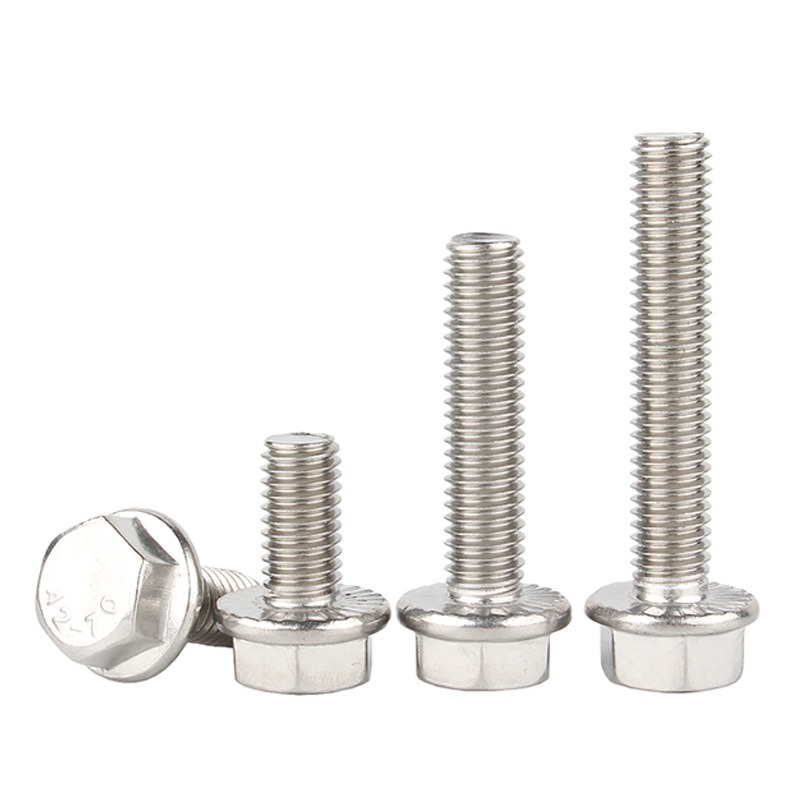
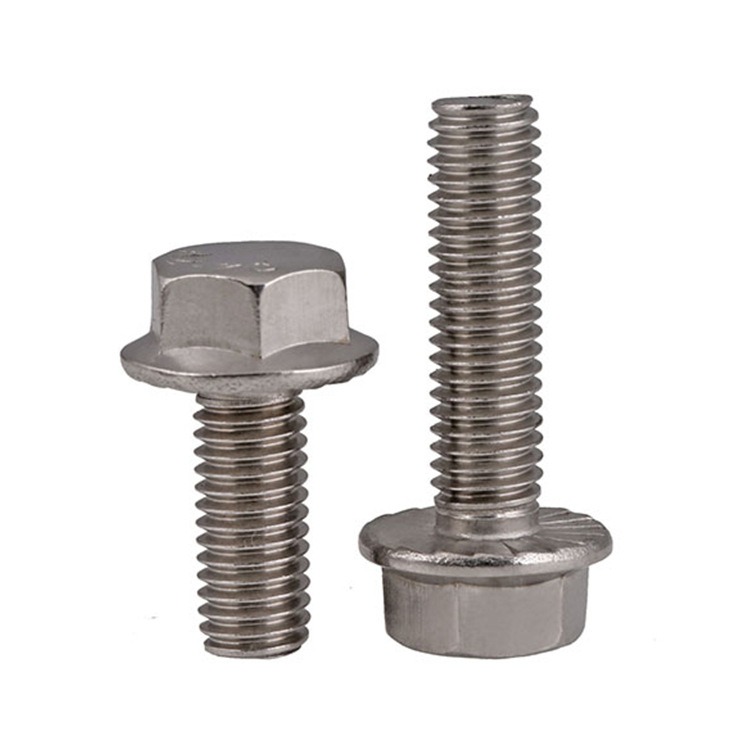
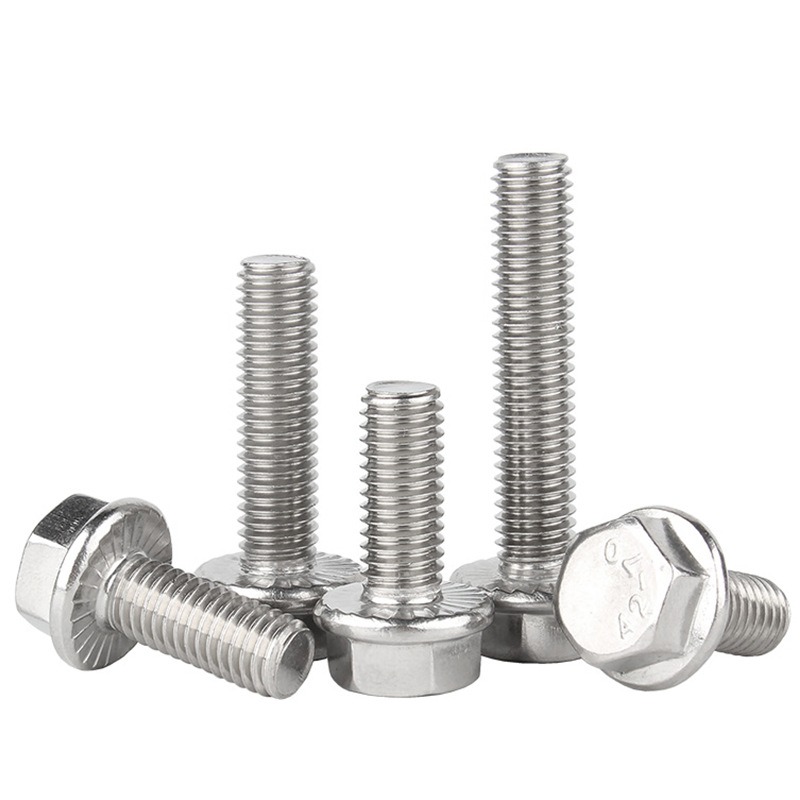
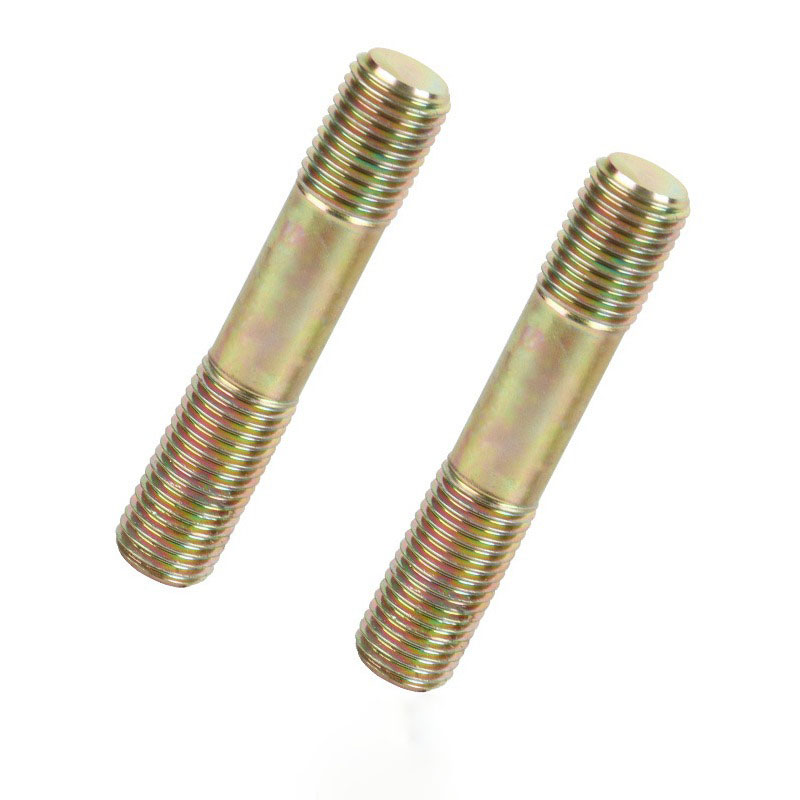
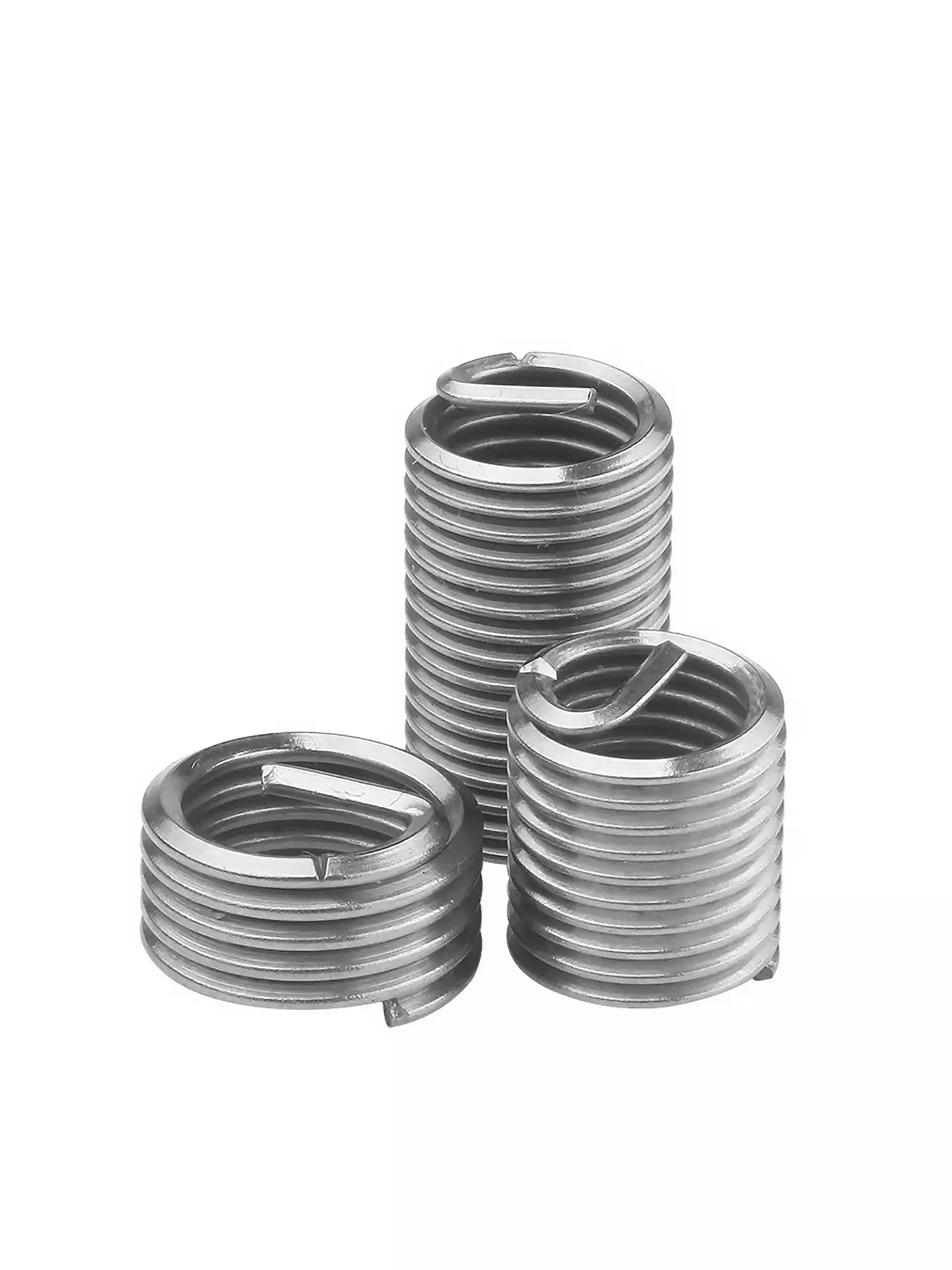
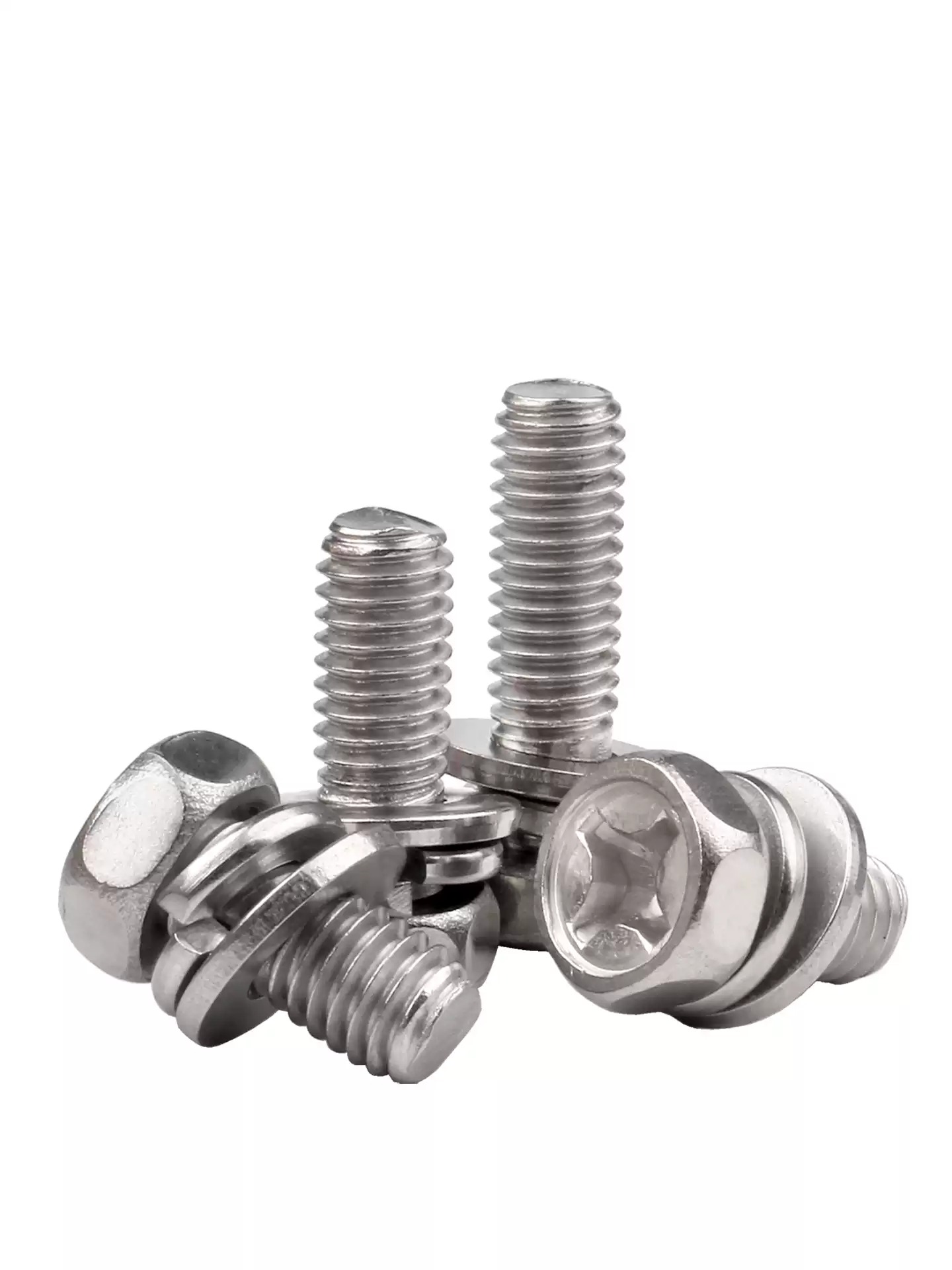
316 stainless steel fasteners are corrosion-resistant screws, bolts, nuts, washers, and threaded components made from Type 316 stainless steel. They secure parts while helping assemblies withstand moisture, salt, chemicals, and temperature changes. Compared with standard stainless options, 316 stainless steel fasteners contain molybdenum, which improves resistance to pitting and crevice corrosion. This makes 316 stainless steel fasteners a dependable choice for demanding environments where ordinary hardware may stain, seize, or fail sooner. Common designs include hex bolts, socket screws, machine screws, self-tapping screws, studs, U-bolts, and flange nuts. Buyers can select different thread patterns, lengths, head styles, and drive types to match installation needs. Many 316 stainless steel fasteners use metric or imperial sizing and meet recognized dimensional standards for easier replacement and system compatibility. Their noncoated surface provides a clean appearance and avoids paint or plating that could wear away. The material also offers good strength, allowing 316 stainless steel fasteners to support equipment, panels, pipework, marine fittings, and structural connections. They work well in outdoor, coastal, food-processing, chemical, and pharmaceutical settings when the selected size and grade match the load. Although 316 stainless steel fasteners cost more than basic steel hardware, they can reduce replacement work and maintenance over time. Proper tightening, thread matching, and inspection remain important for safe service. Overall, 316 stainless steel fasteners combine secure joining, long service life, and strong environmental resistance for projects that demand reliable hardware.
The main advantage of 316 stainless steel fasteners is their ability to keep working in wet and corrosive surroundings. Molybdenum in the alloy helps 316 stainless steel fasteners resist salt spray, chlorides, cleaning chemicals, and damp air. That benefit matters to buyers who want fewer rust-related failures and less unscheduled maintenance. In coastal construction, 316 stainless steel fasteners help protect connections exposed to sea air and spray. In food and beverage facilities, their clean surface supports regular washing and helps maintain a neat installation. For chemical equipment, 316 stainless steel fasteners provide a stronger defense against many common process conditions than ordinary carbon steel hardware. The material also avoids flaking coatings, so users do not need to depend on a surface finish for basic corrosion protection. This can simplify inspection and preserve the appearance of visible assemblies. A broad selection of sizes and head styles makes 316 stainless steel fasteners suitable for machinery, enclosures, pipe supports, pumps, railings, solar equipment, and outdoor fixtures. Buyers can often use standard tools and replace individual pieces without redesigning the whole assembly. Stainless construction also gives 316 stainless steel fasteners useful strength, dimensional stability, and resistance to temperature changes. However, purchasers should compare tensile requirements, thread fit, load direction, and installation torque before ordering. In moving or highly loaded equipment, the correct grade and design matter as much as corrosion resistance. Avoiding contact with incompatible metals can also reduce galvanic corrosion. The higher purchase price may be worthwhile when downtime, labor, access difficulty, or product contamination would cost more than the initial saving. Choosing 316 stainless steel fasteners therefore supports predictable operation, longer replacement intervals, and lower total ownership cost.

Latest News

Beyond Galvanizing: How the Sherardizing Process Builds Ultimate Protection for High-End Steel

21

Jul

Beyond Galvanizing: How the Sherardizing Process Builds Ultimate Protection for High-End Steel

Why Sherardizing outperforms galvanizing for high-end steel—extreme corrosion resistance, zero hydrogen embrittlement & self-healing protection.
View More
New Chapter in Sino-Ethiopian Trade Cooperation: Securing a Long-Term Fastener Procurement Agreement

21

Jul

New Chapter in Sino-Ethiopian Trade Cooperation: Securing a Long-Term Fastener Procurement Agreement

How China & Ethiopia secured a long-term fastener supply deal for East Africa's booming industrial sector. Discover reliability, scalability & global impact.
View More
Full Container Ready for Shipment! Premium Fasteners Bound for the U.S. Industrial Market

21

Jul

Full Container Ready for Shipment! Premium Fasteners Bound for the U.S. Industrial Market

Need reliable, ocean-ready fasteners for U.S. industrial buyers? Our full-container shipment delivers certified quality, export-optimized packaging & seamless logistics.
View More

Get a Free Quote

Our representative will contact you soon.
0/1000
Strong Protection Against Corrosion

Strong Protection Against Corrosion

A key selling point of 316 stainless steel fasteners is their strong protection in aggressive environments. The alloy includes molybdenum, which helps defend the surface against pitting and crevice attack caused by chlorides and trapped moisture. This makes 316 stainless steel fasteners especially useful near seawater, swimming pools, road salt, and industrial washdown areas. Unlike painted or plated hardware, they do not rely on a coating that can chip, scratch, or wear through during installation. Buyers gain a connection that keeps its appearance and function with less frequent replacement. In practical terms, 316 stainless steel fasteners can reduce inspection concerns around exposed joints, brackets, and equipment covers. They are not immune to every chemical or condition, so users should confirm compatibility for severe processing environments. When the alloy suits the exposure, 316 stainless steel fasteners offer a durable and straightforward way to protect essential connections from early corrosion damage.
Reliable Installation and Fit

Reliable Installation and Fit

316 stainless steel fasteners support dependable installation because manufacturers offer them in many common sizes, threads, and forms. Hex bolts, socket screws, machine screws, nuts, washers, studs, and specialty pieces allow buyers to match the hardware to the joint rather than forcing an unsuitable part. Standard dimensions help 316 stainless steel fasteners fit existing tools, drawings, and replacement programs. Their clean, consistent finish also suits visible assemblies where appearance matters. For contractors, this broad product range can shorten sourcing time and simplify inventory planning. For maintenance teams, 316 stainless steel fasteners make it easier to replace worn hardware without changing brackets or connected components. Users should select compatible nuts and washers, keep threads clean, and apply the correct tightening method because stainless threads can gall under excessive friction. With proper installation, 316 stainless steel fasteners provide firm clamping and stable alignment for machinery, panels, pipework, and outdoor structures. The result is a practical combination of fit, convenience, and secure assembly.
Lower Maintenance Over the Service Life

Lower Maintenance Over the Service Life

The long-term value of 316 stainless steel fasteners comes from reducing the work associated with rusted or weakened hardware. In exposed installations, 316 stainless steel fasteners can remain serviceable through rain, humidity, salt air, and repeated cleaning. Their corrosion resistance helps preserve threads, heads, and contact surfaces, making later adjustment or removal more manageable. This can save labor when equipment sits in difficult-to-reach areas such as rooftops, docks, processing lines, and exterior service platforms. 316 stainless steel fasteners also support a clean, professional appearance, which benefits public-facing structures, food facilities, and architectural features. The best results come from selecting the correct diameter, length, strength level, and matching components for the load. Buyers should also consider galvanic contact with other metals and the possibility of thread seizure during assembly. When these factors receive proper attention, 316 stainless steel fasteners can reduce replacement frequency, protect uptime, and deliver better value than cheaper hardware in demanding applications.