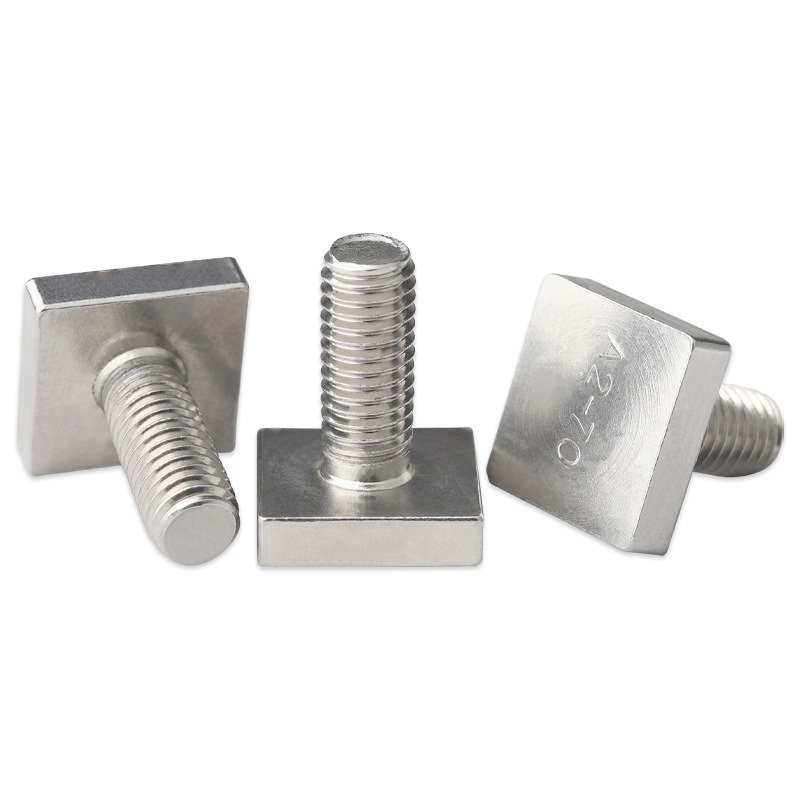
Metal Screw Anchor for Secure Fastening

application/metal-screw-anchor, application/metal-screw-anchor, 
Inquiry
Inquiry

metal screw anchor

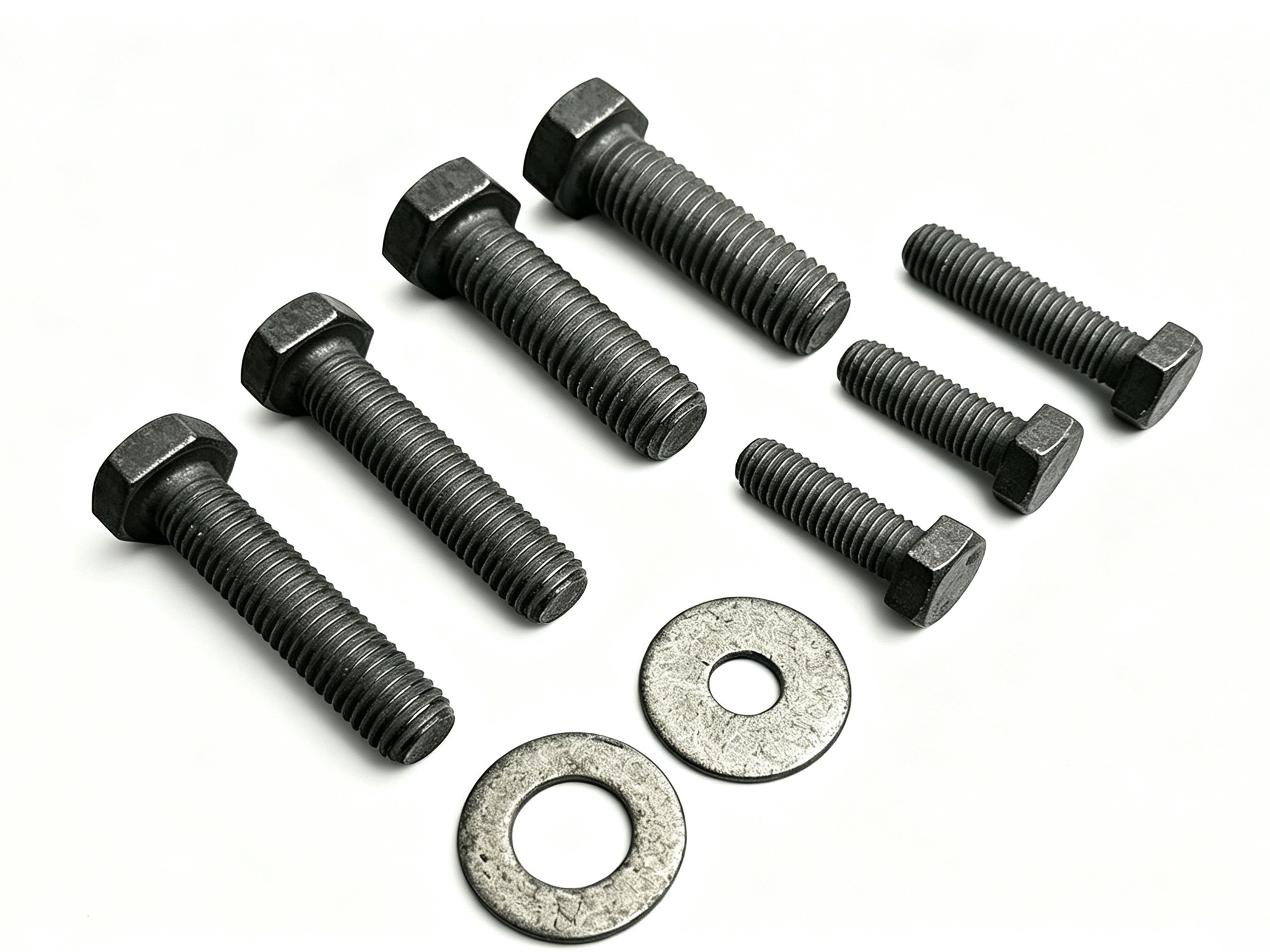
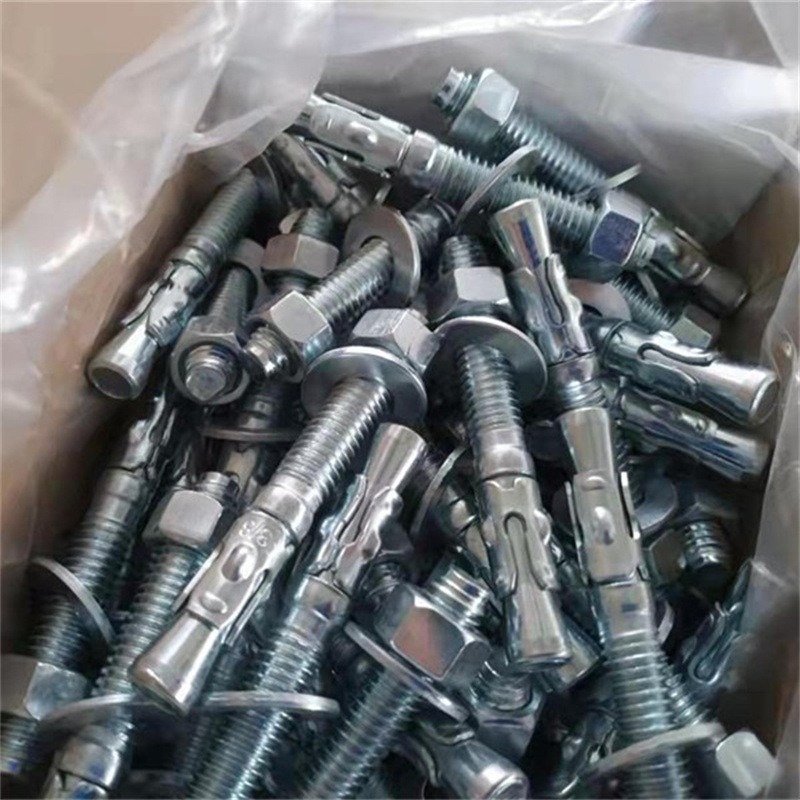
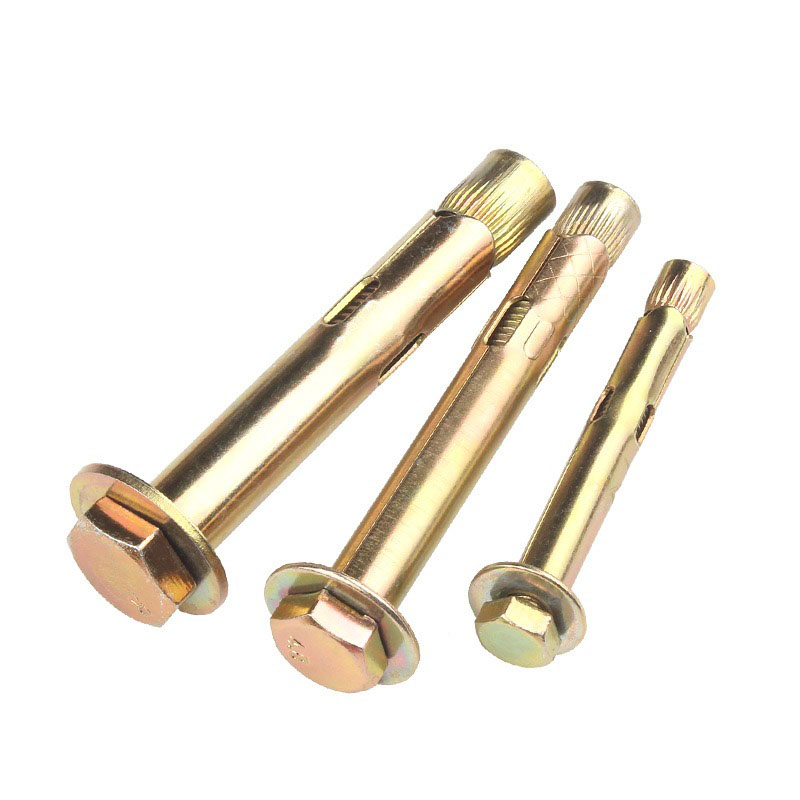
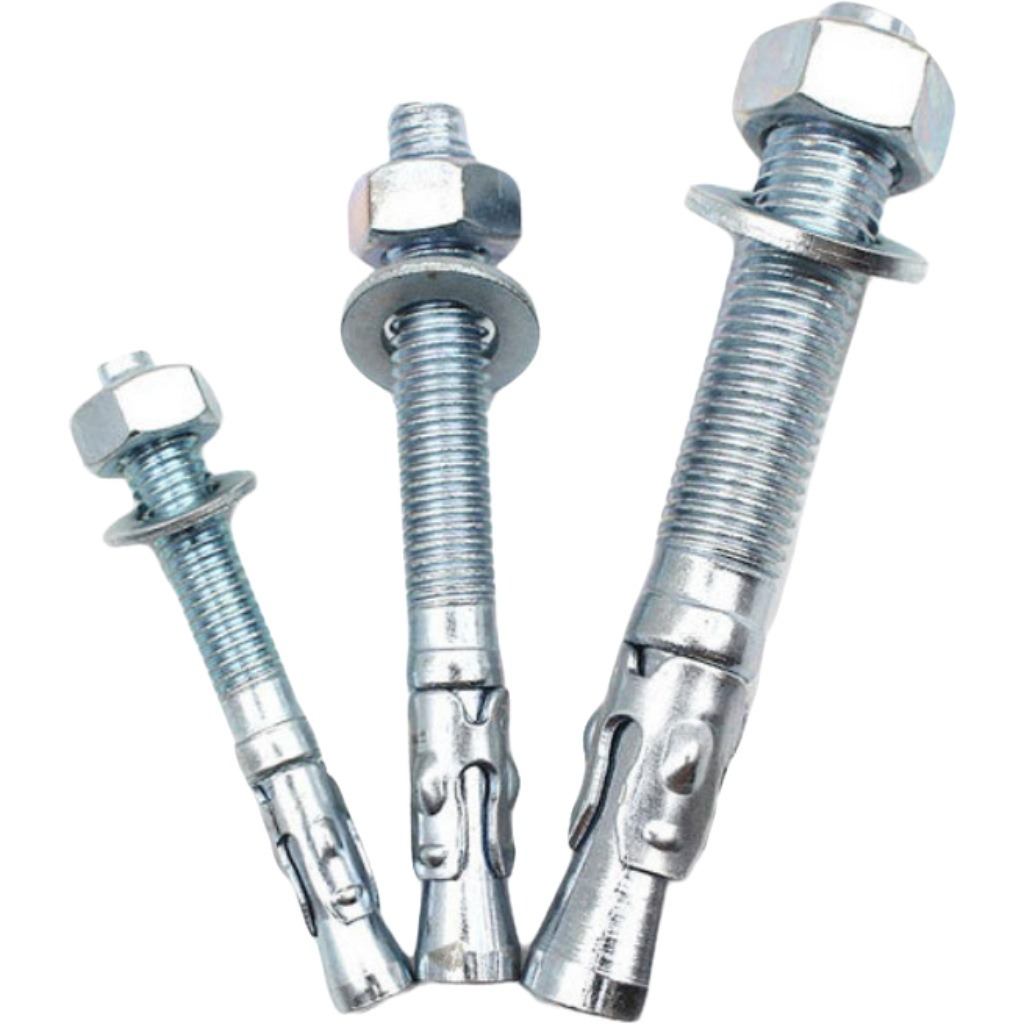
The metal screw anchor is a fastening product designed to secure fixtures directly to concrete, brick, block, and other solid building materials. Instead of requiring a separate nut or expansion sleeve, the metal screw anchor cuts or forms its own thread inside a predrilled hole. This design supports efficient installation for mounting rails, brackets, signs, frames, equipment, and service components. A metal screw anchor usually includes a hardened steel body, a sharp starting thread, and a head shaped for a compatible driver or socket. Depending on the model, protective coatings such as zinc plating or stainless steel construction help resist rust and extend service life. The metal screw anchor transfers load through its threads and the surrounding base material, creating a firm connection when installers follow the correct hole size and embedment depth. Some versions offer a removable design, allowing technicians to take down and reinstall fixtures with less disruption. The metal screw anchor also reduces installation steps because it does not need a separate anchor sleeve. This can improve work speed on repetitive jobs. Available head styles, diameters, lengths, and drive types help users match a metal screw anchor to the fixture, load, and access conditions. In construction, maintenance, electrical, plumbing, furniture, solar, and general repair work, the metal screw anchor provides a practical answer when a dependable connection must be made in masonry. Its performance depends on base material quality, edge distance, spacing, corrosion conditions, and approved installation practice.
Choosing the metal screw anchor can make a fastening job faster, cleaner, and easier to manage. The metal screw anchor installs in a single prepared hole, so users avoid handling a loose nut, washer, or separate expansion part. This simple process can reduce labor time, especially when workers must install many fixtures overhead or in restricted spaces. A metal screw anchor also supports quick visual checks because the head remains accessible after installation. A metal screw anchor can be removed when a layout changes, which helps maintenance teams replace equipment or adjust brackets without destroying the base material. With the right driver, the metal screw anchor provides consistent installation speed across repeated tasks. The metal screw anchor suits indoor and outdoor work when customers select a material and coating that match moisture, chemicals, and temperature exposure. Stainless options serve damp or corrosive areas, while coated steel versions can offer an economical choice for normal conditions. Because the metal screw anchor comes in multiple sizes, buyers can select a length and diameter for light fixtures, medium supports, or heavier approved applications. For contractors, a metal screw anchor can simplify inventory because one product family covers many common masonry tasks. The metal screw anchor also works well where access is limited, since installation usually needs only a drilled hole and a driving tool. Buyers should still check published load values, base material, spacing, edge distance, and installation torque before ordering. In purchasing decisions, the metal screw anchor offers a useful balance of speed, reliability, serviceability, and total job cost. It is especially suitable for projects that value repeatable work, minimal disruption, and straightforward replacement.

Tips And Tricks

Beyond Galvanizing: How the Sherardizing Process Builds Ultimate Protection for High-End Steel

21

Jul

Beyond Galvanizing: How the Sherardizing Process Builds Ultimate Protection for High-End Steel

Why Sherardizing outperforms galvanizing for high-end steel—extreme corrosion resistance, zero hydrogen embrittlement & self-healing protection.
View More
New Chapter in Sino-Ethiopian Trade Cooperation: Securing a Long-Term Fastener Procurement Agreement

21

Jul

New Chapter in Sino-Ethiopian Trade Cooperation: Securing a Long-Term Fastener Procurement Agreement

How China & Ethiopia secured a long-term fastener supply deal for East Africa's booming industrial sector. Discover reliability, scalability & global impact.
View More
Full Container Ready for Shipment! Premium Fasteners Bound for the U.S. Industrial Market

21

Jul

Full Container Ready for Shipment! Premium Fasteners Bound for the U.S. Industrial Market

Need reliable, ocean-ready fasteners for U.S. industrial buyers? Our full-container shipment delivers certified quality, export-optimized packaging & seamless logistics.
View More

Get a Free Quote

Our representative will contact you soon.
0/1000
Fast Installation With Fewer Parts

Fast Installation With Fewer Parts

The metal screw anchor helps crews complete masonry fastening with a simple sequence: drill, clean, position, and drive. The metal screw anchor forms a holding thread in the prepared hole, removing the need to place a separate sleeve or tighten a hidden nut. This can reduce handling errors and make production work more predictable. A metal screw anchor is valuable on ceiling, wall, and floor installations where every saved movement improves productivity. Its direct installation also makes it easier to work in narrow corners or above equipment. For service teams, the metal screw anchor can shorten shutdown time because workers can secure a replacement bracket or component quickly. The metal screw anchor remains accessible for inspection and removal, supporting later changes without cutting the fixture. Customers gain a practical fastening method that limits parts, simplifies training, and helps keep job schedules on track. Correct drilling, hole cleaning, driver selection, and embedment remain essential for dependable results.
Material Options for Demanding Conditions

Material Options for Demanding Conditions

Material choice gives the metal screw anchor flexibility across different working environments. A coated steel metal screw anchor can provide a cost-effective solution for standard interior construction and protected locations. Where humidity, washdown, salt exposure, or outdoor weather creates greater corrosion risk, a stainless metal screw anchor can provide stronger resistance and a longer useful life. This choice helps buyers avoid replacing fasteners simply because the surrounding conditions changed. The metal screw anchor is available in several diameters and lengths, so users can match the product to fixture thickness, required embedment, and base material. A properly selected metal screw anchor supports a cleaner finished installation because the visible head can suit the fixture and driving method. Buyers can also compare head styles for appearance, clearance, and tool access. By selecting the metal screw anchor according to environment and load requirements, customers can balance purchase price with maintenance needs, service life, and dependable performance over the full project cycle.
Reliable Choice for Many Applications

Reliable Choice for Many Applications

The metal screw anchor serves a broad range of practical fastening needs, from mounting electrical boxes and pipe clips to securing rails, signs, handrails, cabinets, and equipment supports. This versatility lets contractors use a familiar solution across construction, renovation, maintenance, and repair work. The metal screw anchor works particularly well when the base is sound concrete, brick, or block and the installer needs a firm connection without a large visible fitting. A metal screw anchor can support both permanent fixtures and items that may require future removal, making it useful for service access and changing layouts. Its available sizes help users select a suitable product for small accessories or approved heavier-duty attachments. The metal screw anchor also reduces dependence on specialized installation systems, which can simplify purchasing and on-site storage. For best value, buyers should review technical data rather than choose by appearance alone. The metal screw anchor should match the load, substrate, exposure, hole depth, and required safety margin. That decision process improves confidence and helps prevent costly rework.