Screw Custom Solutions for Better Assembly

application/screw-custom, application/screw-custom, 
Inquiry
Inquiry

screw custom

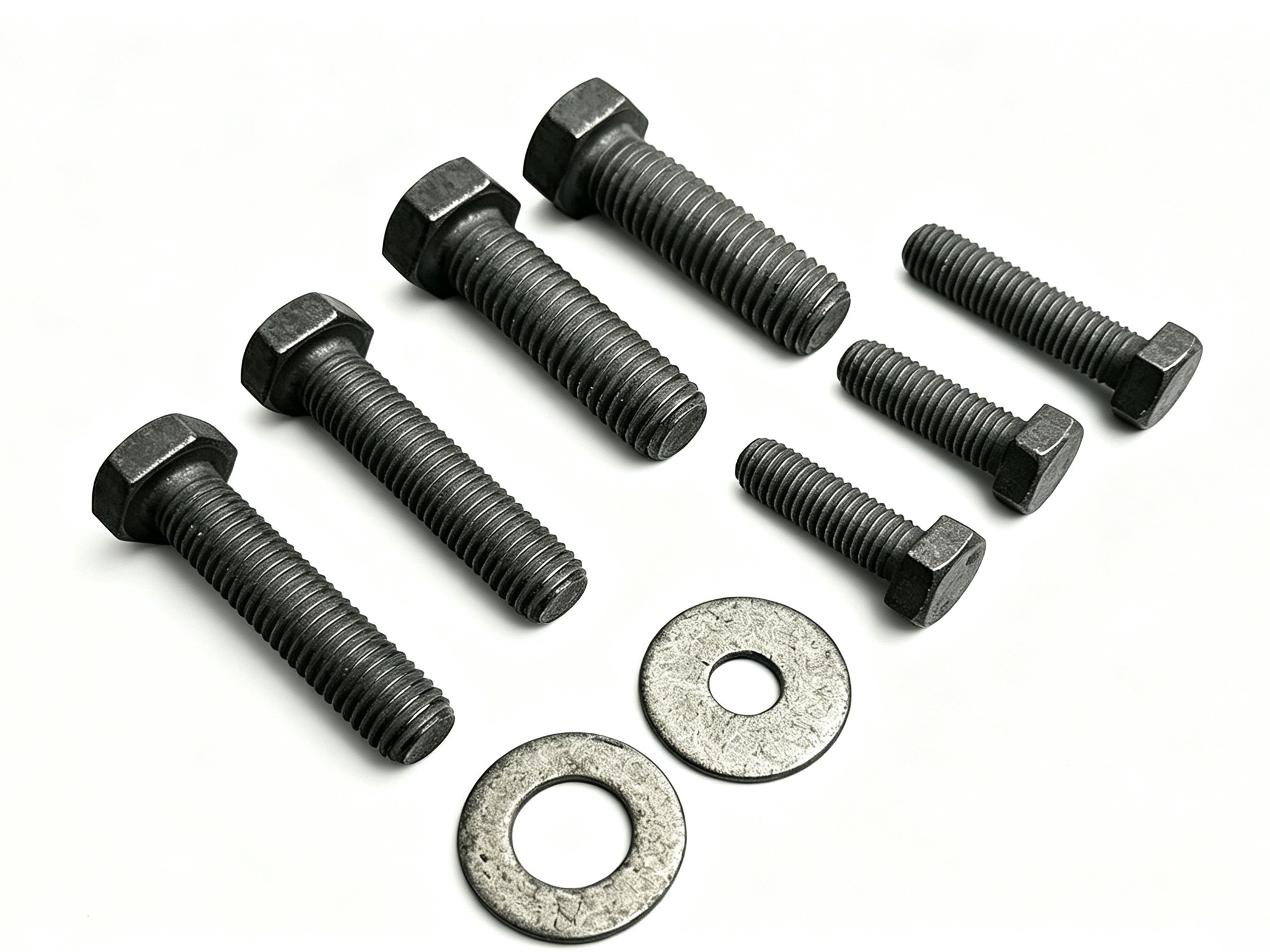
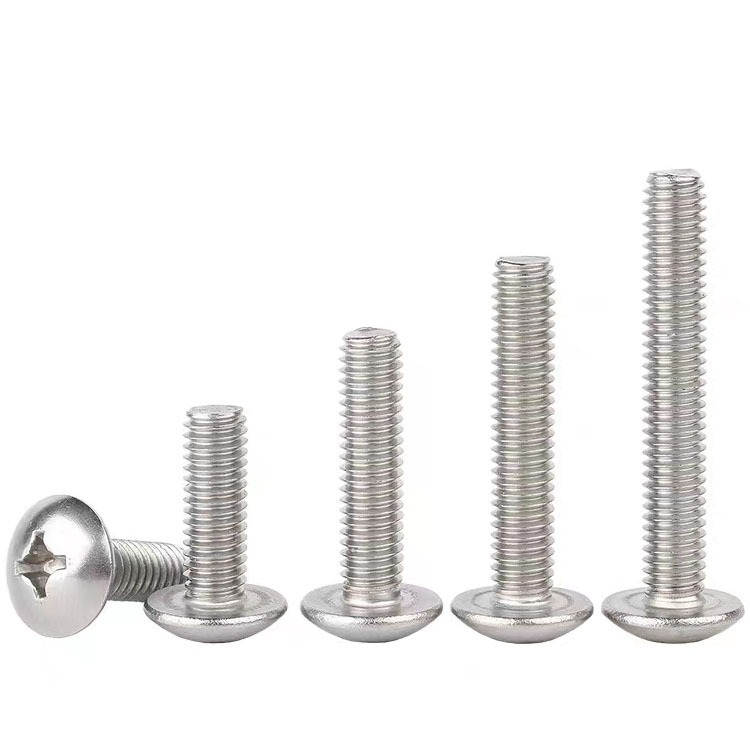
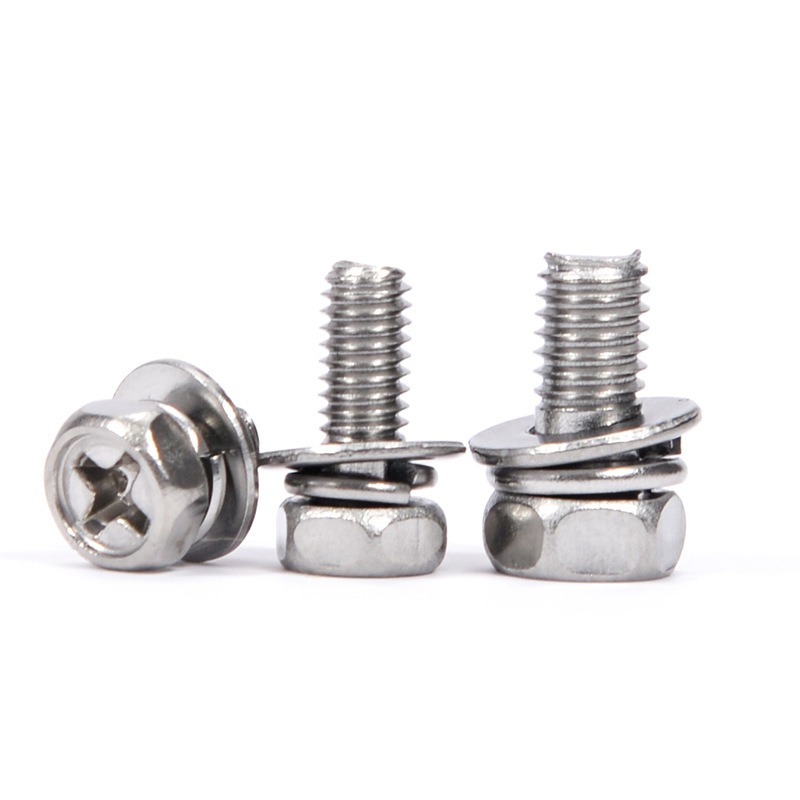
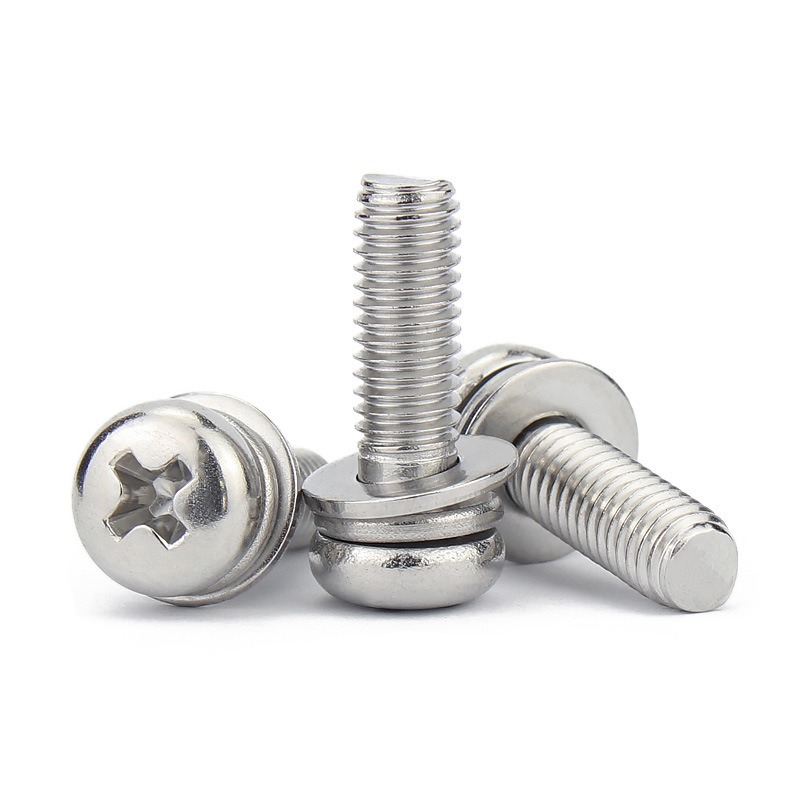
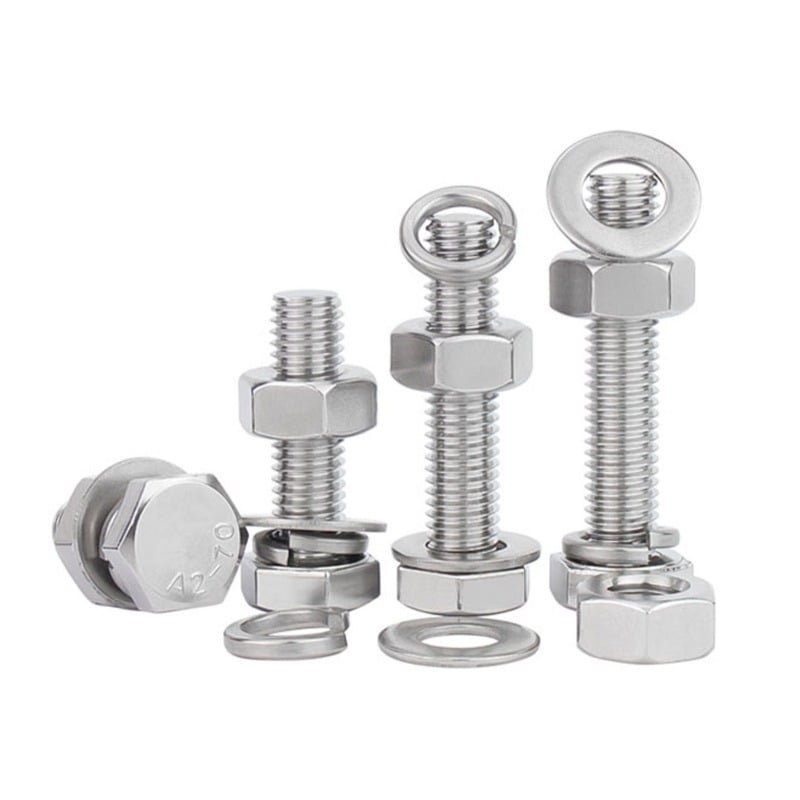
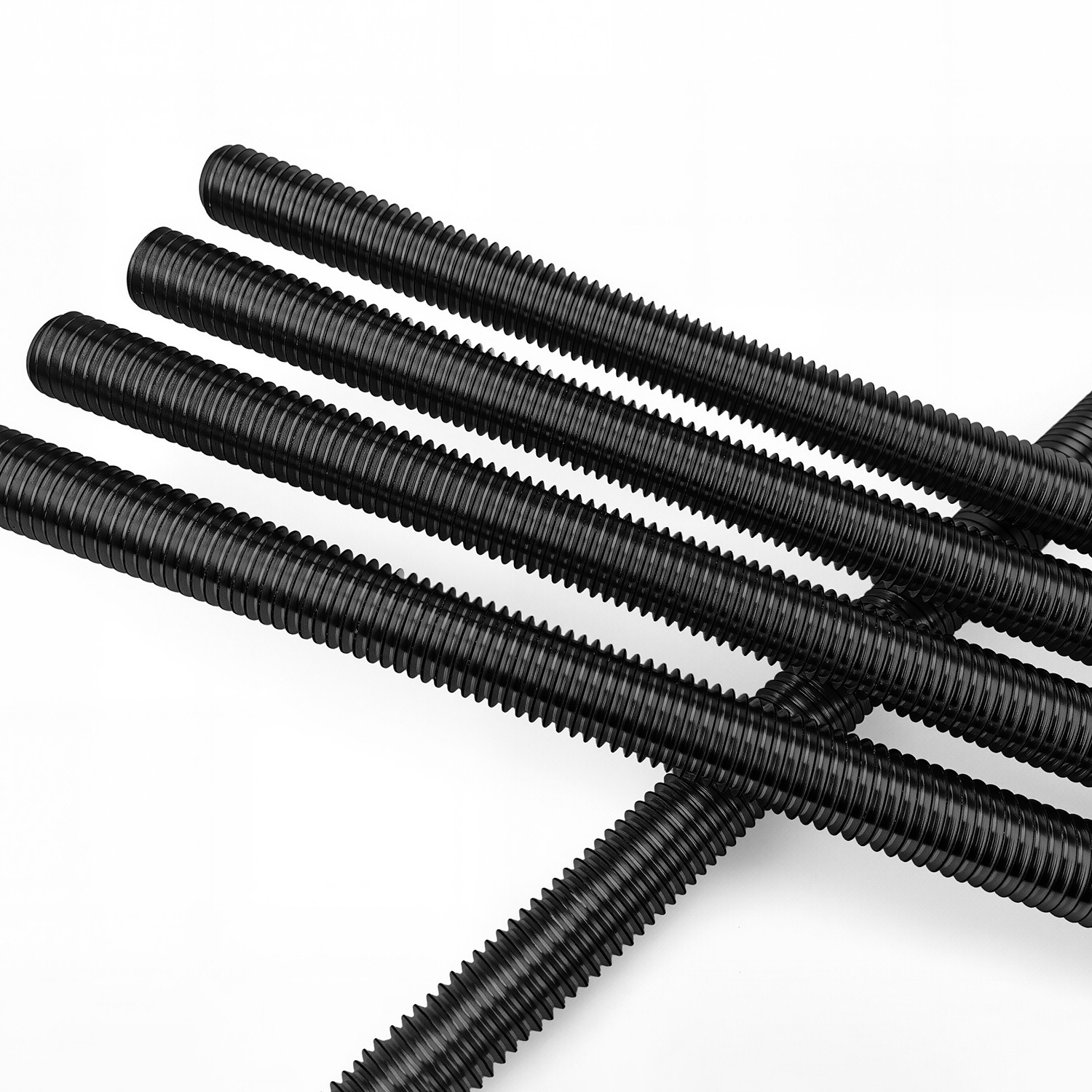
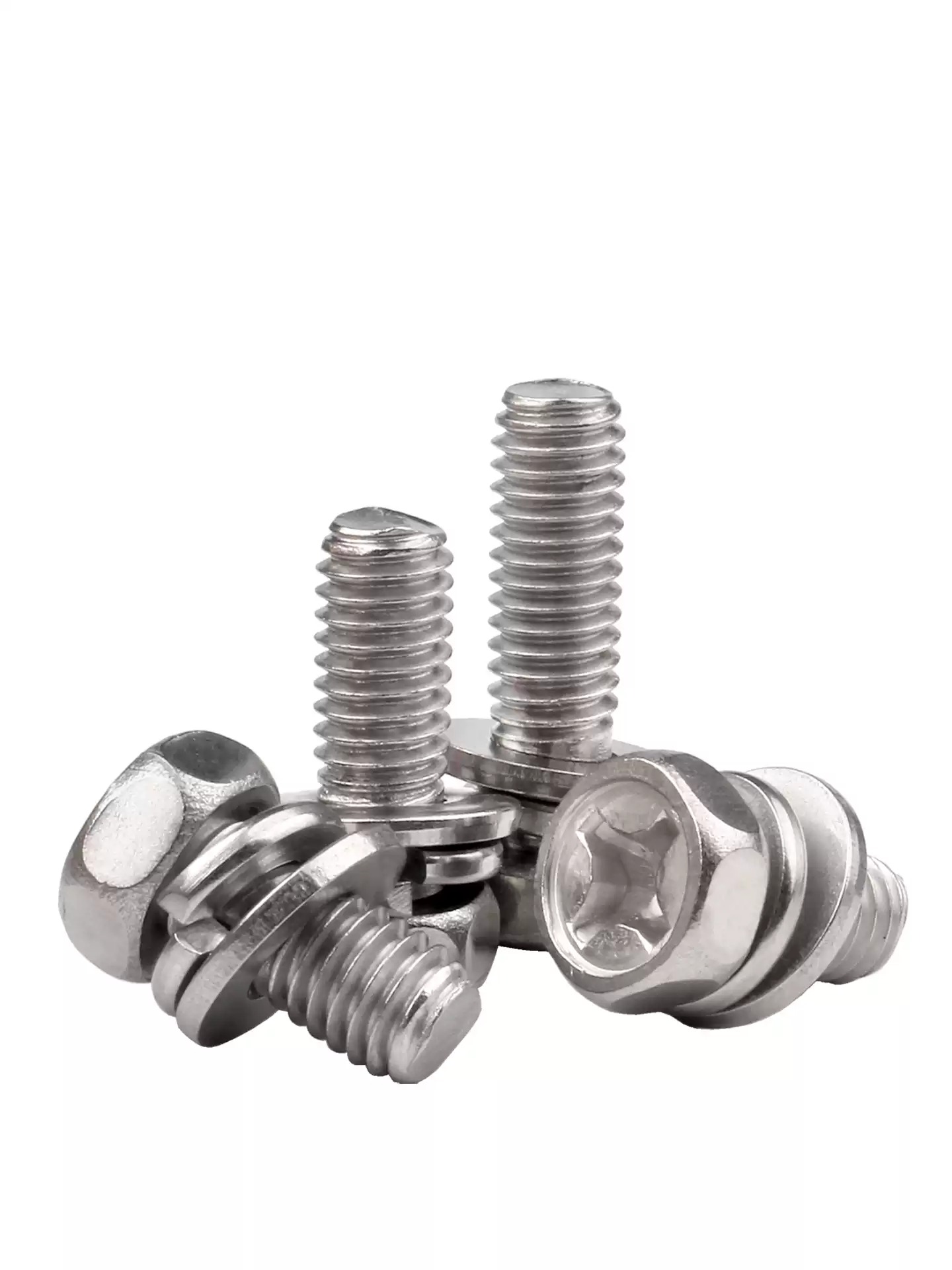
A screw custom is a made-to-order fastening solution designed around the exact needs of a product, machine, or installation. Unlike a standard screw, a screw custom can be produced with a specified length, diameter, thread form, head shape, drive type, material, and surface finish. This flexibility helps engineers solve fit, strength, access, and appearance requirements that off-the-shelf fasteners may not meet. Each screw custom starts with a technical drawing, sample, or clear set of measurements. Manufacturers then select suitable steel, stainless steel, brass, aluminum, titanium, or engineered material according to load, temperature, moisture, and corrosion conditions. A screw custom may use coarse, fine, self-tapping, machine, or special threads to match the mating part and reduce assembly problems. Head options include pan, flat, socket, button, shoulder, and tamper-resistant designs. Drive choices such as Phillips, slotted, Torx, hex, or a proprietary pattern support different tools and security needs. Manufacturing may involve cold forming, turning, rolling, machining, heat treatment, and precision coating. These technologies help control dimensions, thread quality, torque performance, and service life. Quality checks can cover hardness, surface condition, thread gauges, pullout strength, and dimensional accuracy. Buyers can also request prototypes, small batches, or high-volume production. The screw custom serves electronics, automotive systems, appliances, furniture, construction equipment, medical devices, and industrial machinery. Its main function remains simple: join parts securely. Its added value comes from matching the fastener precisely to the application, simplifying production, improving reliability, and supporting a cleaner finished design.
The main advantage of a screw custom is a precise fit. Instead of changing a product to suit an available fastener, buyers can specify the fastener around the product. A screw custom can match a narrow hole, unusual panel thickness, limited clearance, or special thread, which reduces rework and installation delays. This direct fit also helps prevent loose joints, stripped holes, uneven clamping, and unwanted movement. A screw custom gives manufacturers greater control over strength and service life. They can choose stainless steel for wet areas, hardened steel for high loads, brass for electrical or decorative use, and lightweight alloys where weight matters. Heat treatment and protective finishes can improve wear resistance and corrosion performance. As a result, customers can select practical durability rather than paying for unnecessary material or replacing failed parts too soon. Production efficiency is another clear benefit. A screw custom can include the correct head, drive, point, and length for the assembly tool and work sequence. That choice can reduce tool changes, speed installation, support automation, and lower the risk of operator error. Consistent dimensions also make inventory planning easier because one purpose-built part can replace several near-matches. For product designers, a screw custom supports compact construction and a cleaner appearance. Low-profile heads can save space, while concealed or security drives can protect access-sensitive equipment. Sampling before volume production helps confirm fit and performance before a large purchase. Buyers should provide drawings, materials, expected loads, environment, quantity, and target standards when requesting a quote. This information improves pricing accuracy and shortens development time. Overall, a screw custom is most valuable when standard parts create compromises, production volume justifies tailored tooling, or reliability has a direct effect on customer satisfaction and operating cost.

Practical Tips

Beyond Galvanizing: How the Sherardizing Process Builds Ultimate Protection for High-End Steel

21

Jul

Beyond Galvanizing: How the Sherardizing Process Builds Ultimate Protection for High-End Steel

Why Sherardizing outperforms galvanizing for high-end steel—extreme corrosion resistance, zero hydrogen embrittlement & self-healing protection.
View More
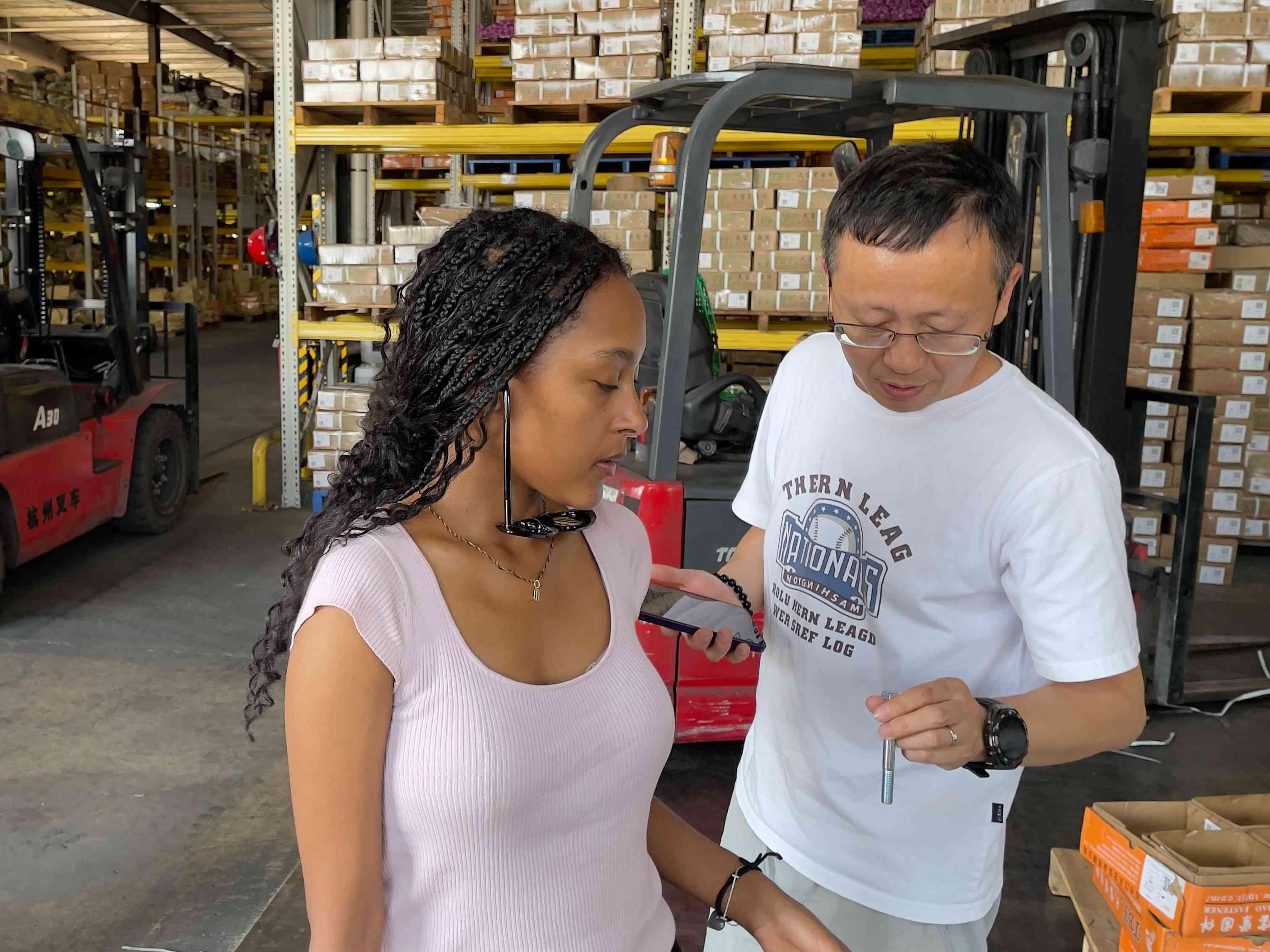
New Chapter in Sino-Ethiopian Trade Cooperation: Securing a Long-Term Fastener Procurement Agreement

21

Jul

New Chapter in Sino-Ethiopian Trade Cooperation: Securing a Long-Term Fastener Procurement Agreement

How China & Ethiopia secured a long-term fastener supply deal for East Africa's booming industrial sector. Discover reliability, scalability & global impact.
View More
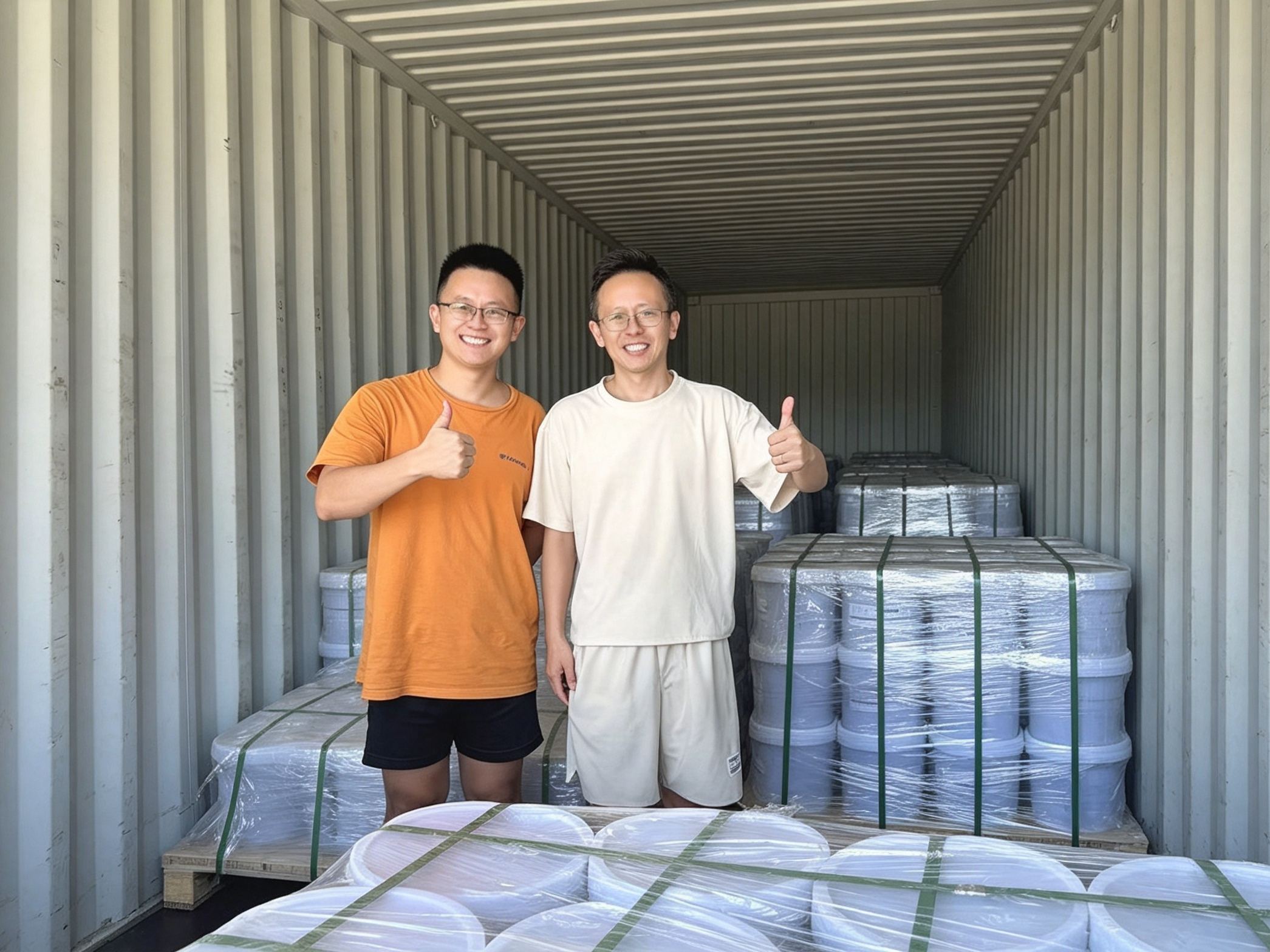
Full Container Ready for Shipment! Premium Fasteners Bound for the U.S. Industrial Market

21

Jul

Full Container Ready for Shipment! Premium Fasteners Bound for the U.S. Industrial Market

Need reliable, ocean-ready fasteners for U.S. industrial buyers? Our full-container shipment delivers certified quality, export-optimized packaging & seamless logistics.
View More

Get a Free Quote

Our representative will contact you soon.
0/1000
Exact Fit for Specialized Designs

Exact Fit for Specialized Designs

A screw custom solves fit problems that ordinary fasteners often leave behind. Designers can define the exact overall length, unthreaded section, diameter, pitch, head profile, and drive recess. This control is especially useful when a joint sits close to moving parts, a housing has limited wall thickness, or a hole follows a nonstandard specification. A screw custom can also use a shoulder or stepped body to create a controlled gap, pivot point, or locating surface. The result is a joint that assembles correctly without washers, spacers, extra machining, or improvised adjustments. Better fit improves clamping consistency and helps protect delicate components from crushing or distortion. It also supports a neater product exterior because the head can sit flush, remain hidden, or follow a brand-specific design. For customers, this feature reduces engineering compromise, simplifies installation, and creates a more predictable final assembly.
Material and Finish Matched to Service Conditions

Material and Finish Matched to Service Conditions

A screw custom can be selected for the environment rather than treated as a generic metal part. Material choices allow the fastener to handle moisture, chemicals, heat, vibration, electrical contact, or heavy loads. Stainless steel helps resist rust in outdoor and washdown settings, while hardened alloy steel supports demanding mechanical joints. Brass and aluminum can provide useful combinations of conductivity, appearance, and low weight. A screw custom may also receive zinc plating, passivation, black oxide, nickel, or another protective finish. The correct finish can improve corrosion resistance, reduce friction, support a specified appearance, or make cleaning easier. This tailored approach helps prevent early wear and visible deterioration, especially where replacement access is difficult. Buyers gain a clearer match between product expectations and fastener performance. Instead of overengineering every joint, they can select a practical material and finish for each operating condition, balancing purchase cost, reliability, and long-term maintenance needs.
Reliable Quality for Repeat Production

Reliable Quality for Repeat Production

A screw custom is valuable when every unit must perform the same way. Production methods such as thread rolling, precision turning, cold forming, and controlled heat treatment can deliver repeatable dimensions and dependable mechanical behavior. Manufacturers can inspect thread fit, hardness, length, coating thickness, torque response, and appearance against agreed requirements. Prototypes and first-article samples give customers a chance to verify the design before committing to full production. Once approved, documented specifications help maintain consistency across future batches and suppliers. A screw custom can also be designed for automated feeding, torque-controlled drivers, or a defined installation sequence. That compatibility reduces stoppages and supports faster assembly lines. Consistent parts lower the chance of mixed inventory, operator adjustments, and field complaints. For buyers, the benefit extends beyond the component price: predictable quality protects production schedules, strengthens product reputation, and makes total operating costs easier to forecast.