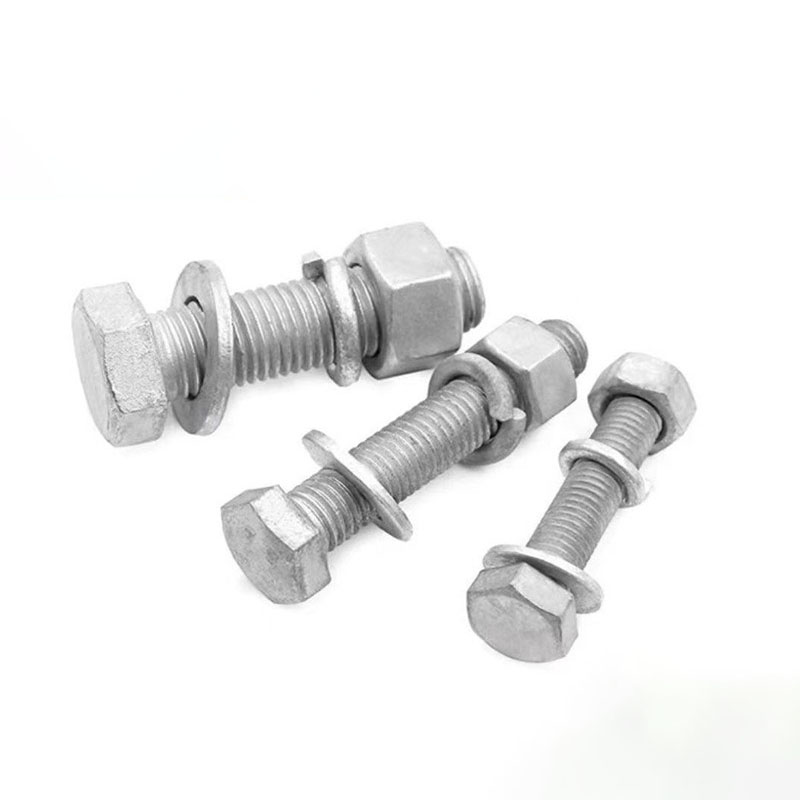
Threaded Rod Anchor for Secure Installations

application/threaded-rod-anchor, application/threaded-rod-anchor, 
Inquiry
Inquiry

threaded rod anchor

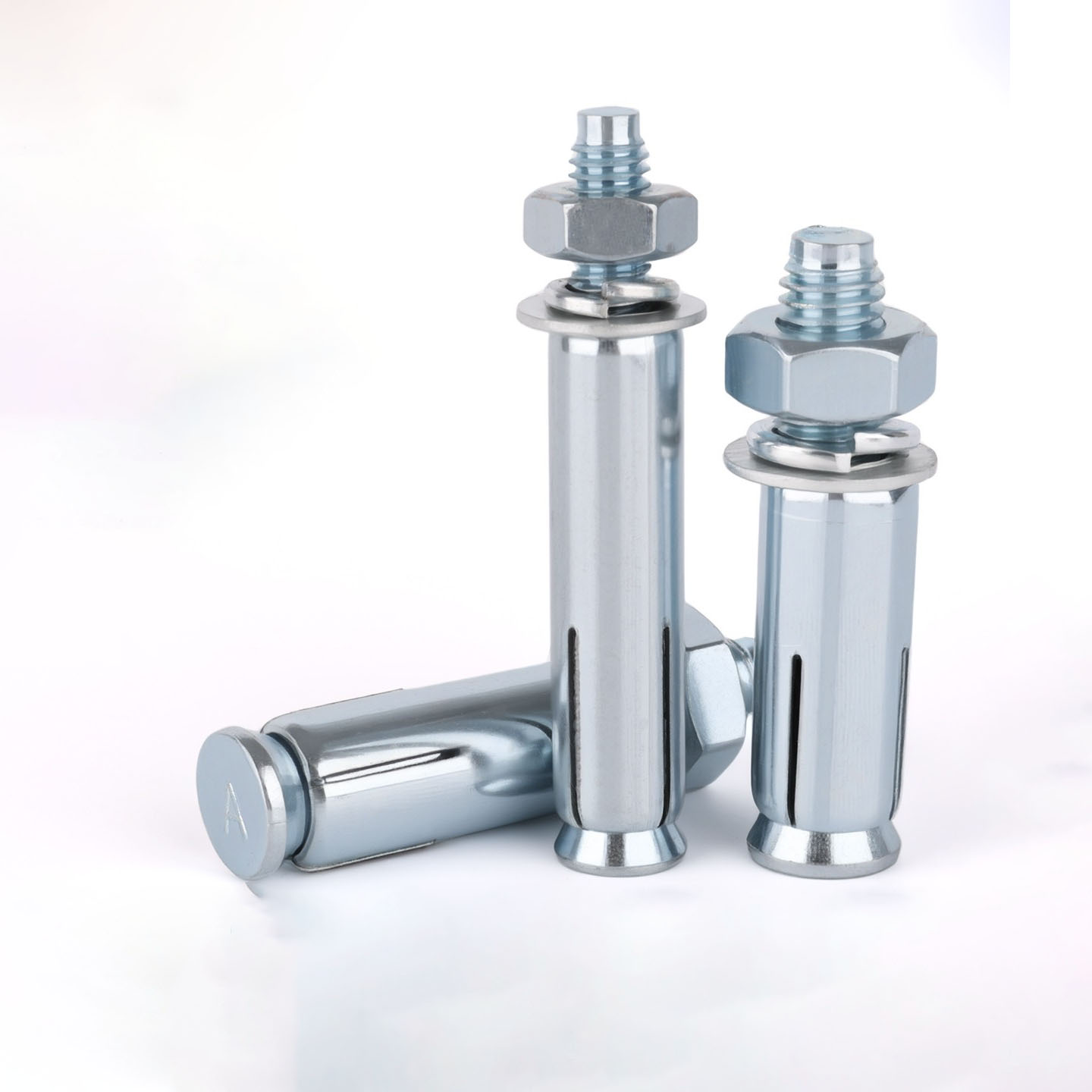
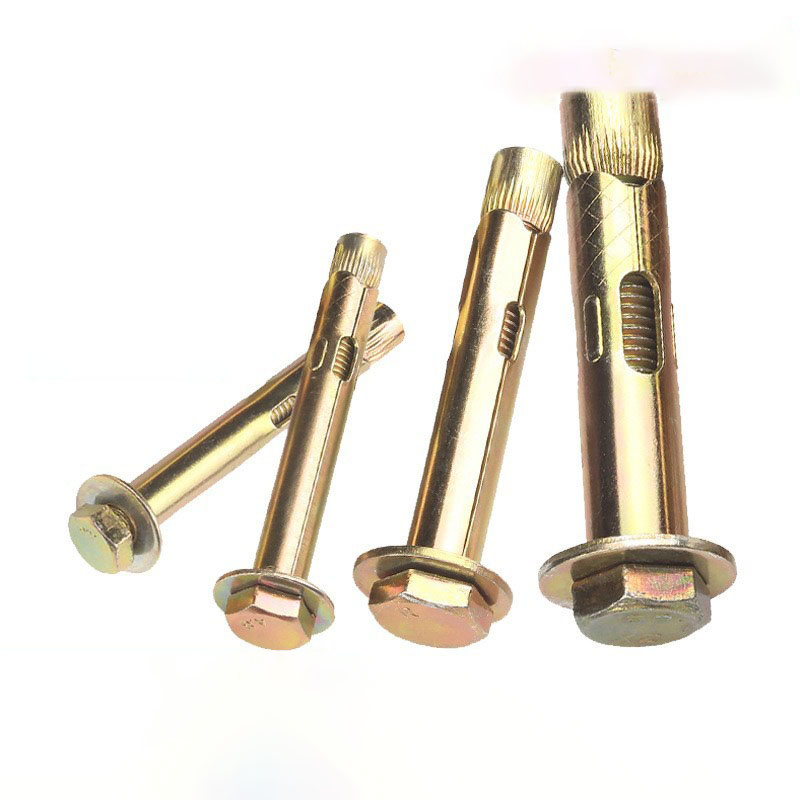
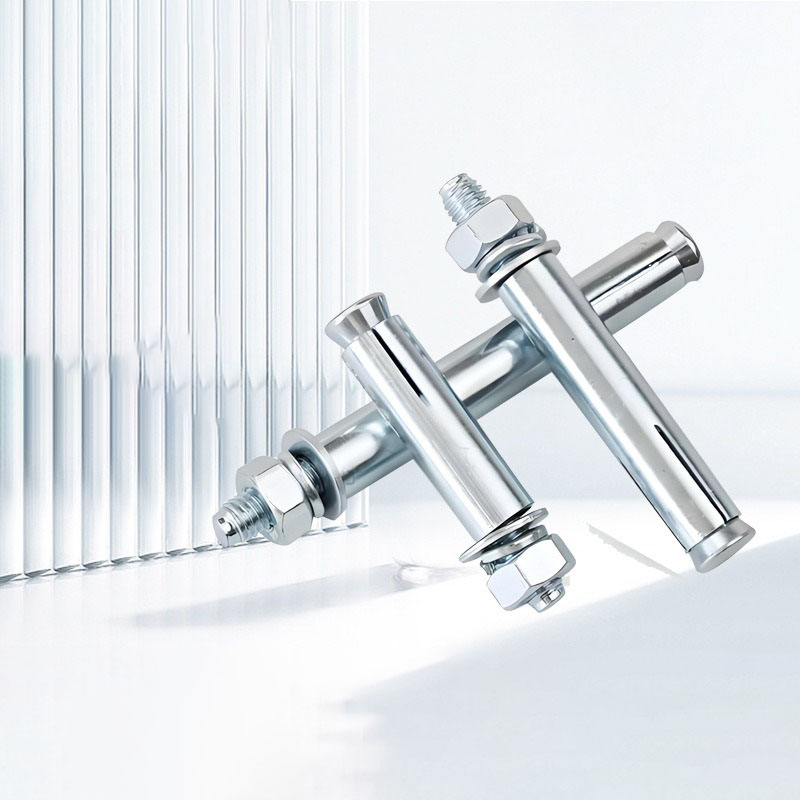
A threaded rod anchor is a fastening component that connects threaded rod to concrete, masonry, steel, or another solid base. The threaded rod anchor creates a secure point for suspending, supporting, or bracing equipment and building services. It commonly works with threaded rod, nuts, washers, channels, brackets, and support frames. This makes the threaded rod anchor useful for overhead pipe, cable tray, duct, lighting, signage, and mechanical installations. Its main function is to transfer the weight of an attached system into the supporting structure. A properly selected threaded rod anchor also helps resist vibration, movement, and moderate pulling forces during everyday service. Many designs use an expansion mechanism, internal thread, or chemical bonding method to hold the fastener in place. The threaded rod anchor may be made from carbon steel, stainless steel, or coated steel, depending on load, moisture, and corrosion requirements. Zinc or protective coatings improve service life in dry indoor areas, while stainless options suit damp, outdoor, or chemically exposed locations. Installation technology can include torque-controlled expansion, push-in setting, or resin-based fixing. These options allow the threaded rod anchor to match different base materials and project conditions. Product size, thread diameter, embedment depth, spacing, and load rating determine suitability. A threaded rod anchor can support both new construction and maintenance work because it offers a clean connection without welding. For reliable results, installers should inspect the base, drill the correct hole, remove dust, and follow the maker's setting instructions. In short, the threaded rod anchor provides a practical, adaptable, and serviceable connection for secure suspended and supported systems.
The main advantage of a threaded rod anchor is dependable support with a simple connection method. It lets installers attach threaded rod directly to a prepared base, reducing the need for custom welding, complex frames, or extended site work. A threaded rod anchor also supports a clean installation because the connection takes little space above the supported service. This is valuable in crowded ceilings, plant rooms, tunnels, and utility corridors where every millimeter matters. Buyers can choose sizes and materials to match the expected load, base type, and environment. That flexibility helps prevent overbuying while still providing a suitable safety margin. A threaded rod anchor can lower labor costs because workers usually need common drilling and tightening tools rather than hot-work equipment. It also reduces disruption in occupied buildings, since fitting creates less smoke, heat, and noise than welding. When used correctly, the system allows fast height adjustment with nuts and washers. Teams can level pipe runs, cable trays, or ductwork without replacing the complete support. The threaded rod anchor is suitable for concrete ceilings, solid masonry walls, structural steel, and other approved surfaces, although each base requires the correct product design. Stainless steel versions provide better protection in wet rooms, coastal facilities, food areas, and outdoor locations. Coated steel versions often deliver economical performance for normal indoor construction. Another practical benefit is easier inspection and maintenance. Exposed threaded connections make it simple to check tightness, replace a bracket, or alter a service route. The threaded rod anchor can also help standardize a project because one connection style works with many support accessories. Before purchase, compare load data, thread size, installation depth, edge distance, fire requirements, and approval documents. Choosing the right threaded rod anchor improves installation speed, service reliability, and long-term value without adding unnecessary complexity.

Tips And Tricks

Beyond Galvanizing: How the Sherardizing Process Builds Ultimate Protection for High-End Steel

21

Jul

Beyond Galvanizing: How the Sherardizing Process Builds Ultimate Protection for High-End Steel

Why Sherardizing outperforms galvanizing for high-end steel—extreme corrosion resistance, zero hydrogen embrittlement & self-healing protection.
View More
New Chapter in Sino-Ethiopian Trade Cooperation: Securing a Long-Term Fastener Procurement Agreement

21

Jul

New Chapter in Sino-Ethiopian Trade Cooperation: Securing a Long-Term Fastener Procurement Agreement

How China & Ethiopia secured a long-term fastener supply deal for East Africa's booming industrial sector. Discover reliability, scalability & global impact.
View More
Full Container Ready for Shipment! Premium Fasteners Bound for the U.S. Industrial Market

21

Jul

Full Container Ready for Shipment! Premium Fasteners Bound for the U.S. Industrial Market

Need reliable, ocean-ready fasteners for U.S. industrial buyers? Our full-container shipment delivers certified quality, export-optimized packaging & seamless logistics.
View More

Get a Free Quote

Our representative will contact you soon.
0/1000
Fast, Flexible Installation

Fast, Flexible Installation

A threaded rod anchor helps crews create a support point quickly after drilling the approved hole. The installer can fit the threaded rod anchor, add a rod, and adjust the final height with standard nuts. This straightforward sequence reduces handling time and supports consistent work across multiple locations. Because a threaded rod anchor connects with common support hardware, teams can adapt layouts as pipe, duct, or cable routes change. The same basic method suits new construction, repair work, and small additions to an existing system. A threaded rod anchor also avoids many delays linked to welding, including hot-work permits, gas handling, cooling time, and surface damage. This makes it useful in occupied buildings, finished spaces, and areas with sensitive equipment. Faster fitting does not mean ignoring preparation: workers must confirm the base, hole size, depth, spacing, and tightening method. Used within its stated limits, the threaded rod anchor gives buyers a practical way to shorten installation time while maintaining an orderly, adjustable support system.
Reliable Load Transfer

Reliable Load Transfer

A key strength of the threaded rod anchor is its ability to transfer supported weight into a solid base through a defined connection. The threaded rod anchor holds the rod in position so attached brackets can carry pipe, trays, lights, signs, or equipment. Correct expansion, bonding, or internal-thread action creates a firm fixing point when the product matches the base material. This helps limit unwanted movement and keeps suspended services aligned during normal operation. A threaded rod anchor can also contribute to a neat load path, making support layouts easier to plan and inspect. Buyers should review the published load rating rather than estimate capacity from appearance. Important factors include rod diameter, embedment, concrete condition, edge distance, spacing, direction of force, and vibration. When these details are checked, the threaded rod anchor provides predictable performance and supports safer purchasing decisions. It is not a substitute for structural design, but it gives installers a tested connection option for many routine support tasks.
Material Choices for Tough Conditions

Material Choices for Tough Conditions

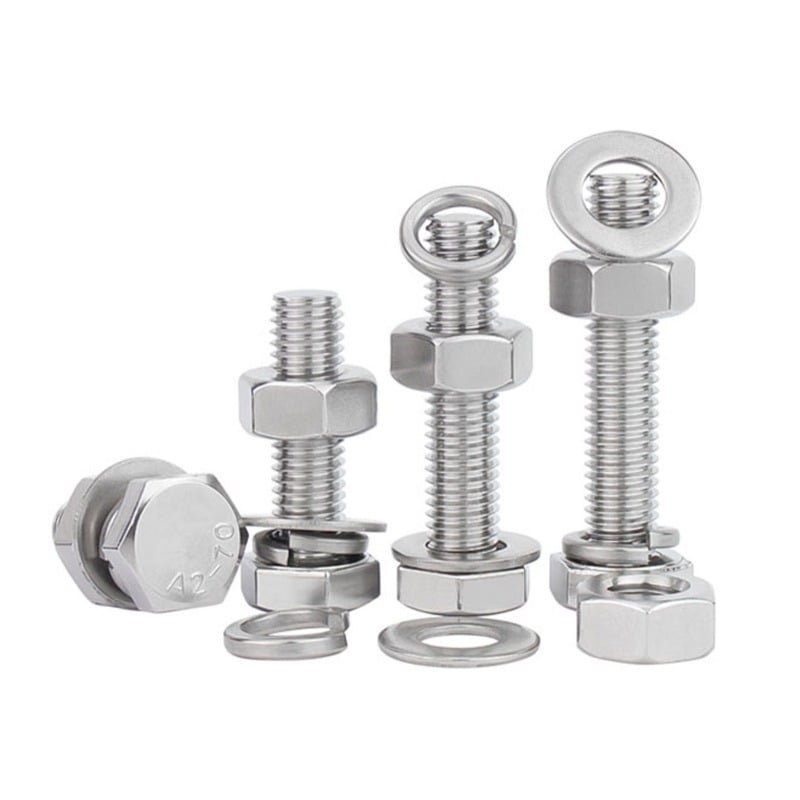
The threaded rod anchor is available in materials and finishes that help match different working environments. A zinc-coated threaded rod anchor is often a cost-effective choice for dry interior areas, service corridors, offices, and standard commercial construction. Stainless steel versions offer stronger resistance to moisture, salt, cleaning agents, and many corrosive conditions. This makes the threaded rod anchor suitable for coastal buildings, wastewater facilities, kitchens, outdoor structures, and selected industrial spaces. The right finish can reduce rust-related maintenance, preserve thread movement, and extend the useful life of the complete support assembly. Buyers should consider exposure throughout the installation, including condensation, washdown, chemical contact, and temperature changes. A threaded rod anchor should also be compatible with the rod, nut, washer, and connected brackets to avoid premature corrosion at the joint. Selecting the correct material at the start can prevent replacement work and service interruptions later. The threaded rod anchor therefore combines fastening performance with a practical way to control lifecycle cost.