Custom Made Screws for Exact Fit

application/custom-made-screws, application/custom-made-screws, 
Inquiry
Inquiry

custom made screws

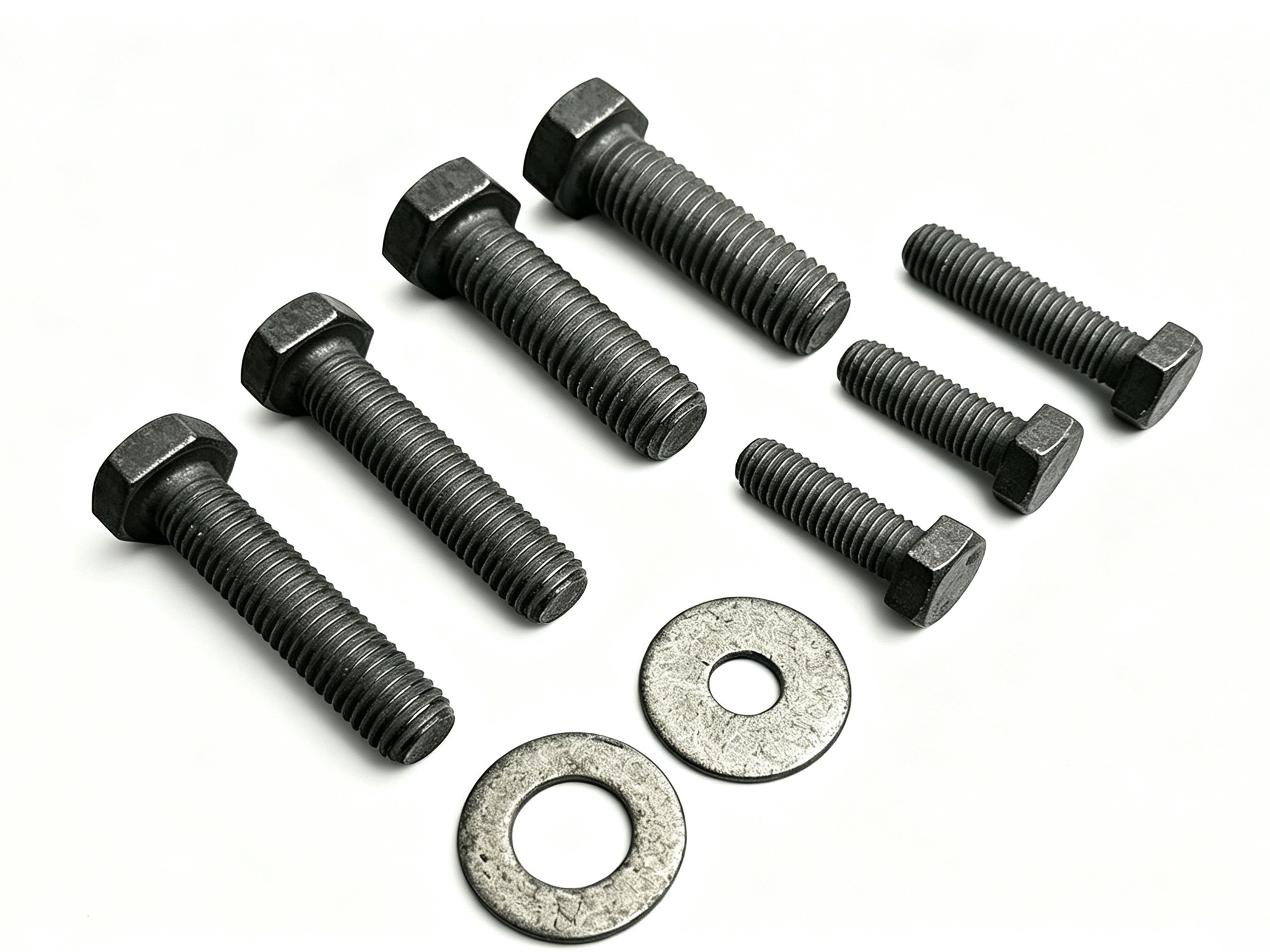
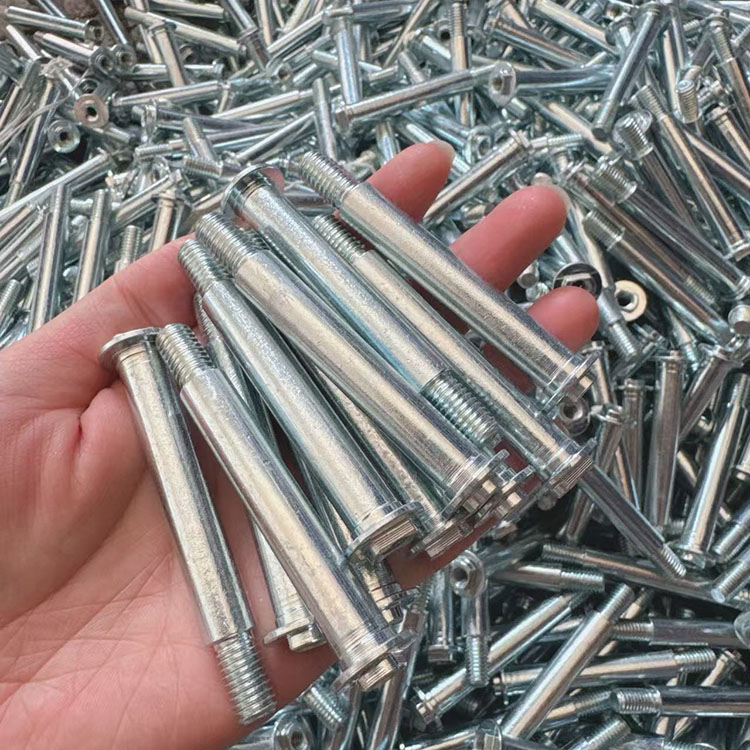
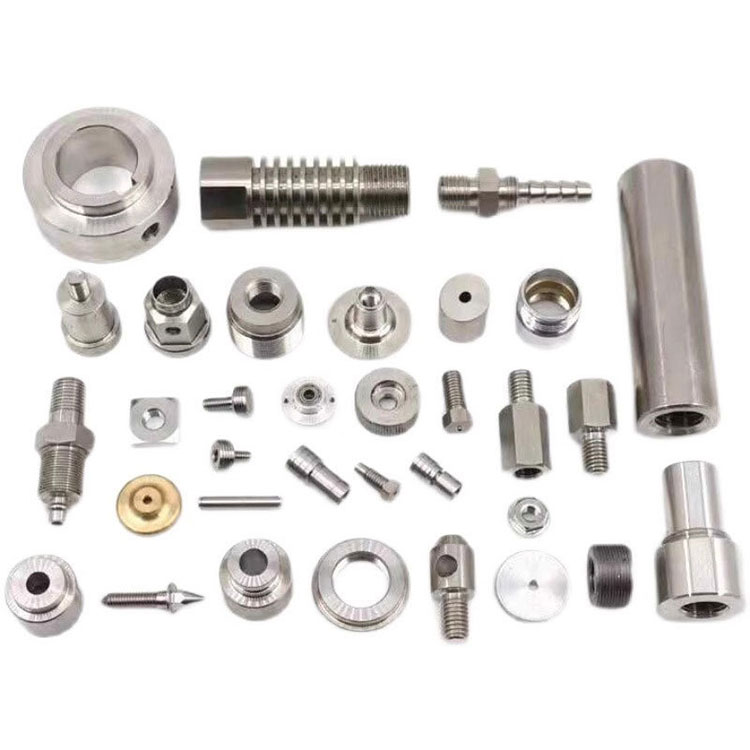
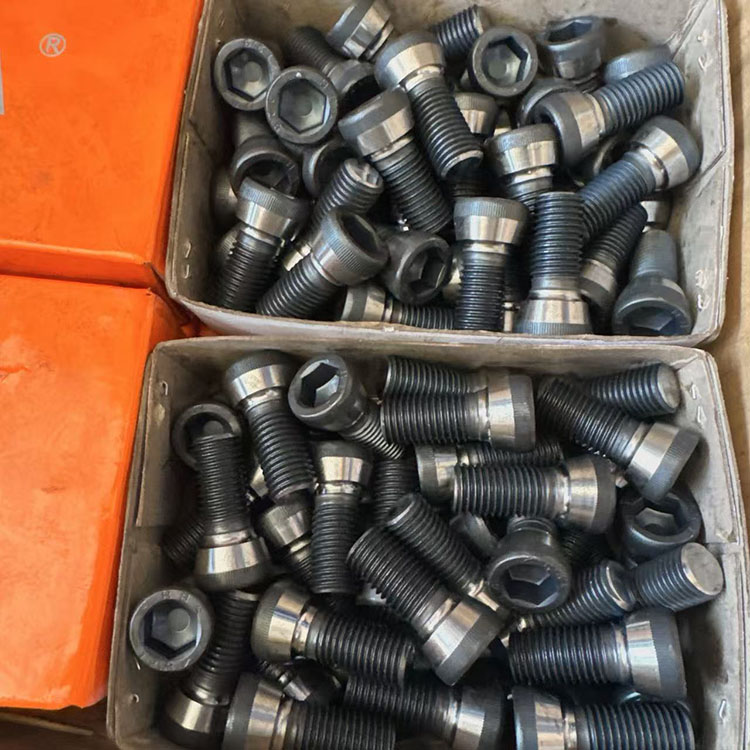
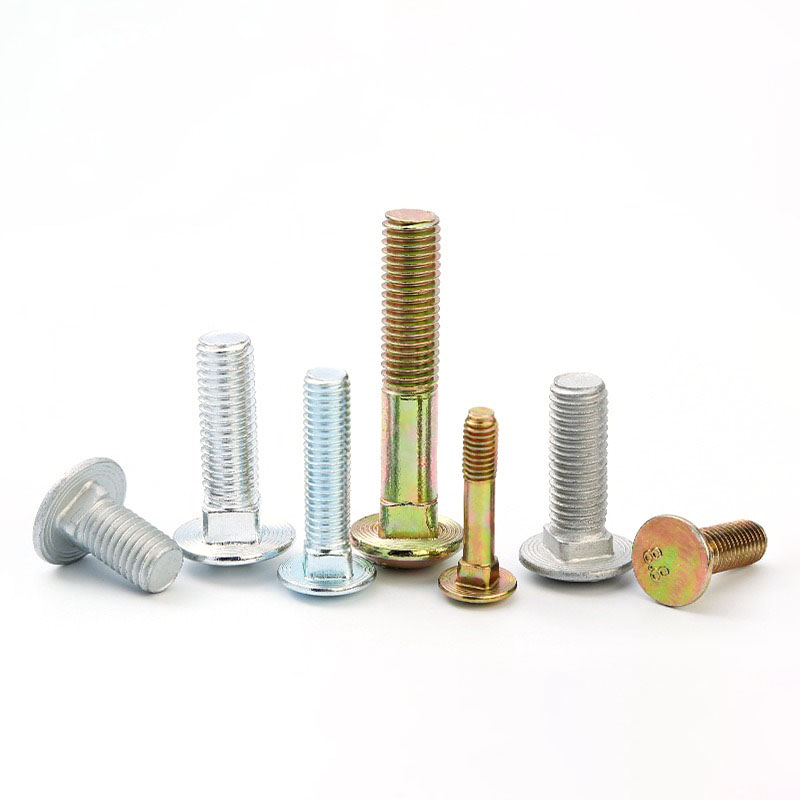
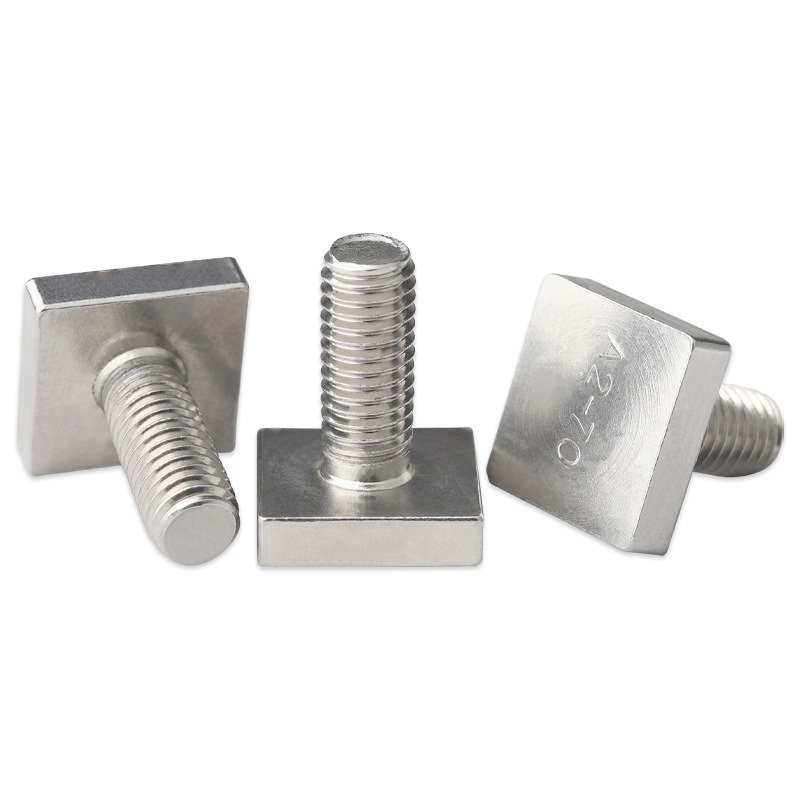
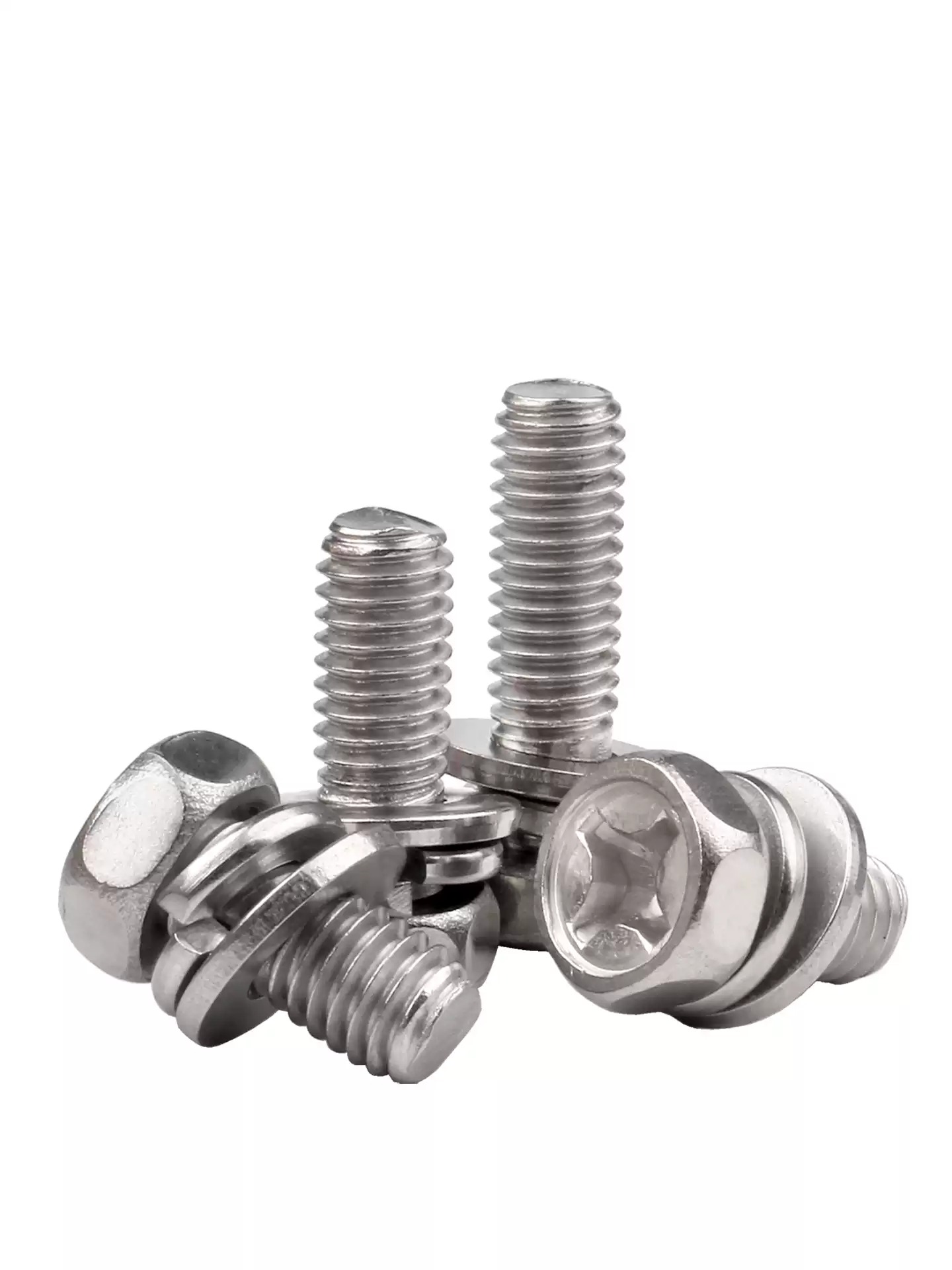
Custom made screws are fastening parts produced to match a specific drawing, assembly, material, or performance requirement. Unlike standard stock items, custom made screws can use a selected diameter, length, thread form, head style, drive type, point design, and finish. This flexibility helps engineers solve fit, access, strength, and space problems without redesigning the surrounding product. Custom made screws support reliable joining in equipment, panels, housings, tools, frames, and precision assemblies. Manufacturers can produce custom made screws from carbon steel, stainless steel, alloy steel, brass, aluminum, titanium, and other materials. The material choice can address corrosion, weight, heat, wear, or electrical needs. Custom made screws may also receive plating, coating, passivation, or other surface treatment to improve service life. Modern production uses computer-controlled turning, cold forming, thread rolling, milling, grinding, and inspection. These processes allow custom made screws to meet close dimensional limits and repeatable batch requirements. Digital drawings and samples help a supplier confirm the design before production. Custom made screws can include special threads for thin materials, reduced heads for limited clearance, security drives for tamper resistance, or unusual lengths for layered parts. Quality checks can cover dimensions, thread accuracy, hardness, surface condition, and load performance. For buyers, custom made screws provide a direct route from a fastening problem to a practical, production-ready solution. Custom made screws are suitable for prototypes, small runs, and higher-volume programs, depending on the manufacturing method. They reduce the need to combine several standard components when one purpose-built fastener can do the job. Custom made screws also support product differentiation by fitting a unique design rather than forcing a compromise.
The main advantage of custom made screws is a better fit for the actual product. Engineers can specify the length, thread, head, drive, and point instead of adapting an assembly around an unsuitable catalog part. Custom made screws can therefore reduce gaps, movement, stripped threads, and installation difficulty. A correct fit also helps spread clamping force more evenly, protecting delicate panels and connected parts. Custom made screws give buyers control over material and finish. Stainless steel can help in wet or corrosive settings, while hardened steel can support demanding loads and repeated service. Lightweight alloys may reduce overall product weight, and protective coatings can extend outdoor or chemical exposure life. The right selection can lower replacement frequency and reduce maintenance spending. Custom made screws also simplify production. A defined head or drive can work with an existing tool, improve access in a narrow area, and shorten assembly time. Consistent dimensions help automated equipment feed, place, and tighten parts with fewer interruptions. Custom made screws can remove washers, adapters, or extra machining steps when the design integrates those functions into the fastener. This can reduce part count and make inventory easier to manage. Application suitability is another clear benefit. Custom made screws can serve medical devices, electronics, automotive systems, construction equipment, furniture, energy products, and industrial machinery. They work for prototypes when a quick design change matters, as well as repeat orders when stable supply and consistent quality matter. Before buying, customers should share drawings, quantities, operating loads, temperatures, exposure conditions, and installation tools. A capable supplier can then recommend practical options, confirm tolerances, make samples, and define inspection points. Custom made screws deliver the most value when the buyer needs dependable performance that standard fasteners cannot provide. They are not automatically the cheapest choice per piece, but they can offer a lower total cost by preventing rework, delays, failures, and redesign.

Latest News

Beyond Galvanizing: How the Sherardizing Process Builds Ultimate Protection for High-End Steel

21

Jul

Beyond Galvanizing: How the Sherardizing Process Builds Ultimate Protection for High-End Steel

Why Sherardizing outperforms galvanizing for high-end steel—extreme corrosion resistance, zero hydrogen embrittlement & self-healing protection.
View More
New Chapter in Sino-Ethiopian Trade Cooperation: Securing a Long-Term Fastener Procurement Agreement

21

Jul

New Chapter in Sino-Ethiopian Trade Cooperation: Securing a Long-Term Fastener Procurement Agreement

How China & Ethiopia secured a long-term fastener supply deal for East Africa's booming industrial sector. Discover reliability, scalability & global impact.
View More
Full Container Ready for Shipment! Premium Fasteners Bound for the U.S. Industrial Market

21

Jul

Full Container Ready for Shipment! Premium Fasteners Bound for the U.S. Industrial Market

Need reliable, ocean-ready fasteners for U.S. industrial buyers? Our full-container shipment delivers certified quality, export-optimized packaging & seamless logistics.
View More

Get a Free Quote

Our representative will contact you soon.
0/1000
Designed for an Exact Fit

Designed for an Exact Fit

Custom made screws turn a specific fastening challenge into a defined part. Customers can set the overall length, outside diameter, thread pitch, head height, drive recess, and tip shape to suit the assembly. This matters when a standard item bottoms out, leaves too little engagement, interferes with another component, or cannot reach a recessed hole. Custom made screws can match existing drawings and preserve the intended product dimensions. They also help designers avoid awkward spacers, extra nuts, or manual modifications. A supplier can review a drawing, sample, or simple technical description and identify the dimensions that affect function most. Prototype approval provides a chance to confirm fit before a larger run. For buyers, custom made screws reduce trial and error and support a cleaner assembly. The result is a fastener that works with the product rather than forcing the product to accommodate an off-the-shelf substitute. This focused design can improve appearance as well as performance.
Material and Surface Choices for Real Conditions

Material and Surface Choices for Real Conditions

Different working environments place different demands on a fastener. Custom made screws allow the buyer to select a material and surface treatment suited to moisture, salt, heat, chemicals, vibration, or heavy loading. Stainless steel can support corrosion resistance, hardened alloy steel can provide strength and wear resistance, and lighter metals can help reduce mass where loads permit. Coatings or finishes can further protect the surface, improve appearance, or support smoother installation. Custom made screws can also be produced with properties that suit electrical, medical, food equipment, or outdoor applications when the correct specification is chosen. This choice gives customers more than a visual preference; it helps protect the joint throughout its expected service life. A supplier can explain how material grade, hardness, finish, and operating conditions work together. Selecting custom made screws in this planned way can reduce rust, seizure, premature wear, and unplanned replacement. It also helps buyers document a consistent specification for future orders.
Reliable Production for Prototypes and Volume

Reliable Production for Prototypes and Volume

Custom made screws support a practical path from early concept to regular production. A supplier can create samples for fit checks, functional tests, and customer approval before committing to a larger quantity. Once the design is confirmed, suitable forming, turning, rolling, milling, or grinding methods can provide repeatable parts. Custom made screws can include inspection requirements for thread size, length, head dimensions, hardness, coating, and visual quality. This makes it easier to maintain consistent assembly results across batches and production sites. The manufacturing route can be selected according to quantity, material, complexity, and target cost, rather than using one method for every project. Buyers gain clearer control over lead times, packaging, traceability, and replenishment planning. Custom made screws are especially useful when a product needs a proprietary fastening detail that competitors cannot easily copy. They can also reduce disruptions caused by discontinued standard items. With a documented drawing and approved sample, repeat purchasing becomes more predictable, helping customers protect schedules, quality targets, and long-term supply.