Stainless Threaded Rod: Uses and Benefits

application/stainless-threaded-rod, application/stainless-threaded-rod, 
Inquiry
Inquiry

stainless threaded rod

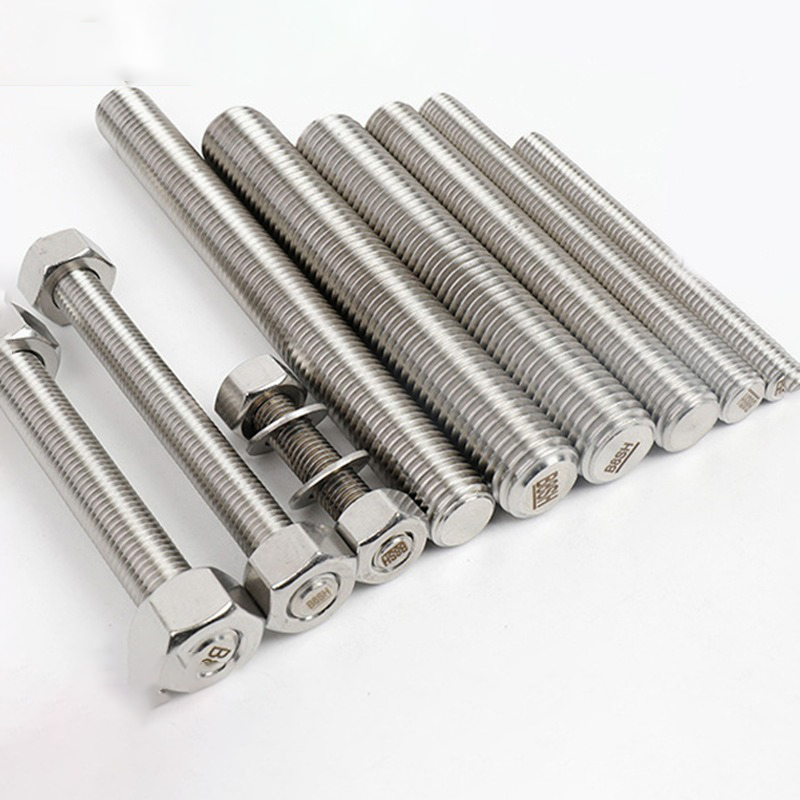
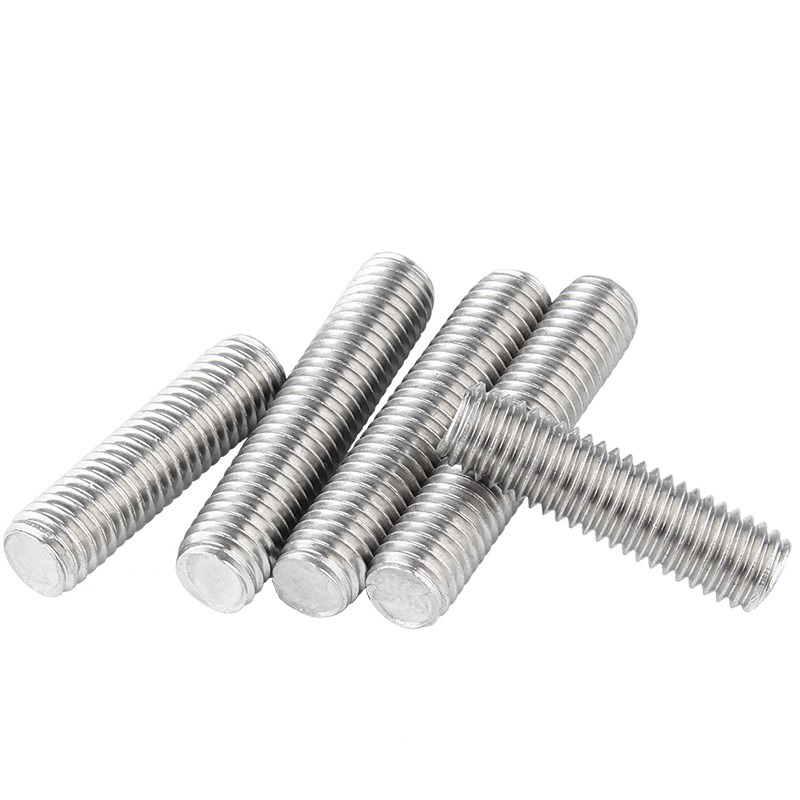
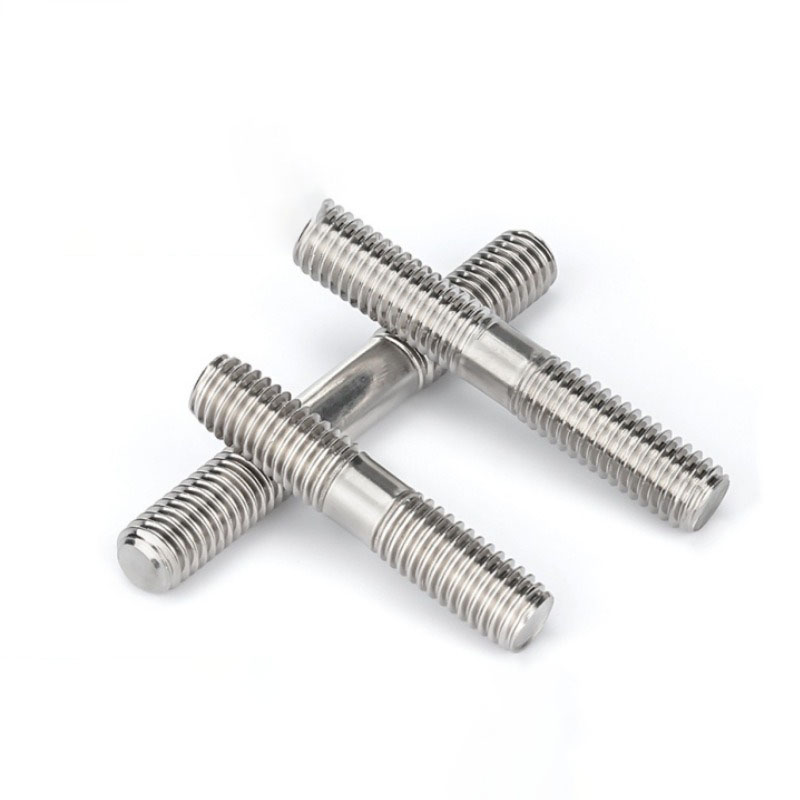
A stainless threaded rod is a straight metal fastener with continuous threads running along its length. Unlike a standard bolt, it has no fixed head, so installers can cut it to size, join it with nuts, or use it with washers, plates, channels, and brackets. The stainless threaded rod creates adjustable connections for structural support, equipment mounting, suspended services, and general assembly work. Its main function is to hold components together while allowing accurate positioning and later adjustment. A stainless threaded rod also supports load transfer through threaded nuts placed at one or both ends. Manufacturers produce this fastener in different diameters, lengths, thread pitches, and stainless steel grades. Common grades include 304 for general indoor and outdoor use and 316 for areas exposed to salt, chemicals, or frequent moisture. The stainless threaded rod normally uses a machine-cut or rolled thread that accepts standard compatible nuts. Rolled threads can improve consistency and surface strength, while clean thread profiles help users assemble parts smoothly. The material resists rust, staining, and surface deterioration better than ordinary carbon steel, making the stainless threaded rod suitable for demanding environments. It can support cable trays, pipe systems, solar frames, signs, machinery, furniture, and fabricated structures. Buyers can select a stainless threaded rod based on diameter, length, grade, strength requirement, temperature, and exposure conditions. Correct selection improves connection life and reduces maintenance. Whether used as an anchor, hanger, spacer, or joining member, the stainless threaded rod offers a flexible fastening solution for commercial, industrial, marine, construction, and maintenance applications. It works especially well where a clean appearance and dependable service matter.
The stainless threaded rod gives buyers a practical way to create secure, adjustable connections without ordering a custom bolt for every installation. Because users can cut a stainless threaded rod to the required length, one stock size can support many jobs. This reduces inventory variety, simplifies purchasing, and helps maintenance teams respond quickly when dimensions change. Nuts and washers can move along the thread, so installers can set spacing, level equipment, and compensate for uneven surfaces. A stainless threaded rod also makes it easier to repair or modify assemblies because technicians can replace individual nuts or sections without removing a fixed head. Stainless steel provides strong resistance to rust and staining. This benefit matters in kitchens, washdown areas, coastal facilities, water treatment plants, food processing rooms, and outdoor structures. The stainless threaded rod keeps its useful appearance and helps protect connection points from early deterioration. Grade selection adds practical flexibility: 304 suits many general environments, while 316 offers better protection where salt, chlorides, or aggressive chemicals may be present. Buyers should match the grade to actual exposure rather than paying for a higher grade without need. The open, continuous thread accepts common hardware, which supports easy sourcing and straightforward installation. A stainless threaded rod can also work with brackets, strut channels, clamps, plates, and custom-fabricated supports. Its headless design allows connections through tight or awkward spaces, while cut lengths help reduce waste. For reliable results, choose the correct diameter, thread standard, grade, and load rating, then tighten nuts evenly. Overall, the stainless threaded rod combines flexible sizing, durable material, simple handling, and broad application suitability in one dependable product.

Latest News

Beyond Galvanizing: How the Sherardizing Process Builds Ultimate Protection for High-End Steel

21

Jul

Beyond Galvanizing: How the Sherardizing Process Builds Ultimate Protection for High-End Steel

Why Sherardizing outperforms galvanizing for high-end steel—extreme corrosion resistance, zero hydrogen embrittlement & self-healing protection.
View More
New Chapter in Sino-Ethiopian Trade Cooperation: Securing a Long-Term Fastener Procurement Agreement

21

Jul

New Chapter in Sino-Ethiopian Trade Cooperation: Securing a Long-Term Fastener Procurement Agreement

How China & Ethiopia secured a long-term fastener supply deal for East Africa's booming industrial sector. Discover reliability, scalability & global impact.
View More
Full Container Ready for Shipment! Premium Fasteners Bound for the U.S. Industrial Market

21

Jul

Full Container Ready for Shipment! Premium Fasteners Bound for the U.S. Industrial Market

Need reliable, ocean-ready fasteners for U.S. industrial buyers? Our full-container shipment delivers certified quality, export-optimized packaging & seamless logistics.
View More

Get a Free Quote

Our representative will contact you soon.
0/1000
Corrosion Resistance for Challenging Locations

Corrosion Resistance for Challenging Locations

The stainless threaded rod protects fastening points in places where moisture, salt, cleaning agents, or changing weather can damage ordinary steel. Its stainless construction helps resist rust and staining, so the connection remains serviceable and visually clean for longer. This makes the stainless threaded rod a strong choice for coastal equipment, outdoor signs, food facilities, washrooms, water systems, and marine support work. Buyers can choose 304 stainless steel for many everyday conditions or 316 stainless steel when exposure includes salt spray, chlorides, or stronger chemicals. The right grade can reduce replacement work, maintenance visits, and the risk of a seized nut. Although material choice does not remove the need for correct installation, it gives the assembly a better foundation for long service. A stainless threaded rod also avoids the painted or plated surface damage that can expose ordinary steel beneath its coating. Customers gain a cleaner finish, more predictable upkeep, and dependable fastening performance in demanding locations.
Adjustable Length and Simple Installation

Adjustable Length and Simple Installation

A stainless threaded rod has continuous threads and no fixed head, giving installers exceptional control over connection length and component position. Workers can cut a stainless threaded rod on site, fit nuts and washers, and create a support that matches the actual gap. This flexibility helps during renovations, equipment changes, suspended service installation, and uneven structural work. It also reduces the number of bolt lengths a buyer must keep in stock. Nuts can travel along the thread to set height, spacing, tension, or alignment before final tightening. The stainless threaded rod works with plates, brackets, channels, clamps, and fabricated frames, so teams can adapt one fastening method to many layouts. Installation remains simple with compatible hand tools and standard hardware. If a component needs replacement, technicians can loosen the nuts and remove the part without discarding a complete headed fastener. Customers save time, limit material waste, and gain a more adaptable assembly process.
Reliable Performance Across Many Applications

Reliable Performance Across Many Applications

The stainless threaded rod supports a wide range of fastening tasks, from light-duty fixtures to engineered support systems that require carefully selected dimensions and load capacity. Its continuous thread spreads engagement across the available nut area, while the rod shape allows designers to create anchors, hangers, spacers, tie bars, and joining members. A stainless threaded rod suits solar mounting frames, pipe and duct supports, cable trays, machinery bases, handrails, furniture, signs, and general fabrication. Its clean appearance also fits visible architectural and commercial installations. Buyers can specify diameter, length, thread pitch, and stainless grade to match the project instead of accepting a one-size solution. The stainless threaded rod can serve both new construction and repair work, helping standardize hardware across a facility. For safety-critical or heavily loaded assemblies, users should confirm strength data, support spacing, thread compatibility, and installation torque. With proper selection, this product delivers dependable service while keeping design and maintenance options open.