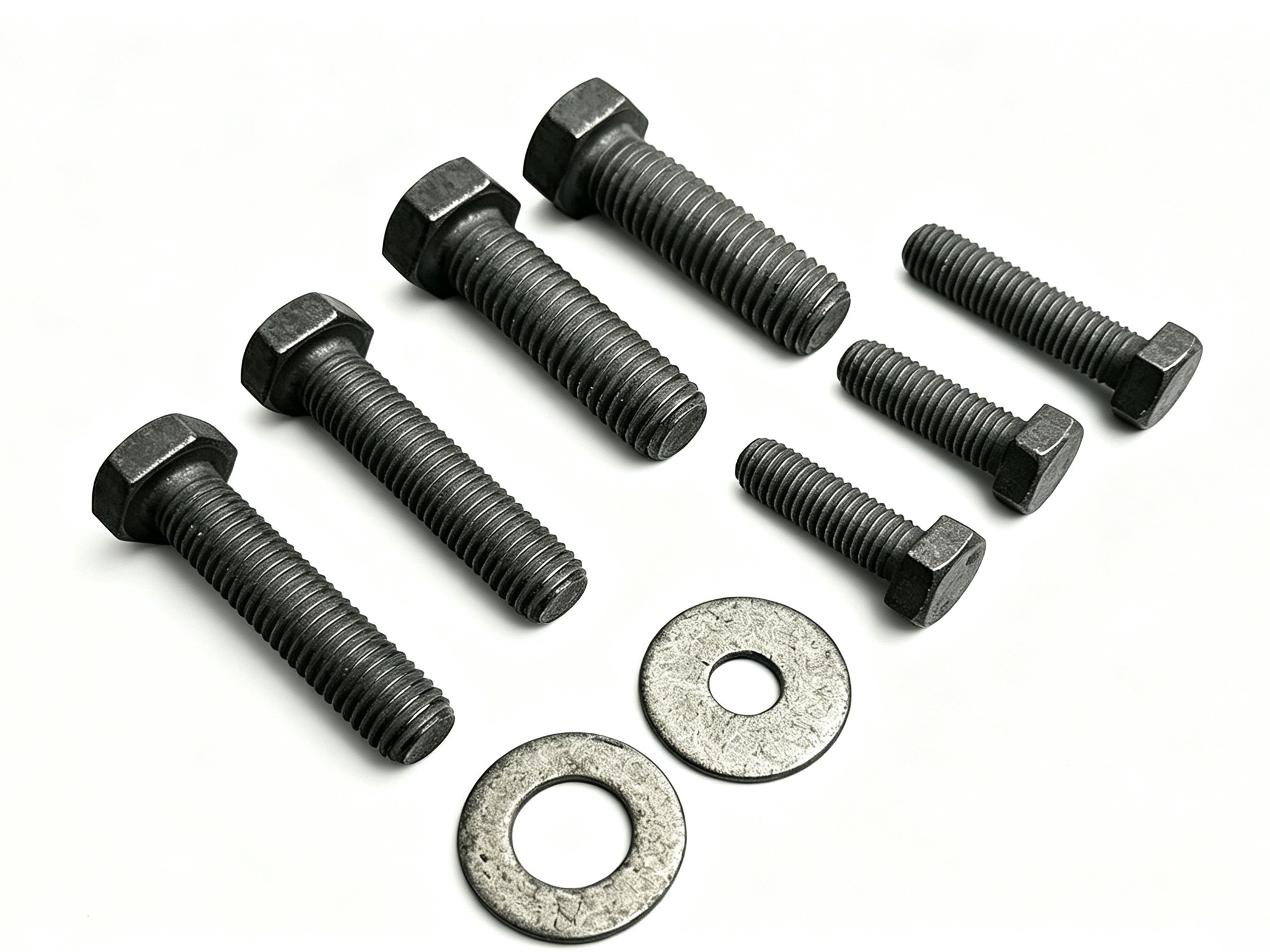
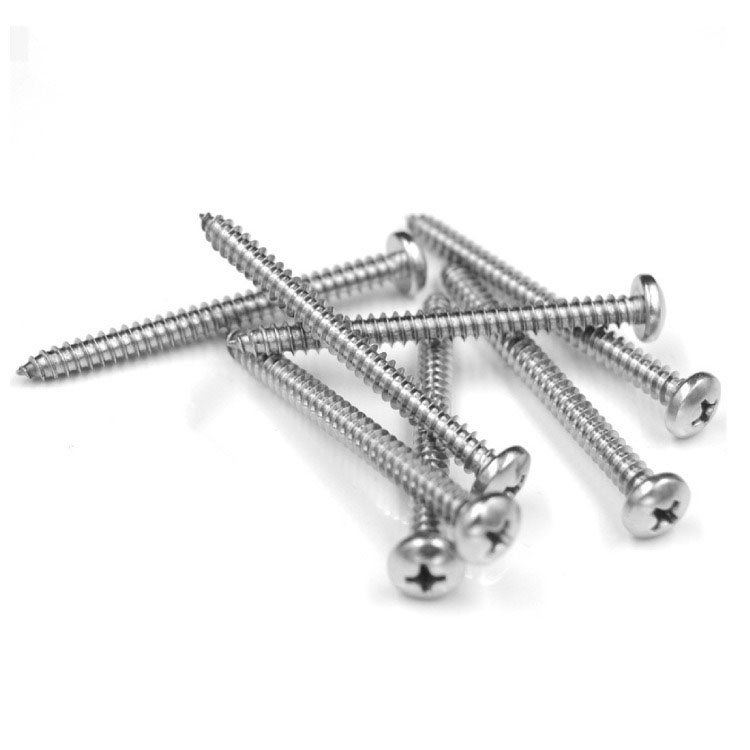
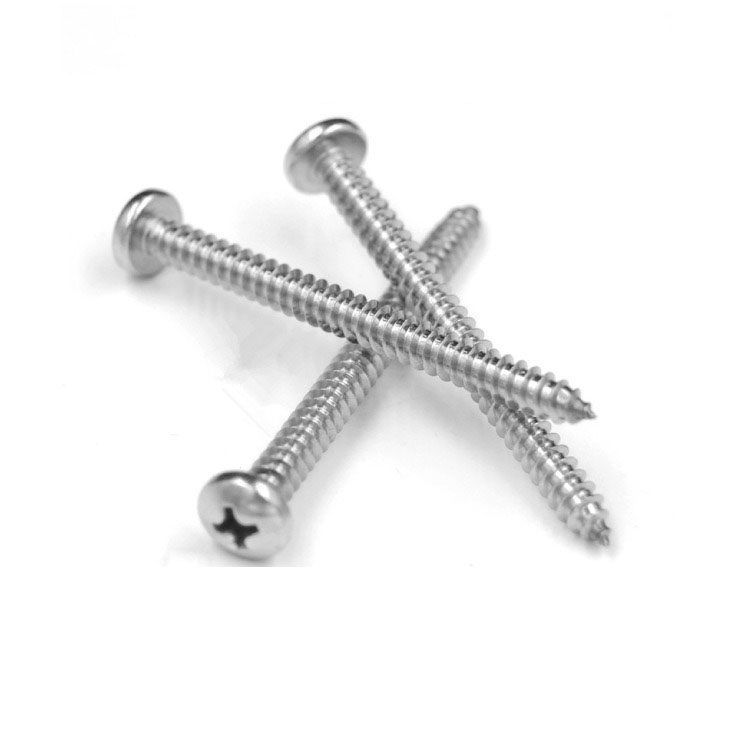
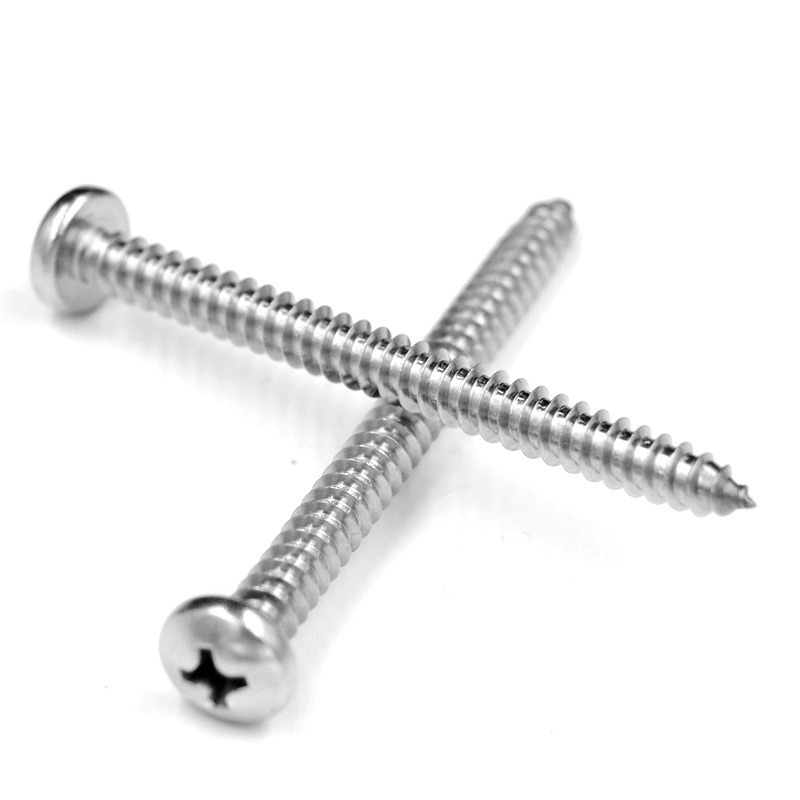
self tapping ground screw
A self tapping ground screw is a foundation support that creates a firm fixing point in soil without poured concrete, extensive digging, or long curing periods. Designed with a pointed lead and a cutting thread, the self tapping ground screw enters the ground as it turns, forming its own hole and compacting soil around the shaft. This self tapping ground screw gives installers a faster alternative to traditional footings for many light and medium-duty structures.
Most models use hot-dip galvanized steel or another corrosion-resistant finish. The steel body provides strength, while helical flights help transfer vertical and lateral loads into the surrounding soil. A self tapping ground screw may include a welded bracket, U-shaped holder, flat plate, or adjustable connector, allowing it to support timber posts, metal frames, rails, or equipment bases. Its dimensions can be selected according to soil conditions, load requirements, and installation depth.
Installation normally requires a driver, hydraulic tool, or compatible torque machine. As the self tapping ground screw rotates into position, the installer can monitor resistance and adjust depth to achieve a secure fit. This method reduces site disturbance and keeps the work area cleaner than concrete excavation. The self tapping ground screw can also be removed, repositioned, or reused in suitable applications, depending on its condition.
Common uses include solar panel supports, garden rooms, decks, fences, signs, carports, walkways, temporary buildings, and outdoor lighting. A self tapping ground screw works especially well where speed, low mess, and limited access matter. Before selection, buyers should confirm soil type, expected loads, frost conditions, screw length, coating, and connector style. Correct sizing helps the self tapping ground screw deliver dependable support over its service life.
 EN