Flat Rubber Washers for Reliable Sealing

application/flat-rubber-washers, application/flat-rubber-washers, 
Inquiry
Inquiry

flat rubber washers

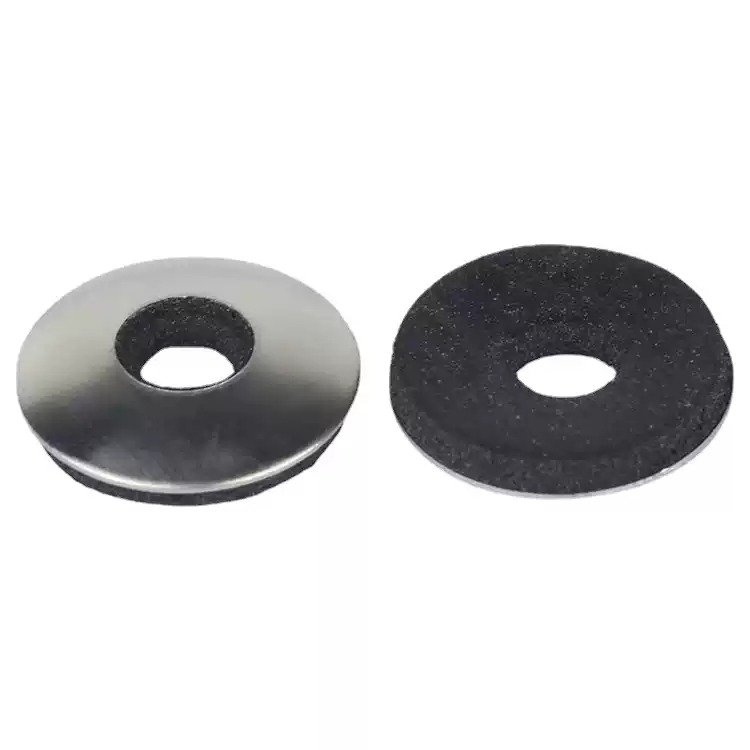
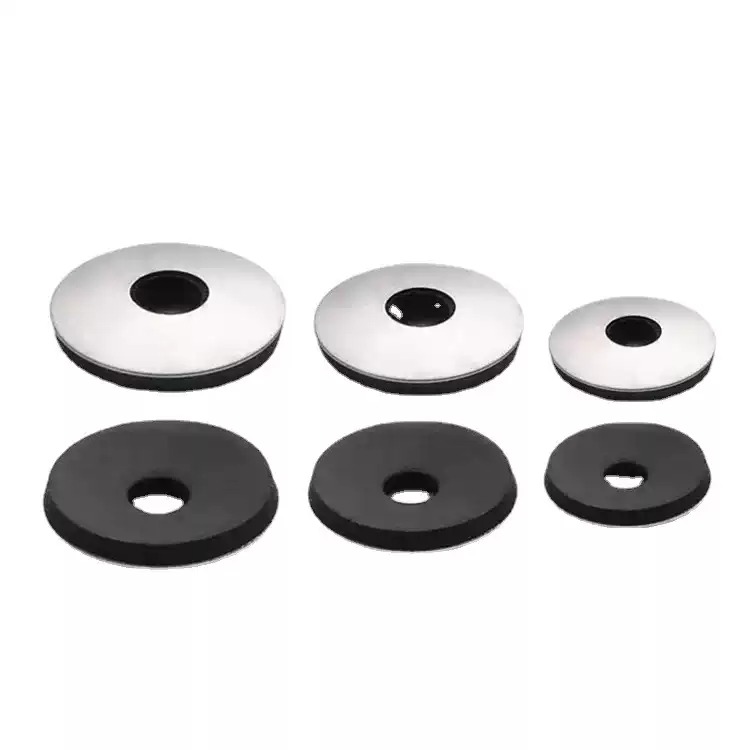
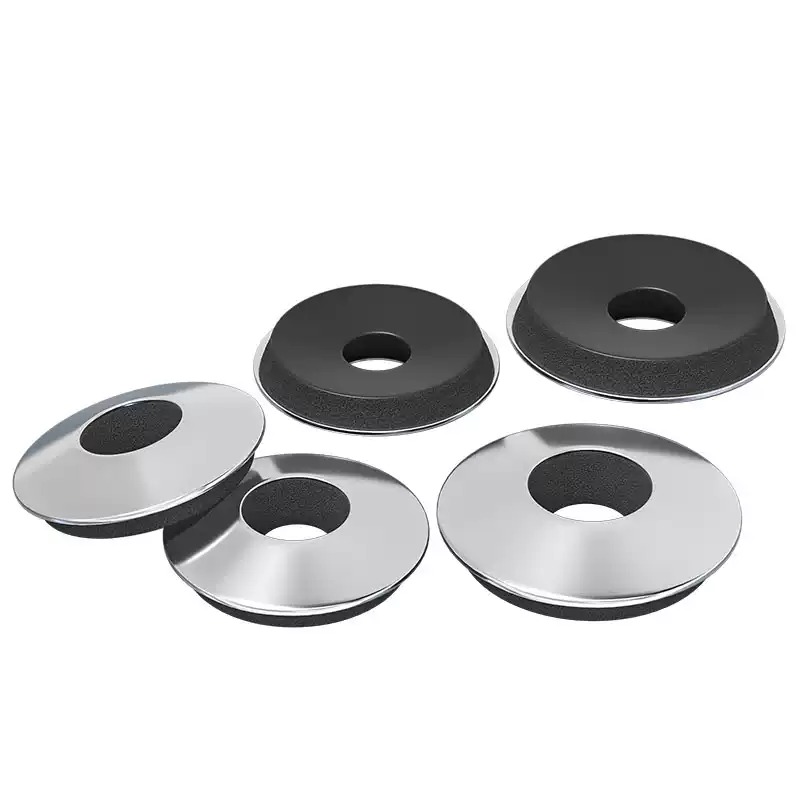
This overview explains what flat rubber washers are, how they work, and where they provide the most value. Flat rubber washers are thin, circular sealing components with a central hole for a bolt, screw, pipe fitting, or threaded connection. Their main functions include distributing clamping pressure, preventing leaks, reducing vibration, and protecting joined surfaces from scratches or deformation. Flat rubber washers create a flexible barrier between mating parts, helping close small surface gaps that a hard metal washer cannot seal. In many assemblies, flat rubber washers also reduce noise and limit movement caused by vibration or thermal expansion. These flat rubber washers are made from materials such as EPDM, nitrile rubber, silicone, neoprene, or natural rubber. Material selection affects resistance to water, oil, chemicals, sunlight, heat, and low temperatures. Flat rubber washers can be produced through die cutting, molding, or precision punching. Modern production supports consistent outside diameter, inside diameter, thickness, and edge quality for dependable installation. Flat rubber washers are available in standard sizes as well as custom dimensions for specialized equipment. Their low profile suits compact assemblies, while their elasticity helps them conform to uneven contact surfaces. Depending on the material, flat rubber washers can support indoor, outdoor, plumbing, automotive, electrical, and industrial use. Flat rubber washers work with many common fasteners and fitting types, making them practical for maintenance and original equipment production. Buyers should compare size, hardness, temperature range, media resistance, and expected compression before ordering. For reliable results, flat rubber washers should match the joint design and remain evenly compressed during service.
Flat rubber washers offer a simple way to improve the reliability of bolted and threaded connections. Their most important advantage is sealing performance. When compressed, flat rubber washers fill minor gaps between two surfaces and help stop water, air, dust, and other contaminants from passing through. This makes them useful for covers, access panels, plumbing joints, tanks, and outdoor enclosures. Flat rubber washers also spread load over a wider area than a fastener head alone. This protects softer materials, painted surfaces, plastics, and thin sheet metal from dents, cracks, and pressure marks. Because flat rubber washers flex under load, they can absorb small movement and reduce vibration transfer. That benefit helps lower rattling, noise, and loosening in equipment exposed to pumps, motors, road movement, or repeated cycling. Flat rubber washers can also protect against galvanic contact when a rubber layer separates different materials. Buyers gain value from their low cost, light weight, and simple installation. A worker can fit flat rubber washers using ordinary hand tools without special sealant or complex preparation. They are easy to replace during routine maintenance, which can shorten service interruptions and reduce labor expense. Their compact form suits tight spaces where thicker gaskets may not fit. Different compounds allow customers to select flat rubber washers for oil, fuel, water, weather, heat, or electrical insulation needs. For general water exposure, EPDM often provides a practical choice, while nitrile suits many oil-related duties and silicone supports wider temperature demands. Buyers should confirm dimensions and compression limits before purchasing. The right flat rubber washers improve joint life, reduce leakage risk, and support cleaner, more predictable operation across many applications.

Tips And Tricks

Beyond Galvanizing: How the Sherardizing Process Builds Ultimate Protection for High-End Steel

21

Jul

Beyond Galvanizing: How the Sherardizing Process Builds Ultimate Protection for High-End Steel

Why Sherardizing outperforms galvanizing for high-end steel—extreme corrosion resistance, zero hydrogen embrittlement & self-healing protection.
View More
New Chapter in Sino-Ethiopian Trade Cooperation: Securing a Long-Term Fastener Procurement Agreement

21

Jul

New Chapter in Sino-Ethiopian Trade Cooperation: Securing a Long-Term Fastener Procurement Agreement

How China & Ethiopia secured a long-term fastener supply deal for East Africa's booming industrial sector. Discover reliability, scalability & global impact.
View More
Full Container Ready for Shipment! Premium Fasteners Bound for the U.S. Industrial Market

21

Jul

Full Container Ready for Shipment! Premium Fasteners Bound for the U.S. Industrial Market

Need reliable, ocean-ready fasteners for U.S. industrial buyers? Our full-container shipment delivers certified quality, export-optimized packaging & seamless logistics.
View More

Get a Free Quote

Our representative will contact you soon.
0/1000
Reliable Sealing in Compact Connections

Reliable Sealing in Compact Connections

Flat rubber washers provide a dependable seal without adding bulky hardware to an assembly. When a fastener tightens, the washer compresses between the fastener and the mating surface. That compression closes small scratches, gaps, and irregularities that could otherwise allow moisture or air to pass. Because flat rubber washers remain flexible, they continue to support the joint when parts expand, contract, or move slightly during operation. This makes them valuable for pipe fittings, inspection covers, fluid reservoirs, outdoor housings, and equipment panels. Flat rubber washers can also reduce the need for liquid sealants, which simplifies installation and avoids messy cleanup. In service, flat rubber washers help protect internal components from water and dust while supporting a cleaner working environment. Selecting flat rubber washers with the correct thickness and material helps maintain compression over time. For customers, flat rubber washers offer an economical way to improve sealing confidence in both new products and repair work.
Material Choices for Real Operating Conditions

Material Choices for Real Operating Conditions

Flat rubber washers are available in several compounds, allowing users to match performance with the working environment. EPDM flat rubber washers handle water, weather, ozone, and sunlight well, making them suitable for outdoor and plumbing applications. Nitrile flat rubber washers offer useful resistance to many oils, fuels, and greases, which supports automotive and mechanical equipment. Silicone flat rubber washers maintain flexibility across a broad temperature range and work well where heat or cold changes quickly. Neoprene can provide a balanced option for weather, moderate chemicals, and general machinery service. These flat rubber washers can also support electrical isolation when the design requires separation between conductive parts. Material choice affects service life, so buyers should consider fluid contact, temperature, pressure, sunlight, and movement before ordering. Flat rubber washers selected for the actual conditions are less likely to harden, swell, crack, or lose sealing ability. That practical match reduces replacement frequency and helps equipment operate with fewer interruptions.
Easy Installation and Lower Maintenance Costs

Easy Installation and Lower Maintenance Costs

Flat rubber washers help maintenance teams complete repairs quickly because they install directly over bolts, screws, studs, or fittings. No specialized equipment is normally required, and their light weight makes handling simple during assembly. Flat rubber washers also protect contact surfaces while the fastener is tightened, reducing damage that could create future leak paths. In production, flat rubber washers support repeatable assembly because consistent dimensions make placement and compression easy to control. In field repairs, flat rubber washers provide a convenient replacement option for worn seals, damaged interfaces, and leaking covers. They can be stocked in common sizes, helping technicians respond without waiting for custom parts. Flat rubber washers may also reduce service costs by limiting vibration, contamination, and surface wear at the joint. Choosing flat rubber washers with suitable hardness prevents excessive squeezing while preserving a stable seal. For buyers, this combination of simple fitting, broad availability, and dependable function improves installation speed and supports longer maintenance intervals. Flat rubber washers are a practical choice for routine equipment upkeep.