Masonry Screw Anchor | Secure Fastening

application/masonry-screw-anchor, application/masonry-screw-anchor, 
Inquiry
Inquiry

masonry screw anchor

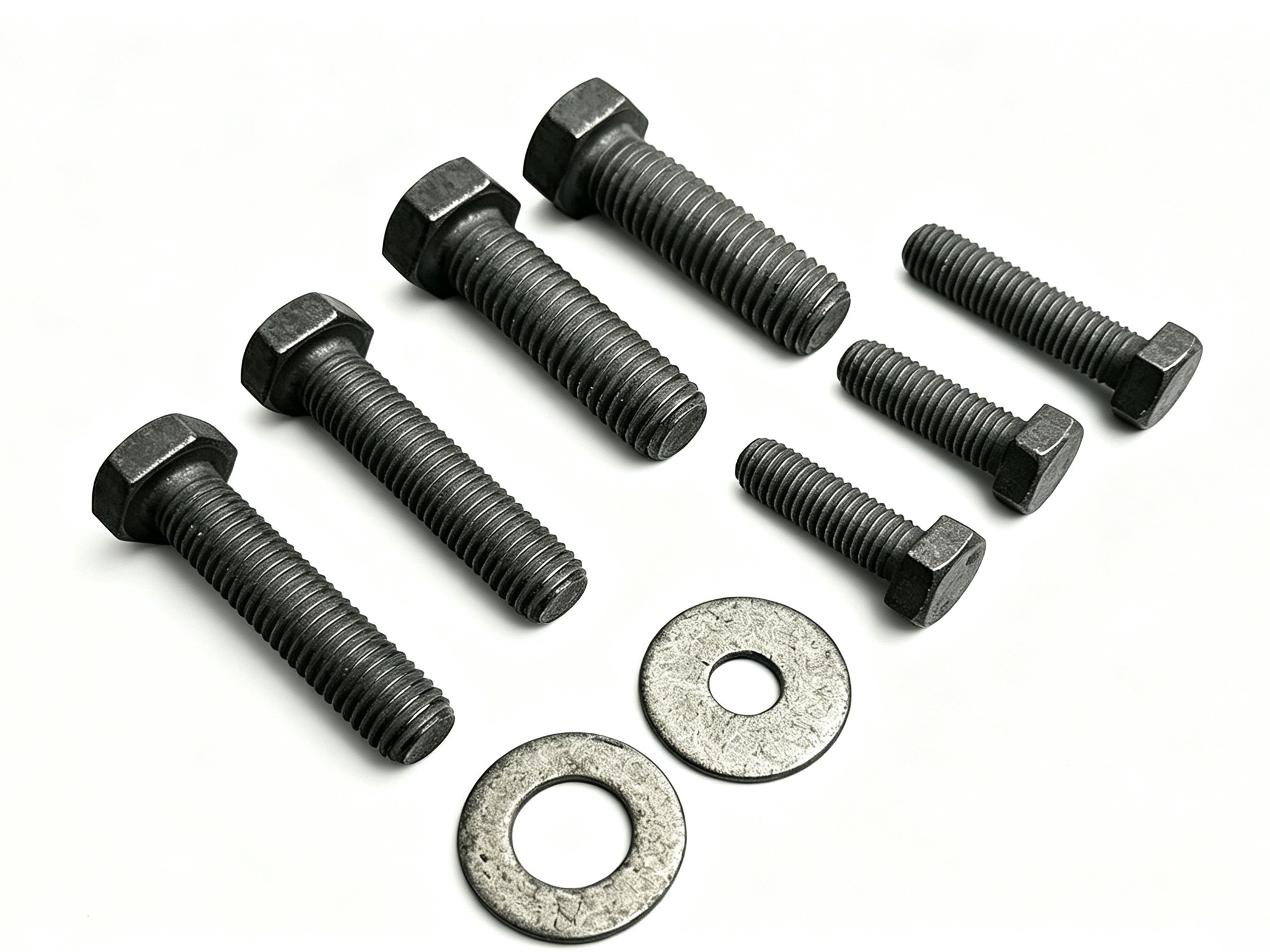
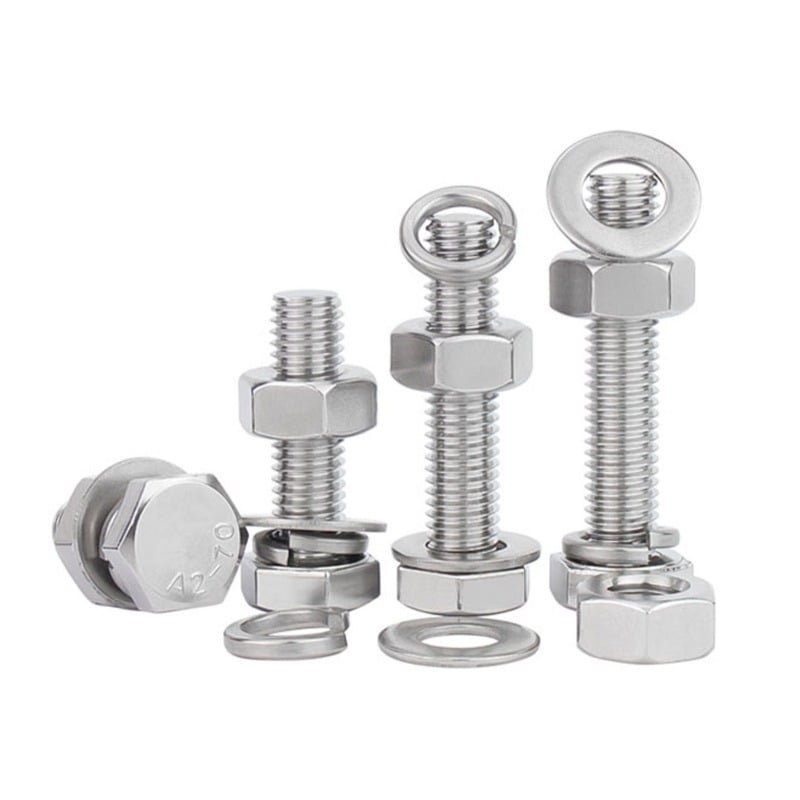
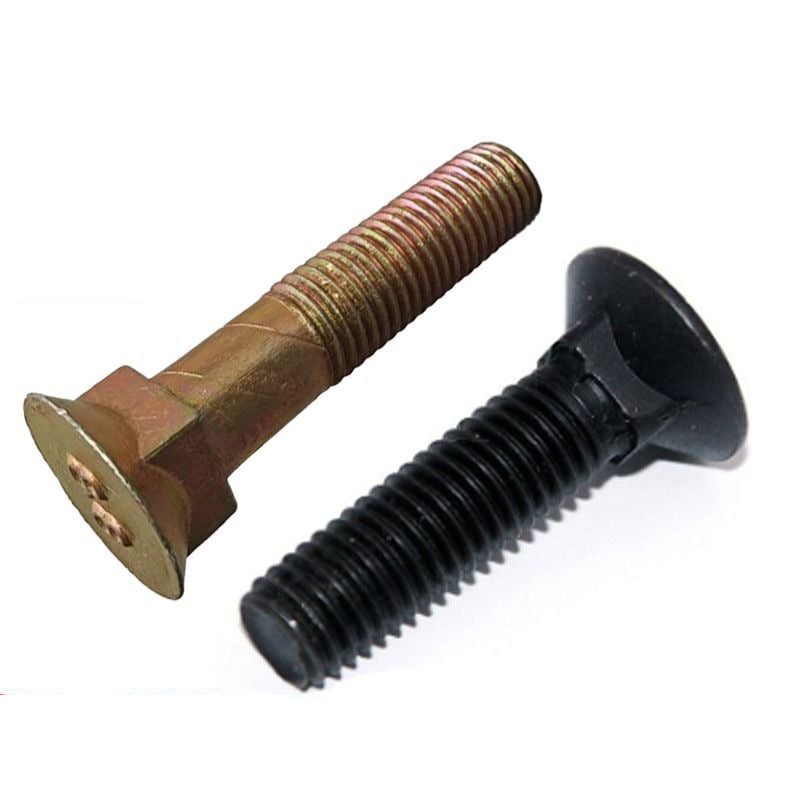
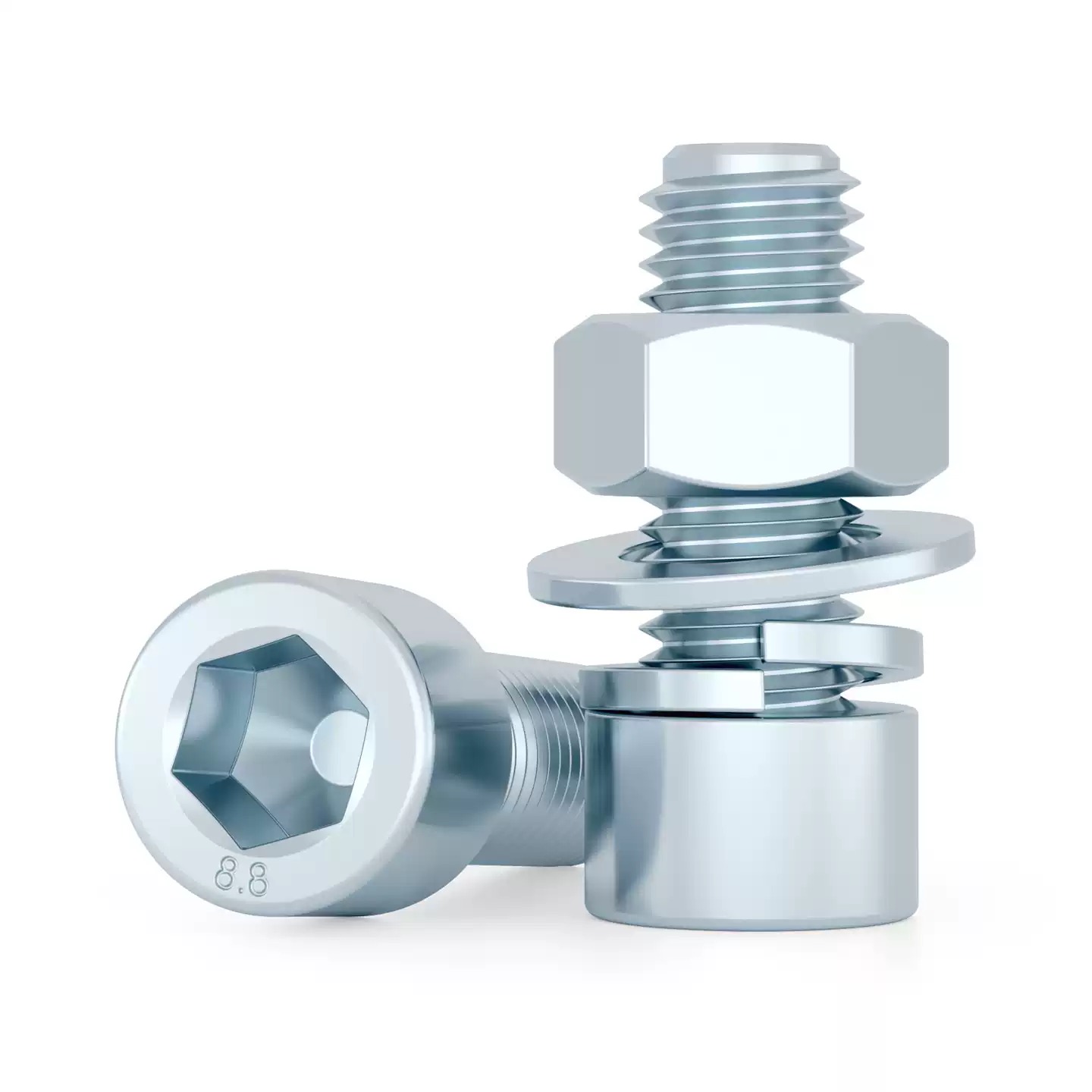
A masonry screw anchor is a direct-fixing fastener designed to secure materials to brick, block, concrete, and other solid masonry surfaces. Instead of relying on a separate expansion plug, a masonry screw anchor cuts or forms its own thread inside a drilled hole. This design creates a firm connection while keeping installation simple. The masonry screw anchor typically includes a hardened steel body, a sharp thread profile, and a corrosion-resistant coating for dependable service. Depending on the model, the head may be hex, pan, countersunk, or washer style. A masonry screw anchor can accept a driver or socket, helping installers work quickly with common tools. Its controlled thread engagement gives the masonry screw anchor strong holding power and predictable placement when the hole has the correct diameter and depth. The fastener can also be removed and, in suitable materials, reused for adjustment or maintenance. A masonry screw anchor suits light, medium, and selected heavy-duty fixing tasks, although the correct size and load rating remain essential. Common uses include attaching brackets, timber battens, signs, cable trays, pipes, fixtures, and equipment supports. For indoor work, a masonry screw anchor offers clean, efficient fixing with little preparation. For outdoor projects, a masonry screw anchor with suitable coating helps resist moisture and surface corrosion. When speed, neat results, and reliable grip matter, choosing a masonry screw anchor can simplify the complete installation process.
The main advantage of a masonry screw anchor is straightforward installation. After drilling a correctly sized pilot hole, the installer drives the fastener directly into the base material. This masonry screw anchor method reduces the number of separate components and helps teams finish more fixing points in less time. It also lowers the chance of losing plugs, washers, or matching parts on site. Because a masonry screw anchor creates its grip through its own thread, it provides a neat, controlled connection without the visible expansion of some traditional fixings. That makes it useful near edges, provided the installer follows the required edge distance and load guidance. A masonry screw anchor can support brackets, rails, fixtures, frames, and service equipment across many building environments. Buyers gain flexibility because one fastener family can cover different lengths, head styles, and base materials. The masonry screw anchor is also easy to inspect: a visible head and stable seated position allow quick checks during installation and maintenance. If a fixture needs repositioning, the masonry screw anchor can often be removed without leaving a large expansion sleeve behind. Coated versions provide practical protection in damp areas, while stainless options suit more demanding exposure. For contractors, a masonry screw anchor can reduce labor, simplify stock control, and deliver a consistent appearance. For maintenance teams, it supports faster repairs and easier access to installed components. Product choice still matters. Match the masonry screw anchor to the load, substrate condition, hole size, embedment depth, environment, and fixture thickness. Used within its stated limits, this fastener offers a useful balance of speed, reliability, clean installation, and long-term value.

Practical Tips

Beyond Galvanizing: How the Sherardizing Process Builds Ultimate Protection for High-End Steel

21

Jul

Beyond Galvanizing: How the Sherardizing Process Builds Ultimate Protection for High-End Steel

Why Sherardizing outperforms galvanizing for high-end steel—extreme corrosion resistance, zero hydrogen embrittlement & self-healing protection.
View More
New Chapter in Sino-Ethiopian Trade Cooperation: Securing a Long-Term Fastener Procurement Agreement

21

Jul

New Chapter in Sino-Ethiopian Trade Cooperation: Securing a Long-Term Fastener Procurement Agreement

How China & Ethiopia secured a long-term fastener supply deal for East Africa's booming industrial sector. Discover reliability, scalability & global impact.
View More
Full Container Ready for Shipment! Premium Fasteners Bound for the U.S. Industrial Market

21

Jul

Full Container Ready for Shipment! Premium Fasteners Bound for the U.S. Industrial Market

Need reliable, ocean-ready fasteners for U.S. industrial buyers? Our full-container shipment delivers certified quality, export-optimized packaging & seamless logistics.
View More

Get a Free Quote

Our representative will contact you soon.
0/1000
Fast Direct Installation

Fast Direct Installation

A masonry screw anchor saves time by combining the fixing body and internal thread in one practical component. The installer drills a pilot hole, clears the dust, positions the fixture, and drives the fastener into the masonry. This simple sequence reduces handling and avoids the need to insert a separate expansion plug. A masonry screw anchor also works with widely available drivers or sockets, so crews can use familiar equipment instead of special installation systems. Its thread design helps the fastener enter the base material smoothly and hold the fixture in a stable position. For repetitive work, that efficiency can increase daily output and reduce labor cost. The masonry screw anchor is especially valuable when access is limited or when many brackets and supports must be fitted in a short time. Clear installation guidance remains important, including the correct bit size, hole depth, driving speed, and tightening level. When those steps are followed, the masonry screw anchor delivers a quick, tidy, and repeatable fixing process.
Reliable Grip Across Masonry

Reliable Grip Across Masonry

A masonry screw anchor is built to develop holding power through direct thread contact with the drilled masonry. Rather than depending only on outward expansion, it engages the material along the length of the hole. This gives the masonry screw anchor a secure feel for common fixtures such as shelves, rails, conduit, signs, timber strips, and equipment brackets. The design works across many solid substrates, including concrete, brick, and suitable block, although performance depends on material quality and the published load rating. A masonry screw anchor with a sharp starting point can improve placement and reduce wandering during entry. Different lengths allow installers to select enough embedment without using an unnecessarily long fastener. The masonry screw anchor can also provide a clean finish when the head style matches the fixture and appearance requirements. Buyers should check the substrate, expected load, spacing, and edge distance before ordering. With a properly prepared hole and suitable dimensions, the masonry screw anchor offers dependable support and consistent results on everyday construction and maintenance projects.
Corrosion Protection and Flexibility

Corrosion Protection and Flexibility

A masonry screw anchor can be selected with a coating or stainless steel construction to match the installation environment. This choice helps the fastener remain serviceable where humidity, condensation, outdoor exposure, or occasional splash could affect ordinary steel. A protected masonry screw anchor supports longer service life and reduces the need for early replacement, which can lower maintenance expense. Head options add further flexibility. Hex heads suit rapid driving and strong tool contact, while countersunk designs provide a flatter finish when appearance or clearance matters. Washer heads can help distribute pressure against the fixture. Because a masonry screw anchor is available in several diameters and lengths, buyers can match the fastener to the material thickness and required embedment. The right masonry screw anchor can therefore serve interior fit-out, exterior signage, utility work, remodeling, and equipment installation. Before purchase, confirm coating, head style, dimensions, and load data. This practical selection process helps customers obtain a durable, professional-looking fixing without paying for features the project does not need.