Stainless Steel Studs for Durable Fastening

application/stainless-steel-studs, application/stainless-steel-studs, 
Inquiry
Inquiry

stainless steel studs

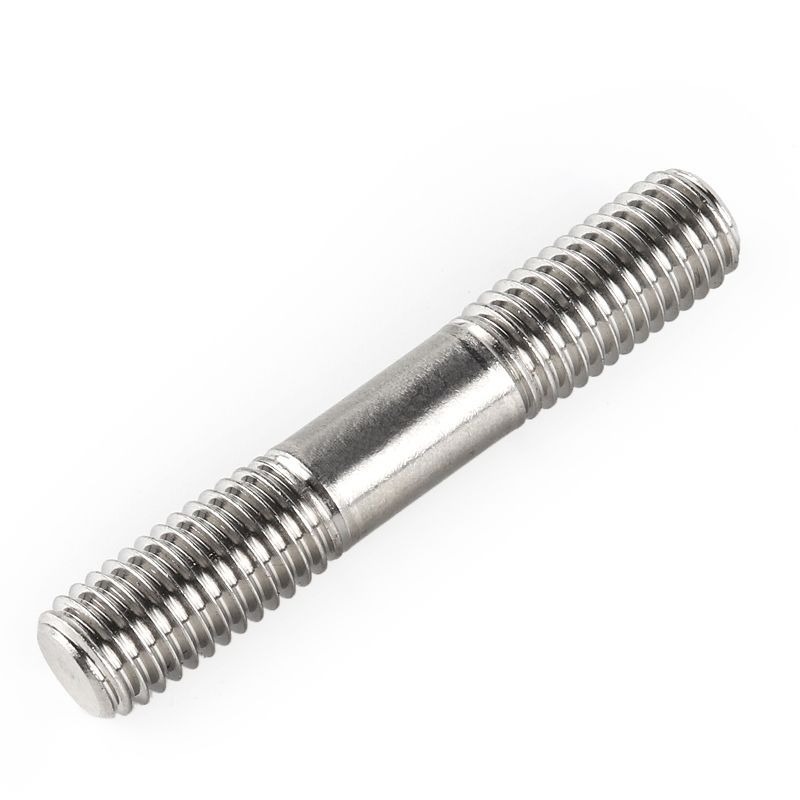
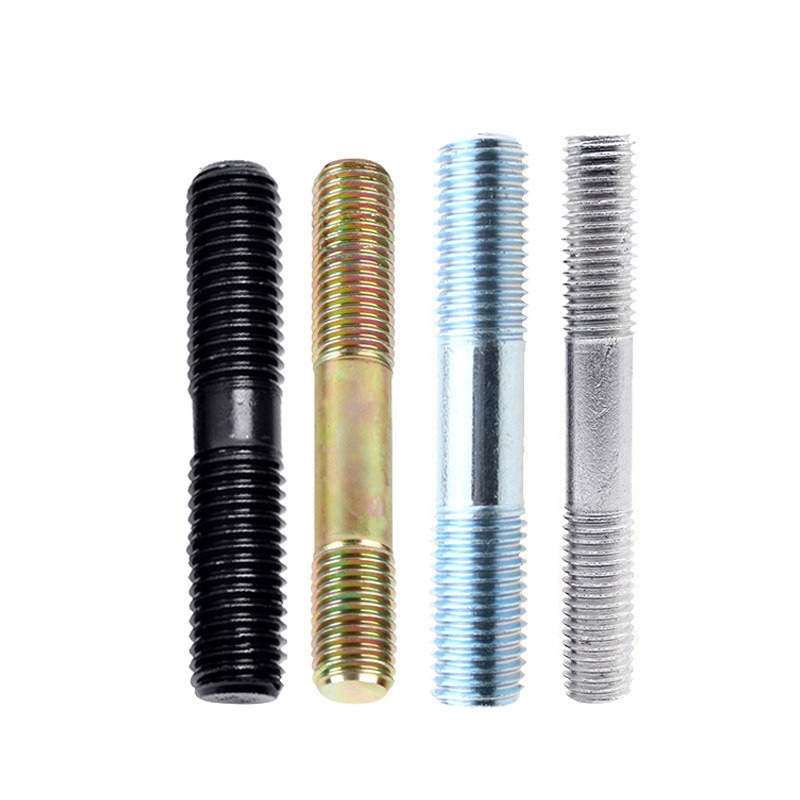
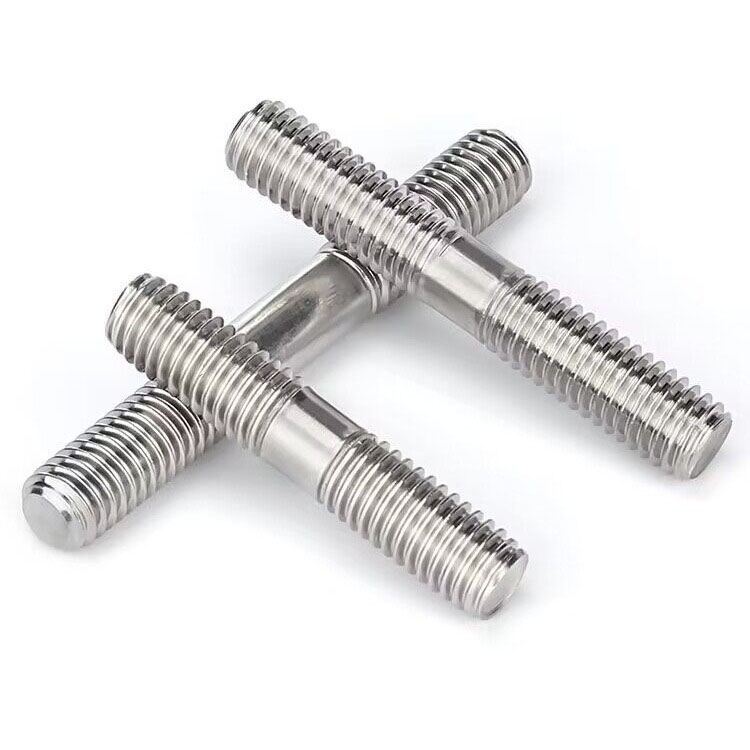
Stainless steel studs are threaded fastening components designed to join, support, or secure parts in construction, manufacturing, automotive, marine, and maintenance work. These stainless steel studs typically feature external threads on one or both ends, allowing users to connect nuts, brackets, panels, flanges, or machine parts without relying on a conventional bolt head. Stainless steel studs are available in different diameters, lengths, thread patterns, and grades to match load requirements and installation conditions. Their main function is to create a firm, repeatable connection that remains stable under vibration, pressure, temperature change, and regular servicing. For projects exposed to moisture, chemicals, salt, or outdoor weather, stainless steel studs provide dependable protection against rust and surface damage. Because stainless steel studs maintain their shape and thread quality over time, they support safer assembly and easier future removal. Many stainless steel studs use grades such as 304 or 316, with 316 offering stronger resistance in marine or highly corrosive environments. Buyers can choose fully threaded or partially threaded designs according to the required grip and adjustment range. When selected with the correct nuts and washers, stainless steel studs can distribute clamping force evenly and reduce the risk of joint movement. During installation, stainless steel studs allow accurate positioning before final tightening, which helps improve assembly consistency. Overall, stainless steel studs offer a durable, clean, and versatile fastening solution for demanding applications where long service life matters.
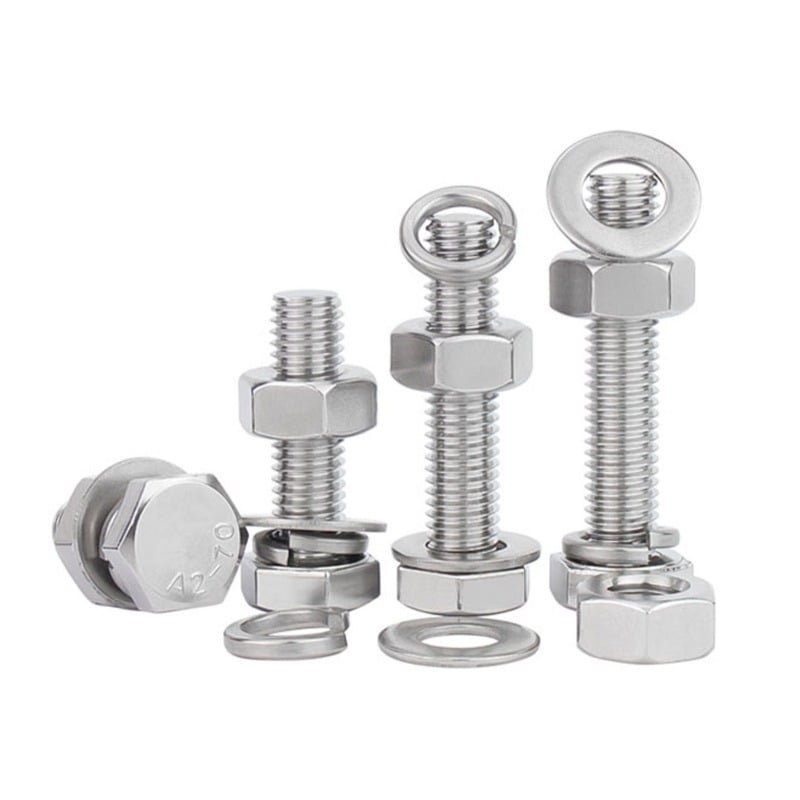
Stainless steel studs give buyers a practical combination of strength, corrosion resistance, and installation flexibility. Stainless steel studs resist rust better than ordinary carbon steel fasteners, so they suit wet rooms, food-processing areas, coastal facilities, outdoor equipment, and chemical-handling environments. This resistance helps preserve the connection and reduces the need for early replacement. That strength also supports reliable clamping in frames, machinery, pipe systems, and structural assemblies. Unlike headed bolts, stainless steel studs can remain installed while a connected component is removed and replaced, saving time during inspection or repair. Stainless steel studs also make it easier to align parts because users can position the component over the exposed threads before adding a nut. For buyers, this can shorten installation time and reduce the number of tools needed on site. Because stainless steel studs are available in many sizes and thread formats, customers can select a product that matches existing hardware instead of redesigning the entire joint. Maintenance teams benefit from predictable access, especially where repeated servicing makes permanent studs more convenient than loose bolts. In addition, the smooth, clean appearance of stainless steel studs suits visible equipment, architectural panels, sanitary installations, and premium finished products. These stainless steel studs perform across indoor and outdoor settings, but buyers should match the grade, diameter, thread engagement, and tightening method to the actual load and environment. Choosing stainless steel studs from a consistent manufacturer can further improve fit, reduce installation errors, and support dependable stock control. The result is a fastening choice that balances purchase value with lower maintenance effort and longer operating life.

Practical Tips

Beyond Galvanizing: How the Sherardizing Process Builds Ultimate Protection for High-End Steel

21

Jul

Beyond Galvanizing: How the Sherardizing Process Builds Ultimate Protection for High-End Steel

Why Sherardizing outperforms galvanizing for high-end steel—extreme corrosion resistance, zero hydrogen embrittlement & self-healing protection.
View More
New Chapter in Sino-Ethiopian Trade Cooperation: Securing a Long-Term Fastener Procurement Agreement

21

Jul

New Chapter in Sino-Ethiopian Trade Cooperation: Securing a Long-Term Fastener Procurement Agreement

How China & Ethiopia secured a long-term fastener supply deal for East Africa's booming industrial sector. Discover reliability, scalability & global impact.
View More
Full Container Ready for Shipment! Premium Fasteners Bound for the U.S. Industrial Market

21

Jul

Full Container Ready for Shipment! Premium Fasteners Bound for the U.S. Industrial Market

Need reliable, ocean-ready fasteners for U.S. industrial buyers? Our full-container shipment delivers certified quality, export-optimized packaging & seamless logistics.
View More

Get a Free Quote

Our representative will contact you soon.
0/1000
Corrosion Resistance for Demanding Environments

Corrosion Resistance for Demanding Environments

Stainless steel studs deliver strong protection where moisture, condensation, salt, or cleaning chemicals could weaken ordinary fasteners. Stainless steel studs made from 304 grade suit many general indoor and outdoor applications, while 316 grade offers added protection for marine sites, coastal structures, processing plants, and areas exposed to aggressive chemicals. This feature matters because corrosion can reduce thread accuracy, weaken clamping force, and make later removal difficult. For equipment owners, stainless steel studs help preserve joint performance without frequent coating work or replacement. Because stainless steel studs keep a clean surface, they also support professional appearance and easier routine inspection. When paired with compatible nuts and washers, they create a balanced fastening system that limits damage caused by moisture. Buyers should still consider the surrounding material and avoid unsuitable combinations that may cause galvanic corrosion. With the right grade, stainless steel studs give customers a durable solution that protects uptime, reduces maintenance interruptions, and performs reliably in harsh service conditions.
Flexible Threaded Design for Efficient Assembly

Flexible Threaded Design for Efficient Assembly

The threaded format of stainless steel studs supports fast, controlled assembly across many product designs. Stainless steel studs can be fully threaded for adjustable positioning or partially threaded when a fixed shoulder and defined grip are needed. This choice lets engineers and installers match the fastener to the joint rather than forcing one standard design into every application. Stainless steel studs are also useful when access to the rear of a component is limited, because an installed stud provides a fixed point for placing panels, covers, flanges, or brackets. For production teams, this arrangement can improve repeatability and reduce dropped hardware during assembly. Because stainless steel studs accept nuts and washers from the exposed side, they can simplify servicing and component replacement. The available range of diameters, lengths, and thread pitches supports both light-duty equipment and demanding mechanical connections. Selecting stainless steel studs with the correct engagement length helps avoid stripped threads and uneven clamping. This flexibility brings practical value through quicker installation, easier alignment, and more consistent finished assemblies.
Reliable Strength and Long Service Life

Reliable Strength and Long Service Life

Stainless steel studs provide a stable connection for assemblies that face vibration, repeated loading, temperature variation, or regular maintenance. Stainless steel studs maintain useful thread strength when customers select the proper diameter, grade, and engagement for the working load. Their fixed position can also improve joint consistency, since installers tighten the nut against a predictable fastening point instead of handling a loose bolt in a restricted space. Stainless steel studs are well suited to machinery housings, pipe supports, vehicle components, renewable-energy equipment, and structural panels. For operators, dependable clamping helps reduce movement, noise, loosening, and unplanned downtime. Because stainless steel studs can remain in place during repeated service, technicians may remove and reinstall connected parts with less disruption to the base assembly. Buyers should follow recommended torque practices and use compatible hardware to protect the threads and achieve the intended load. Properly specified stainless steel studs therefore combine durable material performance with convenient maintenance. The result is a connection that supports longer equipment life, safer operation, and better value over the full service period.