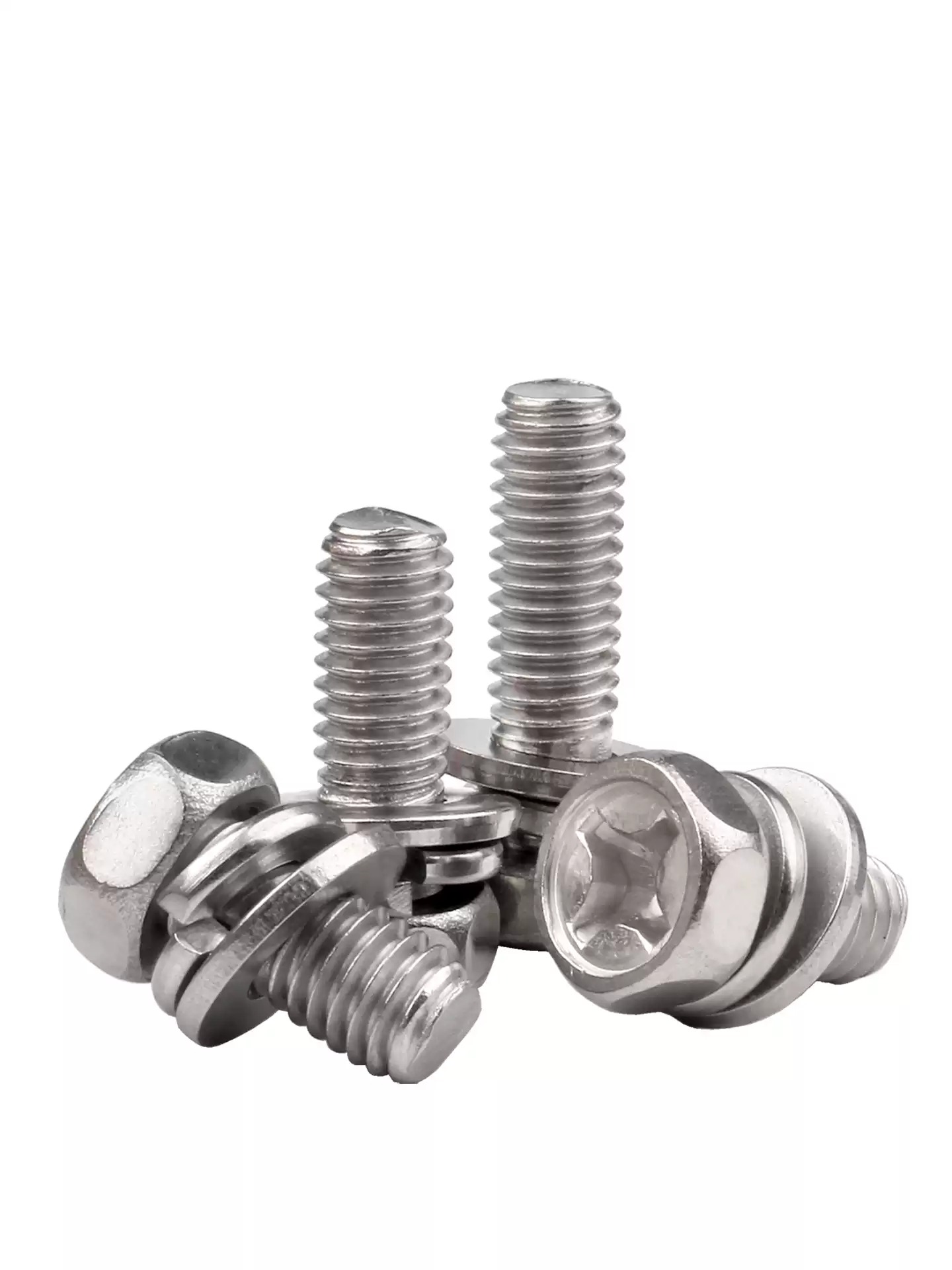
Flat and Lock Washer | Secure Fastening

application/flat-and-lock-washer, application/flat-and-lock-washer, 
Inquiry
Inquiry

flat and lock washer

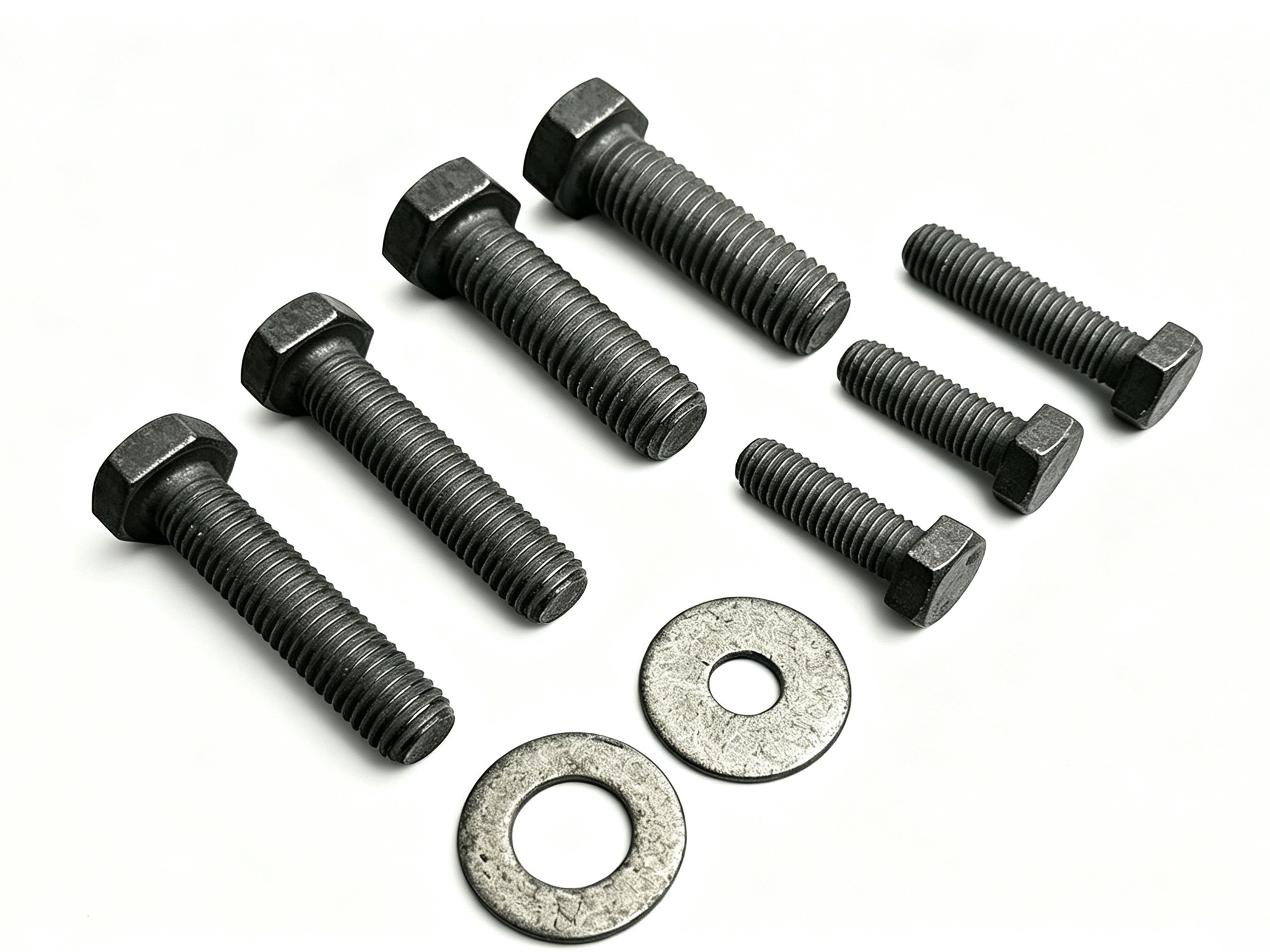
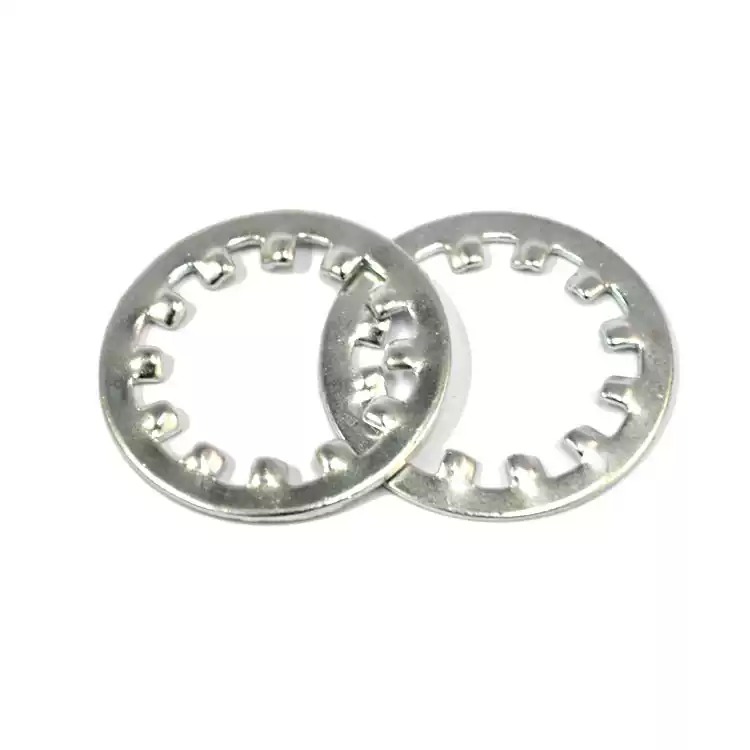
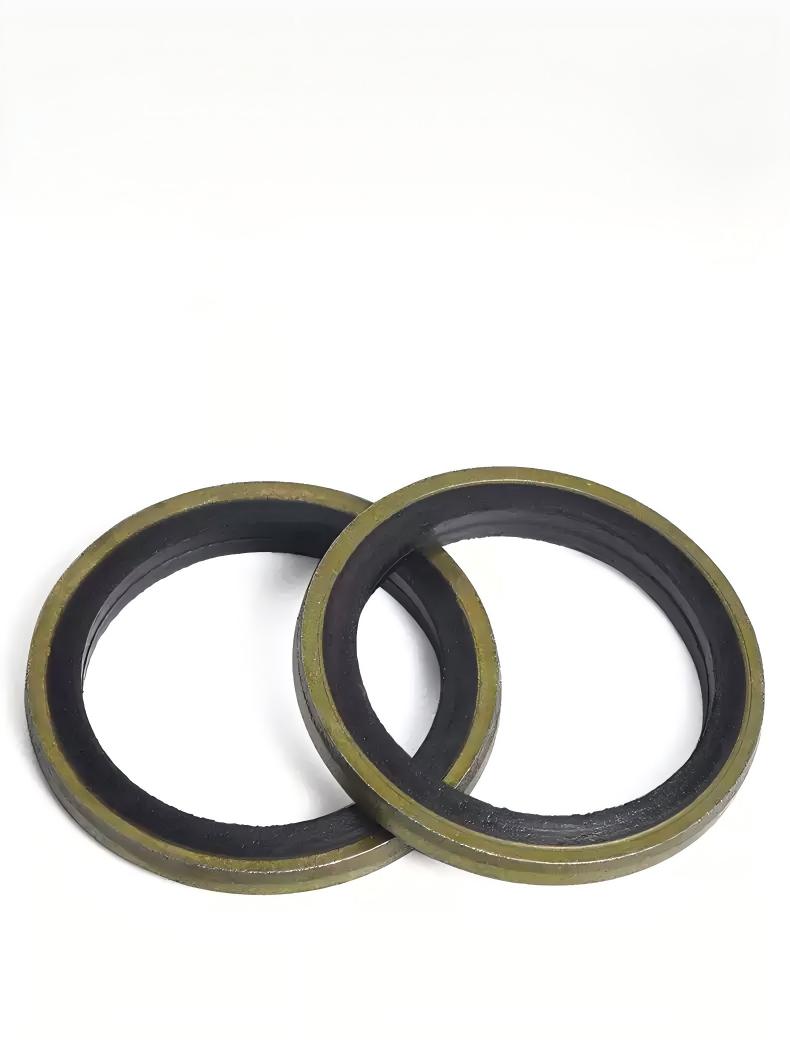
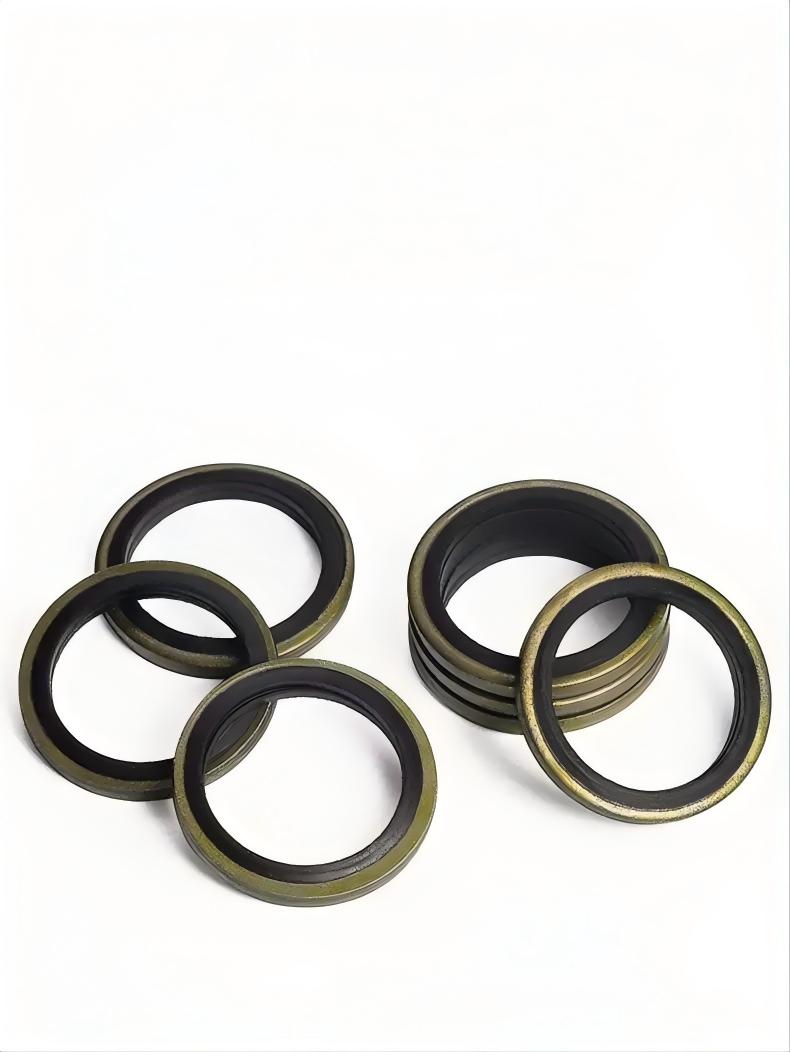
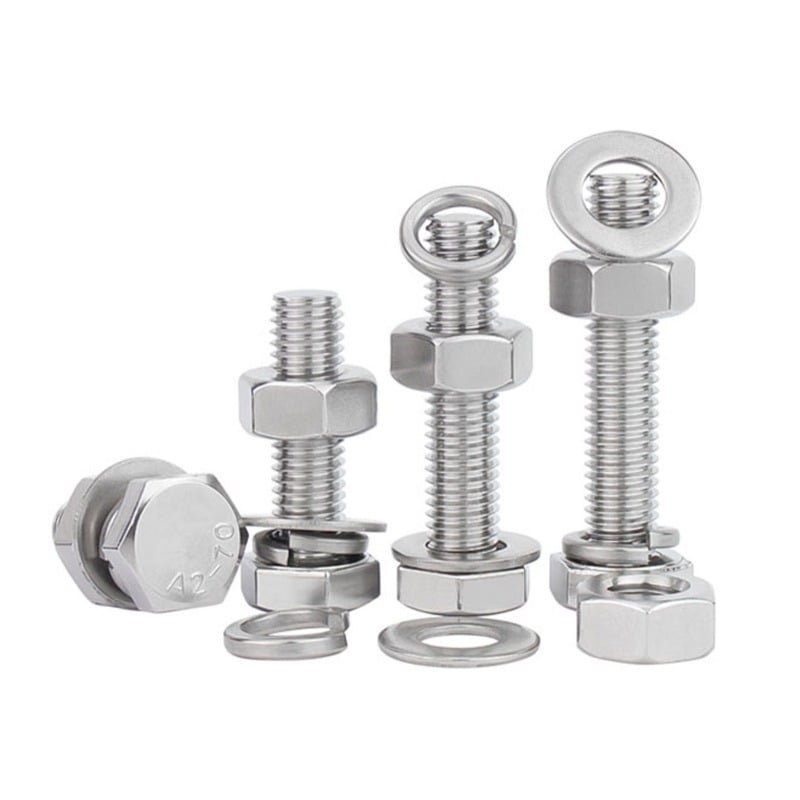
A flat and lock washer is a practical fastening accessory designed to support, secure, and protect bolted joints. The flat washer spreads clamping force across a wider surface, while the lock washer helps resist loosening caused by vibration, movement, or repeated load changes. Used together, a flat and lock washer creates a simple, dependable solution for many assembly tasks. A flat and lock washer also helps prevent the bolt head or nut from pressing directly into the workpiece. This reduces surface damage, limits indentation, and improves load distribution on metal, wood, plastic, and composite materials. The flat and lock washer is available in different inner diameters, outer diameters, thicknesses, and profiles to suit specific bolt sizes and joint designs. Common materials include carbon steel, stainless steel, zinc-plated steel, brass, and other corrosion-resistant alloys. Surface treatments can improve rust resistance, appearance, and service life in demanding environments. A flat and lock washer can feature a smooth circular face, a split locking section, external teeth, internal teeth, or other anti-rotation designs. The correct selection depends on bolt size, tightening force, vibration level, temperature, exposure, and base material. In general, a flat and lock washer provides a low-cost way to improve joint reliability without changing the main fastener. It supports faster installation, easier maintenance, and better protection for connected components. From machinery and vehicles to furniture, electrical equipment, construction frames, and household repairs, a flat and lock washer offers a compact solution for secure, balanced fastening.
Choosing a flat and lock washer gives buyers an affordable way to improve the performance of ordinary bolts and nuts. The flat and lock washer distributes pressure over a broader area, which helps prevent the fastener from sinking into soft material or marking a finished surface. This benefit is especially useful when joining thin sheet metal, painted panels, timber, plastic housings, or lightweight frames. The flat and lock washer also adds resistance to turning. In assemblies exposed to vibration, the locking section increases friction and helps the nut or bolt stay in position. This can reduce unplanned adjustments, noise, loose components, and maintenance visits. A flat and lock washer supports more consistent tightening because the flat face creates a stable contact point under the fastener. The flat and lock washer can also protect the joint from wear when parts expand, contract, or move slightly during operation. Buyers can select stainless steel for moisture, outdoor, or chemical exposure, plated steel for general industrial use, or standard steel for economical indoor projects. A flat and lock washer is simple to install with common hand tools and does not usually require special training. Its familiar design also makes replacement and stock control easy. The flat and lock washer suits repairs, production lines, equipment servicing, structural assemblies, electrical cabinets, automotive parts, agricultural machinery, and general maintenance. Because the flat and lock washer is available in many sizes, users can match the product to the bolt diameter and available clearance. It is important to choose a suitable thickness and material rather than treating every washer as interchangeable. For high-temperature, highly critical, or heavily loaded joints, buyers should confirm the washer specification and the fastening instructions. In everyday applications, however, a flat and lock washer delivers strong practical value through better load sharing, improved resistance to loosening, surface protection, and low replacement cost.

Tips And Tricks

Beyond Galvanizing: How the Sherardizing Process Builds Ultimate Protection for High-End Steel

21

Jul

Beyond Galvanizing: How the Sherardizing Process Builds Ultimate Protection for High-End Steel

Why Sherardizing outperforms galvanizing for high-end steel—extreme corrosion resistance, zero hydrogen embrittlement & self-healing protection.
View More
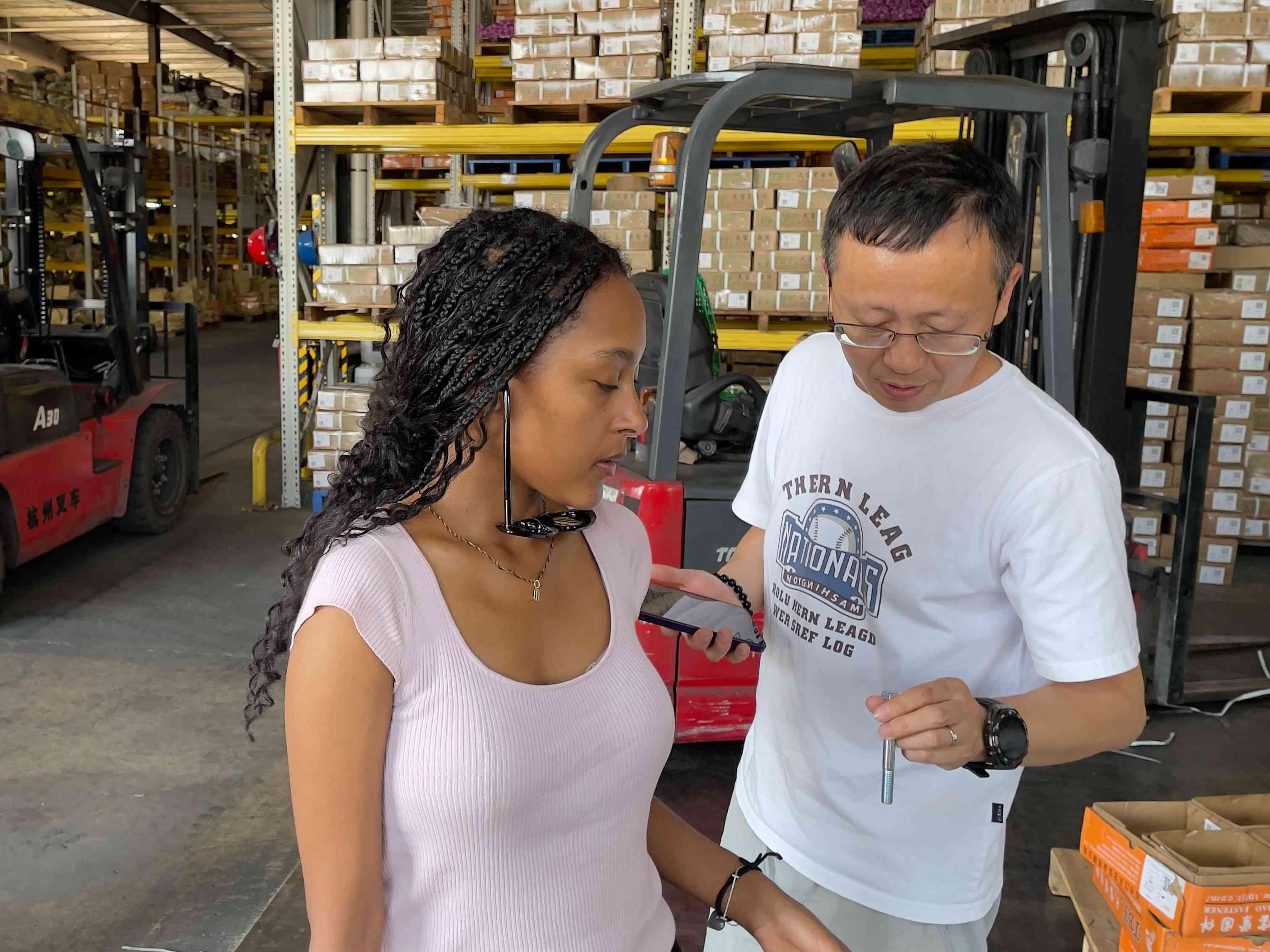
New Chapter in Sino-Ethiopian Trade Cooperation: Securing a Long-Term Fastener Procurement Agreement

21

Jul

New Chapter in Sino-Ethiopian Trade Cooperation: Securing a Long-Term Fastener Procurement Agreement

How China & Ethiopia secured a long-term fastener supply deal for East Africa's booming industrial sector. Discover reliability, scalability & global impact.
View More
Full Container Ready for Shipment! Premium Fasteners Bound for the U.S. Industrial Market

21

Jul

Full Container Ready for Shipment! Premium Fasteners Bound for the U.S. Industrial Market

Need reliable, ocean-ready fasteners for U.S. industrial buyers? Our full-container shipment delivers certified quality, export-optimized packaging & seamless logistics.
View More

Get a Free Quote

Our representative will contact you soon.
0/1000
Two-Part Protection in One Practical Fastening Solution

Two-Part Protection in One Practical Fastening Solution

The main advantage of a flat and lock washer is the way two functions work together. The flat portion spreads tightening force across the joint, while the locking portion helps resist rotation. A flat and lock washer therefore protects the contact surface and supports fastening stability at the same time. This design reduces the need to purchase or install separate fastening accessories. A flat and lock washer is useful when a bolt passes through a hole that is larger than the bolt head, or when the base material could deform under pressure. A flat and lock washer also creates a predictable seating surface, which helps installers apply force more evenly. In service, a flat and lock washer can reduce the chance of a joint becoming loose after vibration or repeated movement. The combined format saves assembly space and simplifies product selection. For buyers, a flat and lock washer offers dependable everyday performance without adding complex parts or difficult procedures.
Material Choices for Different Working Conditions

Material Choices for Different Working Conditions

Material selection gives the flat and lock washer broad application flexibility. A flat and lock washer made from stainless steel provides strong resistance to moisture and rust, making it suitable for outdoor equipment, marine areas, food-related machinery, and damp facilities. Zinc-plated steel offers a useful balance between cost, strength, and basic corrosion protection for indoor equipment and general manufacturing. A flat and lock washer made from carbon steel can provide economical support for routine assemblies where exposure is limited. Brass or other specialist materials may suit electrical, decorative, or compatibility-sensitive applications. The right flat and lock washer material helps extend service life and reduces replacement work. Buyers should consider humidity, chemicals, temperature, electrical contact, and the risk of galvanic corrosion when matching washer and fastener materials. A flat and lock washer can also be supplied in different thicknesses and finishes, allowing users to balance strength, appearance, clearance, and budget. This choice makes the product suitable for both simple repairs and organized production.
Easy Installation and Reliable Maintenance Value

Easy Installation and Reliable Maintenance Value

A flat and lock washer supports efficient installation because workers can place it directly over the bolt or beneath the nut before tightening. The flat and lock washer requires no complex setup, special equipment, or unusual maintenance routine. This straightforward process helps reduce assembly time and makes the part suitable for production teams, contractors, technicians, and home users. A flat and lock washer is also easy to inspect during scheduled maintenance. Staff can check whether the joint remains tight, whether the washer shows corrosion, and whether the surrounding surface has developed damage. If replacement becomes necessary, a flat and lock washer is widely available in standard dimensions, which helps limit downtime. The flat and lock washer also supports better inventory planning because many sizes serve common bolt systems. For buyers, this means lower labor demands, simpler repairs, and dependable availability. Used in machinery, transport equipment, cabinets, frames, appliances, and general hardware, a flat and lock washer provides practical value across many fastening tasks.