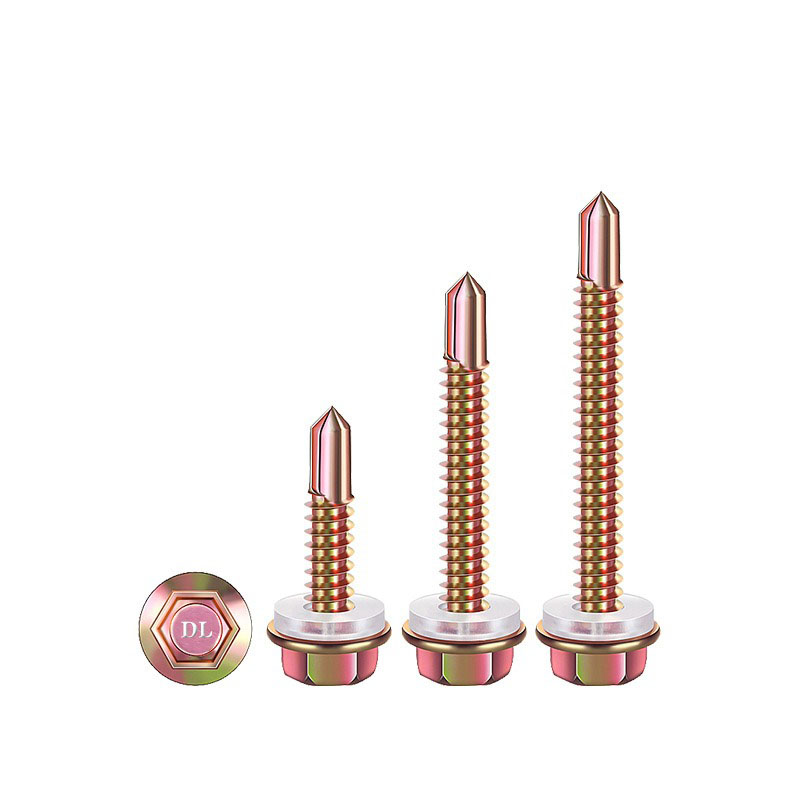
Wire Locking Nuts for Secure Fastening

application/wire-locking-nuts, application/wire-locking-nuts, 
Inquiry
Inquiry

wire locking nuts

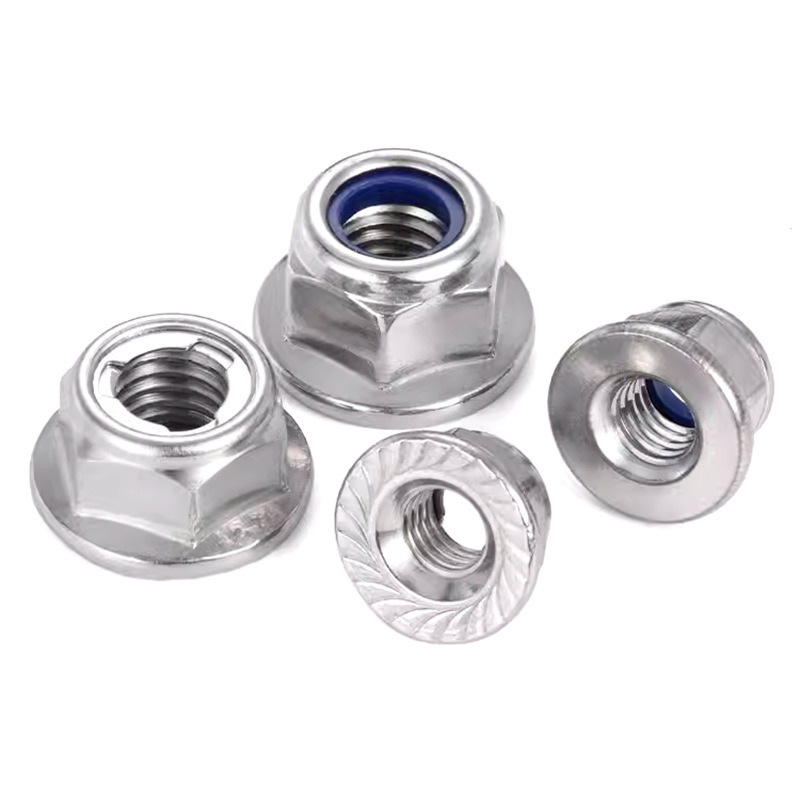
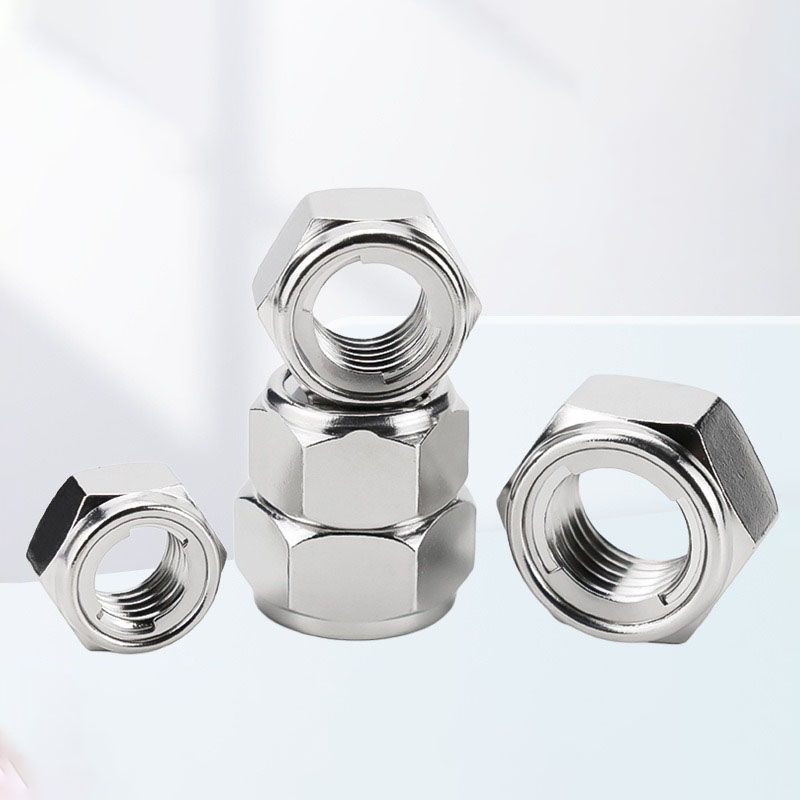
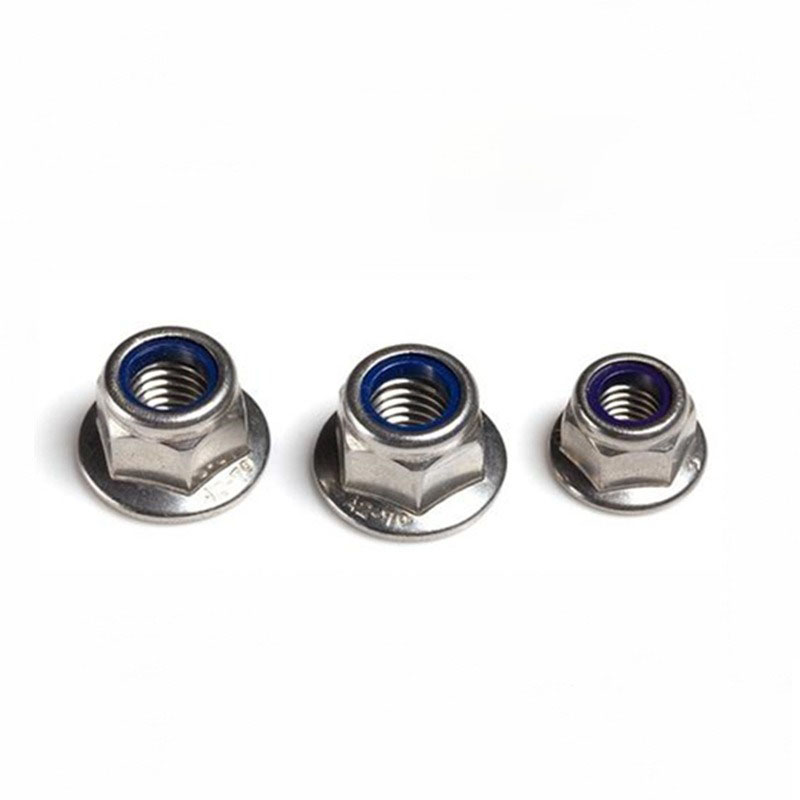
Wire locking nuts are fastening components designed to keep a bolted joint secure when equipment faces vibration, movement, or repeated loading. They combine a standard nut body with a built-in wire locking feature that holds the nut against unwanted rotation. This design gives wire locking nuts a practical advantage over ordinary nuts in assemblies where loosening could cause noise, damage, downtime, or safety concerns. Unlike chemical adhesives, wire locking nuts need no curing time and remain easy to remove during service. When the fastener is tightened, the locking element creates controlled resistance between the nut and bolt. These wire locking nuts help maintain clamping force while allowing technicians to use familiar tools and installation methods. The locking action works across many bolt sizes, materials, and thread types, depending on the selected model. Manufacturers may produce wire locking nuts from carbon steel, stainless steel, or other engineered alloys to match strength, corrosion, temperature, and environmental requirements. Protective finishes can further improve service life in outdoor or industrial conditions. Wire locking nuts are commonly used in engines, pumps, gearboxes, machinery frames, rail equipment, agricultural systems, and vehicle assemblies. In maintenance work, wire locking nuts support faster inspection because technicians can check the visible locking feature and retighten or replace the part as needed. For buyers, wire locking nuts offer a dependable balance of security, accessibility, and installation simplicity. Selecting the correct thread size, material, strength grade, and temperature rating ensures the fastener performs as intended. Overall, wire locking nuts provide a straightforward way to protect critical joints without adding complex installation equipment.
Wire locking nuts give buyers a practical way to reduce fastener movement in demanding assemblies. Their main benefit is joint security. As machinery vibrates or cycles through changing loads, wire locking nuts resist self-loosening and help keep the original tightening force in place. This can reduce unplanned adjustments, component wear, and service interruptions. For equipment owners, that protection can lower maintenance costs and improve operating confidence. Wire locking nuts also simplify installation. A technician can fit them with standard hand tools, without applying liquid threadlocker, waiting for a chemical cure, or cleaning adhesive residue. That makes them useful for repair teams that need a quick return to service. Wire locking nuts support straightforward removal as well. When inspection or replacement becomes necessary, workers can loosen the joint without damaging cured compound or surrounding surfaces. The design suits applications where regular access matters, including pumps, motors, vehicle systems, production machinery, and outdoor equipment. Stainless versions of wire locking nuts can provide better resistance to moisture, salt, and mild chemicals, while plated steel options can offer a cost-effective choice for sheltered environments. Buyers should compare thread dimensions, strength rating, wire material, finish, and working temperature before ordering. This prevents mismatch and helps the product deliver reliable performance. Wire locking nuts can also reduce inventory complexity because one familiar fastening style may serve multiple equipment groups when sizes and ratings align. Their visible locking feature assists inspections, allowing maintenance staff to identify the retention method quickly. In safety-sensitive assemblies, wire locking nuts add useful protection, but correct torque and proper bolt engagement remain essential. In practical terms, they combine secure holding power, easy service, flexible application suitability, and predictable ownership value.

Tips And Tricks

Beyond Galvanizing: How the Sherardizing Process Builds Ultimate Protection for High-End Steel

21

Jul

Beyond Galvanizing: How the Sherardizing Process Builds Ultimate Protection for High-End Steel

Why Sherardizing outperforms galvanizing for high-end steel—extreme corrosion resistance, zero hydrogen embrittlement & self-healing protection.
View More
New Chapter in Sino-Ethiopian Trade Cooperation: Securing a Long-Term Fastener Procurement Agreement

21

Jul

New Chapter in Sino-Ethiopian Trade Cooperation: Securing a Long-Term Fastener Procurement Agreement

How China & Ethiopia secured a long-term fastener supply deal for East Africa's booming industrial sector. Discover reliability, scalability & global impact.
View More
Full Container Ready for Shipment! Premium Fasteners Bound for the U.S. Industrial Market

21

Jul

Full Container Ready for Shipment! Premium Fasteners Bound for the U.S. Industrial Market

Need reliable, ocean-ready fasteners for U.S. industrial buyers? Our full-container shipment delivers certified quality, export-optimized packaging & seamless logistics.
View More

Get a Free Quote

Our representative will contact you soon.
0/1000
Reliable Resistance to Vibration

Reliable Resistance to Vibration

The defining value of wire locking nuts is their ability to resist loosening caused by vibration and repeated movement. In a running motor, vehicle, pump, or production machine, ordinary nuts can gradually turn as loads change. Wire locking nuts create added holding resistance that helps keep the joint tight over time. This protects alignment, limits rattling, and reduces the chance that a loose fastener will damage nearby parts. For buyers, the benefit goes beyond the nut itself: more stable joints can mean fewer emergency inspections, less downtime, and more consistent equipment output. The retention feature works as part of the fastener, so users do not need a separate locking washer or adhesive in many applications. That can simplify purchasing and reduce assembly steps. Correct tightening remains important, but the built-in locking action provides an extra layer of protection when equipment operates continuously or in demanding conditions. Wire locking nuts are therefore a sensible choice for assemblies where joint stability directly affects reliability, safety, or service cost.
Fast Installation and Easy Service

Fast Installation and Easy Service

Wire locking nuts help maintenance teams work quickly because they fit familiar installation routines. Technicians can select the correct size, place the nut on the prepared bolt, and tighten it with standard equipment. Unlike liquid locking products, wire locking nuts do not require mixing, curing, or special cleaning before service can continue. This saves time during production repairs and planned maintenance. Their removable design also supports practical servicing. Workers can open a joint for inspection, replace a worn component, and install a new nut without scraping adhesive from the threads. The visible locking feature can make checks more direct, especially when teams follow scheduled inspection routes. These benefits make wire locking nuts useful for manufacturers, repair contractors, fleet operators, and plant managers who value predictable work procedures. Faster handling can reduce labor time while limiting delays to the wider operation. When stored in clearly labeled sizes, wire locking nuts also help teams respond efficiently to urgent repairs without introducing unfamiliar tools or complex instructions.
Material Choices for Different Environments

Material Choices for Different Environments

Wire locking nuts can match a wide range of operating conditions because manufacturers offer different metals, finishes, sizes, and strength levels. Stainless steel options suit equipment exposed to moisture, outdoor weather, washdown routines, or corrosive air. Plated steel models may provide strong performance at a lower purchase cost in cleaner, protected locations. This choice helps buyers avoid paying for unnecessary material while still meeting the demands of the application. Wire locking nuts can also support high-load assemblies when the selected grade matches the bolt and the required tightening force. For hot, wet, dusty, or chemically exposed environments, buyers can review the product temperature range, corrosion resistance, thread specification, and surface treatment before purchase. That information supports a more confident selection and reduces the risk of early replacement. The same general fastening concept can serve industrial machinery, transport equipment, agricultural tools, energy systems, and commercial products. By choosing the right construction, wire locking nuts provide durable joint protection while keeping procurement and maintenance decisions clear.