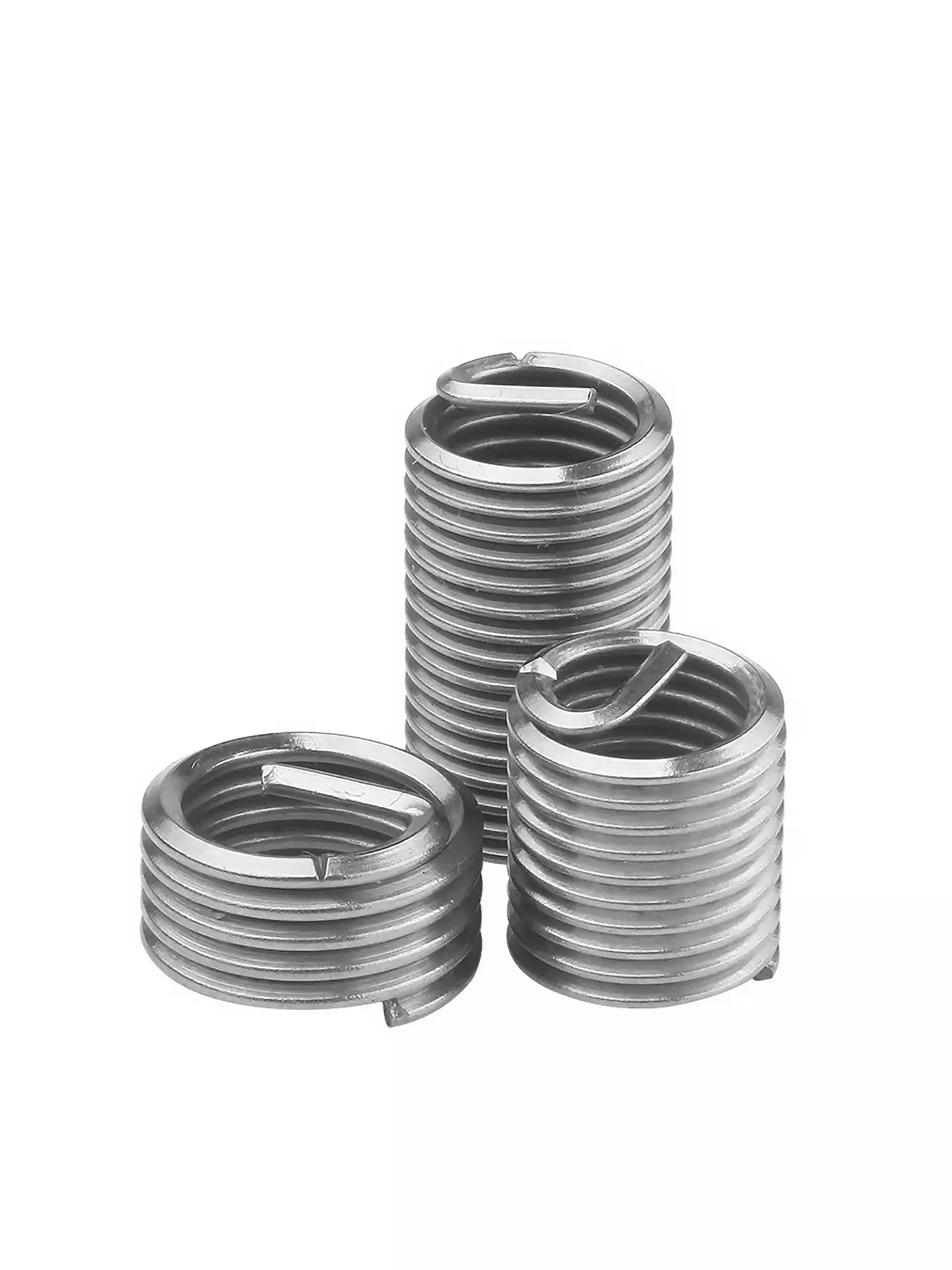
Metal Stud Anchors for Fast, Secure Fixing

application/metal-stud-anchors, application/metal-stud-anchors, 
Inquiry
Inquiry

metal stud anchors

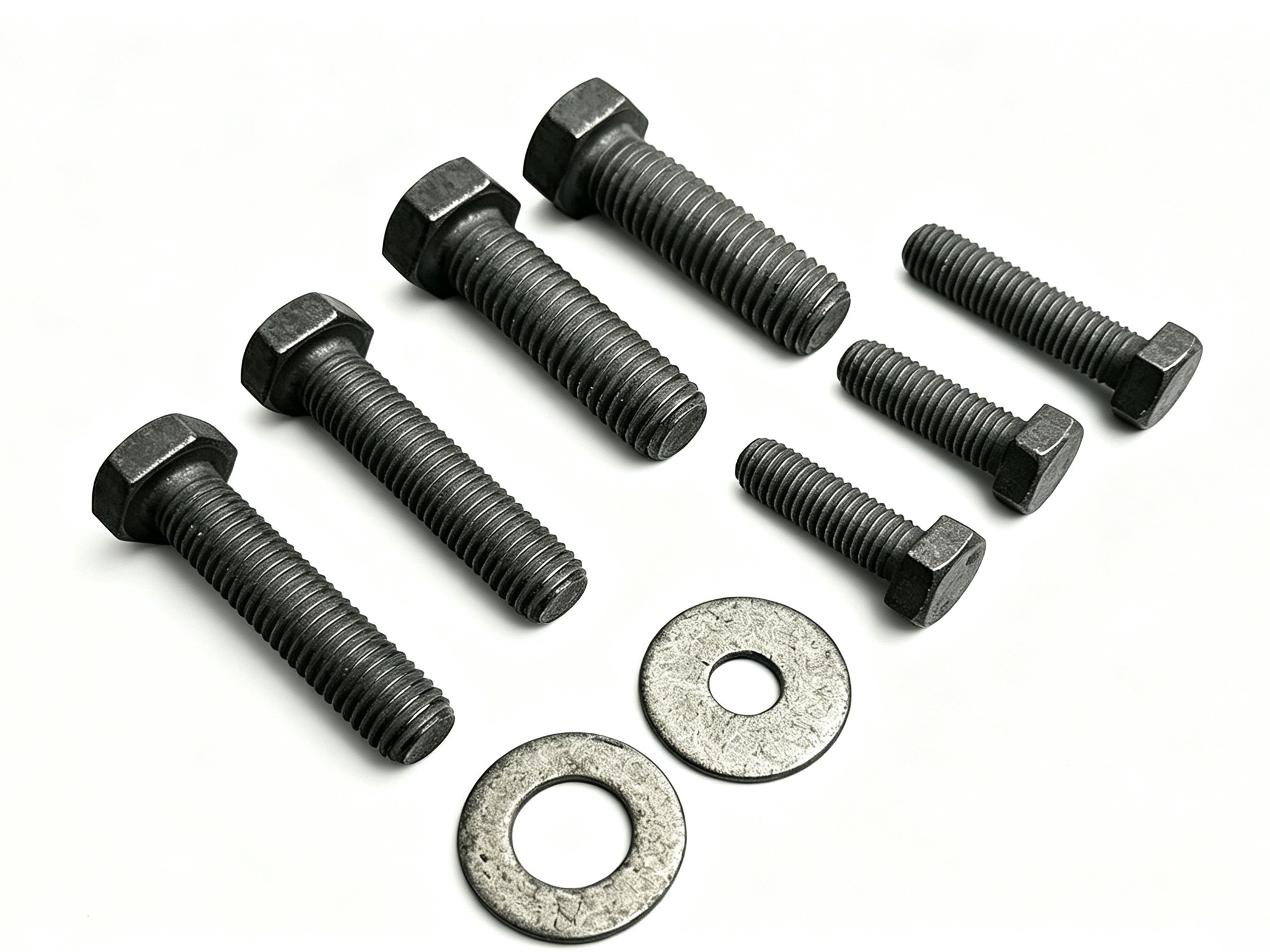
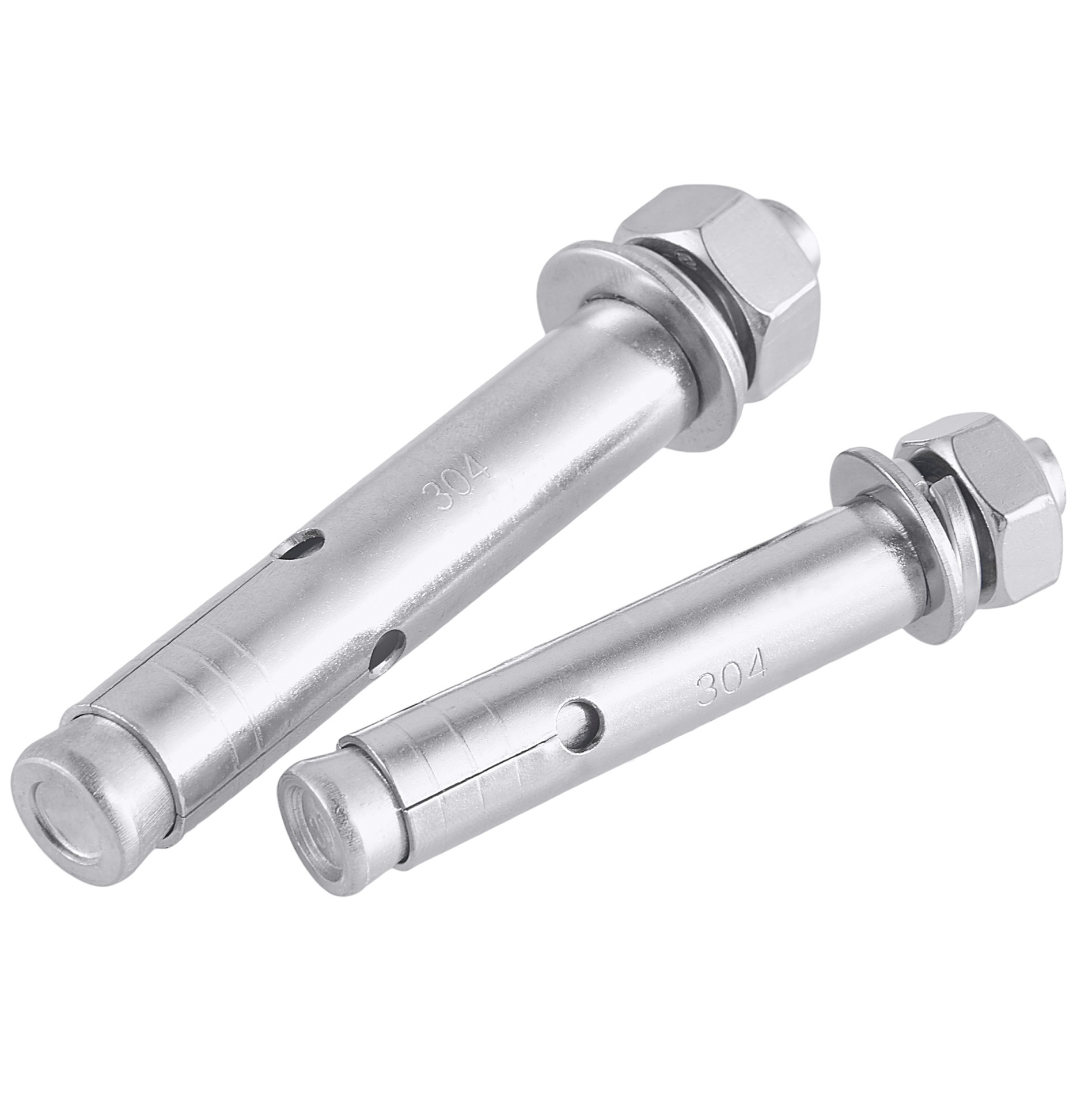
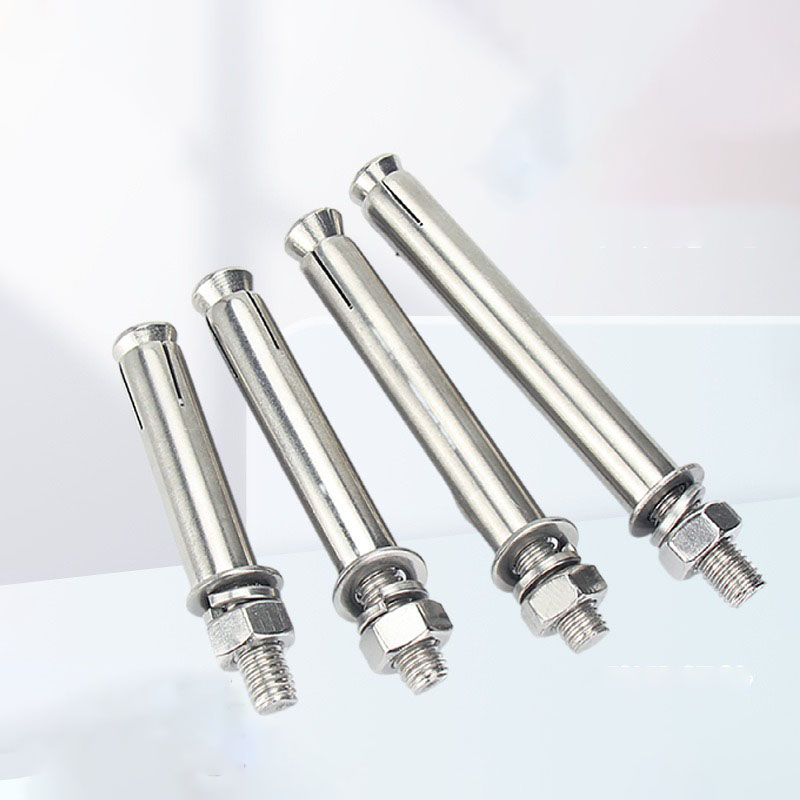
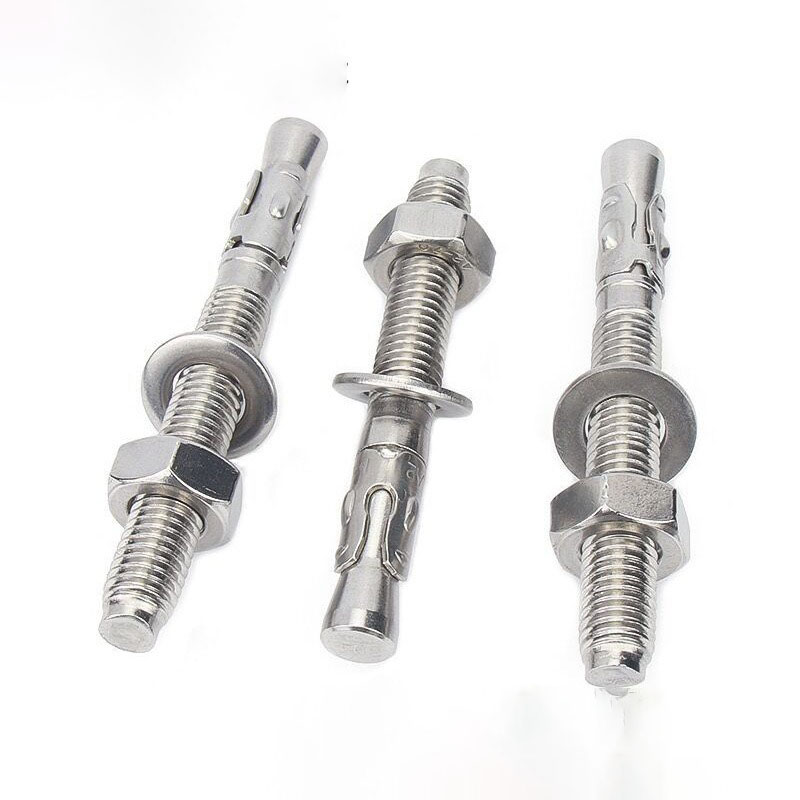
Metal stud anchors are fastening components designed to secure fixtures, panels, services, and light equipment to hollow metal stud walls. Each anchor creates a reliable fixing point where a screw cannot grip the thin steel alone. Metal stud anchors typically include a shaped body, expanding legs, a threaded section, or a self-drilling tip that locks behind or inside the stud. Their main function is to spread fixing force across the metal surface, helping prevent pull-out, movement, and damage during installation or use. Metal stud anchors support quick attachment of shelves, signs, cabinets, cable trays, wall boards, plumbing supports, and electrical accessories. Many metal stud anchors use zinc-plated steel, stainless steel, or corrosion-resistant alloys to suit indoor and demanding environments. Their technology may include self-tapping threads, winged expansion, spring-loaded movement, or a pre-positioning feature for easier placement. These metal stud anchors can be installed with common drills, drivers, or hand tools, reducing the need for specialist equipment. Product designs vary by stud thickness, fixture weight, screw size, and wall construction, so the correct model should match the expected load and substrate. Metal stud anchors work especially well in drywall systems, partition walls, suspended ceilings, modular buildings, and renovation projects. They also help installers place fittings accurately without opening large sections of finished wall. For buyers, metal stud anchors provide a practical alternative to locating solid framing at every fixing point. They combine speed, controlled holding power, and compatibility with widely used metal framing systems, making them a dependable choice for construction, maintenance, and interior fit-out work.
Metal stud anchors give buyers a faster way to create secure fixing points in hollow metal framing. Instead of searching for a heavy structural member or adding timber support, installers can position metal stud anchors where the fixture needs to go. This saves labor, reduces wall disturbance, and supports cleaner project finishes. Metal stud anchors also help teams standardize installation because workers can use a repeatable method across rooms, floors, and building types. For contractors, that consistency can improve scheduling and reduce call-backs caused by loose fittings. A suitable anchor spreads the load rather than relying on a small screw thread in thin steel. As a result, metal stud anchors can deliver better resistance to vibration, pull-out, and everyday movement than basic screws alone. The benefit matters for signs, lighting accessories, shelves, service brackets, and other items that receive regular handling. Many metal stud anchors install from one side of the wall, which is valuable when the rear face is inaccessible or already finished. Self-drilling and self-tapping versions can further reduce preparation time and tool changes. Buyers can select compact models for light accessories or stronger designs for heavier supported items, provided they follow the stated load rating and installation instructions. Corrosion-resistant options support humid interiors, utility areas, and long service periods with less maintenance. Metal stud anchors are also useful during renovations because they work with existing partition systems and avoid extensive demolition. Their application range includes commercial offices, homes, retail spaces, hospitals, schools, and industrial interiors. When comparing products, consider stud gauge, anchor material, screw compatibility, fixture weight, wall lining thickness, and required safety margin. Choosing the right metal stud anchors improves installation confidence while protecting the substrate and controlling total project cost.

Latest News

Beyond Galvanizing: How the Sherardizing Process Builds Ultimate Protection for High-End Steel

21

Jul

Beyond Galvanizing: How the Sherardizing Process Builds Ultimate Protection for High-End Steel

Why Sherardizing outperforms galvanizing for high-end steel—extreme corrosion resistance, zero hydrogen embrittlement & self-healing protection.
View More
New Chapter in Sino-Ethiopian Trade Cooperation: Securing a Long-Term Fastener Procurement Agreement

21

Jul

New Chapter in Sino-Ethiopian Trade Cooperation: Securing a Long-Term Fastener Procurement Agreement

How China & Ethiopia secured a long-term fastener supply deal for East Africa's booming industrial sector. Discover reliability, scalability & global impact.
View More
Full Container Ready for Shipment! Premium Fasteners Bound for the U.S. Industrial Market

21

Jul

Full Container Ready for Shipment! Premium Fasteners Bound for the U.S. Industrial Market

Need reliable, ocean-ready fasteners for U.S. industrial buyers? Our full-container shipment delivers certified quality, export-optimized packaging & seamless logistics.
View More

Get a Free Quote

Our representative will contact you soon.
0/1000
Fast Installation With Less Wall Disruption

Fast Installation With Less Wall Disruption

Metal stud anchors help installers complete fixing work quickly, especially when access behind the wall is limited. Many metal stud anchors use a self-drilling point or a guided installation method that reduces separate pilot-hole steps. The installer can mark the position, drive the anchor, and attach the fixture with familiar tools. This simple sequence limits measuring errors and reduces time spent opening, repairing, or repainting finished surfaces. Metal stud anchors are well suited to renovation work because they create a fixing point without requiring broad access to the cavity. That advantage can lower labor cost and keep occupied spaces usable during maintenance. In larger projects, repeated use of the same installation process improves crew productivity and makes results more consistent from room to room. The design also supports accurate placement for shelves, brackets, signs, and services. For customers, the value is practical: faster completion, fewer disruptive repairs, and a cleaner appearance after installation. Always confirm the anchor suits the steel thickness and the selected screw before work begins.
Reliable Holding Power in Hollow Framing

Reliable Holding Power in Hollow Framing

A thin metal stud does not provide the same screw engagement as solid timber or concrete, but metal stud anchors are designed to solve that limitation. Their expansion legs, locking wings, or threaded bodies distribute force over a wider area of the framing. This helps metal stud anchors resist pull-out and movement when a mounted item experiences normal use, vibration, or repeated adjustment. The result is a more dependable fixing point than a basic screw driven directly into light-gauge steel. This feature is important for contractors who need predictable performance across partition walls and ceiling systems. It also gives property owners greater confidence that fittings will remain stable after installation. Metal stud anchors do not replace structural reinforcement for very heavy loads, so buyers should review product ratings and use additional support when required. Within their intended range, they offer a balanced combination of grip, controlled expansion, and simple fitting. Their load-spreading design can also reduce local deformation around the hole, helping preserve the wall finish. Selecting the correct model turns hollow framing into a useful, organized support surface.
Material Choices for Long-Term Service

Material Choices for Long-Term Service

Metal stud anchors are available in materials and finishes selected for different service conditions. Zinc-plated steel offers a practical solution for many dry indoor projects, while stainless steel or enhanced protective coatings can provide stronger resistance in humid, exposed, or maintenance-heavy areas. This choice allows buyers to match metal stud anchors to the environment instead of paying for unnecessary specification or accepting avoidable corrosion risk. A durable finish protects the anchor during storage, handling, and installation as well as throughout its working life. Material selection also affects strength, compatibility with screws, and suitability for nearby metals, so product information should be checked before purchase. In offices, homes, shops, and standard partition systems, general-purpose models may provide an efficient balance of price and performance. Utility rooms, coastal buildings, and damp service zones may justify corrosion-resistant options. Metal stud anchors with clear sizing information make it easier to select the right combination for stud thickness, lining depth, and fixture type. The result is fewer replacements, more dependable maintenance work, and a fixing solution that supports the expected life of the finished installation.