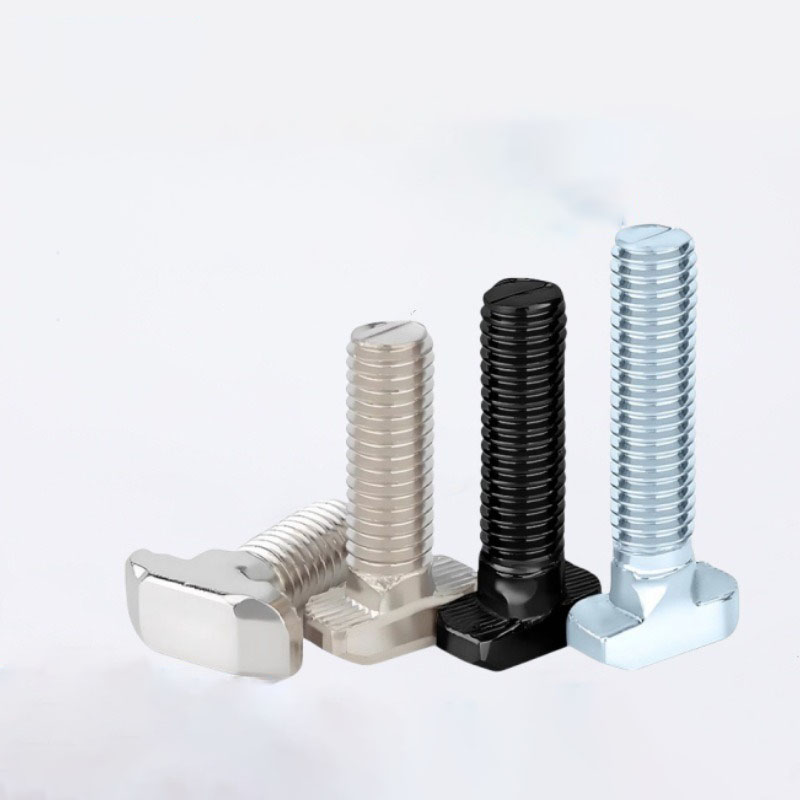
Steel Bolt Anchor for Secure Concrete Fixing

application/steel-bolt-anchor, application/steel-bolt-anchor, 
Inquiry
Inquiry

steel bolt anchor

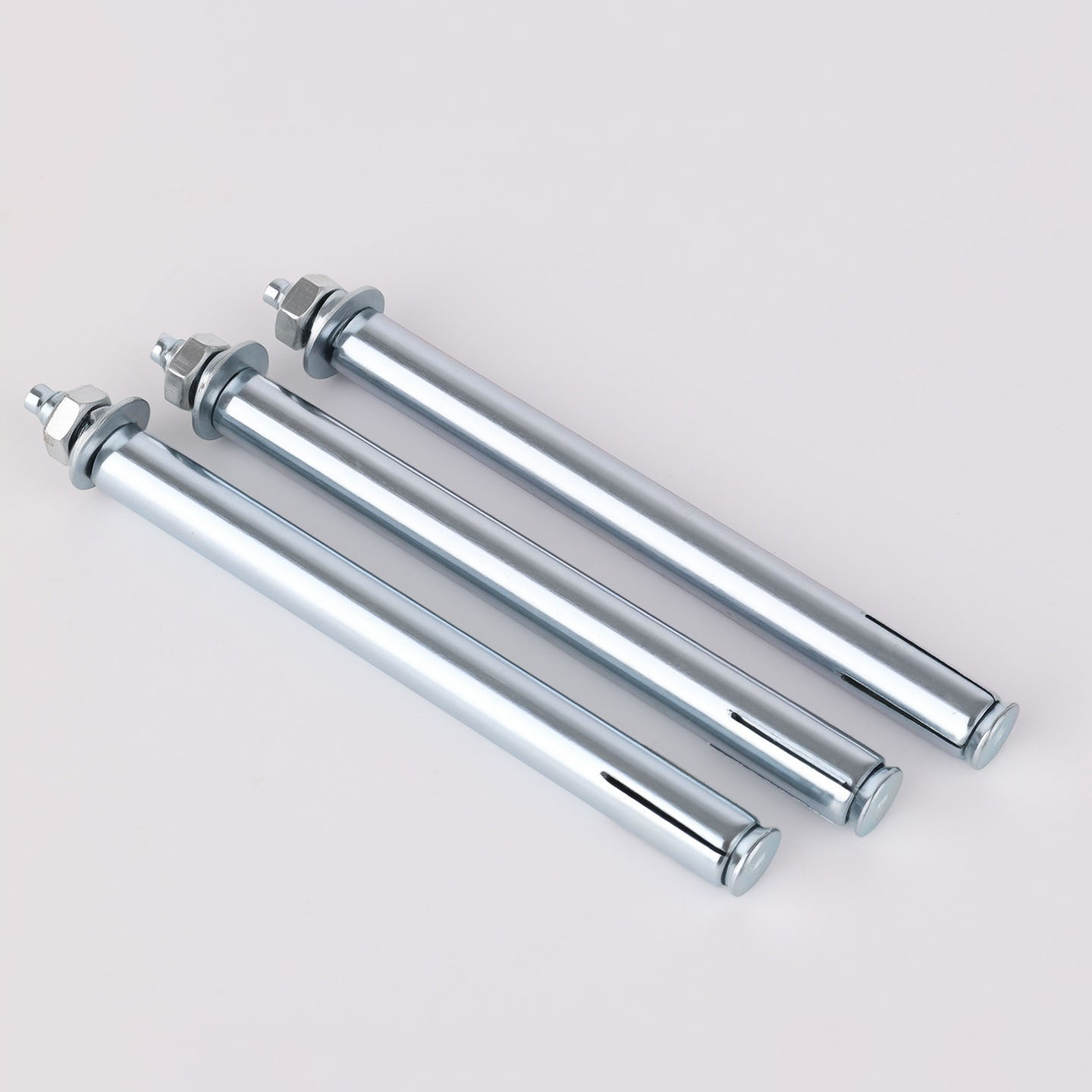
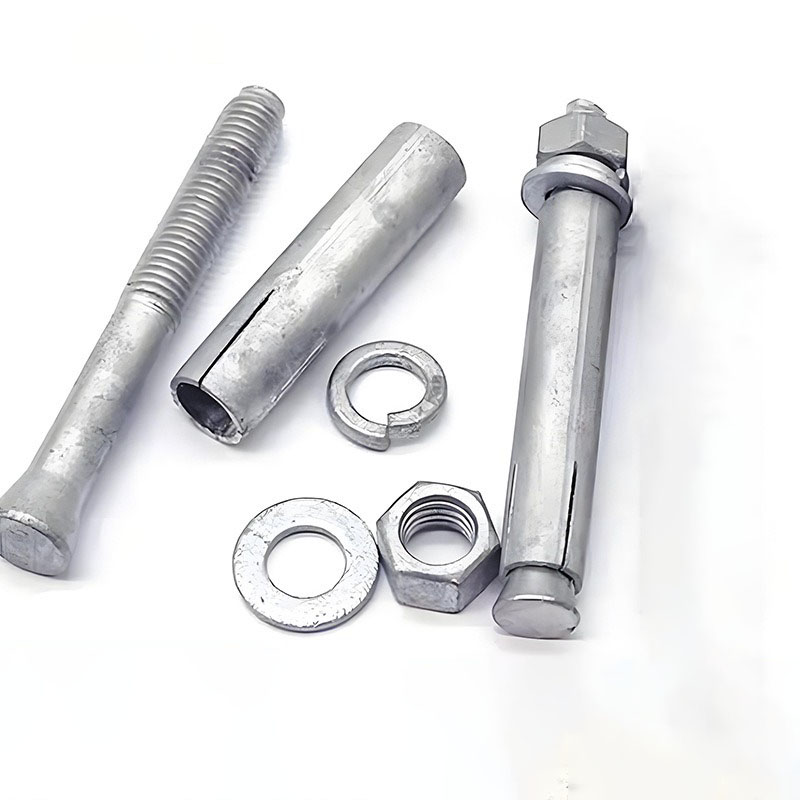
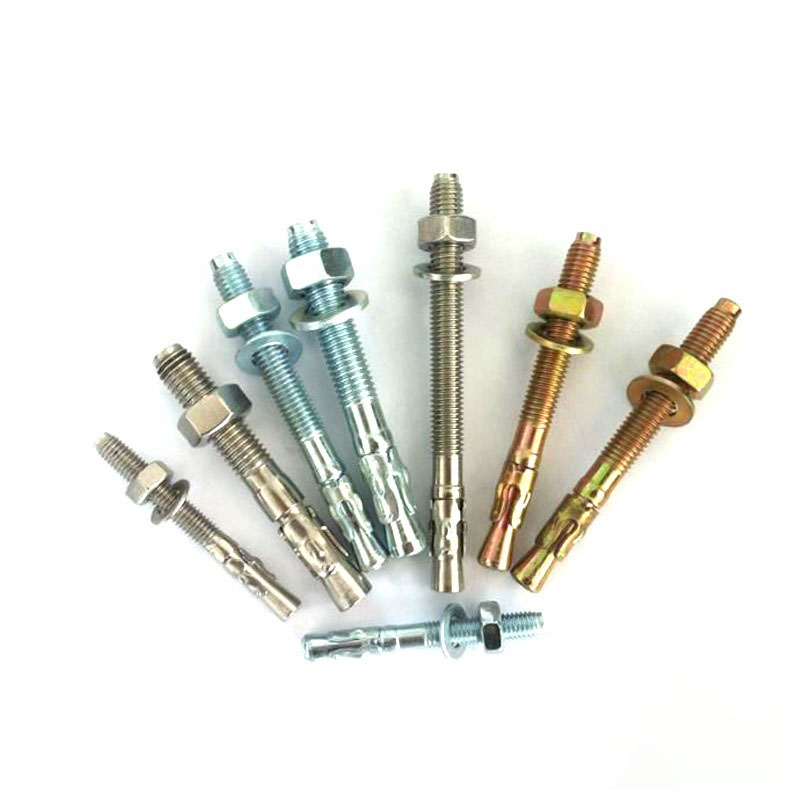
A steel bolt anchor is a mechanical fastener designed to secure materials to solid concrete, brick, stone, and other firm masonry surfaces. The steel bolt anchor creates a strong connection by expanding inside a drilled hole as the nut tightens. This action grips the surrounding material and helps hold fixtures in place under steady or changing loads. A steel bolt anchor typically includes a threaded bolt, expansion sleeve, nut, and washer, although designs may vary by load rating and installation method. The steel bolt anchor offers a practical alternative to cast-in fixings when workers need to add equipment after construction. Common models use zinc-plated or stainless steel to improve resistance to rust, moisture, and job-site wear. A steel bolt anchor may also feature a controlled expansion zone, clear thread engagement, and a washer that spreads pressure across the mounted item. During installation, the user drills a hole to the specified diameter and depth, cleans the hole, inserts the fastener, and tightens the nut with the recommended torque. The steel bolt anchor then locks against the inner wall of the hole. Many products support installation through base plates, brackets, rails, handrails, machinery supports, and structural frames. A steel bolt anchor works best when the base material has suitable strength and thickness. In renovation work, the steel bolt anchor helps installers position new services without removing large sections of finished construction. By selecting the correct size, material, embedment depth, and load rating, buyers can achieve a dependable connection with familiar tools and a clear installation process.
The main advantage of a steel bolt anchor is dependable holding power without complicated equipment. A steel bolt anchor lets installers attach rails, signs, supports, cabinets, barriers, and equipment directly to concrete or masonry. This saves time because teams can complete many fixing tasks with a drill, socket, and cleaning brush rather than waiting for embedded plates or special systems. A steel bolt anchor also supports fast project changes. Contractors can add or reposition fixtures after walls, floors, and slabs are complete, which makes the product useful for upgrades, repairs, and site maintenance. The steel bolt anchor provides visible thread engagement, so workers can check whether the nut has seated correctly before putting the connection into service. Its washer helps distribute pressure and protects the mounted surface from concentrated force. When customers choose stainless steel, they gain better protection in damp, coastal, food-processing, or outdoor settings. Zinc-coated options can offer economical protection for many indoor and sheltered applications. A steel bolt anchor is available in multiple diameters, lengths, and load capacities, allowing buyers to match the fastener to the fixture and base material instead of overspending on an unsuitable size. The steel bolt anchor also keeps installation steps familiar, reducing training needs and simplifying tool selection. For production work, consistent dimensions and repeatable tightening can improve fitting quality across many connection points. For maintenance teams, individual fasteners can be inspected, tightened, or replaced without dismantling an entire assembly. Buyers should still verify concrete strength, edge distance, spacing, hole size, embedment, and working load before ordering. The steel bolt anchor is most suitable for solid, sound material; cracked, weak, hollow, or damaged bases may require another fixing method. This practical fit between product design and application helps customers balance safety, speed, durability, and total project cost.

Tips And Tricks

Beyond Galvanizing: How the Sherardizing Process Builds Ultimate Protection for High-End Steel

21

Jul

Beyond Galvanizing: How the Sherardizing Process Builds Ultimate Protection for High-End Steel

Why Sherardizing outperforms galvanizing for high-end steel—extreme corrosion resistance, zero hydrogen embrittlement & self-healing protection.
View More
New Chapter in Sino-Ethiopian Trade Cooperation: Securing a Long-Term Fastener Procurement Agreement

21

Jul

New Chapter in Sino-Ethiopian Trade Cooperation: Securing a Long-Term Fastener Procurement Agreement

How China & Ethiopia secured a long-term fastener supply deal for East Africa's booming industrial sector. Discover reliability, scalability & global impact.
View More
Full Container Ready for Shipment! Premium Fasteners Bound for the U.S. Industrial Market

21

Jul

Full Container Ready for Shipment! Premium Fasteners Bound for the U.S. Industrial Market

Need reliable, ocean-ready fasteners for U.S. industrial buyers? Our full-container shipment delivers certified quality, export-optimized packaging & seamless logistics.
View More

Get a Free Quote

Our representative will contact you soon.
0/1000
Strong Expansion for Reliable Fixing

Strong Expansion for Reliable Fixing

A key selling point of the steel bolt anchor is its expansion action. As the nut tightens, the sleeve moves against the bolt and presses outward on the drilled hole. This creates a firm mechanical grip that does not depend on curing time or chemical bonding. The steel bolt anchor can therefore support efficient installation when a project needs immediate progress. Its grip helps secure brackets, machinery bases, guardrails, shelving, and service supports to solid construction. For buyers, this means fewer waiting periods and a more predictable work sequence. The steel bolt anchor also gives installers a clear tightening step, making the connection easier to verify than hidden or less familiar fixing methods. Correct hole preparation and torque remain important, but the process is straightforward for trained workers. By matching the fastener diameter and embedment to the required load, customers can obtain stable support while avoiding unnecessary material cost. This combination of mechanical grip, visible installation, and practical speed makes the product valuable for both new construction and repair work.
Material Choices for Different Environments

Material Choices for Different Environments

The steel bolt anchor offers material and finish options that help customers select protection for the working environment. Zinc-plated steel can provide a cost-effective solution for dry interiors and sheltered areas, while stainless steel better suits damp rooms, outdoor locations, coastal sites, and applications exposed to cleaning chemicals. This choice gives buyers control over service life and budget instead of forcing one finish for every project. A steel bolt anchor with a suitable corrosion-resistant surface can reduce early rust, preserve thread performance, and make later inspection easier. The steel bolt anchor also combines with washers and nuts designed for secure tightening, helping maintain contact between the fixture and base material. Customers should consider humidity, splash exposure, salt, temperature, and maintenance conditions before selecting a grade. In a controlled indoor setting, an economical finish may be sufficient. In a harsh environment, paying more for stainless protection may reduce replacement work and downtime. The steel bolt anchor therefore supports practical specification decisions based on real site conditions, expected life, appearance, and total ownership cost.
Fast Installation and Broad Application Range

Fast Installation and Broad Application Range

A further benefit of the steel bolt anchor is its broad usefulness across construction, maintenance, and industrial work. Installers can use the steel bolt anchor for base plates, handrails, cable trays, signs, equipment frames, barriers, pipe supports, and many other fixtures that meet the load requirements. The installation sequence is easy to plan: mark the position, drill the correct hole, remove dust, insert the fastener, and tighten the nut. Because the steel bolt anchor uses common drilling and socket tools, teams can often work without specialized equipment or lengthy training. This supports faster repairs and helps contractors keep labor schedules under control. The steel bolt anchor also allows later additions to finished concrete, which is valuable when building services or layouts change. Buyers gain flexibility without redesigning the entire structure. Before use, they should check base quality, hole depth, spacing, edge distance, and approved load data. When those conditions match the product specification, the fastener provides a practical balance of speed, strength, accessibility, and maintenance convenience for many fixing tasks.