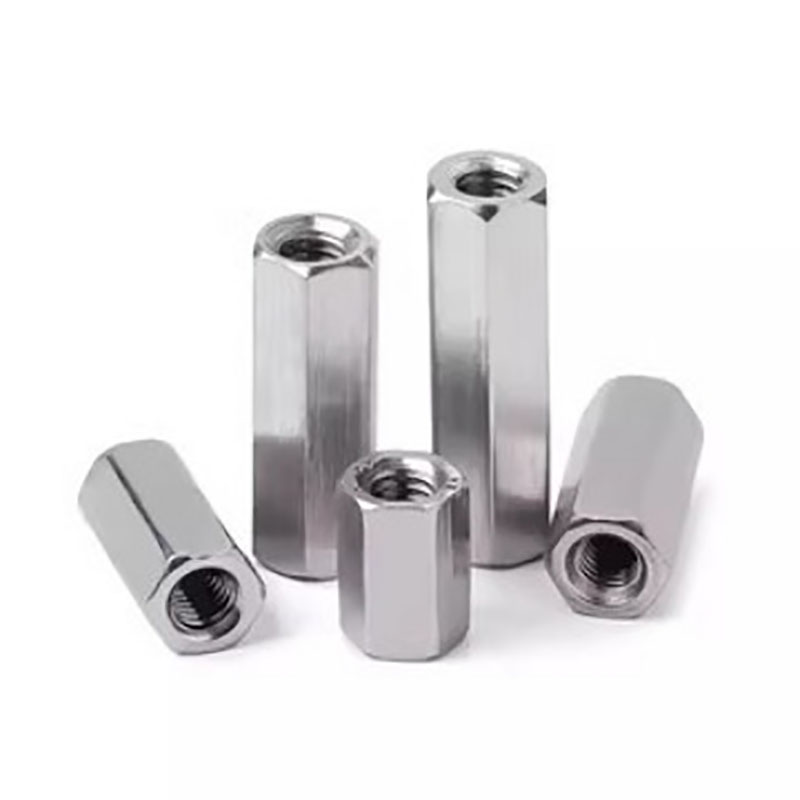
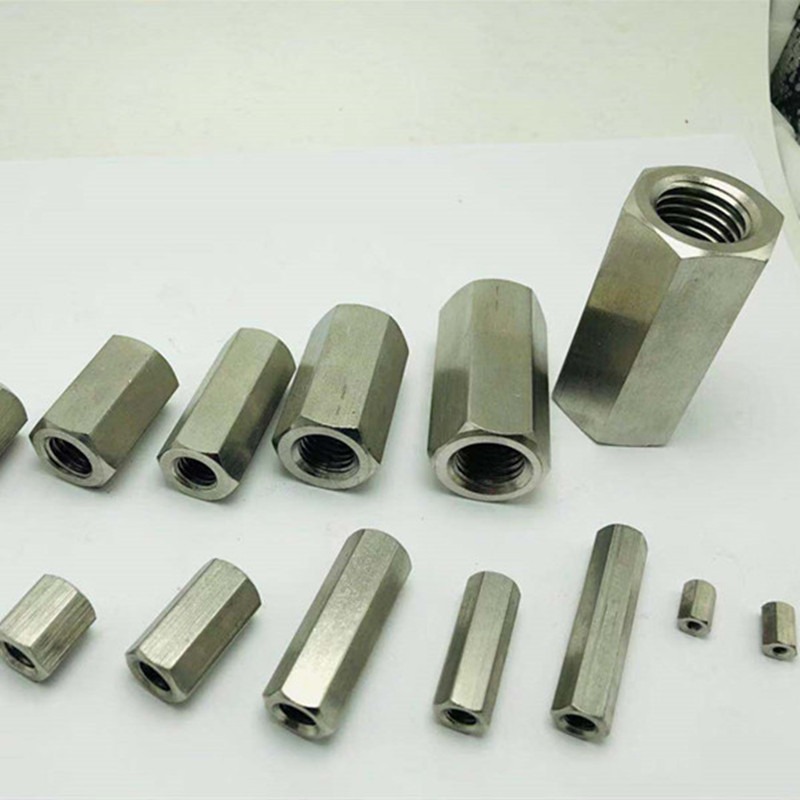
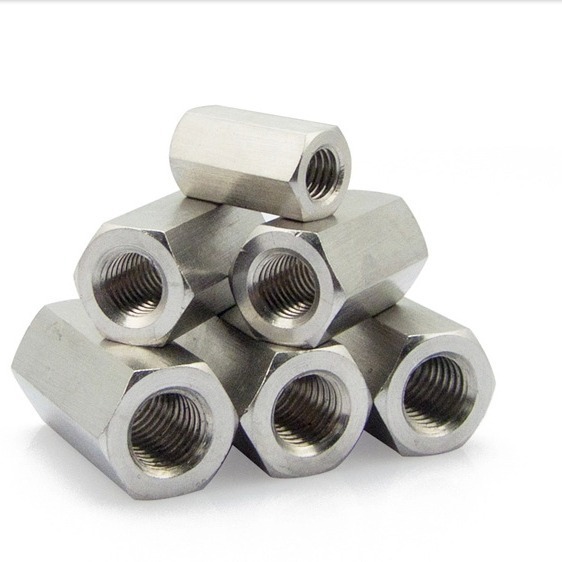
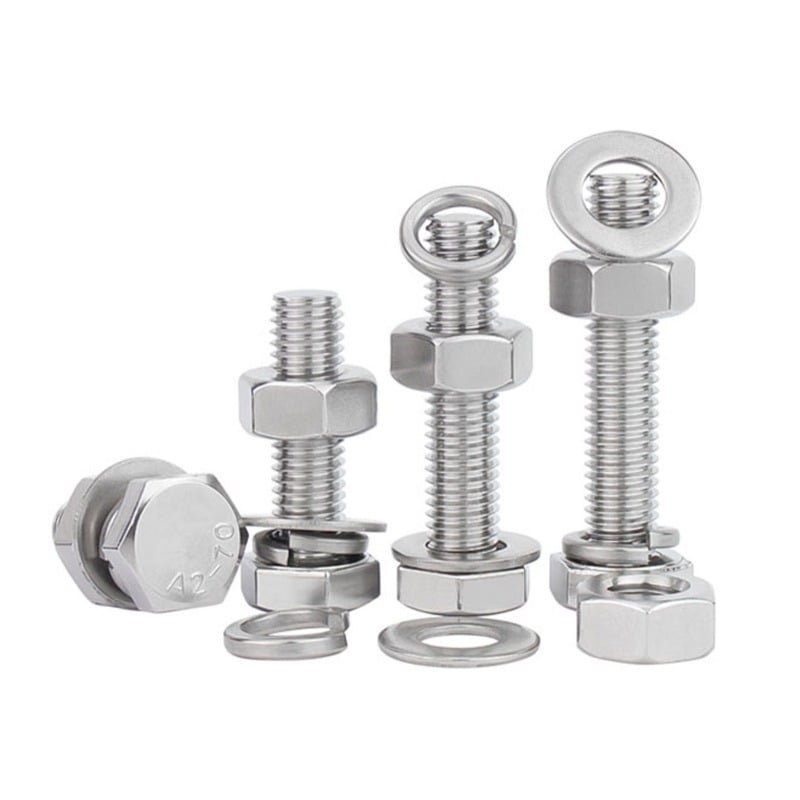
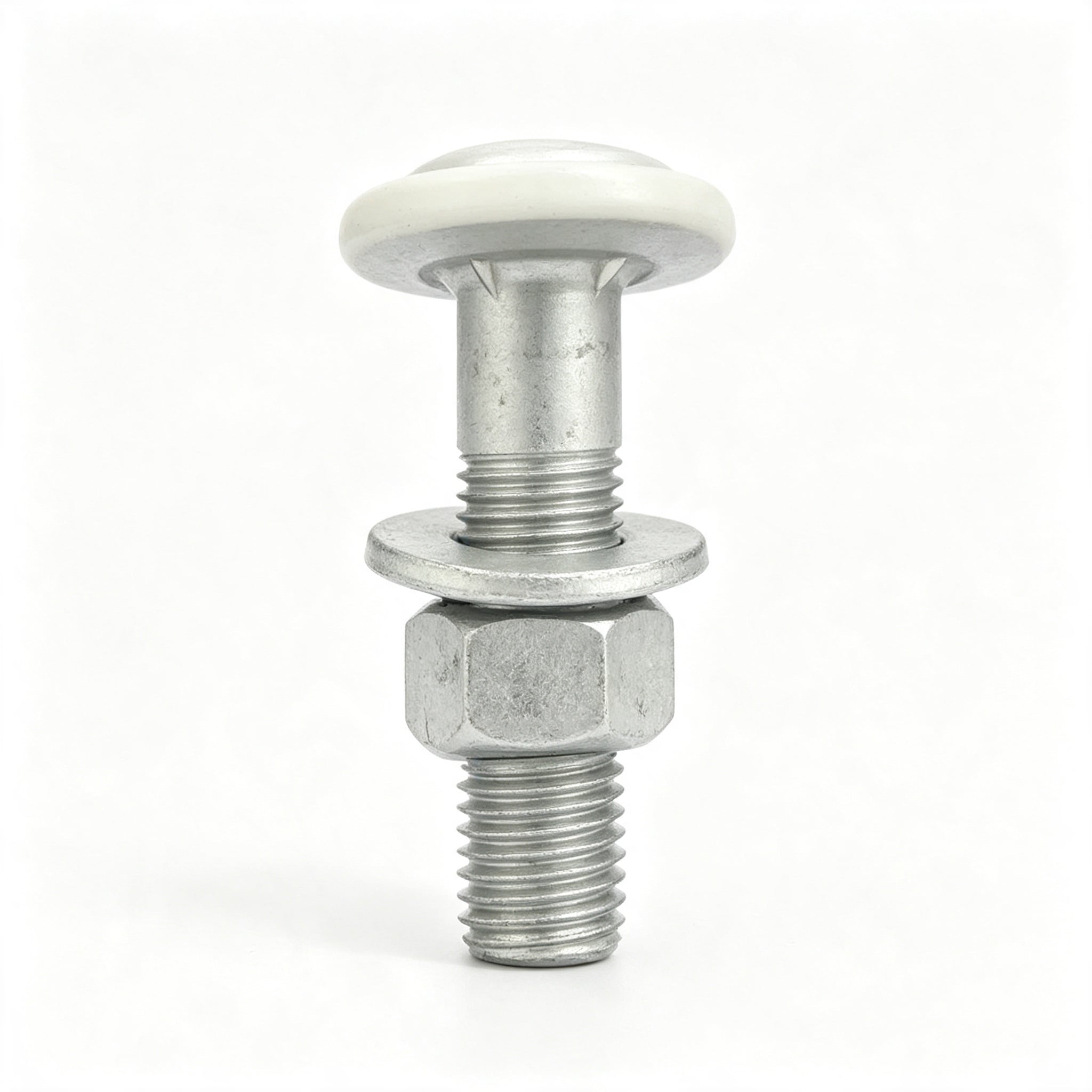
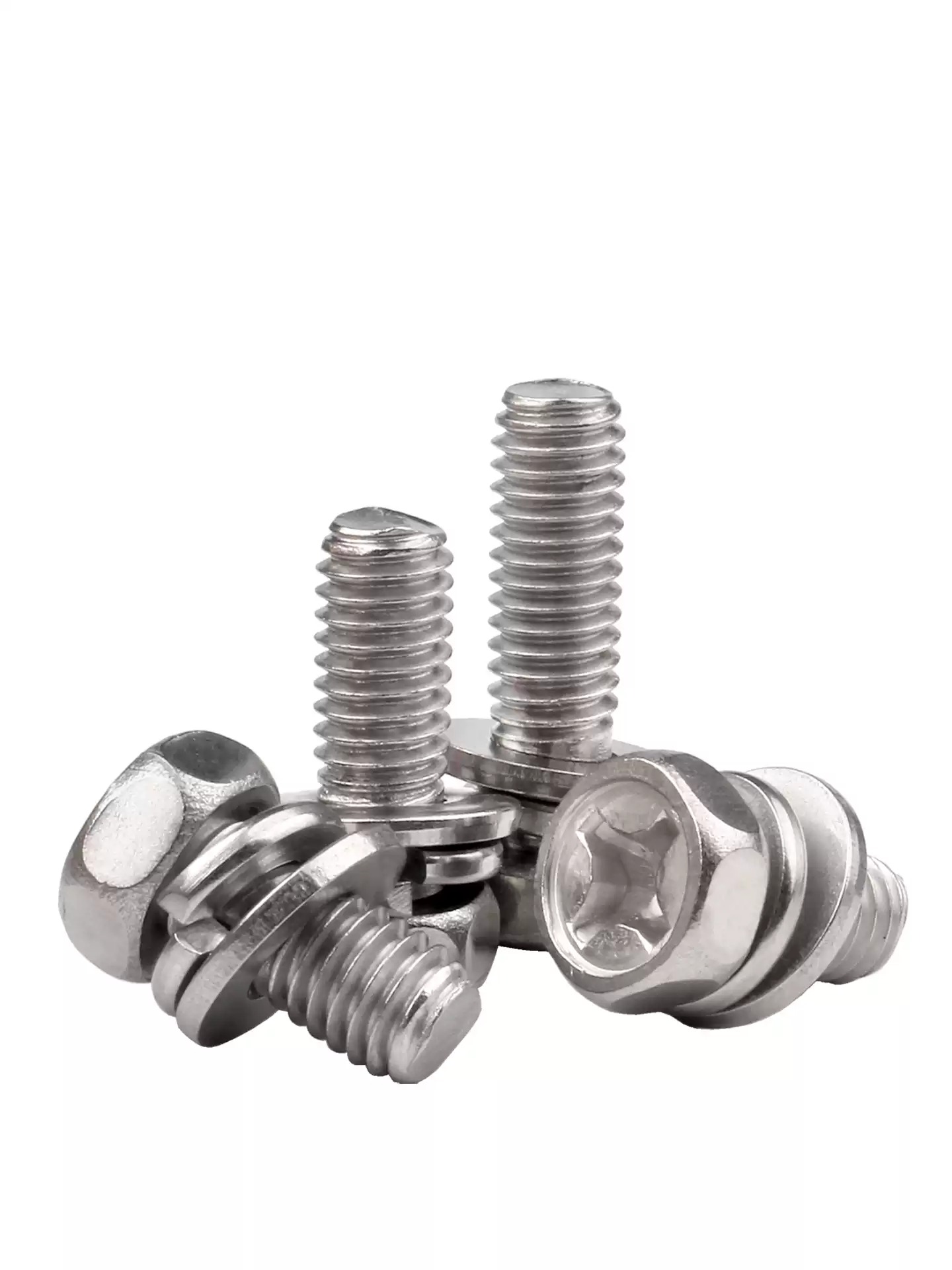
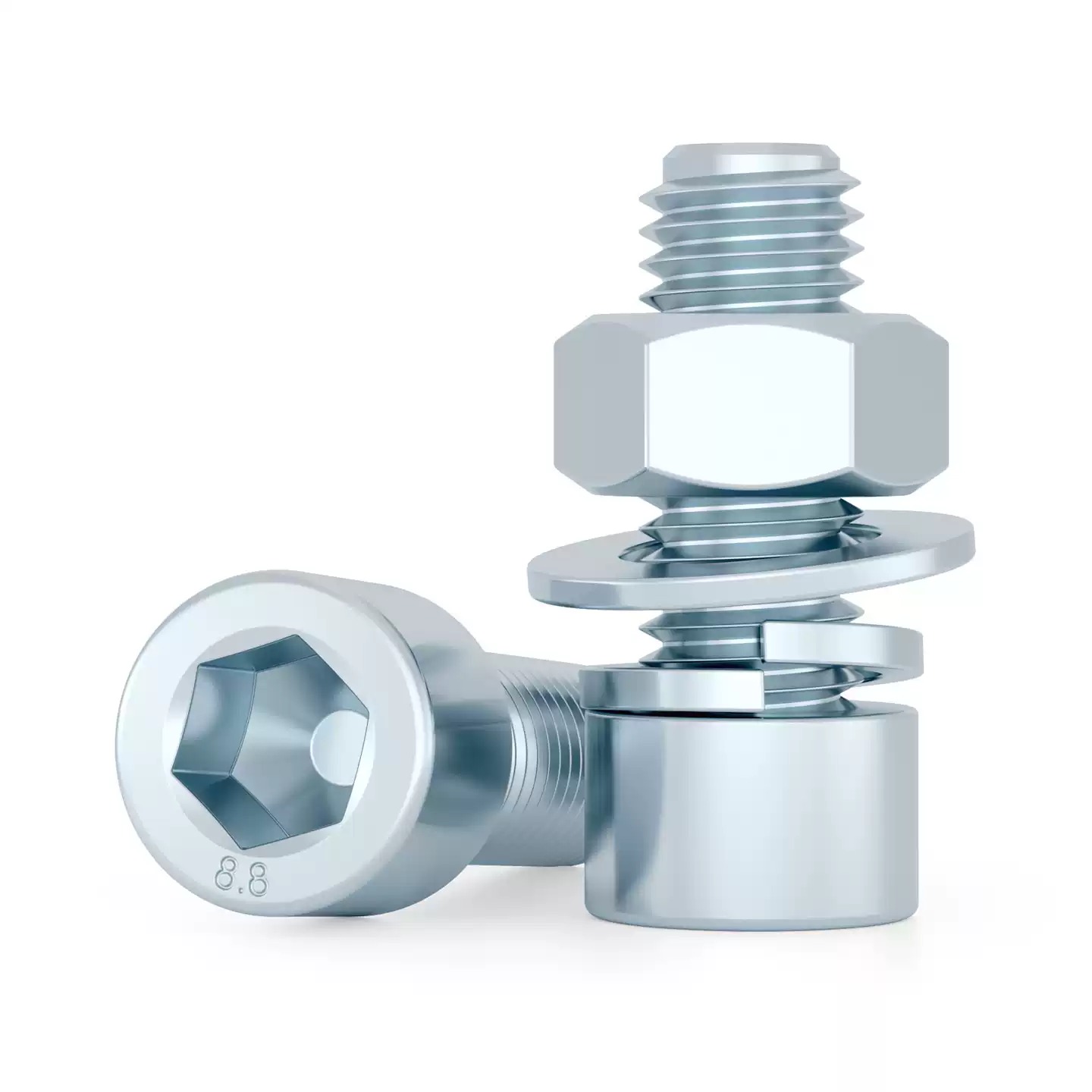
hex coupling nut
A hex coupling nut is a threaded fastener that joins two externally threaded parts, such as studs, rods, bolts, or threaded pipes. Its six-sided body gives installers a firm surface for a wrench, while its internal thread creates a strong, continuous connection. A hex coupling nut extends a threaded assembly without welding, drilling, or replacing a longer component. It also helps connect separate sections when the final length must be adjusted during installation.
The main function of a hex coupling nut is to transfer tightening force evenly along the joined threads. When matched correctly, a hex coupling nut holds parts in line and helps prevent unwanted movement, loosening, or separation. The hex shape supports quick installation with common hand tools and allows controlled tightening in restricted work areas. A hex coupling nut can also serve as a joining point for repairs, extensions, temporary setups, and modular assemblies.
Manufacturers produce a hex coupling nut in materials such as carbon steel, stainless steel, brass, and alloy steel. Surface treatments, including zinc plating, improve resistance to rust and everyday wear. Available thread sizes, pitches, lengths, and grades allow a hex coupling nut to match different load requirements and environmental conditions. Some versions support coarse threads for fast assembly, while fine threads provide more adjustment and better holding control.
Applications include construction frames, machinery, electrical support systems, vehicle repairs, furniture, plumbing supports, solar mounting, and general maintenance. Buyers should confirm thread diameter, pitch, material, length, strength grade, and finish before selection. Choosing the correct hex coupling nut delivers a dependable connection and reduces fitting problems during installation.
 EN