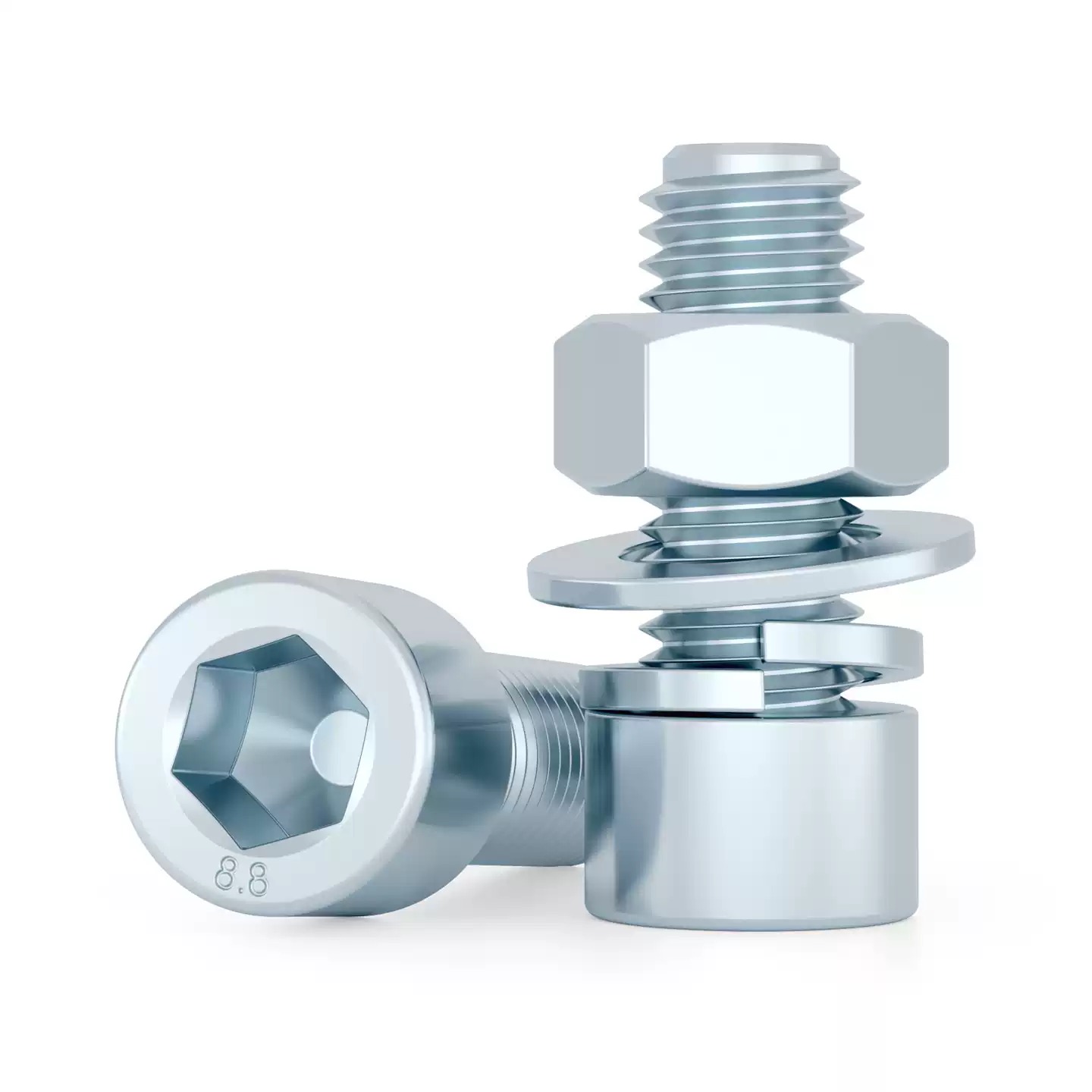
Hex Coupling Nut for Secure Threaded Extensions

application/hex-coupling-nut, application/hex-coupling-nut, 
Inquiry
Inquiry

hex coupling nut

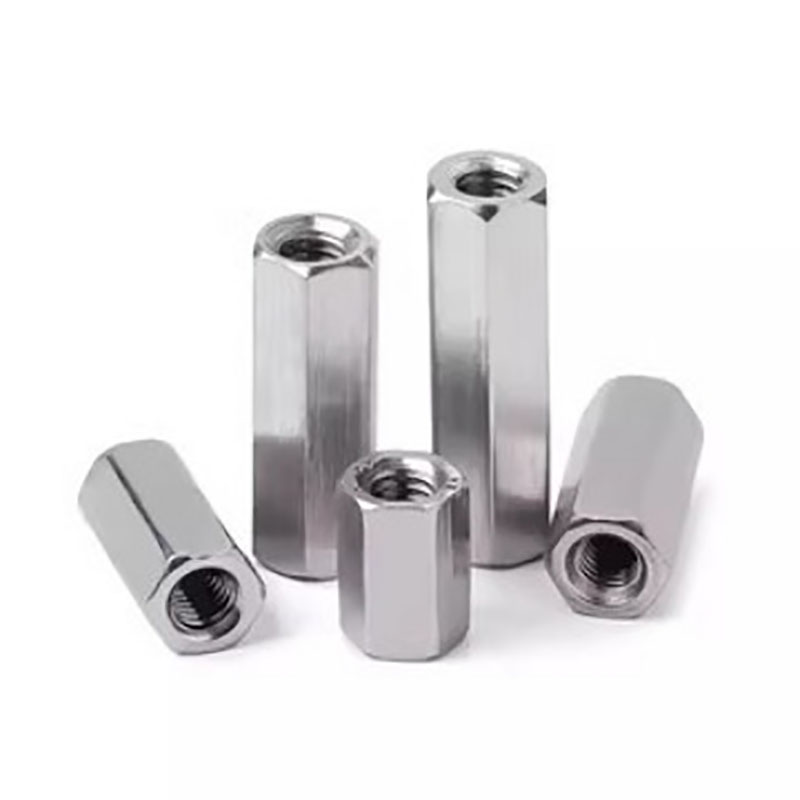
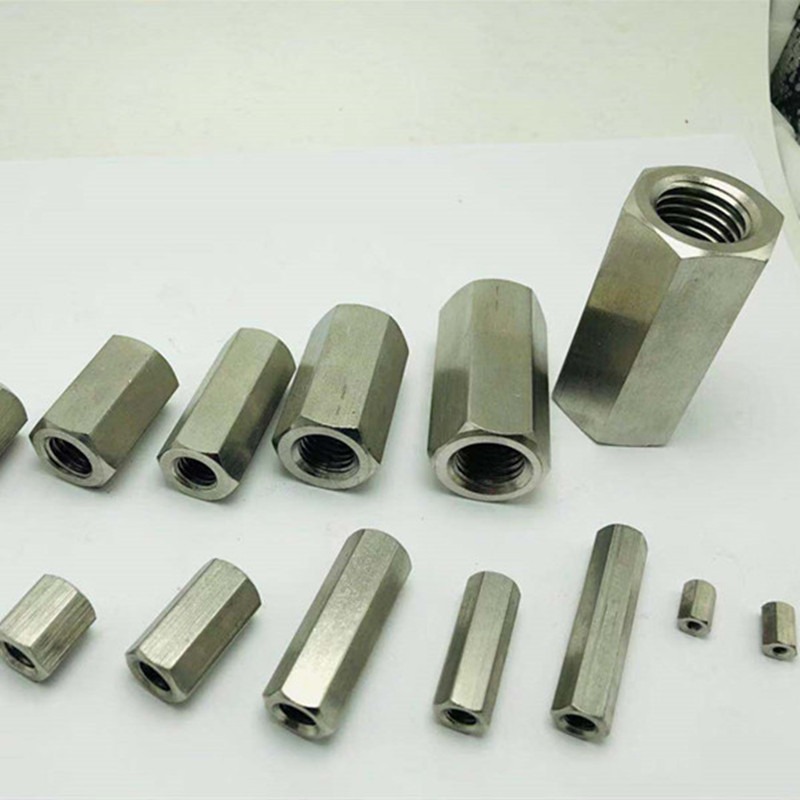
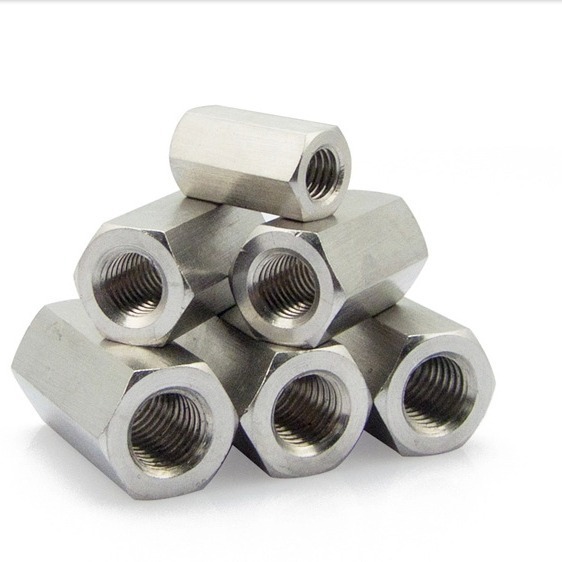
A hex coupling nut is a threaded fastener that joins two externally threaded parts, such as studs, rods, bolts, or threaded pipes. Its six-sided body gives installers a firm surface for a wrench, while its internal thread creates a strong, continuous connection. A hex coupling nut extends a threaded assembly without welding, drilling, or replacing a longer component. It also helps connect separate sections when the final length must be adjusted during installation. The main function of a hex coupling nut is to transfer tightening force evenly along the joined threads. When matched correctly, a hex coupling nut holds parts in line and helps prevent unwanted movement, loosening, or separation. The hex shape supports quick installation with common hand tools and allows controlled tightening in restricted work areas. A hex coupling nut can also serve as a joining point for repairs, extensions, temporary setups, and modular assemblies. Manufacturers produce a hex coupling nut in materials such as carbon steel, stainless steel, brass, and alloy steel. Surface treatments, including zinc plating, improve resistance to rust and everyday wear. Available thread sizes, pitches, lengths, and grades allow a hex coupling nut to match different load requirements and environmental conditions. Some versions support coarse threads for fast assembly, while fine threads provide more adjustment and better holding control. Applications include construction frames, machinery, electrical support systems, vehicle repairs, furniture, plumbing supports, solar mounting, and general maintenance. Buyers should confirm thread diameter, pitch, material, length, strength grade, and finish before selection. Choosing the correct hex coupling nut delivers a dependable connection and reduces fitting problems during installation.
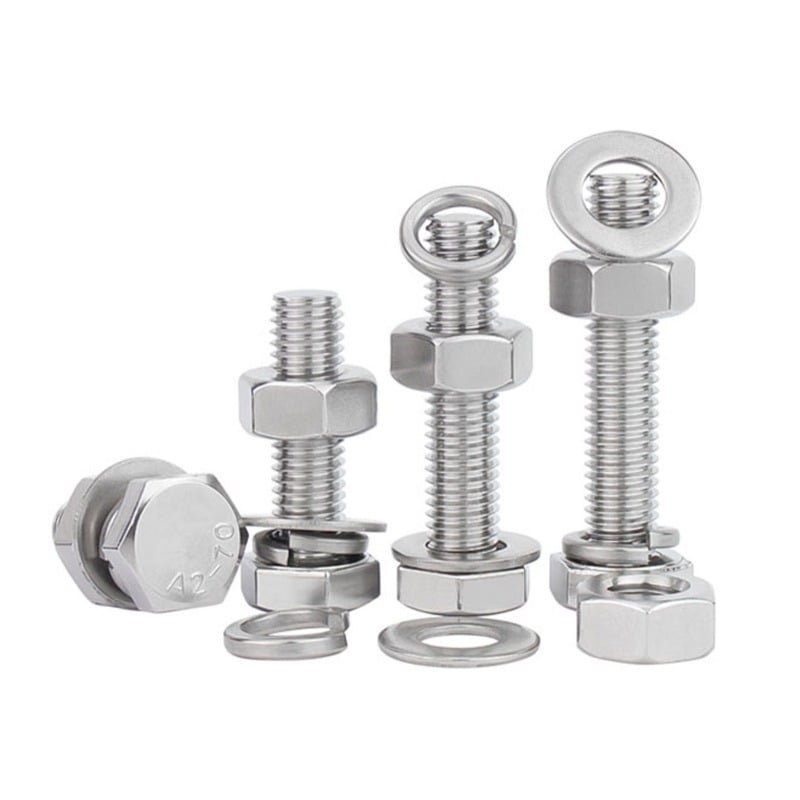
A hex coupling nut offers a practical way to extend or join threaded components without redesigning an assembly. This saves purchase time because users can keep existing rods, studs, or bolts instead of ordering custom-length parts. A hex coupling nut also simplifies repairs. Technicians can remove a damaged section, add a replacement piece, and restore the connection with standard tools. Installation remains straightforward. The six flat sides provide a positive grip for a spanner or socket, so workers can apply steady force without special equipment. A hex coupling nut supports repeatable tightening, which helps teams work faster and reduces uncertainty on the job. Its simple form also makes inspection easy. Users can quickly check thread engagement, visible damage, corrosion, and overall seating before equipment returns to service. The product suits many settings because suppliers offer different metals, sizes, thread forms, lengths, and finishes. Stainless steel versions work well where moisture, cleaning chemicals, or outdoor exposure could cause corrosion. Plated steel versions offer a cost-effective choice for many indoor and general construction tasks. Brass options suit selected electrical or low-load applications where corrosion resistance and easy machining matter. Buyers can therefore balance strength, price, appearance, and service conditions. A correctly selected hex coupling nut helps maintain alignment between connected parts and distributes tightening pressure across the threaded joint. This can reduce wobble, vibration-related movement, and premature thread damage. It also supports modular design: installers can change assembly length, add extensions, or remove sections with minimal disruption. For purchasing teams, a hex coupling nut is usually easy to stock because common dimensions fit a wide range of standard hardware. Before ordering, compare thread diameter, pitch, internal length, material, strength rating, finish, and compatibility with the mating parts. Do not mix incompatible thread standards or use a light-duty model for a high-load connection. Buyers should also consider access for tools and the need for locking features in vibrating equipment. These checks help ensure that the hex coupling nut delivers reliable service rather than only a quick initial fit.

Tips And Tricks

Beyond Galvanizing: How the Sherardizing Process Builds Ultimate Protection for High-End Steel

21

Jul

Beyond Galvanizing: How the Sherardizing Process Builds Ultimate Protection for High-End Steel

Why Sherardizing outperforms galvanizing for high-end steel—extreme corrosion resistance, zero hydrogen embrittlement & self-healing protection.
View More
New Chapter in Sino-Ethiopian Trade Cooperation: Securing a Long-Term Fastener Procurement Agreement

21

Jul

New Chapter in Sino-Ethiopian Trade Cooperation: Securing a Long-Term Fastener Procurement Agreement

How China & Ethiopia secured a long-term fastener supply deal for East Africa's booming industrial sector. Discover reliability, scalability & global impact.
View More
Full Container Ready for Shipment! Premium Fasteners Bound for the U.S. Industrial Market

21

Jul

Full Container Ready for Shipment! Premium Fasteners Bound for the U.S. Industrial Market

Need reliable, ocean-ready fasteners for U.S. industrial buyers? Our full-container shipment delivers certified quality, export-optimized packaging & seamless logistics.
View More

Get a Free Quote

Our representative will contact you soon.
0/1000
Fast, Tool-Friendly Installation

Fast, Tool-Friendly Installation

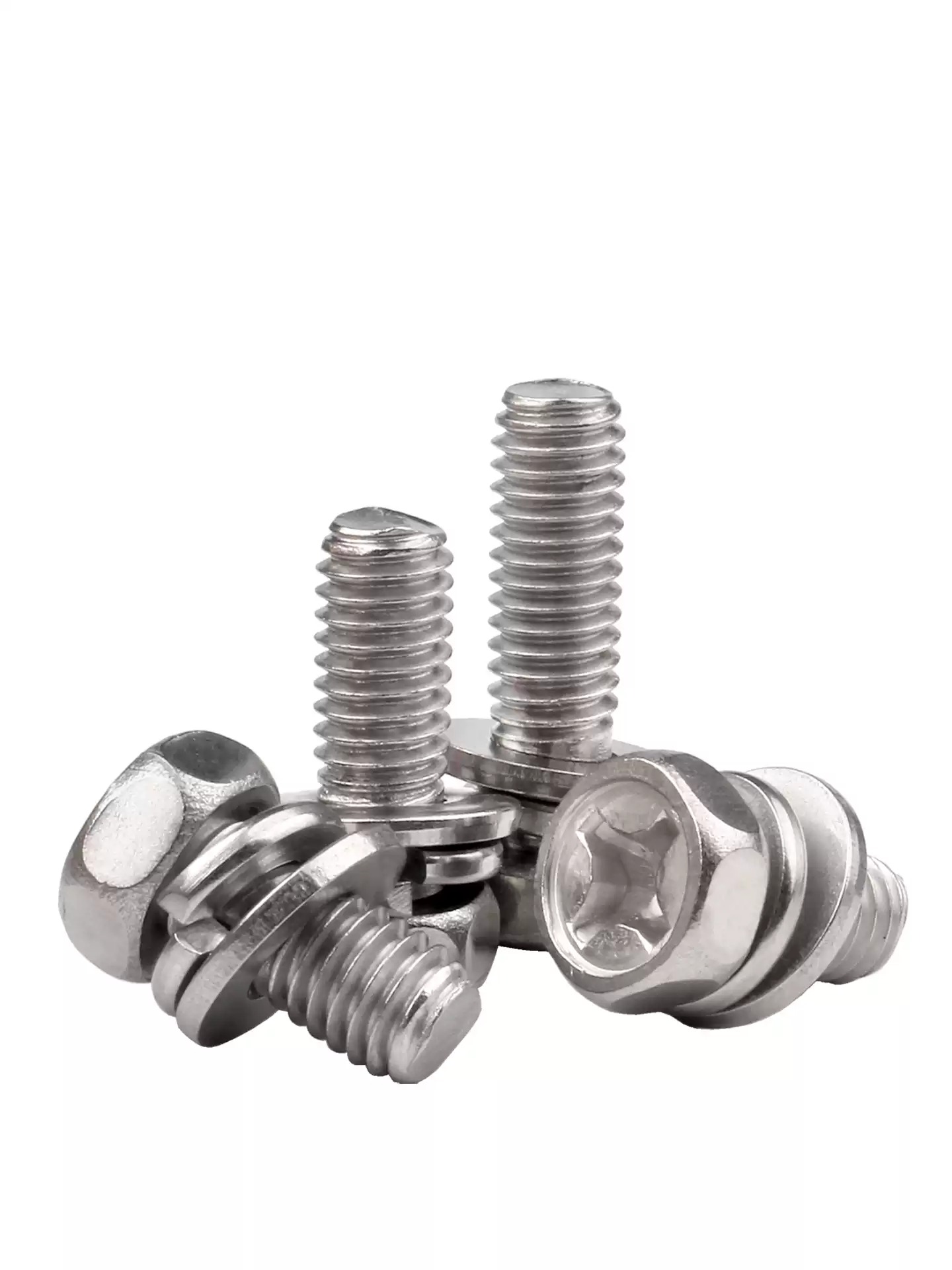
The six-sided profile is a key reason to choose a hex coupling nut for practical assembly work. A wrench or socket can grip the flat faces securely, allowing an installer to tighten or remove the part with familiar tools. This avoids dependence on specialized equipment and supports faster work in workshops, plant rooms, construction areas, and service vehicles. A hex coupling nut also gives the user better control over tightening force than a smooth or hard-to-grip connector. That control helps achieve consistent thread engagement and reduces the chance of slipping, cross-threading, or uneven seating. When a connection needs inspection or adjustment, the same accessible shape makes service simpler. Teams can loosen a hex coupling nut, change the connected length, and retighten the joint without cutting or permanently altering the surrounding parts. The result is lower labor effort, easier maintenance, and a more flexible installation process.
Durable Material and Finish Choices

Durable Material and Finish Choices

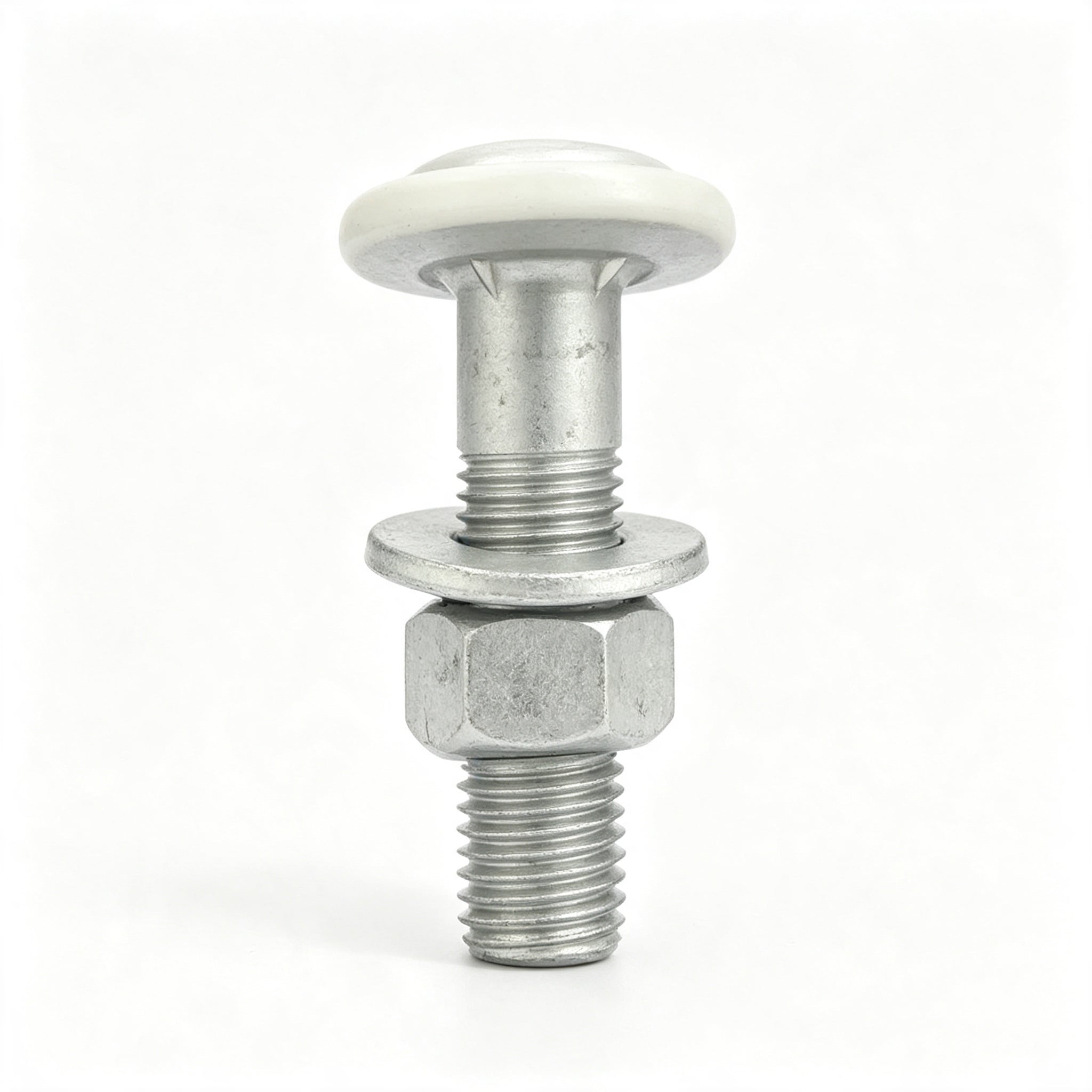
A hex coupling nut can be specified in a material and finish that match the working environment. Carbon steel provides a strong, economical option for many indoor assemblies and general repairs. Zinc-plated surfaces add useful protection against routine moisture and handling wear, making them suitable for common building and maintenance work. Stainless steel offers stronger corrosion resistance for outdoor equipment, wet areas, food-related facilities, and applications exposed to frequent cleaning. Other material choices can support electrical, appearance, or weight requirements. This range helps buyers avoid paying for unnecessary performance while still protecting the connection from early failure. Selecting a hex coupling nut with the right material also supports longer service life and fewer replacement interruptions. Users should review exposure, load, temperature, and contact with dissimilar metals before ordering. Matching the finish to actual conditions improves value and keeps the fastener performing as intended.
Reliable Extension and Alignment

Reliable Extension and Alignment

The main functional value of a hex coupling nut is its ability to join two threaded sections into one longer or continuous assembly. This makes it useful when a rod, stud, or bolt is too short, when a damaged section needs replacement, or when a design requires later length adjustment. A hex coupling nut keeps the connection compact while distributing tightening force through the internal threads. Proper engagement helps hold the joined parts in line and limits unwanted movement during normal service. This supports cleaner installation in frames, brackets, supports, machinery, and mounting systems. It also gives repair teams a modular option that avoids welding, drilling, or sourcing a completely new component. For dependable results, users must match the thread diameter and pitch, confirm sufficient engagement, and choose a strength level suited to the load. With those checks complete, a hex coupling nut provides a simple, serviceable, and cost-conscious joining solution.