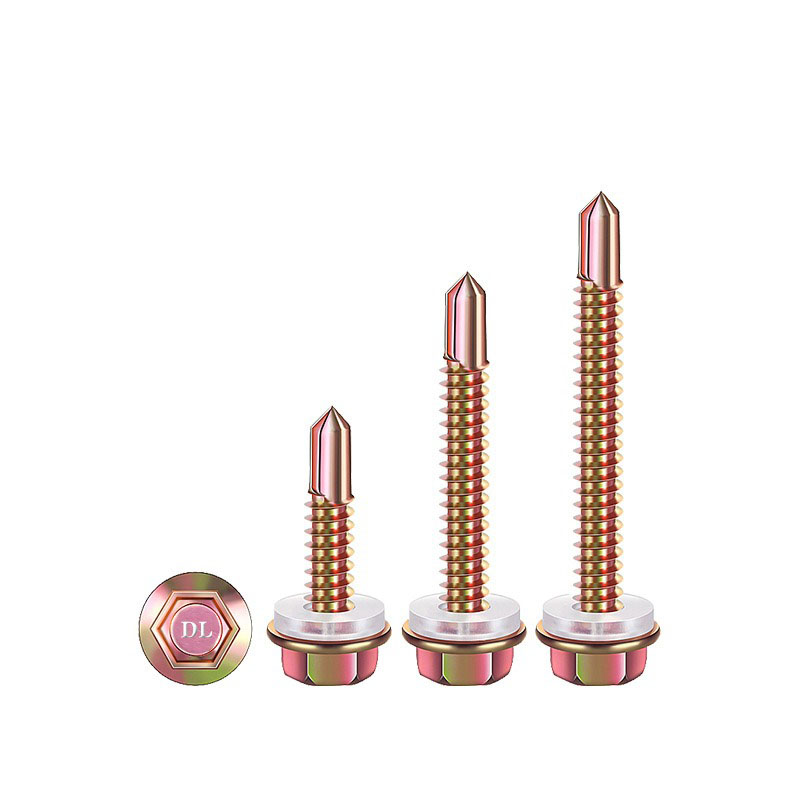
Hexagon Flange Nut for Reliable Industrial Assembly

application/hexagon-flange-nut, application/hexagon-flange-nut, 
Inquiry
Inquiry

hexagon flange nut

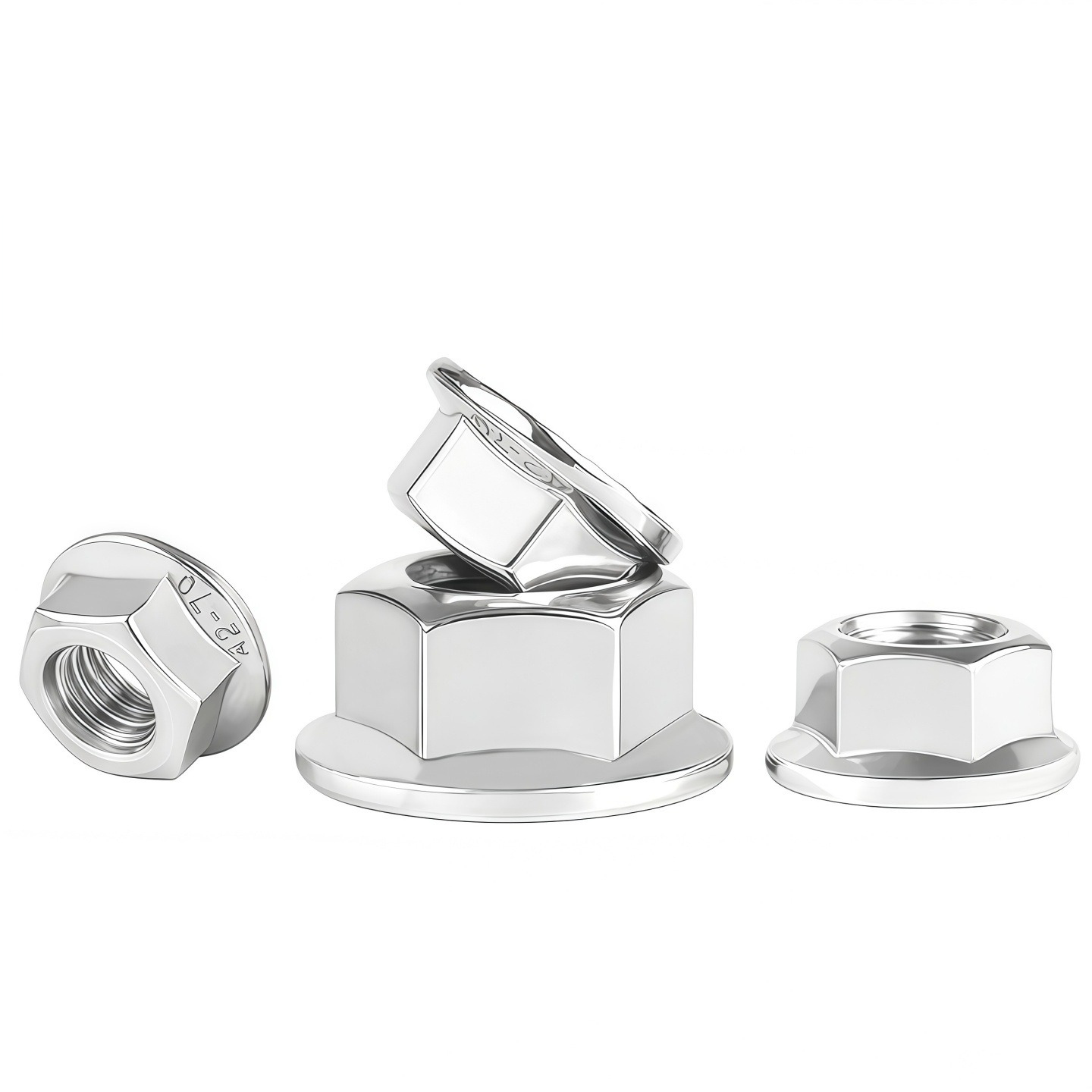
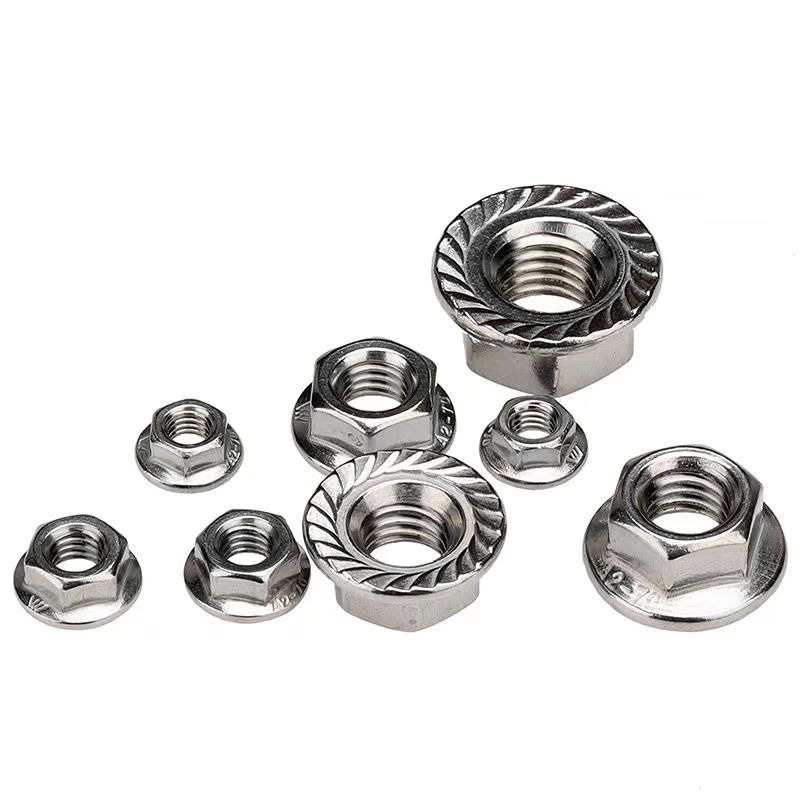
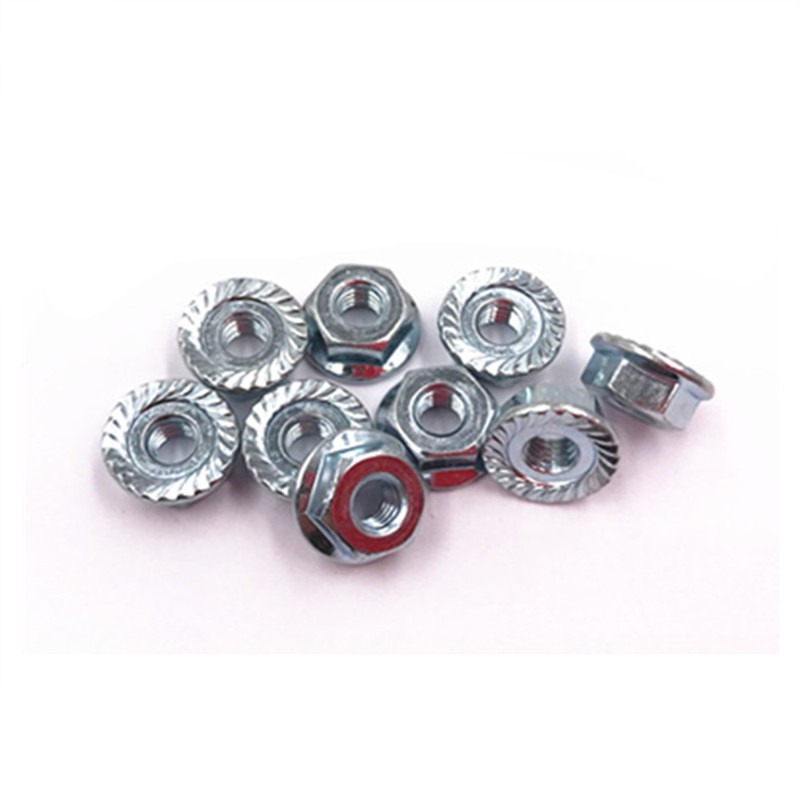
A hexagon flange nut is a threaded fastening component with six flat sides and a built-in flange beneath its hexagonal body. The hexagon flange nut combines the functions of a standard nut and a washer, helping users secure bolts while spreading pressure across a wider surface. This integrated design makes the hexagon flange nut a practical choice for assemblies that need stable, repeatable fastening. During installation, a wrench or socket turns the six-sided body, while the flange rests against the connected material. The broad base of the hexagon flange nut reduces surface damage and helps prevent the fastener from sinking into softer materials. Many versions include serrations under the flange. These teeth grip the mating surface and improve resistance to loosening caused by vibration. A smooth-flange hexagon flange nut offers gentler contact and works well where surface protection matters. Manufacturers produce the hexagon flange nut in carbon steel, stainless steel, alloy steel, and plated finishes. Material and coating selection affect strength, corrosion resistance, service life, and price. Internal threads are manufactured to common metric or imperial standards, allowing the hexagon flange nut to match widely used bolts and studs. Available sizes, thread pitches, and property classes support both light-duty and high-load work. Applications include vehicles, machinery, frames, electrical equipment, construction systems, and general maintenance. Buyers should confirm thread size, material, flange diameter, strength grade, and surface finish before ordering. The right hexagon flange nut can simplify assembly, improve joint consistency, and reduce the need for separate washers.
The main advantage of a hexagon flange nut is simpler installation. Because the flange is built into the nut, a hexagon flange nut removes the need to handle a separate washer during many assembly tasks. Fewer loose parts can speed production, reduce picking errors, and make maintenance more organized. The wide bearing surface also distributes clamping force over a larger area. As a result, the hexagon flange nut helps protect painted panels, brackets, thin sheet, and softer materials from concentrated pressure. This support can improve joint stability without adding another component. A serrated hexagon flange nut provides extra grip beneath the flange. Its teeth bite into the contact surface and help limit rotation when equipment experiences vibration or movement. This feature can reduce the frequency of retightening, although the installer must consider surface protection and removal requirements. A smooth hexagon flange nut suits finished surfaces and applications where the contact area should remain relatively clean. Buyers can select carbon steel for economical general use, stainless steel for moisture or chemical exposure, and high-strength grades for demanding structural or mechanical joints. Plated finishes add another option when users need better corrosion protection at a controlled cost. The hexagonal body accepts common tools, so operators can install the hexagon flange nut with familiar hand or power equipment. Standard thread sizes also simplify replacement and sourcing. For manufacturers, the hexagon flange nut supports repeatable torque application and efficient line assembly. For repair teams, it can shorten service time and reduce lost washers. Its broad application range makes it suitable for automotive parts, machinery guards, frames, agricultural equipment, and building hardware. Before purchase, compare thread compatibility, flange dimensions, strength rating, finish, packaging quantity, and required delivery volume. These details help customers balance price, performance, installation speed, and long-term reliability.

Latest News

Beyond Galvanizing: How the Sherardizing Process Builds Ultimate Protection for High-End Steel

21

Jul

Beyond Galvanizing: How the Sherardizing Process Builds Ultimate Protection for High-End Steel

Why Sherardizing outperforms galvanizing for high-end steel—extreme corrosion resistance, zero hydrogen embrittlement & self-healing protection.
View More
New Chapter in Sino-Ethiopian Trade Cooperation: Securing a Long-Term Fastener Procurement Agreement

21

Jul

New Chapter in Sino-Ethiopian Trade Cooperation: Securing a Long-Term Fastener Procurement Agreement

How China & Ethiopia secured a long-term fastener supply deal for East Africa's booming industrial sector. Discover reliability, scalability & global impact.
View More
Full Container Ready for Shipment! Premium Fasteners Bound for the U.S. Industrial Market

21

Jul

Full Container Ready for Shipment! Premium Fasteners Bound for the U.S. Industrial Market

Need reliable, ocean-ready fasteners for U.S. industrial buyers? Our full-container shipment delivers certified quality, export-optimized packaging & seamless logistics.
View More

Get a Free Quote

Our representative will contact you soon.
0/1000
Integrated Flange for Faster, Cleaner Assembly

Integrated Flange for Faster, Cleaner Assembly

The integrated flange is a key reason to choose a hexagon flange nut. Instead of pairing a conventional nut with a loose washer, the hexagon flange nut arrives as one ready-to-install piece. This design reduces part handling and helps assembly workers maintain a consistent process. On production lines, fewer separate components can simplify feeding, counting, and replenishment. In field repairs, the hexagon flange nut is easier to carry and less likely to lose an essential washer. The flange also creates a larger contact area beneath the fastener. By spreading the tightening force, it can reduce marks, dents, and local deformation on suitable materials. This benefit is especially useful for brackets, panels, stamped parts, and equipment housings. The hexagonal profile remains compatible with standard sockets and wrenches, while the flange supports a neater finished joint. Customers gain faster installation, fewer inventory items, and dependable contact in one compact component.
Vibration Control for More Secure Joints

Vibration Control for More Secure Joints

A serrated underside gives the hexagon flange nut a practical advantage in equipment exposed to vibration, impact, or repeated movement. As the hexagon flange nut tightens, the teeth engage with the mating surface and create additional resistance against turning. This added grip can help preserve clamping force and reduce unplanned loosening in vehicles, machines, conveyors, frames, and outdoor equipment. The feature does not replace correct torque, suitable bolt selection, or proper joint design, but it can strengthen the fastening system when used appropriately. Buyers should note that serrations may leave marks or damage delicate coatings, so a smooth version may be better for visible or easily scratched surfaces. Selecting the right style gives customers a direct balance between holding power and finish protection. The hexagon flange nut also allows quick removal with regular tools when servicing is required. That combination of grip and serviceability supports lower downtime, fewer inspections, and more predictable maintenance results.
Material and Finish Options for Long Service

Material and Finish Options for Long Service

Product choice becomes easier when the hexagon flange nut is available in materials and finishes matched to the working environment. Carbon steel provides a cost-effective solution for indoor machinery, general fabrication, and protected assemblies. Stainless steel offers stronger resistance to moisture, oxidation, and many corrosive conditions, making it useful for outdoor equipment, food-related facilities, and marine-adjacent applications where specifications permit. Plated steel can provide a practical middle option by adding surface protection while controlling purchase cost. High-strength grades suit joints that demand greater load capacity, provided the bolt, design, and tightening method are compatible. Each hexagon flange nut should also match the required thread system, diameter, pitch, and tolerance. Correct matching prevents cross-threading and supports consistent clamping. Customers can therefore choose the hexagon flange nut based on service conditions rather than relying on a one-size-fits-all purchase. This selection flexibility improves service life, reduces replacement frequency, and supports responsible inventory planning.