hexagon flange nut
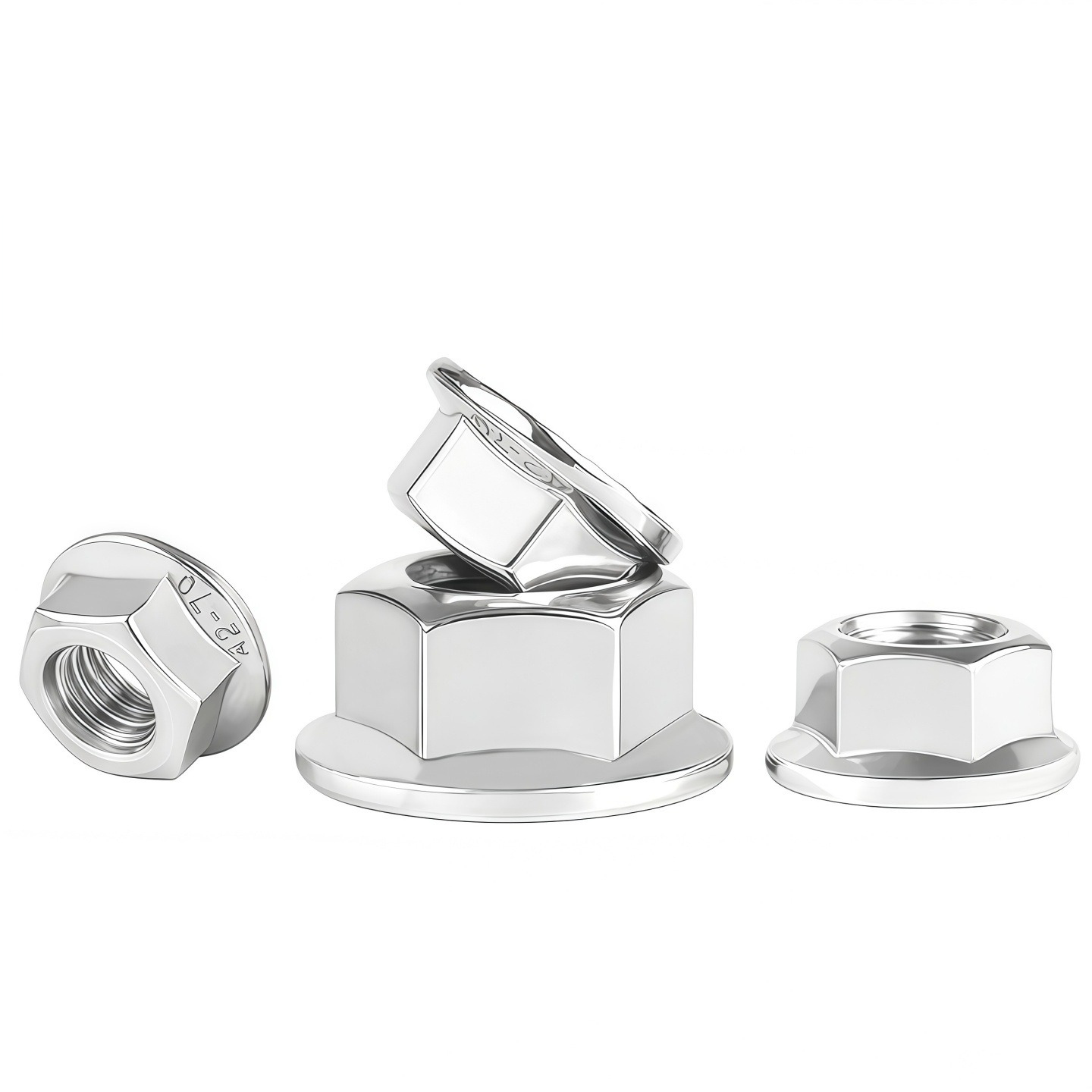
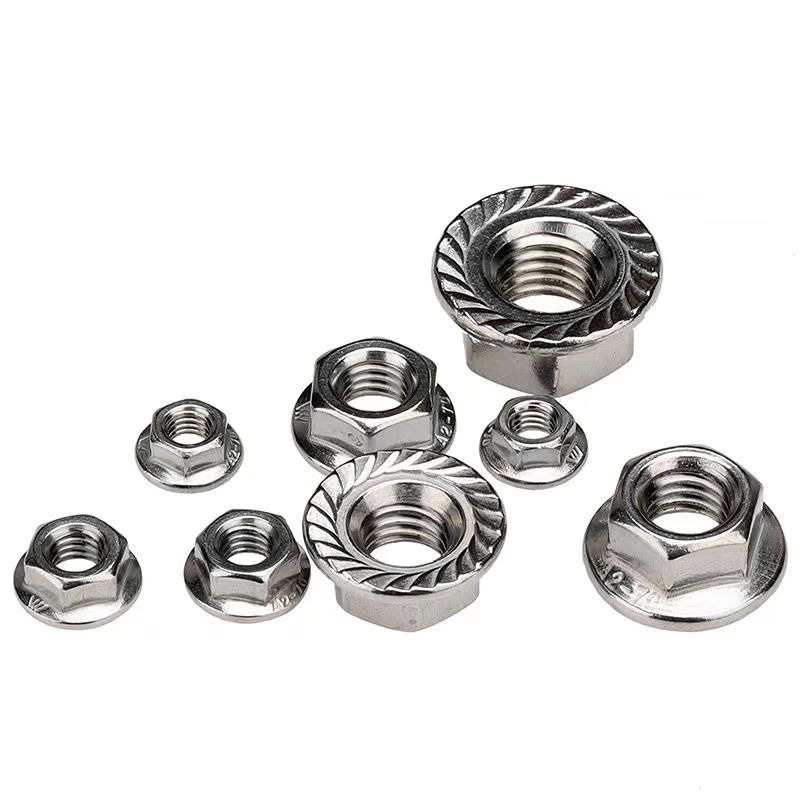
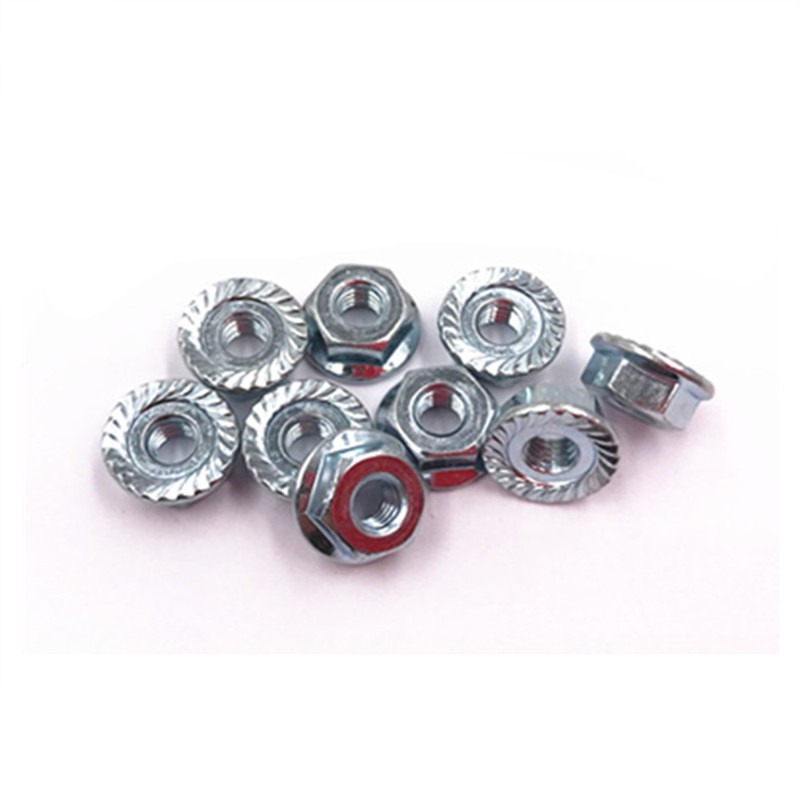
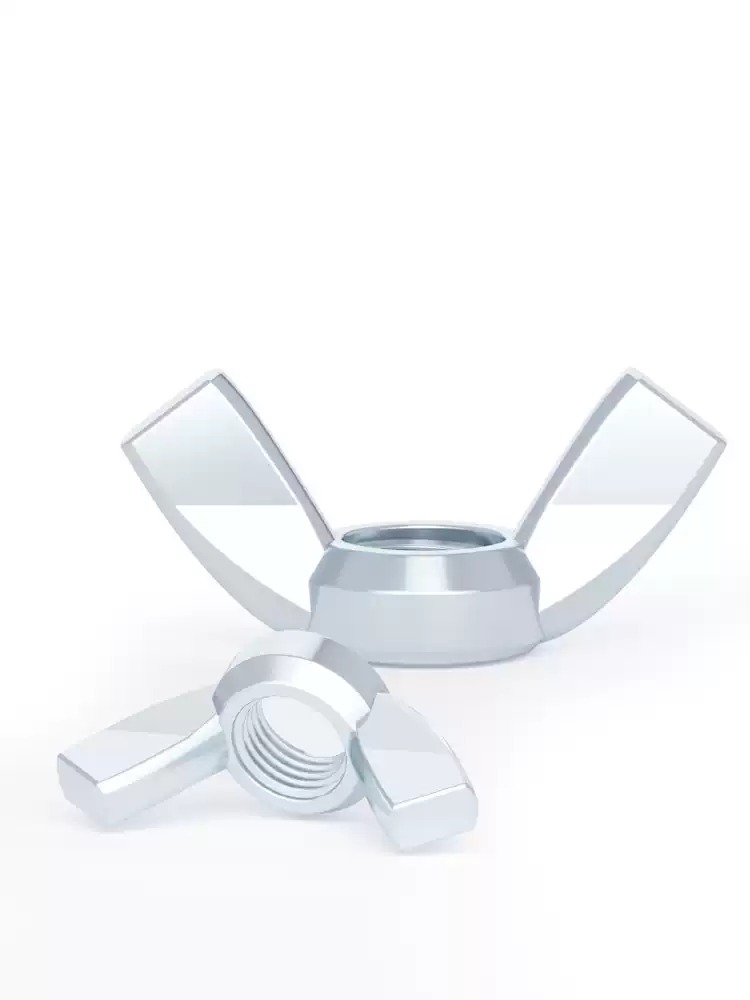
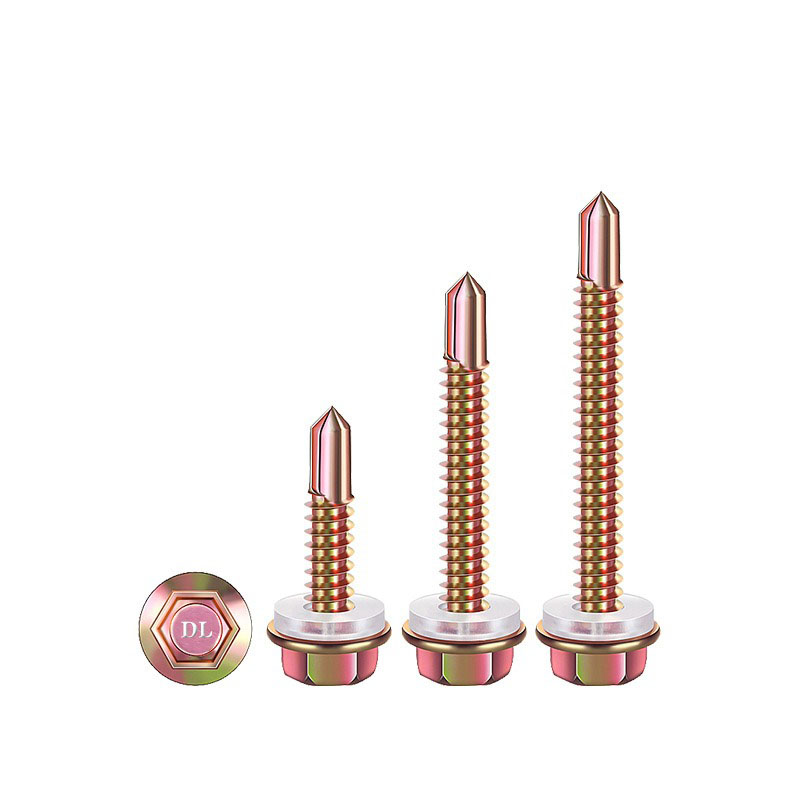
A hexagon flange nut is a threaded fastening component with six flat sides and a built-in flange beneath its hexagonal body. The hexagon flange nut combines the functions of a standard nut and a washer, helping users secure bolts while spreading pressure across a wider surface. This integrated design makes the hexagon flange nut a practical choice for assemblies that need stable, repeatable fastening. During installation, a wrench or socket turns the six-sided body, while the flange rests against the connected material. The broad base of the hexagon flange nut reduces surface damage and helps prevent the fastener from sinking into softer materials. Many versions include serrations under the flange. These teeth grip the mating surface and improve resistance to loosening caused by vibration. A smooth-flange hexagon flange nut offers gentler contact and works well where surface protection matters. Manufacturers produce the hexagon flange nut in carbon steel, stainless steel, alloy steel, and plated finishes. Material and coating selection affect strength, corrosion resistance, service life, and price. Internal threads are manufactured to common metric or imperial standards, allowing the hexagon flange nut to match widely used bolts and studs. Available sizes, thread pitches, and property classes support both light-duty and high-load work. Applications include vehicles, machinery, frames, electrical equipment, construction systems, and general maintenance. Buyers should confirm thread size, material, flange diameter, strength grade, and surface finish before ordering. The right hexagon flange nut can simplify assembly, improve joint consistency, and reduce the need for separate washers.
 EN