Wire Fasteners for Secure, Efficient Assembly

application/wire-fasteners, application/wire-fasteners, 
Inquiry
Inquiry

wire fasteners

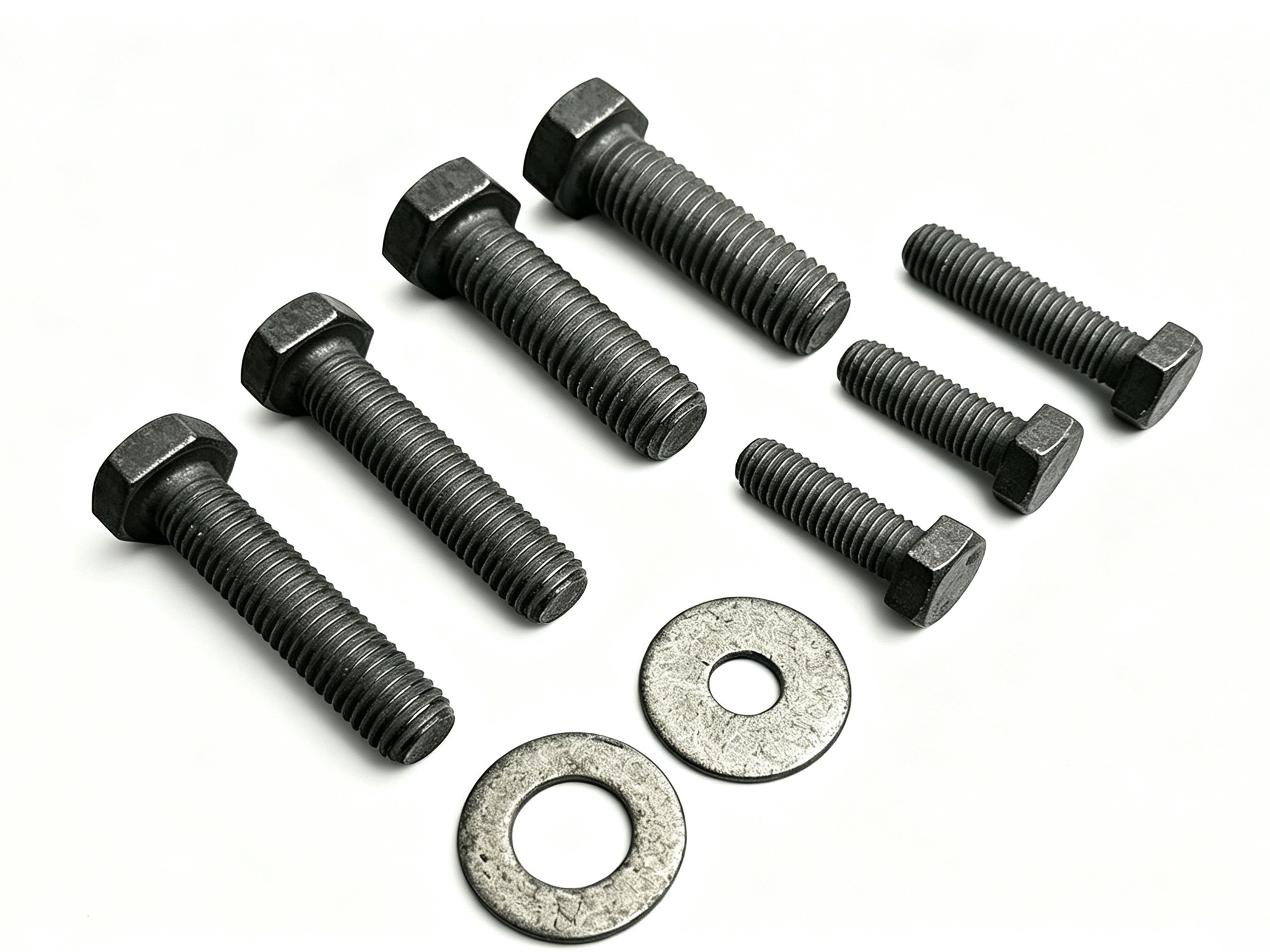
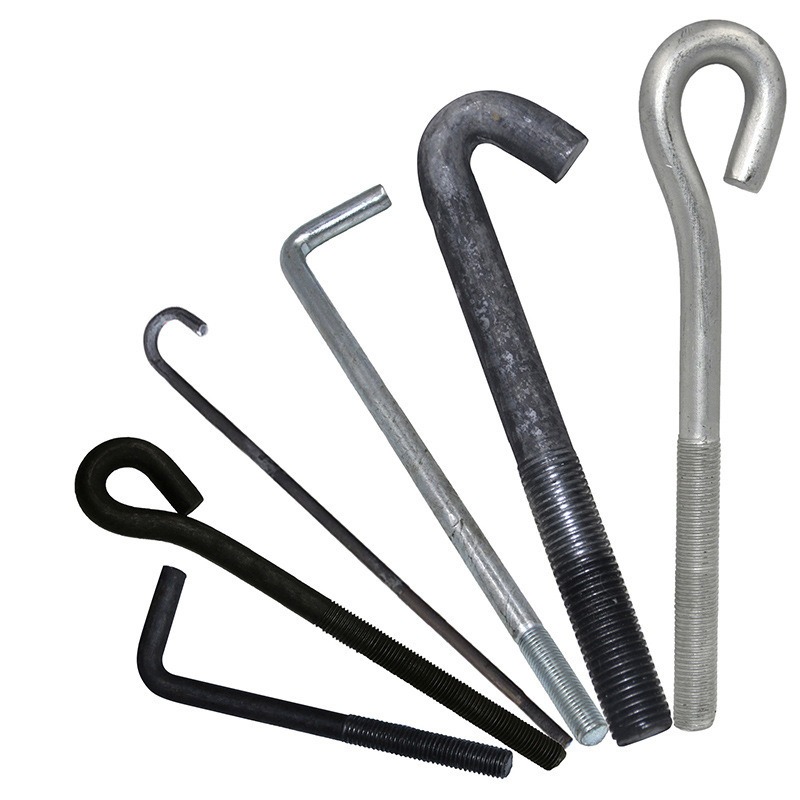
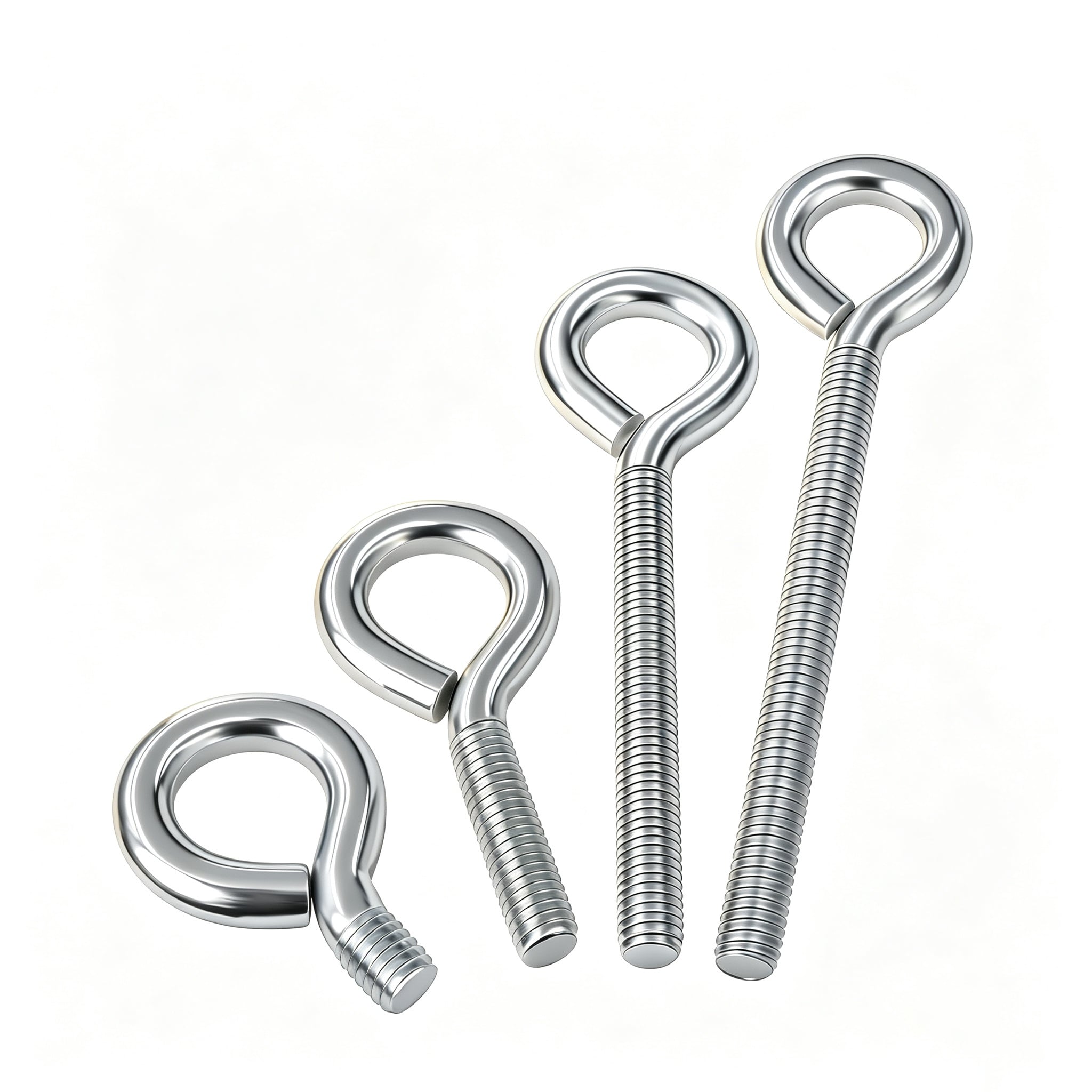
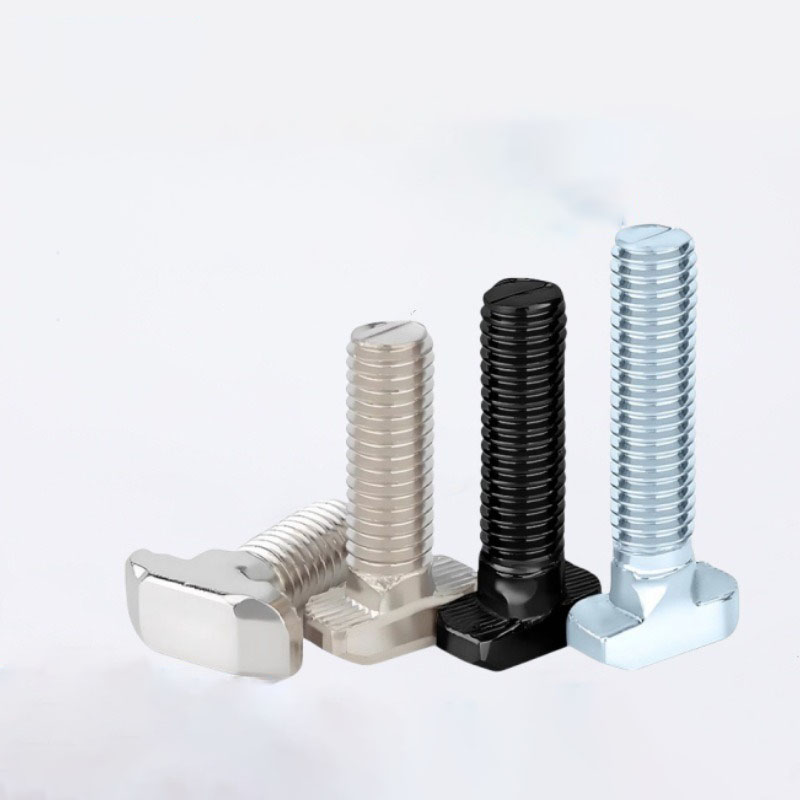
Wire fasteners are practical components used to join, secure, organize, or terminate wires and cables. They include clips, staples, clamps, ties, anchors, saddles, and connector-based fixing parts. Wire fasteners hold conductors in a stable position, reduce movement, protect insulation, and help create a neat installation. Depending on the design, wire fasteners can attach cables to walls, panels, frames, ceilings, machinery, vehicles, or electrical enclosures. Wire fasteners support both temporary routing and permanent installation. Many wire fasteners use galvanized steel, stainless steel, nylon, or other durable materials selected for strength, corrosion resistance, and electrical safety. Wire fasteners may feature pre-formed holes, snap closures, screw points, adhesive backing, or integrated locks that simplify fitting. Wire fasteners are available in different sizes to suit single wires, cable bundles, control lines, and heavier utility cables. Their technology focuses on secure holding force without crushing or cutting the cable jacket. Some wire fasteners provide insulation-friendly contact surfaces, while others offer UV resistance, fire performance, vibration control, or outdoor durability. Wire fasteners also support organized routing, making inspection and maintenance easier. In electrical work, wire fasteners reduce sagging and prevent cables from touching sharp edges or moving machine parts. In construction, wire fasteners help installers complete clean, consistent runs. In manufacturing, wire fasteners help manage wiring inside equipment and control cabinets. For repair teams, wire fasteners offer a quick way to restore safe cable positioning. Choosing the right wire fasteners depends on cable diameter, mounting surface, load, environment, installation method, and required service life. A suitable product improves safety, appearance, reliability, and installation speed.
Wire fasteners give buyers a simple way to create safer, cleaner, and more reliable cable installations. By holding wires firmly, wire fasteners prevent loose loops, dragging, rubbing, and accidental contact with moving parts. This protection can extend cable life and reduce avoidable service calls. Wire fasteners also make routing more orderly, so technicians can trace lines faster during testing, upgrades, or repairs. For contractors, wire fasteners can shorten installation time because many designs install with one screw, a snap action, or a quick hand fit. That efficiency helps control labor costs without reducing installation quality. Wire fasteners suit residential wiring, commercial buildings, industrial machinery, telecommunications, automotive systems, appliances, and outdoor equipment. Buyers can select light-duty options for small cables or stronger designs for bundled and heavier lines. Wire fasteners made from corrosion-resistant materials work well in damp rooms, workshops, transport equipment, and exposed locations. Indoor products can focus on easy handling and low cost, while outdoor or industrial products can provide stronger weather and impact resistance. Another benefit is consistent spacing. Wire fasteners keep cable runs aligned and reduce the untidy appearance caused by improvised tape or loose ties. This consistency supports better airflow around equipment and leaves access to switches, terminals, and service panels. Properly selected wire fasteners also reduce pressure on cable jackets, helping preserve insulation and signal quality. Buyers should compare holding strength, size range, material, mounting method, temperature limits, and environmental rating before ordering. They should also check whether the fastener suits the cable diameter and surface type. The best wire fasteners balance secure support with easy installation and future access. This practical balance gives customers dependable performance, lower maintenance effort, and better value over the product life.

Practical Tips

Beyond Galvanizing: How the Sherardizing Process Builds Ultimate Protection for High-End Steel

21

Jul

Beyond Galvanizing: How the Sherardizing Process Builds Ultimate Protection for High-End Steel

Why Sherardizing outperforms galvanizing for high-end steel—extreme corrosion resistance, zero hydrogen embrittlement & self-healing protection.
View More
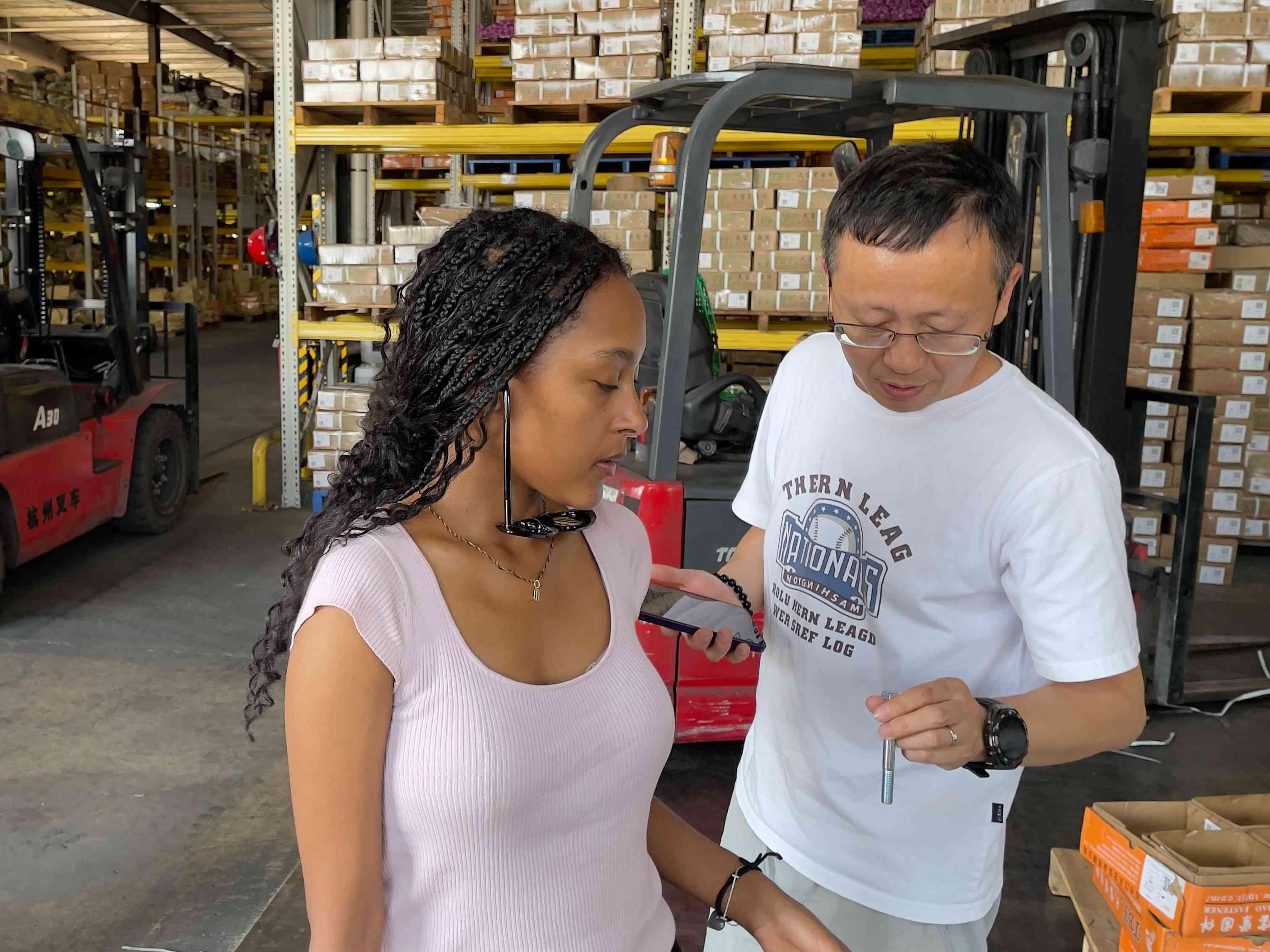
New Chapter in Sino-Ethiopian Trade Cooperation: Securing a Long-Term Fastener Procurement Agreement

21

Jul

New Chapter in Sino-Ethiopian Trade Cooperation: Securing a Long-Term Fastener Procurement Agreement

How China & Ethiopia secured a long-term fastener supply deal for East Africa's booming industrial sector. Discover reliability, scalability & global impact.
View More
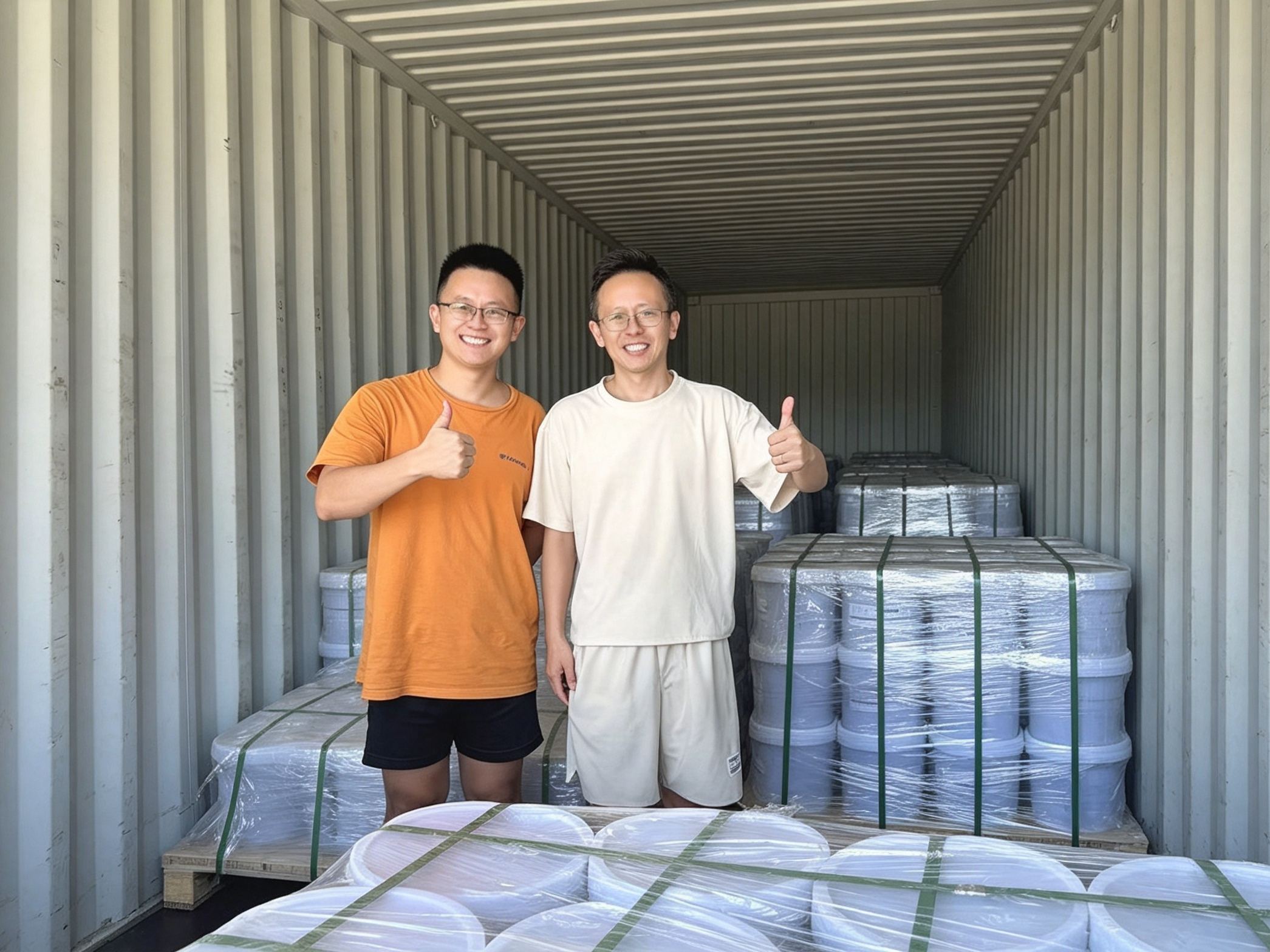
Full Container Ready for Shipment! Premium Fasteners Bound for the U.S. Industrial Market

21

Jul

Full Container Ready for Shipment! Premium Fasteners Bound for the U.S. Industrial Market

Need reliable, ocean-ready fasteners for U.S. industrial buyers? Our full-container shipment delivers certified quality, export-optimized packaging & seamless logistics.
View More

Get a Free Quote

Our representative will contact you soon.
0/1000
Strong, Stable Cable Control

Strong, Stable Cable Control

The main value of wire fasteners is dependable control. A well-designed fastener keeps a cable in its intended route instead of allowing it to hang, twist, or rub against nearby surfaces. Wire fasteners distribute holding pressure across a suitable contact area, helping protect the outer jacket from cuts and crushing. This support matters in control panels, machinery, vehicles, and building services where vibration or repeated movement can loosen an unsecured line. Wire fasteners also keep cable bundles separated from hot parts, sharp corners, and moving mechanisms. Customers gain a cleaner installation and a lower risk of damage during normal operation. Different profiles let users match the fixing method to the cable size and load. Small clips suit light signal wires, while reinforced clamps handle larger bundles. With the right selection, wire fasteners maintain stable routing without overcomplicating the installation. That combination of protection, order, and reliable holding makes them a practical choice for both new projects and maintenance work.
Fast Installation and Easy Maintenance

Fast Installation and Easy Maintenance

Wire fasteners help installers complete cable routing with fewer steps and less handling. Depending on the model, wire fasteners can use screws, nails, clips, snap locks, or adhesive surfaces, allowing customers to choose a method that fits the mounting area. Simple fitting reduces labor time and supports consistent spacing along a run. It also helps teams achieve a professional result when many cables must be installed in a limited schedule. Wire fasteners make later inspection easier because cables remain visible, aligned, and accessible. Technicians can identify a line, replace a section, or add a new cable without first untangling a loose group. Some wire fasteners open and close repeatedly, which is useful for equipment that requires regular servicing. Others provide a permanent hold for fixed building routes. This flexibility makes wire fasteners suitable for contractors, plant operators, vehicle technicians, and repair specialists. Faster installation and simpler maintenance can reduce downtime while improving the overall quality of the finished system.
Material Options for Demanding Environments

Material Options for Demanding Environments

Material choice gives wire fasteners broad application range. Steel wire fasteners provide firm support for heavier cables and demanding installations, while stainless steel options offer strong resistance to rust and moisture. Nylon wire fasteners provide light weight, electrical insulation, and convenient handling for many indoor applications. Outdoor-rated designs can resist sunlight, temperature change, and rain, helping maintain a secure hold over a longer service period. Wire fasteners with smooth edges reduce the chance of jacket damage during fitting or vibration. Products with a protective coating can add resistance to wear and environmental exposure. This range allows buyers to select performance rather than pay for features they do not need. In a dry office, a simple light-duty fastener may be enough. In a factory, vehicle, marine area, or outdoor cabinet, a stronger and more resistant version may deliver better value. Choosing suitable wire fasteners improves reliability, reduces replacement frequency, and supports safer cable management in real working conditions.