Self Drilling Bolts | Fast Secure Fixing

application/self-drilling-bolts, application/self-drilling-bolts, 
Inquiry
Inquiry

self drilling bolts

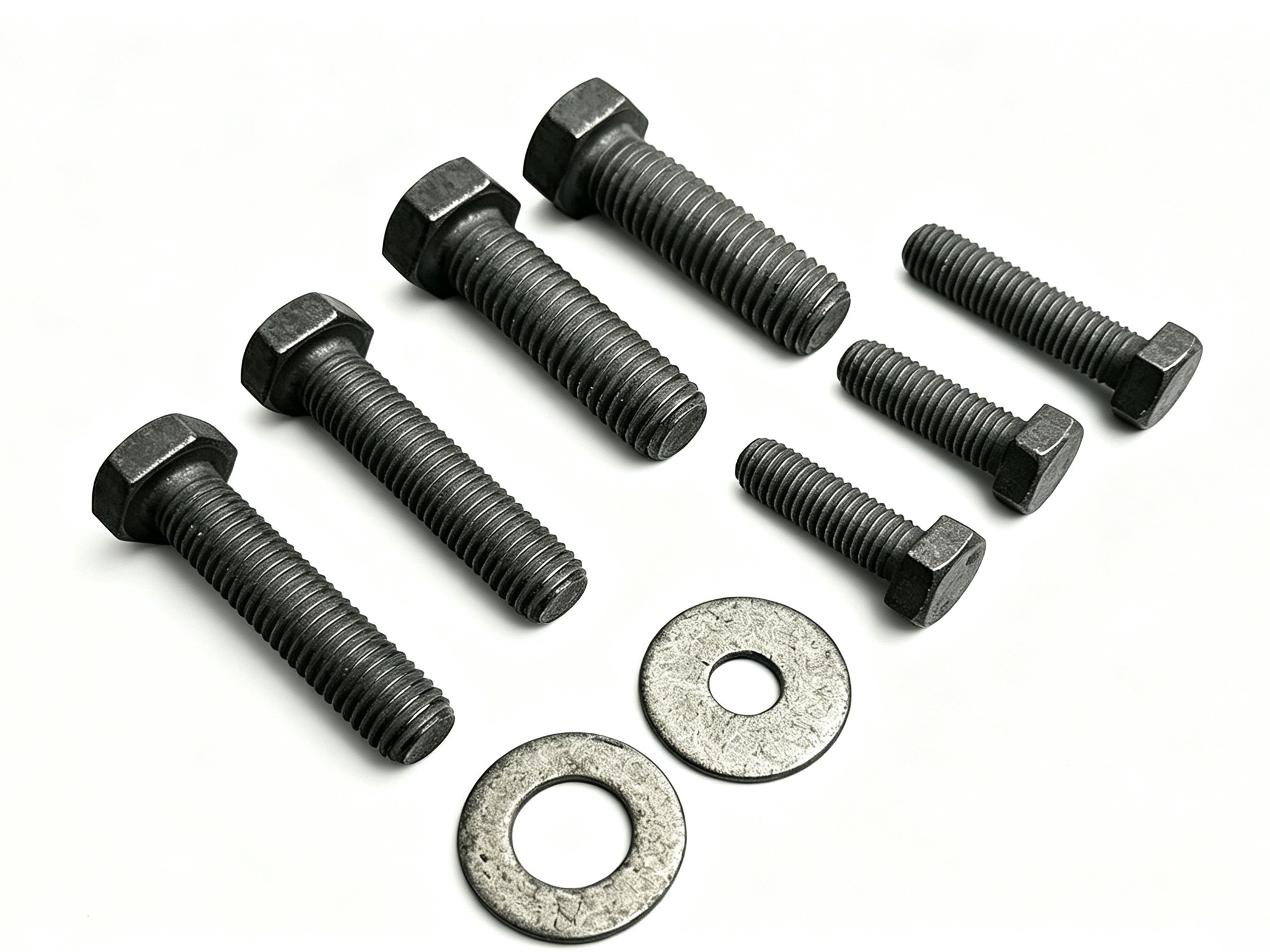
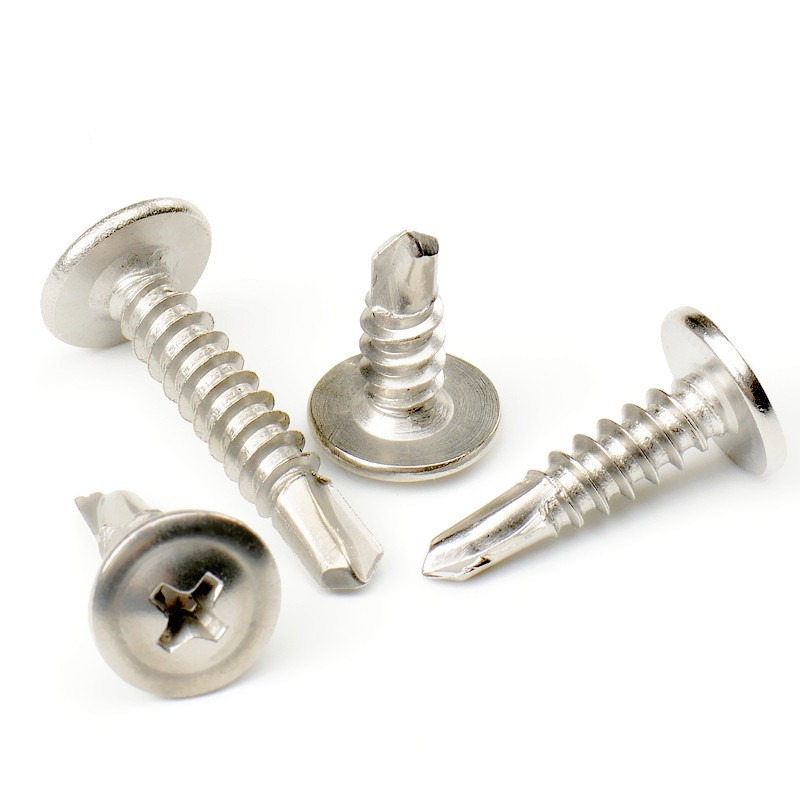
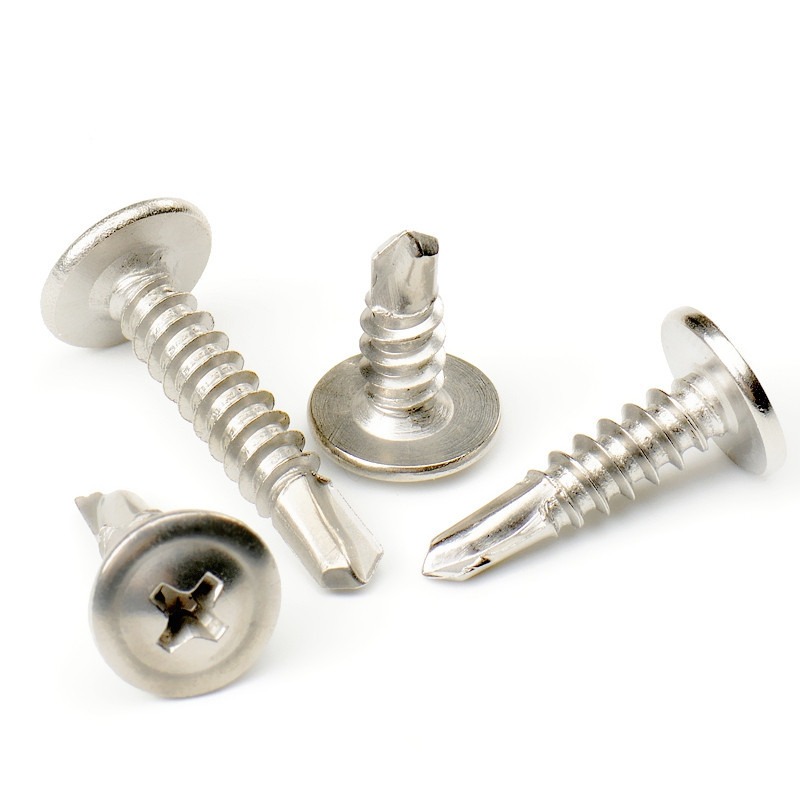
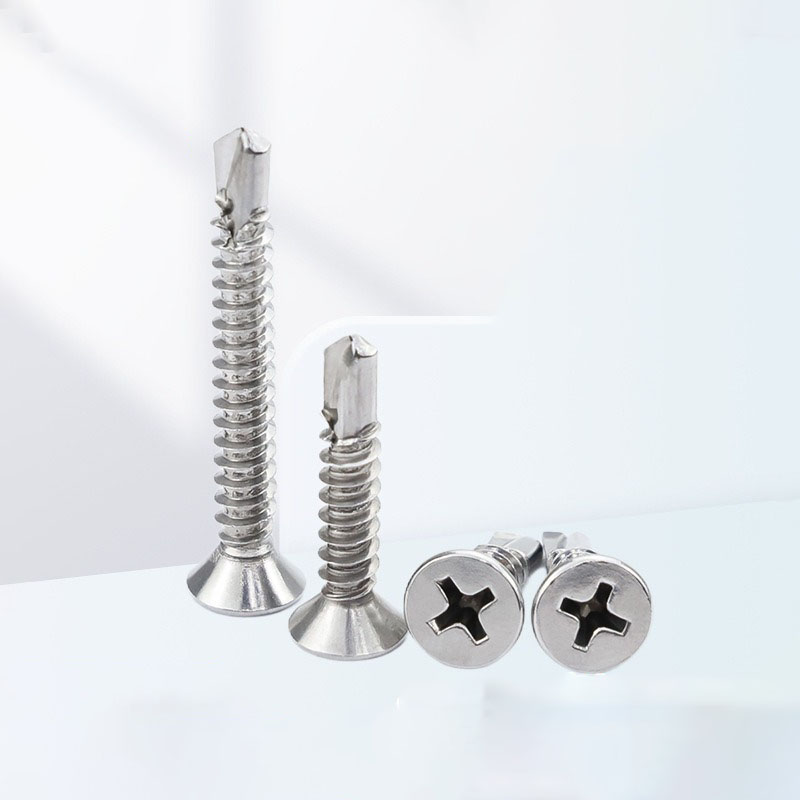
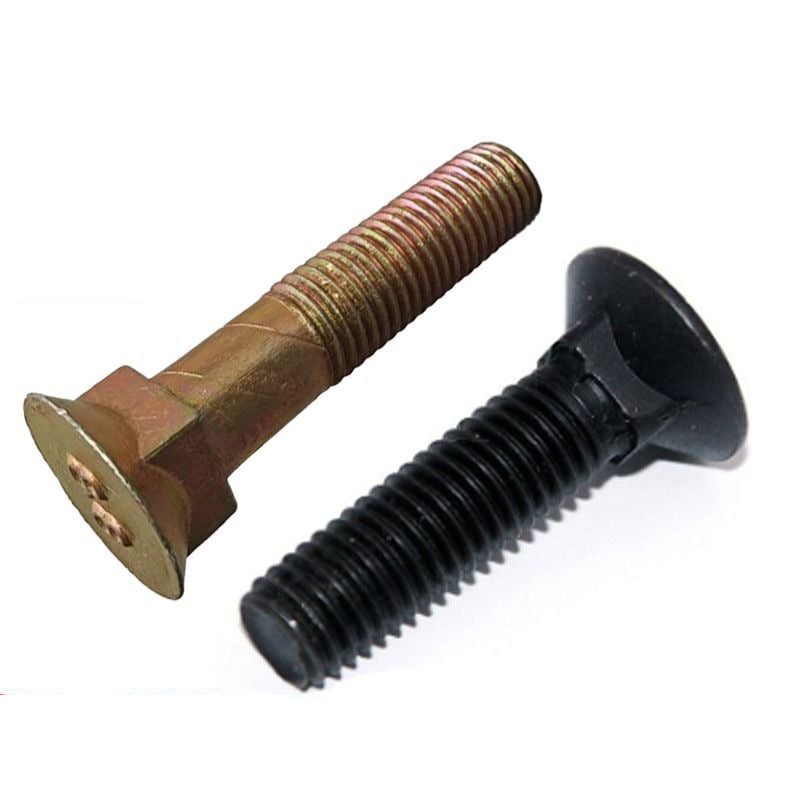
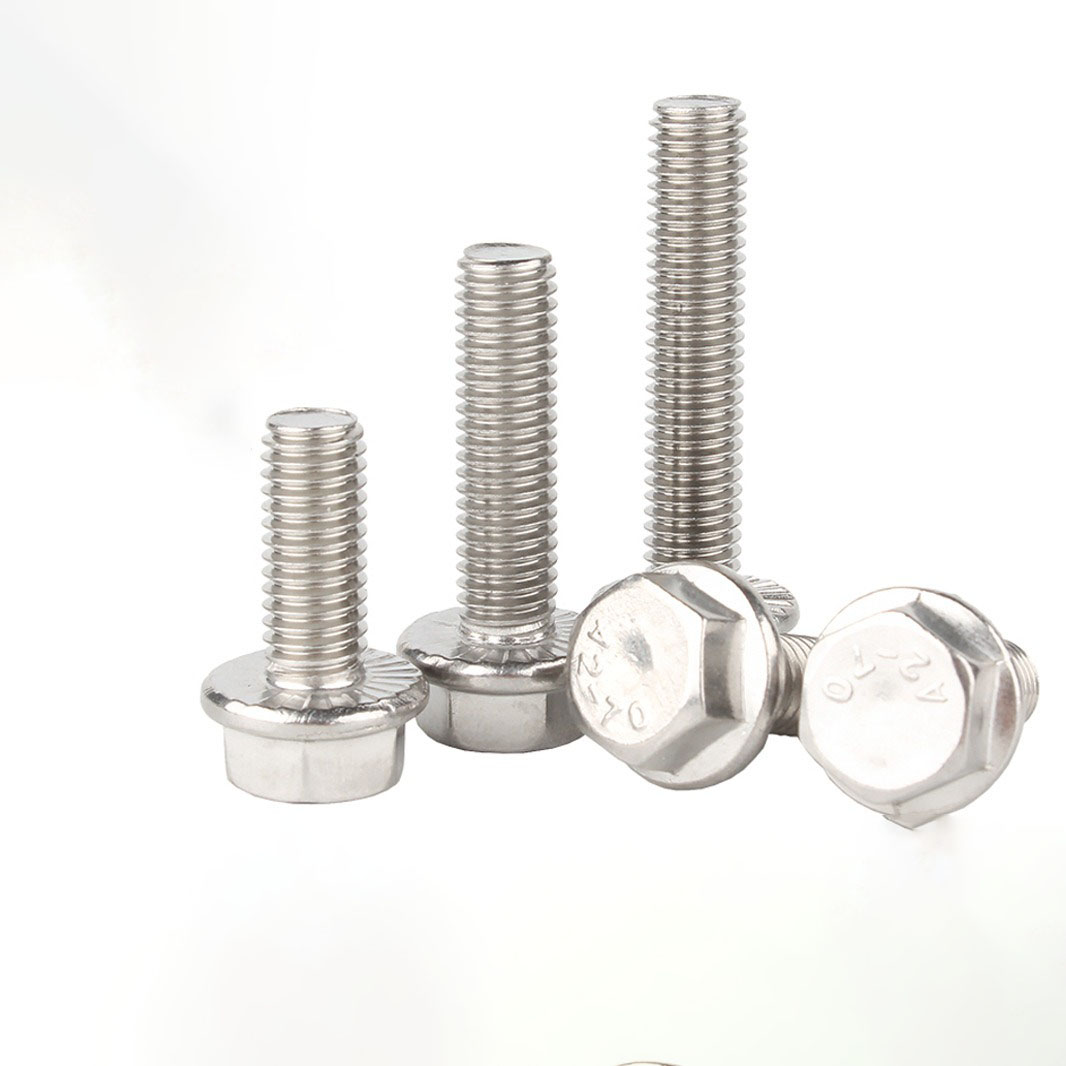
Self drilling bolts are fastening products that create their own hole as they enter a material. Unlike standard bolts, self drilling bolts usually combine a sharp drilling point, formed threads, and a head designed for a power tool. This design allows one worker to drill and secure a connection in a single operation. Self drilling bolts work well when installers need speed, consistent placement, and fewer tools on site. The point cuts through thin steel, sheet metal, aluminum, timber, or selected composite panels, while the threads grip the prepared path. Depending on the model, self drilling bolts may include a washer, sealing washer, hex head, or other drive style. These details help users control tightening and protect the joint from water entry. Many self drilling bolts use carbon steel, stainless steel, or coated steel to match different strength and corrosion needs. Product selection should consider the base material, material thickness, required load, weather exposure, and drive equipment. Self drilling bolts are commonly used for roofing, cladding, steel framing, ductwork, panels, machinery, and general construction. Their main function is to create a reliable mechanical joint without a separate pilot hole. Correct installation still matters: use the recommended speed, keep the tool aligned, and stop tightening when the washer seats firmly. When matched to the application, self drilling bolts reduce installation steps, improve productivity, and provide a practical alternative to separate drilling and fastening.
The main advantage of self drilling bolts is faster installation. A worker can position the fastener, apply a compatible driver, and complete the joint without changing from a drill bit to a bolt. This saves time across repeated connections and helps projects finish with fewer interruptions. Self drilling bolts also reduce the need for predrilled holes, which can lower labor effort and simplify work at height or in tight spaces. For buyers, that can mean lower installation cost, less equipment movement, and easier planning. Self drilling bolts provide a clean, repeatable process when installers use the correct pressure and speed. The drilling point helps the fastener start accurately, while the formed threads maintain grip in suitable sheet materials and light framing. Self drilling bolts can also reduce loose parts because the same item creates the opening and holds the assembly together. Options with sealing washers can support weather-resistant roofing and wall connections, while stainless versions suit damp or exposed locations. Another benefit of self drilling bolts is application flexibility. Buyers can select head styles, lengths, coatings, points, and materials for indoor, outdoor, structural, or service work. This makes it easier to standardize purchasing without forcing one product onto every job. Self drilling bolts are especially useful for repetitive metal-to-metal and panel-to-frame connections, where speed has a direct effect on productivity. They are not a universal choice for heavy structural loads, thick solid steel, or materials that may split, so users should check load data and manufacturer guidance. Choosing the right self drilling bolts improves holding power, reduces rework, and supports a safer, more predictable installation routine.

Tips And Tricks

Beyond Galvanizing: How the Sherardizing Process Builds Ultimate Protection for High-End Steel

21

Jul

Beyond Galvanizing: How the Sherardizing Process Builds Ultimate Protection for High-End Steel

Why Sherardizing outperforms galvanizing for high-end steel—extreme corrosion resistance, zero hydrogen embrittlement & self-healing protection.
View More
New Chapter in Sino-Ethiopian Trade Cooperation: Securing a Long-Term Fastener Procurement Agreement

21

Jul

New Chapter in Sino-Ethiopian Trade Cooperation: Securing a Long-Term Fastener Procurement Agreement

How China & Ethiopia secured a long-term fastener supply deal for East Africa's booming industrial sector. Discover reliability, scalability & global impact.
View More
Full Container Ready for Shipment! Premium Fasteners Bound for the U.S. Industrial Market

21

Jul

Full Container Ready for Shipment! Premium Fasteners Bound for the U.S. Industrial Market

Need reliable, ocean-ready fasteners for U.S. industrial buyers? Our full-container shipment delivers certified quality, export-optimized packaging & seamless logistics.
View More

Get a Free Quote

Our representative will contact you soon.
0/1000
One-Step Drilling and Fastening

One-Step Drilling and Fastening

Self drilling bolts combine hole-making and fastening in one action, which gives installers a simpler workflow. The pointed tip begins cutting as the driver turns, and the threads follow behind to hold the connected materials. With self drilling bolts, users can avoid marking every hole, changing tools, or carrying separate drill bits for routine sheet work. That advantage matters on roofing, wall panel, and framing projects where hundreds of connections may be required. Fewer steps also reduce opportunities for lost hardware and misplaced pilot holes. Self drilling bolts help crews maintain a steady installation rhythm, making output easier to estimate and labor easier to manage. A consistent process can improve alignment because the fastener enters at the selected location rather than relying on a separately drilled opening. The result is a practical time-saving solution for suitable materials and thicknesses. Buyers should still confirm point style, length, and drive compatibility before ordering self drilling bolts for a specific job.
Protection Against Weather and Corrosion

Protection Against Weather and Corrosion

Self drilling bolts can support long service life when their material and finish match the installation environment. Zinc-coated versions provide economical protection for many indoor and general outdoor uses, while stainless options offer stronger resistance in wet, coastal, or chemically exposed areas. Some self drilling bolts include a bonded washer that spreads pressure and helps seal the fastener opening. This feature can limit water entry in roofing, cladding, and exterior panel applications. Selecting self drilling bolts with the right coating also reduces early rust, staining, maintenance visits, and replacement costs. Buyers should compare the fastener finish with the surrounding material because incompatible metals may create corrosion problems over time. Washer size and seal material also deserve attention when temperature changes or outdoor movement could affect the joint. With suitable product selection, self drilling bolts help protect the connection as well as hold it together. They give contractors a clear way to balance purchase price, exposure level, appearance, and expected service life.
Reliable Fit for Repeated Projects

Reliable Fit for Repeated Projects

Self drilling bolts help businesses create a repeatable fastening method across regular construction and maintenance work. Consistent dimensions, drive heads, coatings, and packaging make it easier to train crews and keep replacement stock ready. When self drilling bolts match the material and tool, each connection follows a familiar sequence, reducing guesswork for new or experienced installers. This consistency can improve output quality and make job costing more accurate. Self drilling bolts are available in different lengths and point designs, so buyers can select a version that passes through the top layer and achieves suitable thread engagement in the supporting material. Correct sizing prevents wasted penetration, poor grip, and visible damage to panels. Self drilling bolts also reduce the number of separate components required in a standard kit, which simplifies storage and site handling. For contractors, that means easier purchasing and fewer delays caused by missing hardware. Before placing a large order, test self drilling bolts on the actual material, verify driver settings, and review the supplier's load and installation guidance. This practical check supports dependable results.