EN

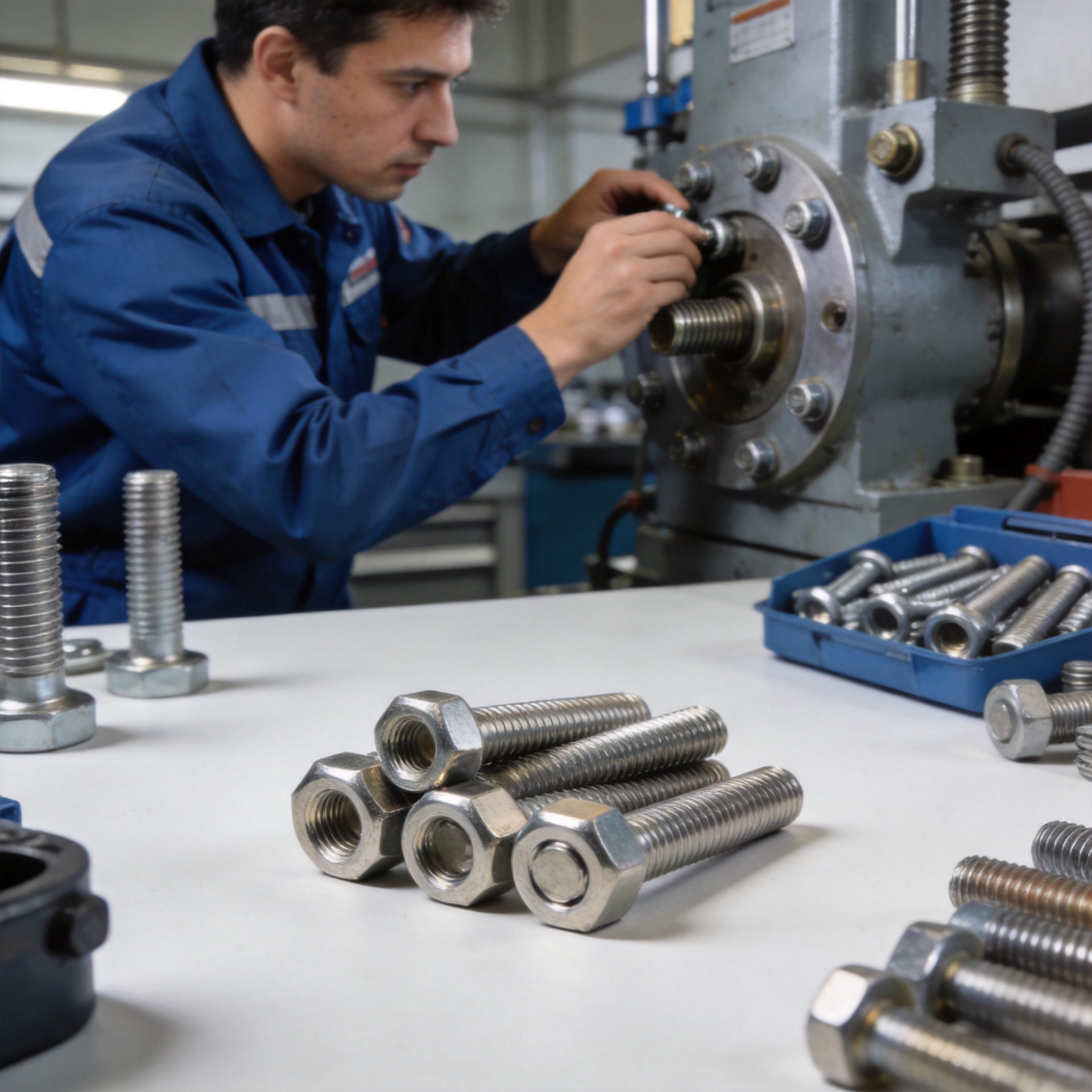
How Do Fasteners Reduce Maintenance Costs in Equipment Assembly?
Maintenance cost is often discussed as a parts or labor problem, but many recurring calls begin at a joint. A fastener that matches the load, material, access method, and assembly process can help an equipment team keep components located and clamped as intended. That does not make every fastener issue disappear. It does mean the assembly decision can reduce the number of loose-joint investigations, damaged parts, and repeat visits that consume a maintenance budget.
From a general machinery perspective, the useful question is not simply “which fastener costs less?” It is “which joint design gives the operation a stable, inspectable connection over its planned service interval?” That lifecycle view connects the initial purchase decision to fastener maintenance, line availability, spare-part planning, and technician time.
Where equipment maintenance costs begin
A joint has an economic effect long before a technician opens a tool kit. Selection errors can create hidden work: a thread that damages during assembly, a coating that is unsuitable for the environment, a head style that cannot be reached safely, or a tightening method that varies from operator to operator. Each condition can turn a low-priced fastener into a source of adjustment, inspection, replacement, or collateral repair.
For an equipment fastener, the direct part price is only one line in the decision. The broader cost includes installation time, tooling, documentation, planned checks, unplanned stoppage, and the consequences of joint movement. A practical cost review therefore asks how a connection behaves after the equipment enters service, not only how it looks on a bill of materials.
1. Correct clamp load limits movement and wear
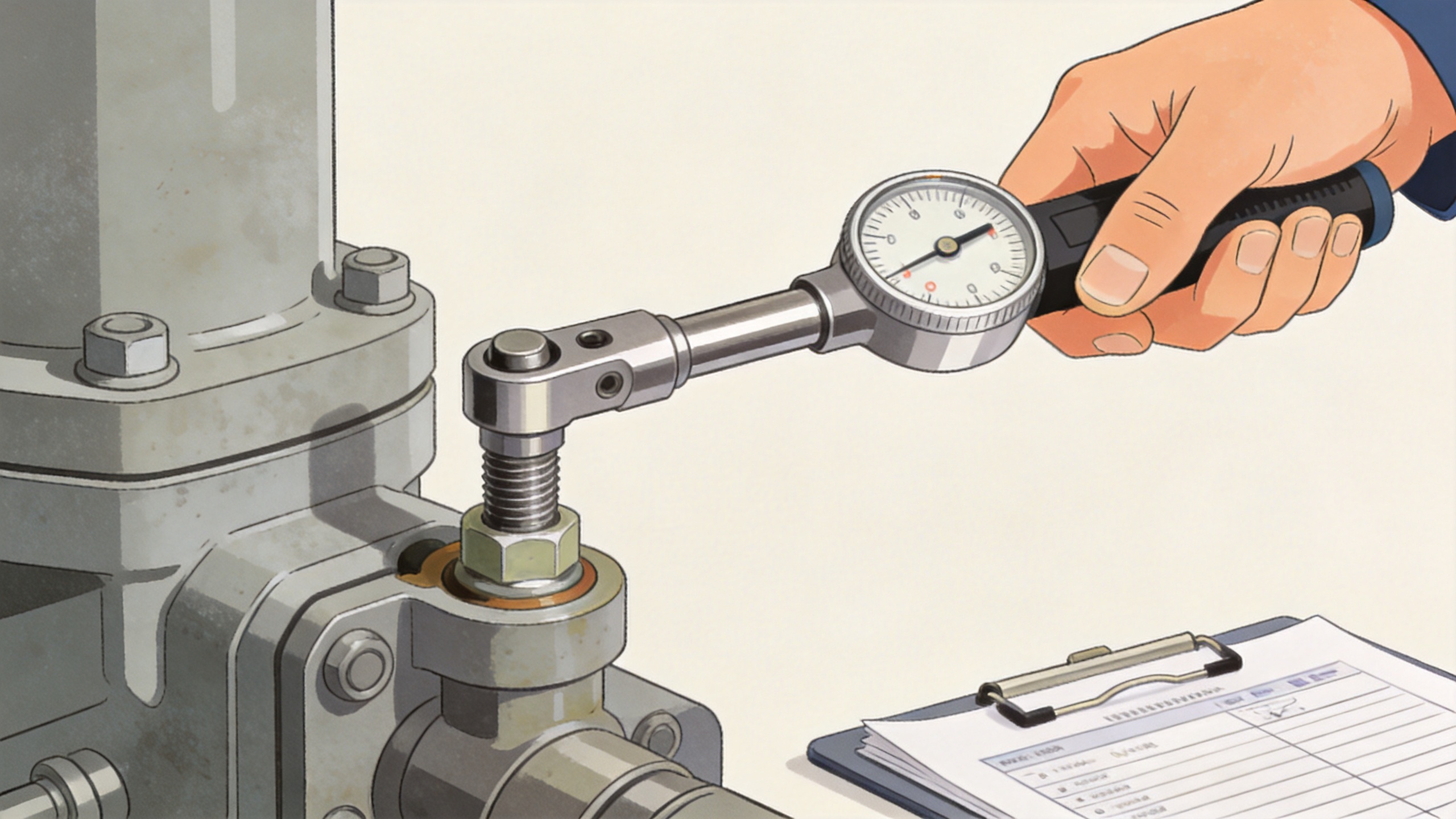
Many maintenance problems develop when joined surfaces move relative to one another. Under vibration or fluctuating load, movement can enlarge holes, fret contact faces, damage threads, or shift alignment. A properly specified fastener system is designed to create clamp load that holds the members together under the expected duty cycle. Technical guidance on threaded joints emphasizes that preload should keep joint members in contact and compression; that principle helps explain why installation control matters.
Torque is only an input to that result, not the result itself. Friction at the threads and bearing surface, surface condition, lubrication, and tool calibration all influence the relationship between applied torque and clamp load. Rather than using a generic number for every assembly fastener, engineering should validate a joint-specific method and communicate it clearly to production and service teams.
2. Repeatable assembly shortens service work
Maintenance teams spend time when they have to diagnose variation. A repeatable fastener process uses controlled specifications, compatible tools, defined tightening sequences, and clear acceptance criteria. When those elements are recorded during assembly, later technicians have a reference for what was installed and how the joint was intended to function.
This is especially important in assemblies with multiple interfaces. If one operator uses a different washer, coating condition, or tightening sequence, the final joint may behave differently even when the nominal fastener size is the same. Standardized work lowers the chance that maintenance personnel must reconstruct the assembly history from incomplete clues.
3. Material and surface choices reduce premature replacement
Material selection should reflect the joint environment: moisture, washdown chemicals, temperature changes, dissimilar metals, vibration, and access for future service. A carbon-steel fastener may suit a dry indoor enclosure, while a more corrosion-resistant material or coating may be appropriate in a wet or corrosive location. The goal is not to specify the highest grade in every case. It is to select a combination that fits the service condition and can be sourced consistently.
That distinction matters for fastener cost. An inexpensive part that needs early replacement can create more expense than a stable specification with appropriate material documentation. Review material compatibility together with strength, thread engagement, and the surrounding component materials. This helps the team avoid treating corrosion, galling, or wear as isolated maintenance surprises.
4. Serviceable design makes inspections more efficient
The right fastener also supports maintainability. Head geometry, clearance, tool access, captive hardware, and visual identification can affect the time needed to inspect or replace a component. If a technician must remove unrelated guards or components to reach one connection, routine work becomes longer and introduces additional reassembly risk.
For critical joints, build an inspection plan around the actual failure modes rather than a universal retorque habit. Industry guidance notes that restart torque is not automatically a reliable measure of in-service preload. A service instruction may instead combine visual checks, movement indicators, dimensional checks, leak or alignment observations, and a defined escalation path. The appropriate method depends on the joint and the equipment maker’s engineering requirements.
5. Traceability supports faster root-cause work
When a joint issue occurs, traceability can reduce the time between finding a problem and choosing a response. Recording the fastener specification, lot information where relevant, installation method, and inspection result gives teams a factual starting point. It can reveal whether an issue is isolated, related to a particular assembly condition, or linked to an application change.
In equipment assembly, this record is useful for both quality and purchasing teams. It supports consistent replenishment, reduces substitute-part uncertainty, and lets maintenance staff compare the installed fastener with the approved specification. A supplier quality process that includes batch checks and documentation can support this workflow, but the equipment owner should still define acceptance requirements for the application.
A practical fastener maintenance checklist
- Define the joint: record load direction, vibration exposure, temperature, materials, and service access.
- Specify the fastener system: include size, grade or material, finish, mating parts, washers, and any locking method.
- Validate assembly: establish the tool, sequence, target method, and training needed for repeatable clamp load.
- Plan inspection: use joint-specific indicators and intervals rather than relying on a blanket torque check.
- Capture evidence: keep assembly and service records so recurring issues can be investigated efficiently.
- Review changes: reassess the fastener choice when duty cycle, environment, material stack, or maintenance access changes.
How to evaluate the maintenance value of a fastener
A useful fastener review compares the recurring cost of the connection with its purchase cost. Track time spent on adjustments, replacement frequency, access time, rejected assemblies, and disruptions linked to the joint. Then ask whether the root cause lies in design, material, installation variation, or the maintenance procedure. This approach gives procurement, engineering, and maintenance a shared basis for making changes.
For general machinery, the most effective improvement is often not a dramatic redesign. It may be a more suitable fastener material, a clarified tightening sequence, a defined washer arrangement, or a better service-access decision. Those small controls can make the connection more predictable and make fastener maintenance easier to plan. The result is a maintenance program that spends less time reacting to avoidable joint variation and more time protecting equipment performance.