EN

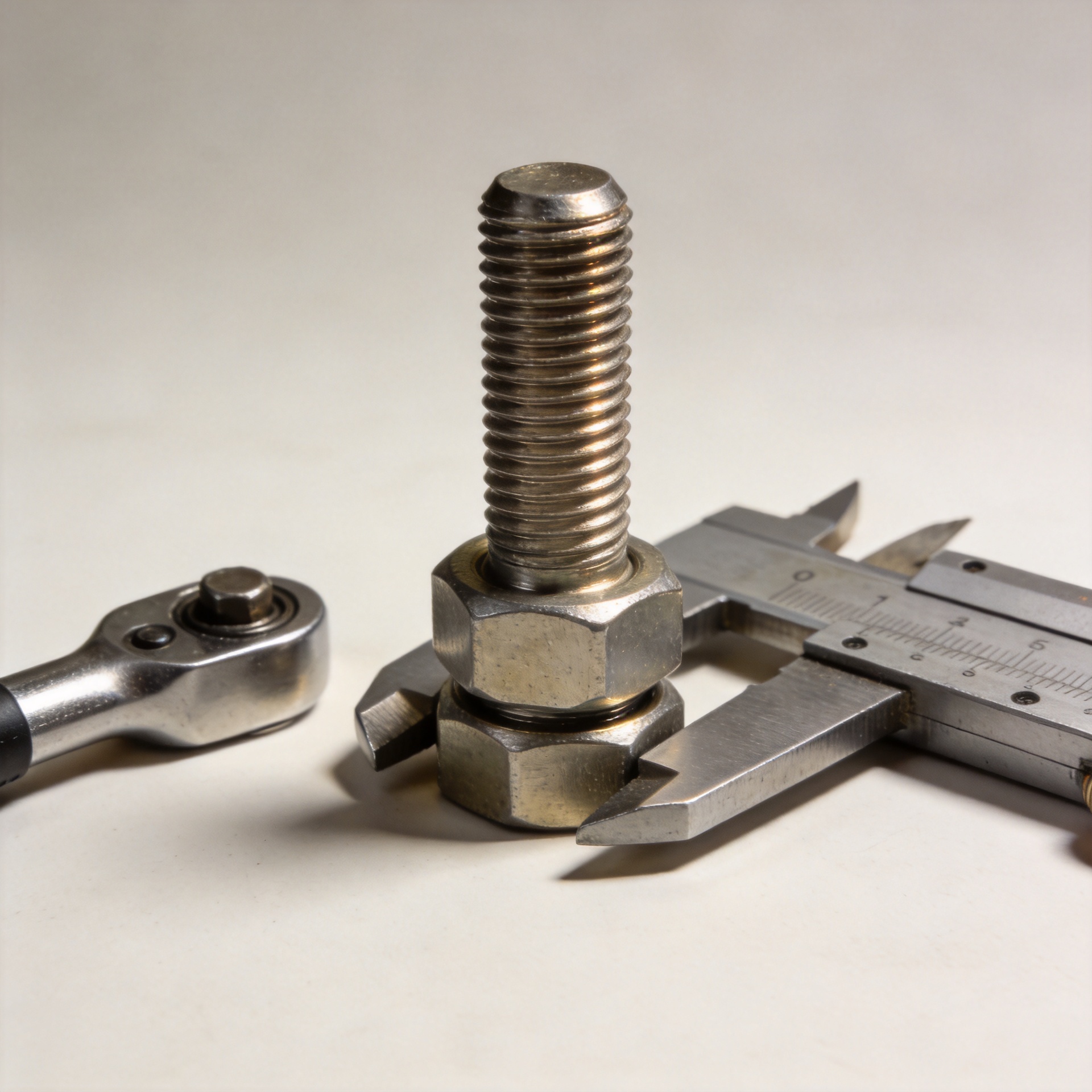
Why Preload Loss Is a Key Indicator of Fastener Joint Health
A fastener joint can look intact long after it has begun to lose the clamping force that makes it work. That is why preload loss deserves attention: it is often an earlier and more useful indicator of joint health than a visibly backed-off nut, a broken threaded fastener, or a leak at the contact surface. For a fastener joint carrying vibration, pressure, temperature changes, or repeated load, the question is not simply whether the hardware is still present. The real question is whether the joint still has enough clamp load to keep the parts acting as one assembly.
From a manufacturing procurement perspective, a fastener is not a commodity once its clamp load affects alignment, sealing, fatigue life, or traceability. A mechanical fastener can meet its material and dimensional requirements yet still perform poorly if the installation method, bearing surfaces, or joint stack-up do not support the intended preload. Monitoring preload loss helps teams find that mismatch before the joint moves, frets, leaks, or transfers load in an unintended way.
Preload is the working condition of a fastener joint
When a bolt and nut, screw, or other threaded fastener is tightened, the fastener stretches slightly and the clamped parts compress. That stored elastic force is preload. It creates friction across the joint contact surface and keeps the members in contact as service loads change. A healthy fastener joint therefore depends on a controlled relationship among applied tightening method, fastener stiffness, joint stiffness, surface condition, lubrication, and the external load path.
It is tempting to treat torque as proof of preload. Torque is useful as an installation control, but it is an indirect signal because a large share of applied torque is consumed by friction under the head, nut face, and threads. Two nominally identical fastener assemblies can produce different clamp loads when coating, lubricant, washer condition, or surface finish differs. That does not make torque control unhelpful; it means torque alone cannot describe the full state of joint health.
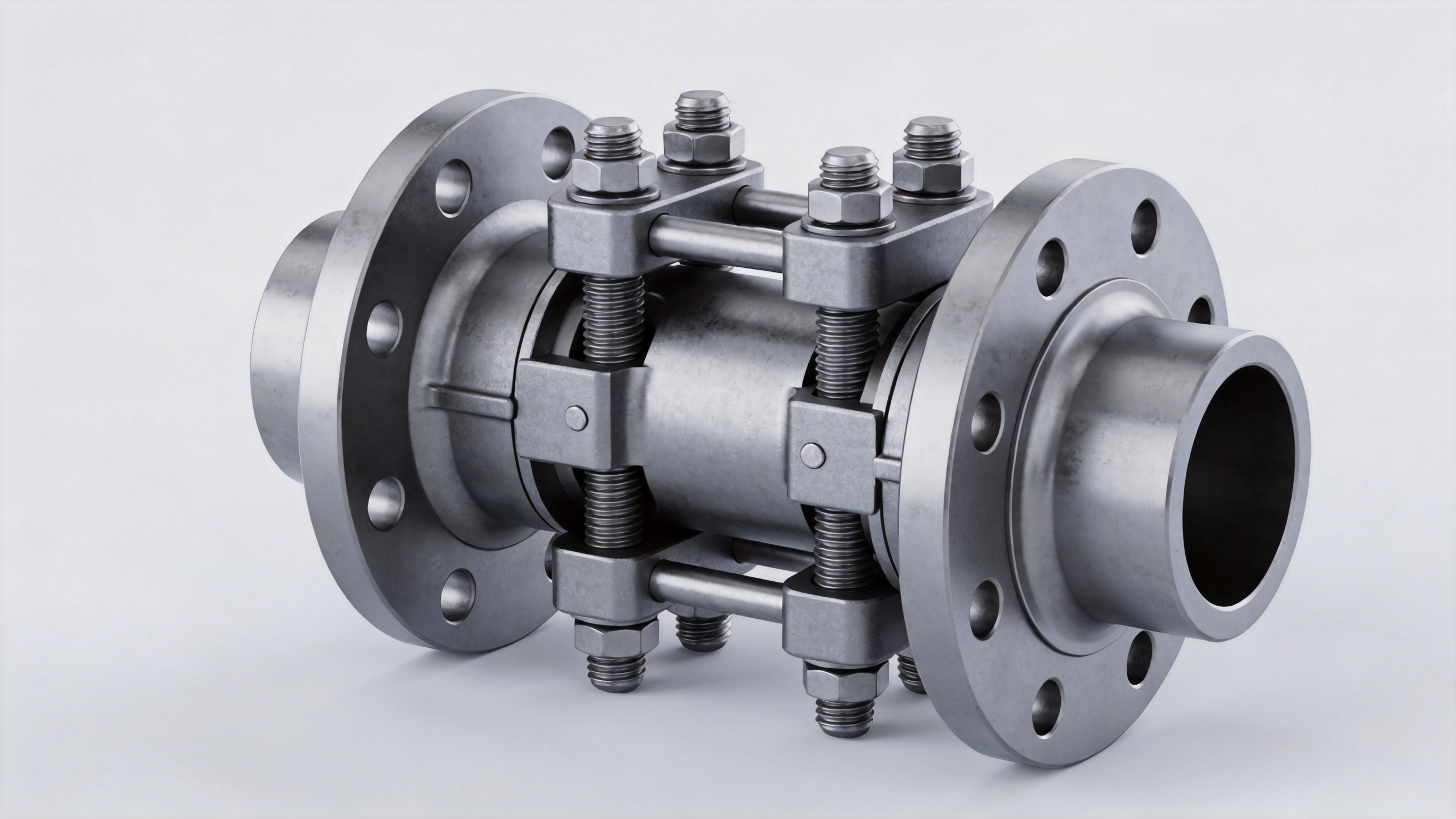
Why preload loss can appear before obvious loosening
Loss of preload and rotational loosening are related but not identical. A fastener can lose part of its clamp load while the nut still appears to be in its original position. Once clamp load falls, however, transverse movement, separation, fretting, leakage, and fatigue loading become more likely. In that sense, preload loss is an early-warning condition rather than a cosmetic defect.
Several mechanisms commonly reduce the load in a fastener joint:
- Embedment and settling: microscopic high points on mating surfaces flatten after installation. Coatings, paint, soft washers, and uneven mating contact surfaces can increase this settling effect.
- Relaxation or creep: some joint materials change shape under sustained compressive stress or elevated temperature, reducing the force carried by the mechanical fastener.
- Thermal cycling: different expansion rates in the fastener and clamped materials can shift clamp load as temperature rises and falls.
- Vibration and joint slip: movement at the contact surface can change the load distribution and eventually allow a threaded fastener to rotate or wear.
- Installation variation: inconsistent lubrication, damaged threads, poor seating, or an unsuitable tightening sequence can leave one fastener with less initial preload than expected.
Many teams first look for a higher-strength fastener when a joint is losing preload. That response is understandable, but it can miss the root cause. A stronger mechanical fastener does not correct a contact surface that settles, a stack-up that changes with heat, or an assembly process that delivers inconsistent tension. Start by asking what changed in the complete joint system.
What preload loss says about joint health
Preload loss is valuable because it connects several failure modes to a measurable engineering condition. If an inspection trend shows falling clamp load, it may indicate that the joint has insufficient stiffness, that the bearing surfaces are changing, or that the service environment is outside the original assumptions. It can also reveal a process-control issue: a batch of fastener assemblies may be installed with the same torque target but reach different tension because friction conditions differ.
For precision equipment, this matters even when the fastener is small. In electronic or instrument assemblies, a stainless fastener may be selected for corrosion resistance, but the joint still needs compatible washers, bearing surfaces, and a tightening method appropriate to the materials. In pressure, process, or outdoor equipment, a custom fastener may be necessary when temperature, corrosion, access, or geometry changes the preload requirement. Material selection helps, but it is only one part of joint health.
Inspect the joint, not just the hardware
The appropriate verification method depends on criticality, access, production volume, and the approved assembly procedure. A structured inspection plan can include the following steps:
- Define the critical joints. Prioritize fastener locations tied to sealing, alignment, safety, cyclic loading, or costly shutdowns.
- Establish an installation baseline. Record the fastener specification, washer and coating condition, tightening sequence, tool settings, and any lubricant used.
- Look for indirect indicators. Joint gaps, fretting debris, contact-surface movement, recurring torque changes, leakage, and shifted alignment can all signal reduced preload.
- Use a validated measurement method. Depending on the application, this may involve direct tension measurement, ultrasonic methods, load-indicating hardware, or a controlled torque-angle signature. Use the method specified for that joint rather than applying a generic re-torque rule.
- Investigate the mechanism. If clamp load has changed, inspect contact surfaces, thread condition, local yielding, temperature history, vibration exposure, and joint-stack changes before choosing corrective action.
A re-torque can restore load in some situations, but it can also conceal repeated settlement or introduce additional variation if the joint condition has not been understood. The practical goal is to confirm why the fastener lost preload and whether the current joint design can retain it through service.
Build preload retention into the specification
Joint health improves when the specification describes the entire fastener system rather than only a nominal diameter and strength class. Define the mating materials, surface finish, coatings, washers, lubrication state, tightening strategy, inspection method, and service environment. For a stainless fastener, account for thread condition and assembly practice as well as corrosion resistance. For a custom fastener, document the functional reason for the geometry or material so purchasing, quality, and assembly teams evaluate the same requirement.
It is also useful to separate a standard replacement fastener from a joint-specific solution. A common threaded fastener may simplify sourcing, while a purpose-designed mechanical fastener can be justified when it improves seating, access, temperature compatibility, or retention in a demanding assembly. That decision should follow evidence from the joint, not an assumption that a more purpose-designed part automatically solves preload loss.
A practical signal for earlier action
Preload loss matters because it turns joint health into something teams can monitor and discuss before visible damage appears. A fastener that retains the intended clamp load helps the assembly resist movement and distribute service loads as designed. A fastener that repeatedly loses preload is reporting a problem in the installation, contact surface, environment, or joint design.
For maintenance and quality teams, the next step is straightforward: identify critical fastener joints, define their expected installation condition, and trend the indicators that show whether clamp load is holding. Treating preload retention as a routine health signal leads to more informed decisions than waiting for a fastener to loosen, fracture, or create a field issue.